
 I'm LongbridgeAI, I can summarize articles.
ROBOSENSE deepens cooperation with NVIDIA, announcing that its high-performance automotive-grade digital lidar E1, EMX, and EM4 will be integrated into the NVIDIA DRIVE ecosystem to support autonomous driving technology development. This collaboration will accelerate the deployment of autonomous driving systems by automakers, with the NVIDIA DRIVE AGX Thor chip and ROBOSENSE's lidar becoming the preferred choice for the next generation of autonomous driving systems. Several automotive manufacturers and Robotaxi companies have adopted this platform, promoting advancements in autonomous driving technology
According to Zhitong Finance APP, on September 11, at the 2025 International Motor Show and Smart Mobility Expo in Germany (IAA MOBILITY 2025), RoboSense (02498) announced further deepened cooperation with NVIDIA (NVDA.US). The world's only mass-producible high-performance automotive-grade digital lidar E1, EMX, and EM4 will connect to the NVIDIA DRIVE ecosystem, providing high-definition three-dimensional perception data support for the NVIDIA DRIVE AGX in-vehicle computing platform. This will shorten the development and testing cycle of autonomous driving technology and accelerate the deployment and application process of autonomous driving systems by car manufacturers.
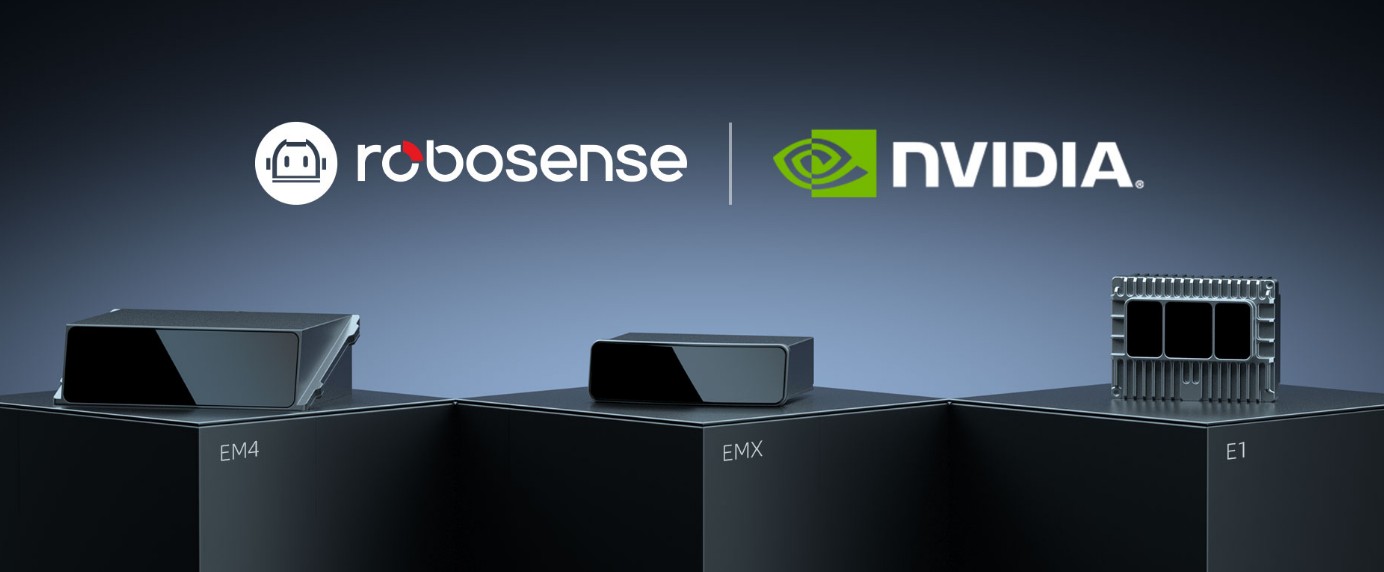
The combination of the NVIDIA DRIVE AGX Thor chip and RoboSense's high-line digital lidar EM platform is becoming the optimal choice for the next generation of autonomous driving systems. Several automotive manufacturers, including ZEEKR, IM Motors, BYD, and GAC, as well as leading Robotaxi companies such as Baidu Apollo, WeRide, and Pony.ai, along with top North American Robotaxi companies like Nuro and Aurora, have adopted NVIDIA DRIVE AGX to develop the next generation of autonomous driving systems.
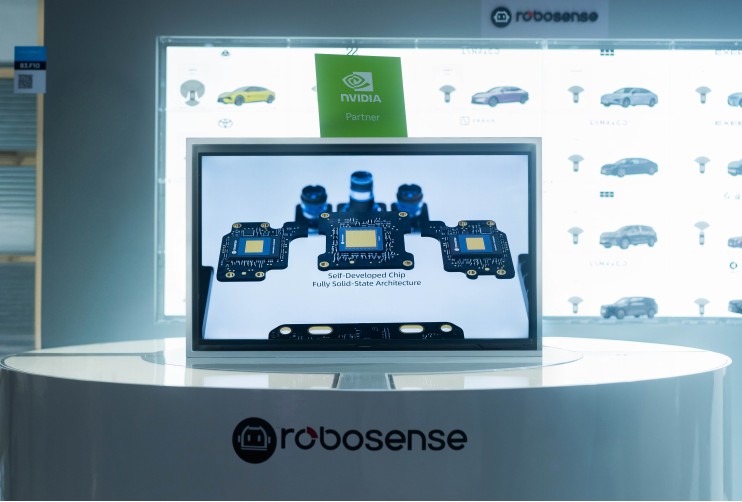
NVIDIA DRIVE AGX is the world's first scalable and efficient AI computing platform, with its core advantage being the ability to deeply integrate data from various types of sensors, including lidar, cameras, and millimeter-wave radar, to achieve robust perception and real-time decision-making through powerful AI algorithms. Among them, the NVIDIA DRIVE AGX Thor SoC, as NVIDIA's latest generation centralized in-vehicle computer designed for automotive generative AI applications, can provide up to 2000 TOPS of AI computing power. Based on this platform, developers can significantly simplify the prototype development, simulation verification, and integration work of autonomous driving systems, achieving efficient and flexible performance expansion.
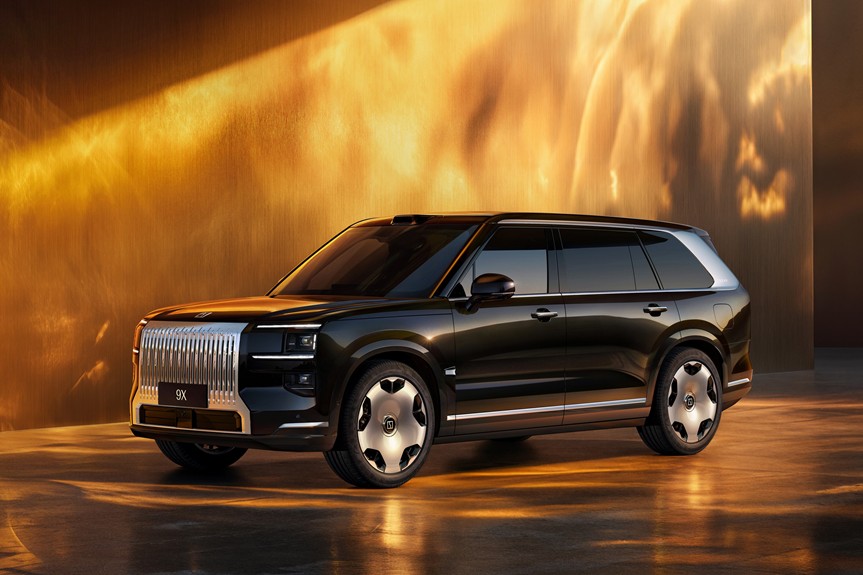
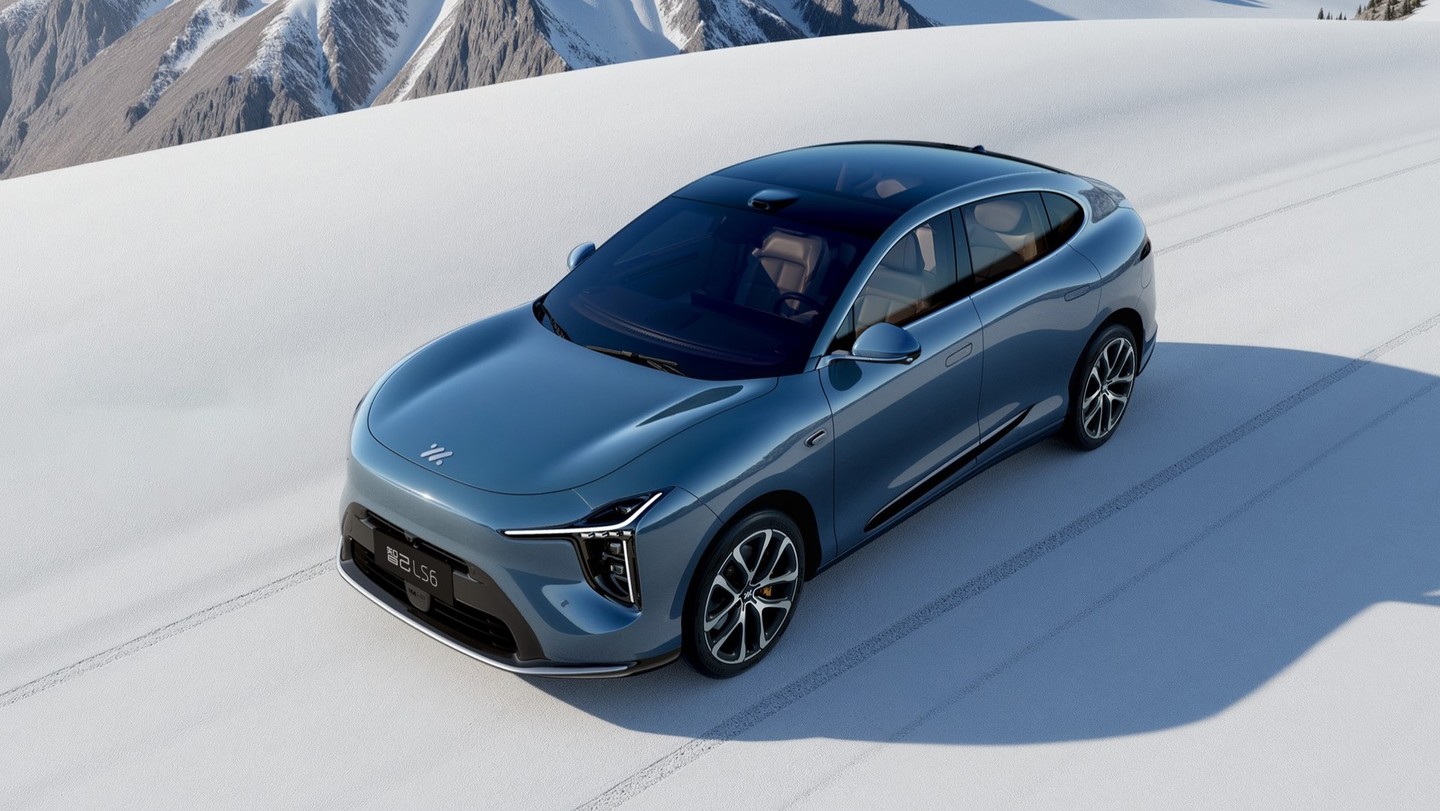
RoboSense's digital lidar, as a key sensor component of the NVIDIA DRIVE AGX platform, collects reliable driving data to support more efficient and precise environmental perception. Currently, several leading global automotive manufacturers are adopting the NVIDIA DRIVE AGX Thor or Orin chips, equipped with RoboSense's EMX, EM4, or EM4+E1 lidar combinations, to launch a new generation of advanced driver-assistance systems and autonomous vehicle products Among them, multiple models have been successively launched, such as the ZEEKR 9X, which is equipped with the NVIDIA DRIVE AGX Thor chip and ROBOSENSE 520-line lidar in its assisted driving solution. The new generation of IM Motors LS6 adopts the NVIDIA DRIVE AGX Orin chip and ROBOSENSE 520-line super lidar.
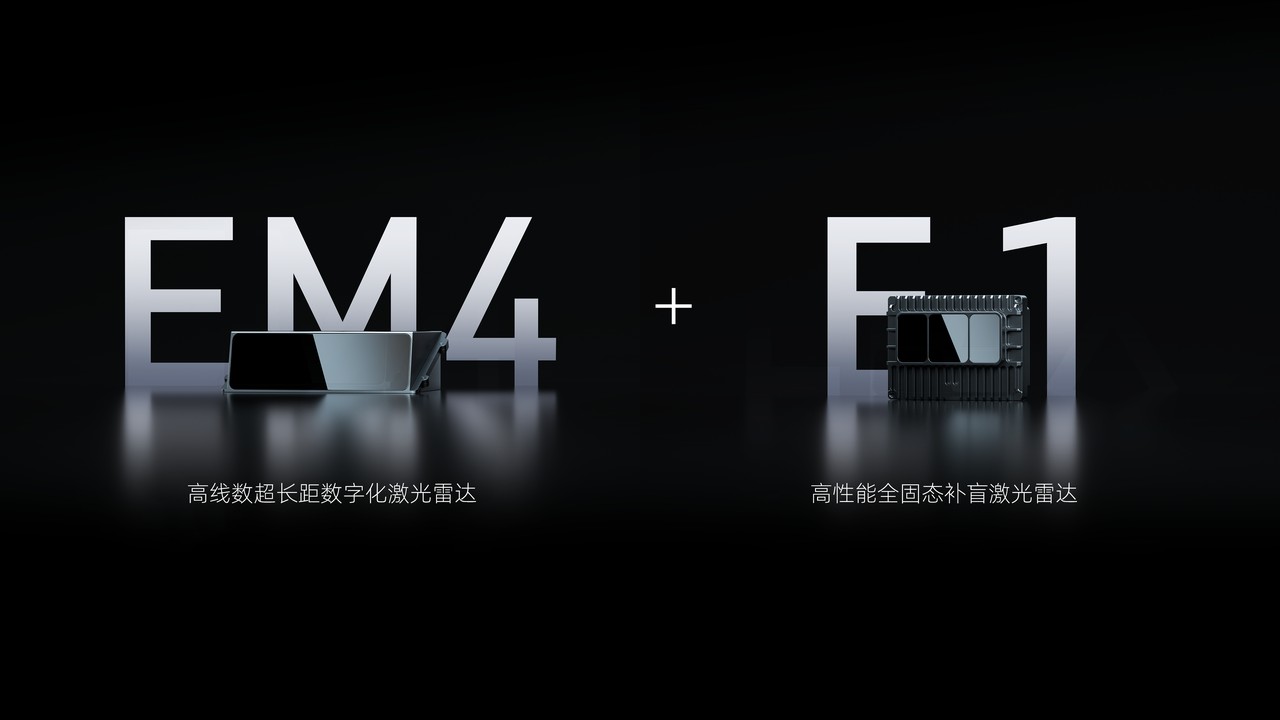
As the automotive industry evolves towards higher levels of autonomous driving, there are extreme demands for sensor performance, reliability, and the computing power of onboard AI platforms. The deep integration of ROBOSENSE lidar with the NVIDIA DRIVE platform has become a core trend in building powerful autonomous driving systems. The EM4, the world's only mass-producible digital lidar with over 500 lines, and the E1, the world's only mass-producible all-solid-state digital blind-spot lidar, along with the "true 192-line" EMX, have significant product advantages and have shown strong explosive power in the fields of smart cars and Robotaxi.
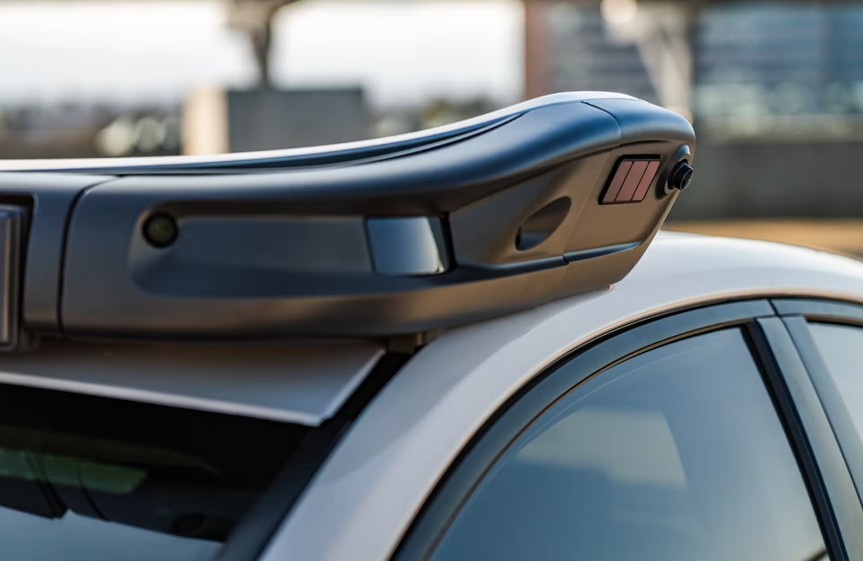
In the onboard field, the EM platform, based on self-developed SPAD-SoC and VCSEL chips, has fully entered the stage of large-scale production. Within just six months of its release, it has secured contracts with eight leading global automakers for 45 models. The EMX has been designated by several domestic and international automakers, including Geely Automobile Group, FAW Hongqi, leading Chinese new energy vehicle companies, one of Japan's top three automakers, and a joint venture established by Europe's largest automotive company in China, including exclusive contracts for as many as 32 models from domestic new energy leading companies; the EM4 has been designated by multiple domestic and international automakers, including Geely Automobile Group, SAIC IM Motors, a top new force brand for global pure electric pickups, and a joint venture with a leading European luxury car brand, and has already achieved mass production applications in several star models of various automakers.
In the Robotaxi field, the combination of EM4 and E1, with its dual perception guarantee of "long-distance precise recognition + short-distance blind spot elimination," has become the preferred configuration for many leading manufacturers. ROBOSENSE's collaborations among global L4-level autonomous driving leading enterprises have covered over 90%
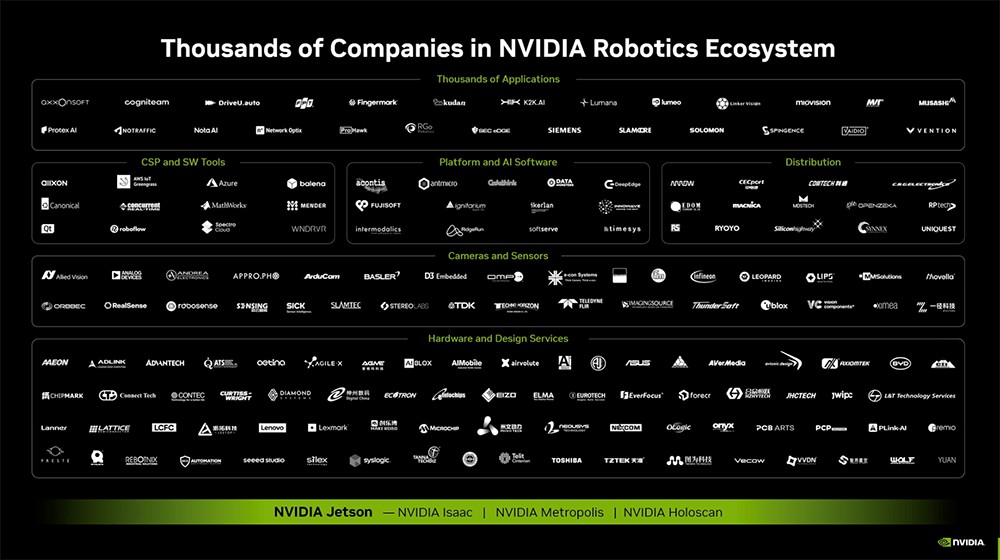
ROBOSENSE's cooperation with NVIDIA has a long-standing and diverse background: previously, ROBOSENSE, as a member of the NVIDIA Omniverse ecosystem, provided high-precision LiDAR models and data for DRIVE Sim, assisting in autonomous driving simulation testing; in the robotics field, ROBOSENSE has been an official partner in the NVIDIA Jetson robotics ecosystem since 2022. ROBOSENSE is the only LiDAR company globally that is simultaneously connected to NVIDIA's three major ecosystems.
This deep cooperation indicates ROBOSENSE's global leading position in advanced perception technology, continuously receiving high recognition from AI and computing giants. The deepening of cooperation between the two parties will promote collaborative innovation in perception and computing layers for autonomous driving and intelligent robotics, accelerating the implementation of safer and more efficient large-scale autonomous driving applications, and jointly shaping the future landscape of intelligent mobility and the automation industry