
 I'm LongbridgeAI, I can summarize articles.
Hu Hong'en, founder of NEU Battery Materials, was reborn after undergoing brain tumor surgery and is now focused on the innovation and globalization of battery recycling technology. His goal for his fourth startup is to scale up electrochemical lithium battery recycling technology and become a solution provider in the international market. Hu Hong'en values his life with family while pursuing ultimate efficiency in his career
If life could only last for seven days, how would you spend it?
Four years ago, this question was posed to 28-year-old Hu Hong'en. He received a diagnosis report of a brain tumor and was scheduled for surgery seven days later, with all fears flooding his mind. "At that time, I felt that I might not wake up after the surgery."
Before that, Hu Hong'en had noticed some blurriness in his vision and frequent headaches. Initially, he thought it was just a matter of incorrect prescription, but the eye examination results were normal. It wasn't until he underwent an MRI scan that the brain tumor was discovered.
At that time, he was preparing to marry his girlfriend of many years, and his startup company, which had been established for less than two years, was at a critical development stage. In those helpless days of prayer, he realized the most important things in life—family, faith, and career.
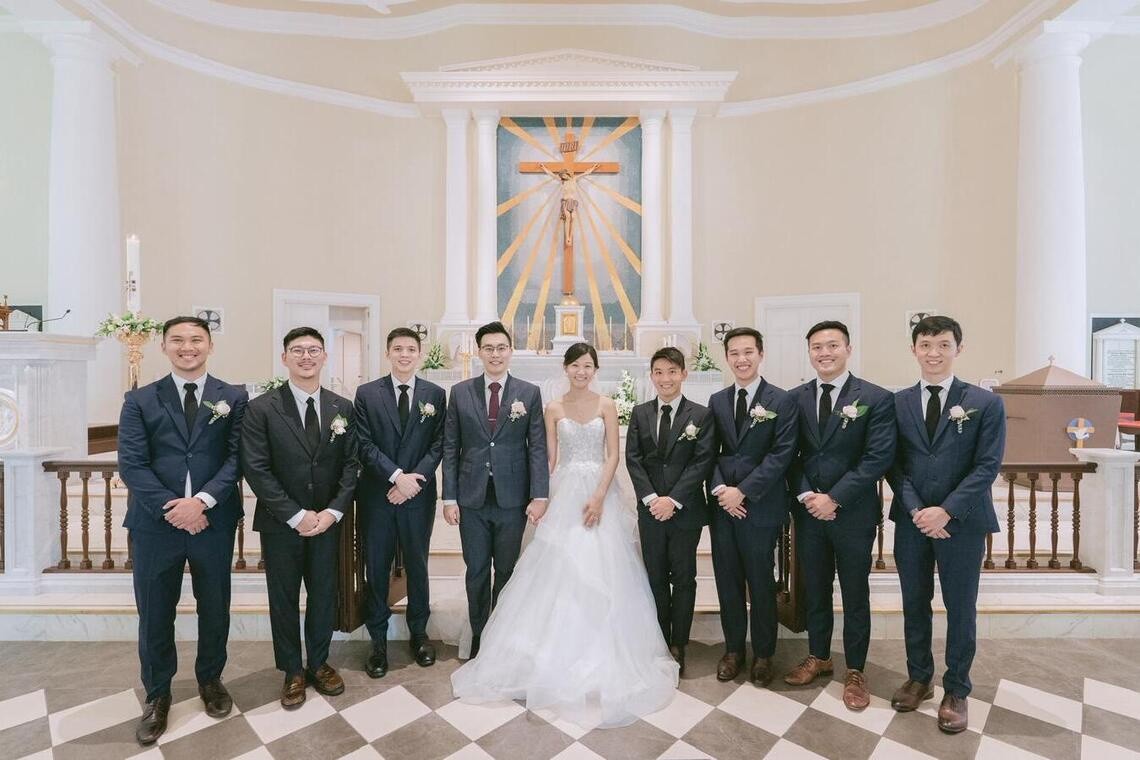
Before Hu Hong'en walked down the aisle with his long-time girlfriend, he had just returned from the brink of death. (Provided by the interviewee)
Today, four years later, Hu Hong'en stands in front of a huge reactor in the factory, introducing to reporters how discarded lithium iron phosphate batteries from electric vehicles react within it and how lithium metal is recovered. "We use electrochemical oxidation-reduction technology. The electrochemical technology utilizes electrolytic cells to extract lithium..."
He has just become a father, the company is about to complete a new round of larger financing, and the equipment in front of him is about to be moved to a larger factory, transitioning from experimental to semi-commercial scale. There are no signs of serious illness on him, except for the occasional mention of the need for lifelong injections or hormone medications.
NEU Battery Materials, a lithium battery recycling technology company, is Hu Hong'en's fourth entrepreneurial venture.
Unlike the previous three times, this time his goals are grand. He aims to scale and commercialize the company's electrochemical lithium battery recycling technology and enter the international market, becoming a global solution provider.
His determination for this career is, to some extent, related to his illness. When "death" comes close, one naturally begins to ponder the meaning of life. Shortly after the surgery, he decided to live with purpose. He asked himself if this career was truly worth sacrificing most of his time for.
The answer is affirmative. He said, "Its goals and mission are extraordinary. Even if I can only slightly push the business forward, it means I can help the world recycle old batteries and make this world a better place, then it is worth the effort."
Secured millions in financing to expand scale
In 2020, Hu Hong'en and co-founder Kenneth Palmer realized that with the popularity of electric vehicles, traditional battery recycling technologies could not effectively handle lithium battery waste, and a large number of used lithium batteries could only end up in landfills, putting pressure on the environment. Therefore, the two decided to delve into the field of battery recycling technology to find sustainable solutions They were introduced to the electrochemical recycling technology being researched by Professor Wang Qing through an entrepreneurship incubation program at the National University of Singapore and decided to commercialize it.
In 2021, NEU Battery Materials was established.
The company focuses on recycling lithium iron phosphate batteries, which currently account for about 40% to 50% of the global market share and are widely used in electric vehicles. However, due to the fact that its recyclable value is mainly concentrated in lithium, the economic feasibility is low, and the industry generally lacks recycling motivation.
Hu Hong'en stated that the company uses proprietary electrochemical oxidation-reduction technology to extract lithium using only water and electricity, avoiding the toxic waste and environmental pollution caused by traditional acid leaching methods. At the same time, it is commercially viable, with recycling costs even lower than those of mining lithium ore to obtain lithium.
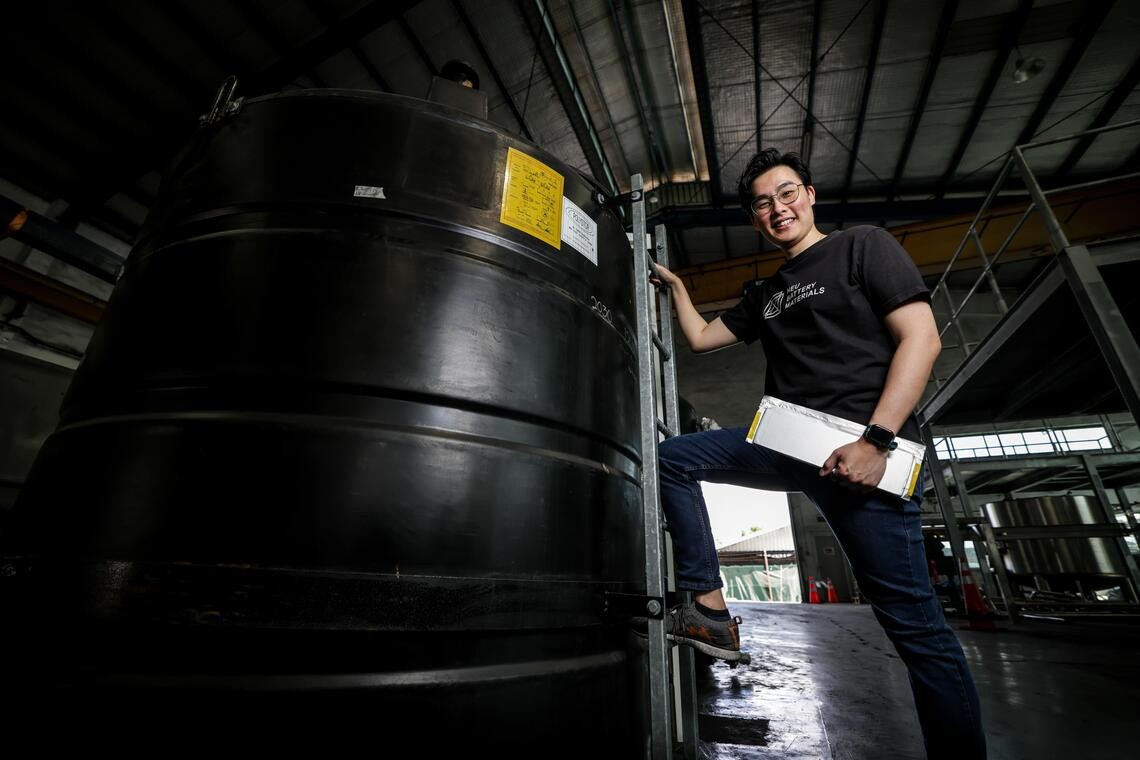
The company is continuously expanding, having upgraded from laboratory equipment to commercial equipment in preparation for commercialization. (Photo by Ye Zhenzhong)
In recent years, the company has been continuously expanding its scale. Initially, reactions were conducted at a laboratory scale, with electrolytic cells only about the size of a palm, later developing to a medium experimental scale, with operational space equivalent to that of a conference room. After validating the feasibility of the technology and concept, it upgraded to commercial equipment to meet large-scale applications.
Several important financing rounds have continuously driven this process. The first investment came from Temasek Foundation, followed by approximately SGD 800,000 in seed funding from institutions such as SMRT in 2022, and in 2023, it secured approximately USD 3.7 million (about SGD 4.75 million) led by the Singapore government’s venture capital fund, SGInnovate.
Hu Hong'en revealed that the company is currently undergoing a new round of financing, "larger than previous rounds." This funding will be used to build semi-commercial facilities, expand production capacity, and prepare to showcase processes to international clients for future commercialization.
Choosing Entrepreneurship to Solve Problems
The establishment of NEU Battery Materials is related to Hu Hong'en's previous entrepreneurial venture.
During the COVID-19 pandemic in 2020, a media photo showed empty supermarket vegetable shelves, prompting him to think about building a farm to alleviate supply shortages. Thus, he and Palmer researched, designed, and perfected the planting process, building a rooftop farm in Bayley Bar and quickly selling vegetables to nearby residents.
That was Hu Hong'en's first foray into the field of sustainability, where they built a system to collect sunlight and rainwater for planting. When the battery recycling industry came into view, a larger picture unfolded before him. The previously built farm was only to support local residents, at most supporting Singapore, but developing a new battery recycling technology meant the potential to have a global impact.
He knew that such opportunities are hard to come by for many people in a lifetime. "We will face greater pressure and expectations, but it also gives us the chance to change the world, which is worth the risk." Hu Hong'en is no stranger to entrepreneurship. For him, the essence of entrepreneurship is "solving a problem." He has enjoyed solving problems since he was young; solving a math problem as a child would excite him. In college, he started doing small businesses, selling imported laptop stickers to help his classmates solve problems. He said, "Every industry has its challenges. If you find a solution, you have an opportunity."
In 2019, he graduated from the National University of Singapore with a degree in business. During his university years, he interned as a consulting consultant at a consulting firm, but he quickly realized that his true passion lay in entrepreneurship. "I want to be someone who drives company growth, promotes change, and makes an impact, rather than working for a company."
After graduation, he engaged in portable storage locker manufacturing, founded a laser cutting company, and later started a rooftop farm. Some of these ventures failed, and while some made a bit of money, they cannot be considered commercial successes.
He said he rarely feels anxious and has never thought, "If this fails, I'll find a job." He believes he can do much more than that, and working for someone else would limit his potential.
"In the past six years, there have been very few moments when I imagined what it would feel like to have a job and receive a salary."
The thought of going to a company to develop, manage, or deliver products, and following a routine in a position, frustrates him.
During these years of entrepreneurial ventures, he has solved various problems, both big and small. However, this time, the problem he needs to solve is somewhat difficult.
In the first year of planning to do battery recycling, without a background in chemistry, he immersed himself in learning technical knowledge out of "fascination with science" to understand the industry landscape. Co-founder Palmer was busy with laboratory work, university project handovers, and technology development.
In addition to technology, another challenge of this startup is funding.
Further Reading
Early Figures: Battery Scientist Meng Ying in the U.S. - Returning to Singapore with Achievements to Give Back to the People of Singapore Early Figures: AvePoint Co-founder Jiang Tianyi - Knowledge Changes Destiny, Survived 9/11 and Got a Boost The first three companies founded by Hu Hong'en were all self-funded. But this time, the required amount of funding is enormous, making it impossible to start on his own. Several rounds of financing have provided the conditions for the company to grow rapidly, but they have also brought more pressure and challenges to the helm.
Entrepreneurs often face life-and-death situations, and he remains clear about this. "A brand new technology, which has never been fully validated on a commercial scale, certainly carries the possibility of failure, and I must accept the existence of this risk."
He continued, "As the founder, my job is to reduce the ratio of risk to opportunity. At every stage, from financing to scaling up, the risks are being reduced."
He recalled that when the company was at the laboratory scale, he and the team did not know whether it was feasible, whether they could develop a product, or whether the market would be interested, so the risks were very high. "The goal at every step is to reduce risk."
Regarding how to manage risk, he demonstrates a level of restraint and discipline beyond his years. For example, he sets strict annual and operational plans for the company, establishes goals for the team, requires team members to stay aligned, and conducts quarterly reviews to reflect on achievements and shortcomings.
He said that as a manager, he needs to continuously improve and enhance himself to keep up with external expectations for a global company. The company hired a coach to help the management team, including him and Palmer, clarify their thoughts, develop strategies, and consider future operational methods, of course, also to help the two entrepreneurial partners understand each other and resolve differences.
Hu Hong'en and Palmer met on campus; Hu has a business background while Palmer comes from an engineering background. The two have fought side by side for many years and will appear together on Forbes' 2024 Asia "30 Under 30" list.
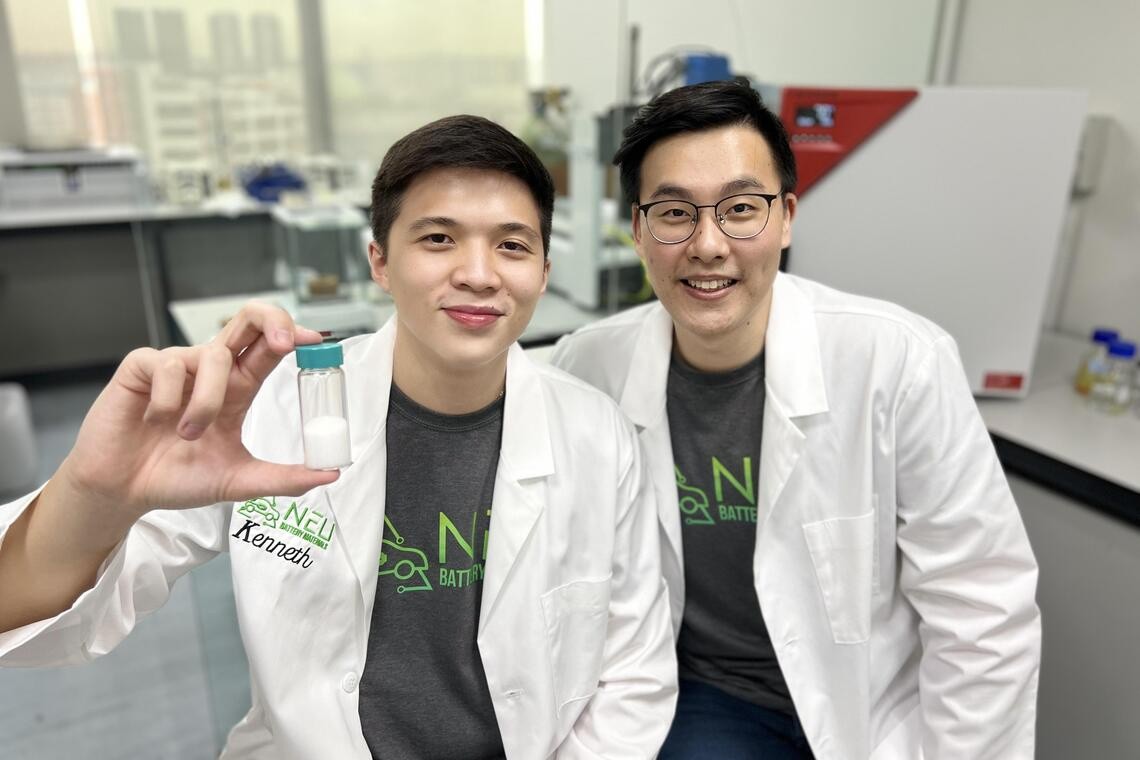
Palmer (left) and Hu Hong'en met on campus; Hu has a business background while Palmer comes from an engineering background. The two have fought side by side for many years and will appear together on Forbes' 2024 Asia "30 Under 30" list. (Provided by the interviewee)
They have many tacit understandings and similarities, being partners who "spend more time together than with their wives," but their personality differences occasionally lead to tension and conflict.
The two have different styles in managing the team. Hu Hong'en pursues extreme efficiency, hoping to get things done as quickly and efficiently as possible. Palmer also appreciates this, but only if it ensures that the opinions of team members are taken into account.
A serious boss is learning to express emotions
Hu Hong'en analyzes himself this way: "I must admit that sometimes I choose efficiency over the team, especially under pressure. So, when quick decisions need to be made, saying 'I want to achieve this' is easier than 'let's grow together and then achieve the goal.'"
In his view, his personality and traits lean more towards logical thinking, and expressing emotions does not come as naturally.
He said this is an issue he is working on with his coach, including how to incorporate emotions into conversations and how to ask questions like "How do you feel?" during discussions with the team When asked if he considers himself a strict boss, Hu Hong'en smiled. He did not deny it, but quickly corrected himself with a more appropriate term—“serious.”
He understands the source of this “tension” within himself.
“I am very grateful for this entrepreneurial opportunity and for being able to raise funds to seize it. We need to make the most of these opportunities, which means making some tough decisions along the way. We can't just say, ‘Let's split the money,’ and end up with nothing.”
He stated that he does not have a strong desire for success and fame, but hopes to be true to himself in entrepreneurship, not letting down his team, co-founders, and shareholders. Making money is important, but it is not the only answer.
Throughout the interview, he repeatedly mentioned the word “goal,” believing it better explains his motivation than “ambition.” The current company goal he has set is to showcase his technology in Europe and North America and explore how to use commercial equipment to build large recycling plants near partners, becoming a global solution provider.
Brain Tumor as a Gift of Life: There is No Such Thing as Healing
Outside of NEU Battery Materials, Hu Hong'en's most important life goal is to establish a non-profit organization to help people with pituitary diseases and raise awareness about pituitary function and diseases.
His experience with illness has changed his life. Two surgeries, a year of rest, and lifelong medication. He said that although everything seems normal, there is no such thing as healing, and he will never be able to say, “Okay, I'm back to my old self.”
Realizing Family and Faith are Most Important
These words were spoken in an extremely calm tone. He smiled and said he no longer feels bitterness. He took some time to accept his current self and not compare it to the past, which helped him overcome all fears and sadness.
He described his illness as “a precious gift.” When people are nearing the end of life, they reflect on their lives and cherish the important people and things; he learned this important lesson in his twenties.
During the seven days waiting for surgery, he realized that family is the most important and further confirmed the power of faith. He decided to live with purpose, engage in meaningful work, and also take time to enjoy life with important people.
Every important choice Hu Hong'en made growing up received support from his parents.
He attended St. Stephen’s School as a child. After graduating from elementary school, instead of following the usual path of government secondary school and junior college, he entered St. Joseph International School, being one of the first students there. He said that he did not perform well in the traditional education system, so his father encouraged him to try an international school.
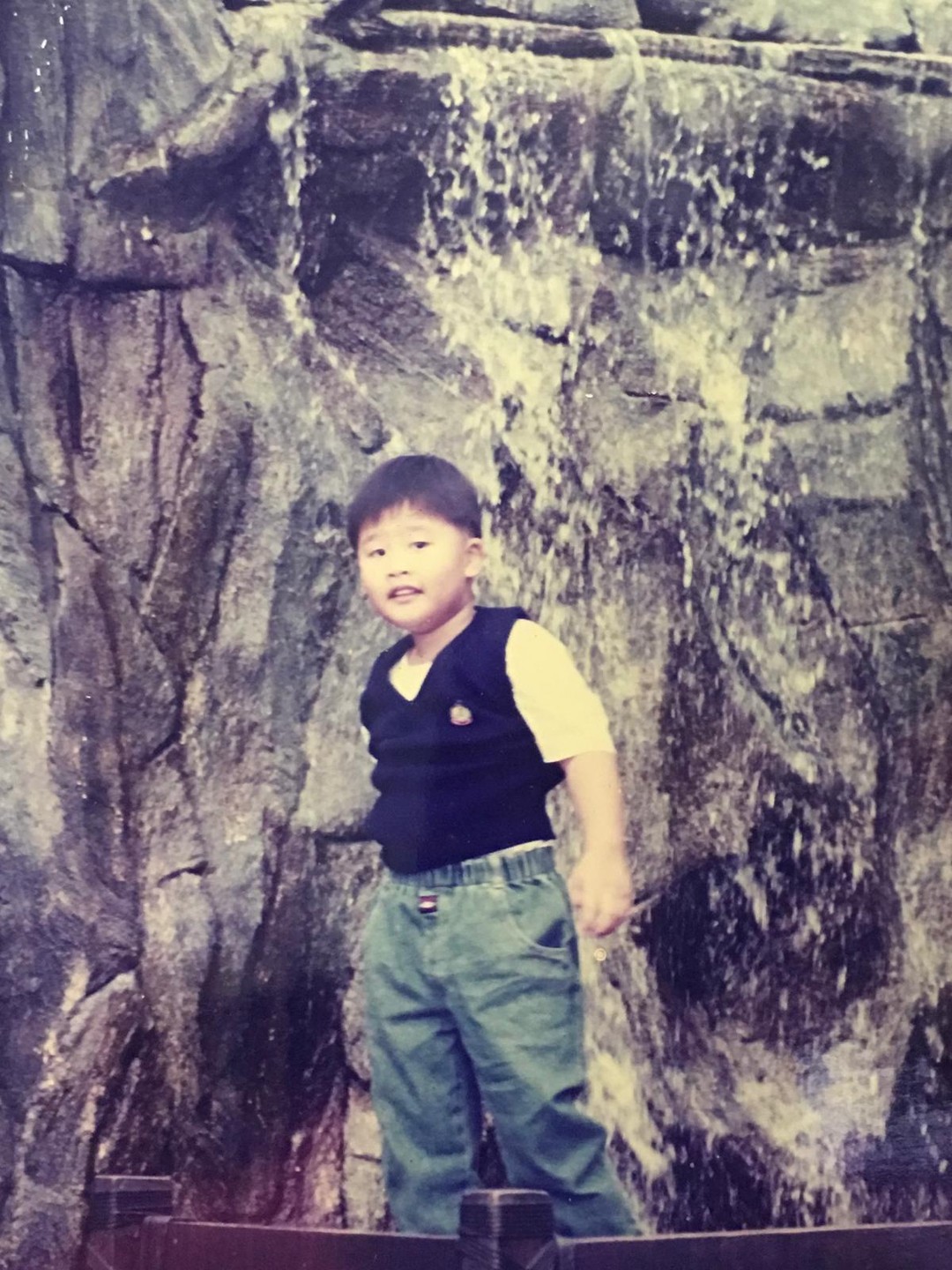
Hu Hong'en said he has never studied to get A's, but rather out of a love for exploring knowledge. (Provided by the interviewee) This is relatively luxurious for him, as his family is only slightly better off than average. During that time, he participated in seven extracurricular activities, exposed to different cultures, and had the opportunity to learn about business operations, planting the seeds for future entrepreneurship.
He said he was not "studying hard to get A's and then following some life plan," but was driven entirely by passion.
After graduating from high school, while his classmates went off to various parts of the world, he chose to stay in Singapore to attend university. Without A-level results, he could not enroll directly, so he went through several rounds of interviews to enter the National University of Singapore's Business School. He viewed the bumpy admission experience as a training in "problem-solving." By university, he was determined to become a successful entrepreneur.
A Hobby in Winemaking Helps Him "Slow Down"
He met his wife, Yao Xuan, on campus; she is now a commodities analyst who has supported him throughout his entrepreneurial journey and accompanied him through health setbacks. After a long courtship, they married, and six months ago they welcomed a son. He said his son is a blessing and gives him more motivation to bring positive changes to the world through his career. He is now striving to find a balance between work and family.
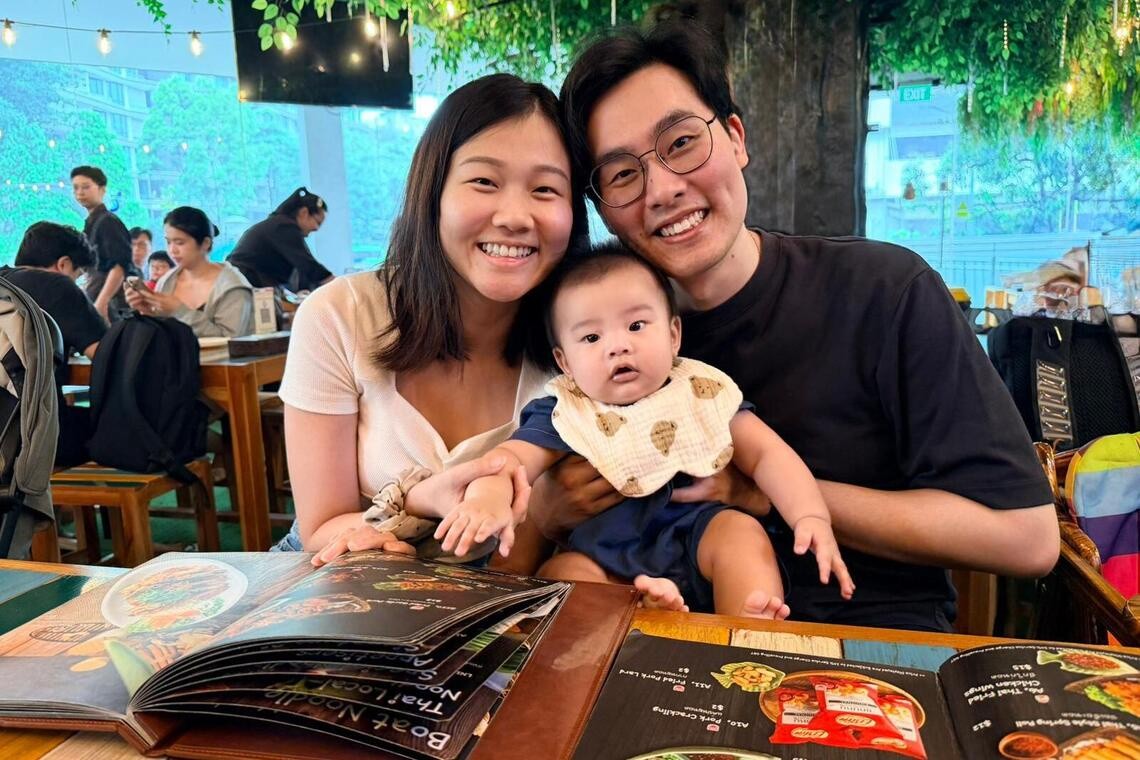
Hu Hong'en met his wife Yao Xuan on campus; she has supported his entrepreneurial journey and accompanied him through health setbacks, and their son was born six months ago. (Provided by the interviewee)
When talking about his expectations for his son, he hopes that, like him, he will not only learn textbook knowledge but also understand life itself.
After experiencing a brain tumor, he cherishes ordinary life even more. Amid the pressures of work, his hobbies are almost all things that allow him to "slow down." One particularly special hobby is brewing wine with honey; he even designed a logo for his wine, which he affixed to bottles filled with golden-orange liquid.
The brewing process is quick, but it requires a three-month wait for fermentation. He said he has waited three months this time and can finally taste what he made. "It taught me to be patient and not to overthink."