
 I'm LongbridgeAI, I can summarize articles.
Boeing has bundled its unmanned aviation and air traffic control technology divisions—Wisk, SkyGrid, and Insitu—and sold them to flying taxi developer Archer Aviation in exchange for approximately a 20% equity stake, while retaining licensing rights to core autonomous flight technologies. This move represents both a strategic streamlining for Boeing to focus on its core business and a reinforcement of Archer's technological capabilities and capital strength. The news spurred Archer's stock price to surge as much as 23% during intraday trading
Boeing is bundling the sale of several of its advanced aviation technology divisions to create strategic room needed to focus on its core business.
According to a joint statement released by both parties on Monday, Boeing will sell its Wisk, SkyGrid, and Insitu divisions to California-based flying taxi developer Archer Aviation. These divisions specialize in the design and manufacturing of unmanned aircraft and the development of air traffic management systems, respectively.
As part of the transaction, Boeing will acquire approximately a 20% equity stake in Archer and reach a technology-sharing agreement with the latter, retaining usage rights to Wisk's core autonomous flight technology for its existing and next-generation commercial and defense aircraft projects.
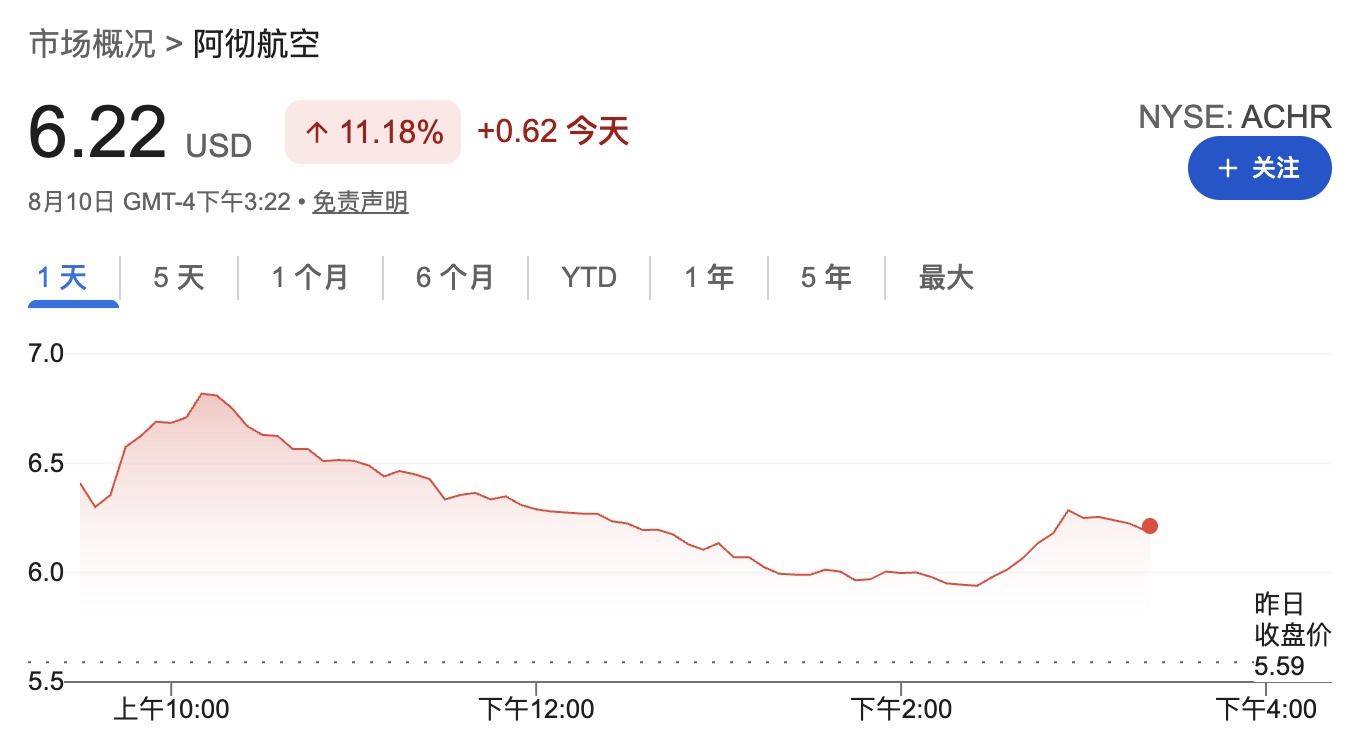
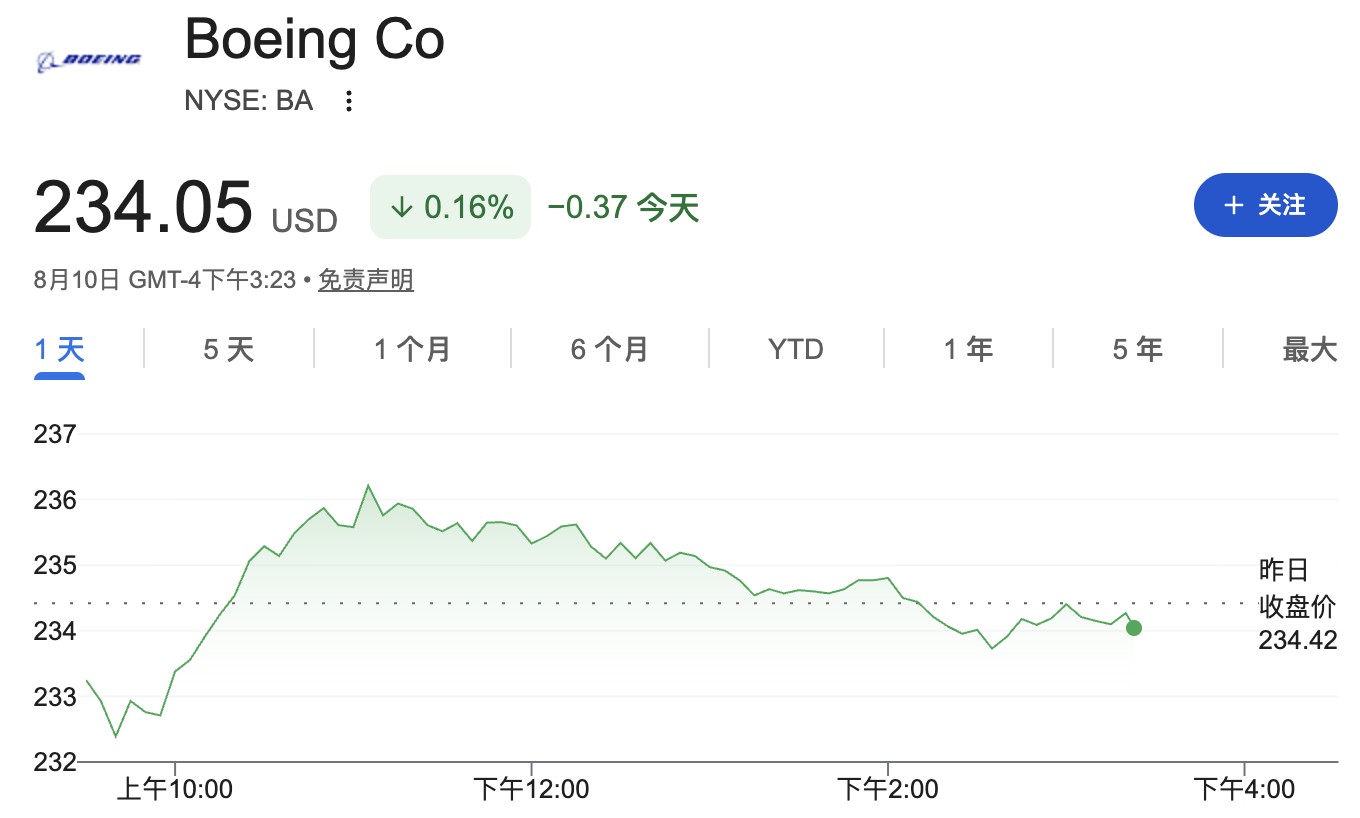
The news spurred Archer's stock price to rise as much as 23% at its intraday high before pulling back slightly; as of press time, it maintained a gain of approximately 11%. Boeing's stock price remained largely flat.
George Ferguson, an analyst at Bloomberg Industry Research, pointed out in a research report that this acquisition "will accelerate Archer's strategic positioning in the fields of autonomous flight and artificial intelligence, while reshaping its shareholder structure," and may give Archer an advantage over its competitor Joby Aviation.
Boeing Streamlines to Focus, Divesting Non-Core Assets
This divestment is a continuation of Boeing's strategy to revitalize its core business. The century-old aviation giant has recently been mired in quality issues and management turnover, and is concentrating resources to reorganize its core commercial and defense businesses. Competitor Airbus also paused its flying taxi-related R&D plans last year.
Boeing became the sole owner of Wisk in 2023. Originating from the Google ecosystem, Wisk is a startup focused on autonomous flying taxis. Boeing's investment at the time aimed to leverage Silicon Valley to position itself in the future autonomous flight sector.
Now, transferring Wisk along with SkyGrid and Insitu marks Boeing's complete exit from this strategic footprint—but through the technology-sharing agreement, Boeing can still apply Wisk's autonomous flight technology to its commercial and defense platforms, strategically retaining the technological benefits.
Archer: One of the Few Survivors After eVTOL Industry Reshuffling
The electric vertical takeoff and landing (eVTOL) aircraft sector where Archer operates is currently undergoing industry consolidation.
After the pandemic, a large number of eVTOL companies went public via the Special Purpose Acquisition Company (SPAC) wave, only to drop out one after another after burning through billions of dollars in R&D funds. Archer is one of the few developers that have remained in the market.
Injecting Boeing's assets into Archer is expected to strengthen its competitive position in terms of technological capabilities and capital strength, placing it in a more favorable position in its rivalry with Joby Aviation. Joby currently has a partnership with L3Harris Technologies.
However, FAA airworthiness certification for Archer's flagship model, Midnight, is not expected to be secured until next year at the earliest, meaning its commercialization process still faces constraints regarding the time window.
Policy Tailwinds Boost Industry Expectations
Progress at the regulatory and policy levels has provided certain support for the eVTOL industry.
In an executive order issued in 2025, the Trump administration listed eVTOL testing as a priority of the "U.S. Drone Dominance" strategy. Earlier this year, the FAA launched an eVTOL integration pilot project, conducting trial operations of advanced air mobility vehicles at eight locations across the United States.
Clear signals at the policy level have, to some extent, boosted market expectations for the commercial prospects of eVTOLs, providing a favorable external environment for Archer to expand its scale and accelerate R&D through this transaction.