
Cold Wallet Attack Sparks Self-Custody Concerns, Funds Shift to Institutional Products, Bitcoin ETF Weekly Inflows Hit 4-Month High
 I'm LongbridgeAI, I can summarize articles.
Last week, U.S. Bitcoin ETFs recorded over $850 million in inflows, marking their strongest weekly performance since April. The trigger for this surge was a hack on Coldcard wallets under Canada's Coinkite, resulting in the theft of approximately $130 million worth of Bitcoin. This incident has shaken confidence in cold wallet security, prompting some investors to turn to institutional products for BTC exposure
The security breach involving Bitcoin cold wallets has triggered a chain reaction in the cryptocurrency market, with investors shifting their focus toward regulated Wall Street products.
Last week, U.S.-listed Bitcoin exchange-traded funds (ETFs) recorded over $850 million in inflows, marking their strongest weekly performance since April.
The catalyst for this influx of capital was a cyberattack on Coldcard wallets operated by Canada's Coinkite, which resulted in the theft of approximately $130 million worth of Bitcoin. Eric Balchunas, an analyst at Bloomberg Intelligence, stated that this attack could make spot Bitcoin ETFs more attractive to certain investors, including long-term holders.
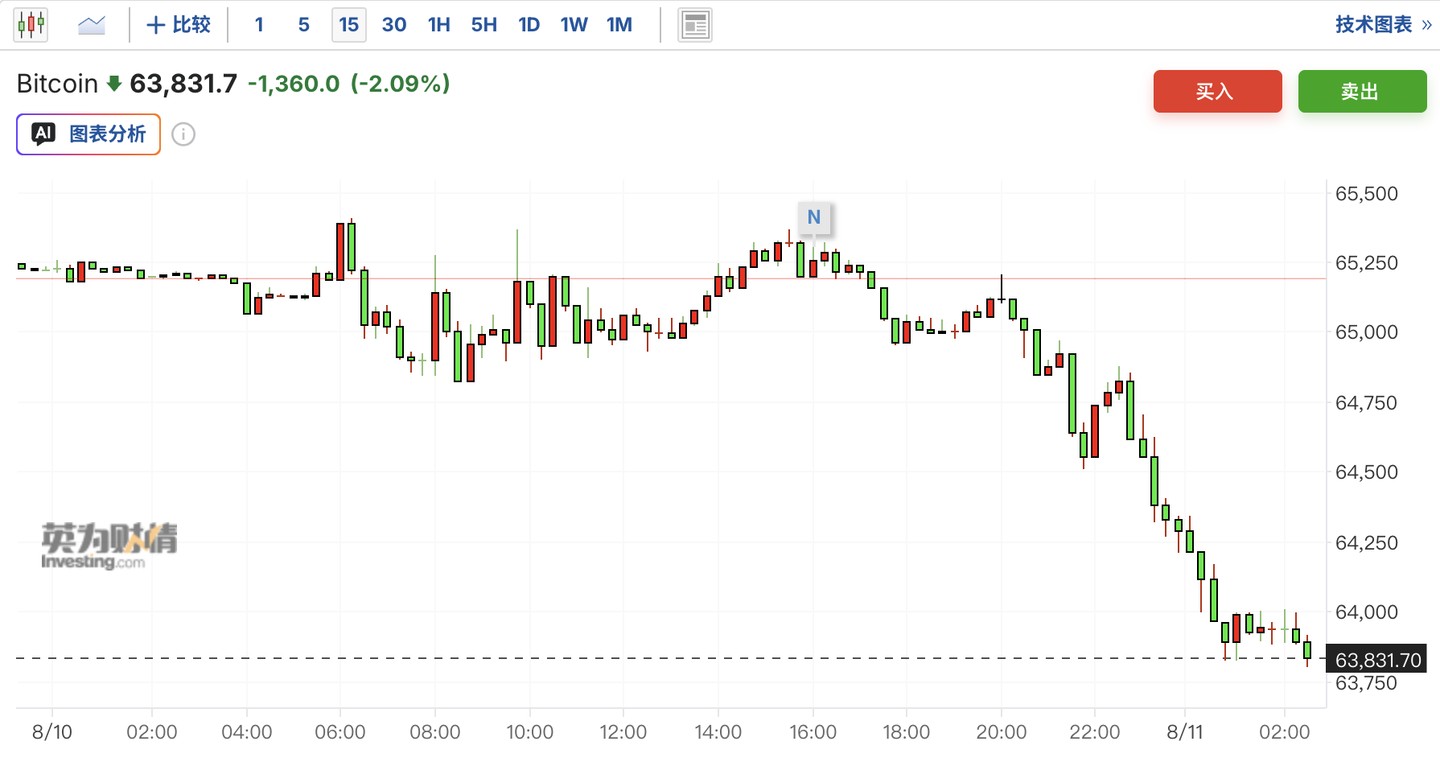
Notably, this round of ETF inflows did not coincide with a significant rebound in Bitcoin prices. Bitcoin fell more than 2% to $63,830 on Monday, continuing its narrow trading range between $60,000 and $67,000 since June, and representing a cumulative decline of about 50% from its historical high last October.
The "Myth" of Cold Wallets Shaken
Cold wallets have long been regarded as one of the safest methods for storing digital assets.
These physical devices remain offline, granting holders the authority to execute cryptocurrency transactions via private keys. Their physical isolation from the internet theoretically provides strong resistance against cyberattacks.
However, the Coinkite incident has shattered this conventional wisdom.
It is reported that a defect in specific versions of Coinkite's firmware made the security information used by some wallets far more predictable than expected. This allowed attackers to seize control of affected wallets and steal Bitcoin without ever physically accessing the Coldcard devices.
"We are working diligently to assist affected customers," Coinkite said on Thursday.
Investors Shift to Institutional Products
The surge in ETF demand is particularly notable because it occurred amid a lack of upward momentum in coin prices, indicating that the driver is a structural asset shift rather than rising speculative sentiment.
Rajiv Sawhney, Head of International Portfolio Management at Wave Digital Assets, believes this trend suggests that "marginal Bitcoin is migrating from self-custody to institutional products, thereby becoming locked, allocated supply."
Bitcoin ETFs provide investors with a channel to gain exposure to Bitcoin prices without the need to personally hold or custody tokens, whereas self-custody has historically been a key symbol distinguishing cryptocurrency holders from the traditional financial system.
Regulatory Framework Offers Relative Safety Margin
Shifting to ETFs does not mean risks are entirely eliminated.
Crypto custodians for ETFs are also susceptible to security breaches, and investors consequently relinquish the direct control over their Bitcoin holdings—a concern that has kept many wary given the frequent exchange collapses, bankruptcies, and fraud incidents in the cryptocurrency industry over the years.
Nevertheless, the regulated institutional framework offers a certain degree of differentiated protection.
Eric Balchunas pointed out, "If an ETF custodian is attacked, there is no guarantee that investors will not suffer losses, but such an event would likely trigger immediate regulatory scrutiny and law enforcement investigations."
He believes this may give some investors greater confidence when entrusting their Bitcoin exposure to large financial institutions. These major institutions typically employ dedicated security teams and implement extensive protective measures to safeguard client assets, creating a clear disparity compared to the security capabilities of individual self-custody.