
AI Tech Stocks Lead Asian Market Rally, South Korean KOSPI Surges 5%, Oil Prices Extend Gains, US CPI Becomes Key Variable
 I'm LongbridgeAI, I can summarize articles.
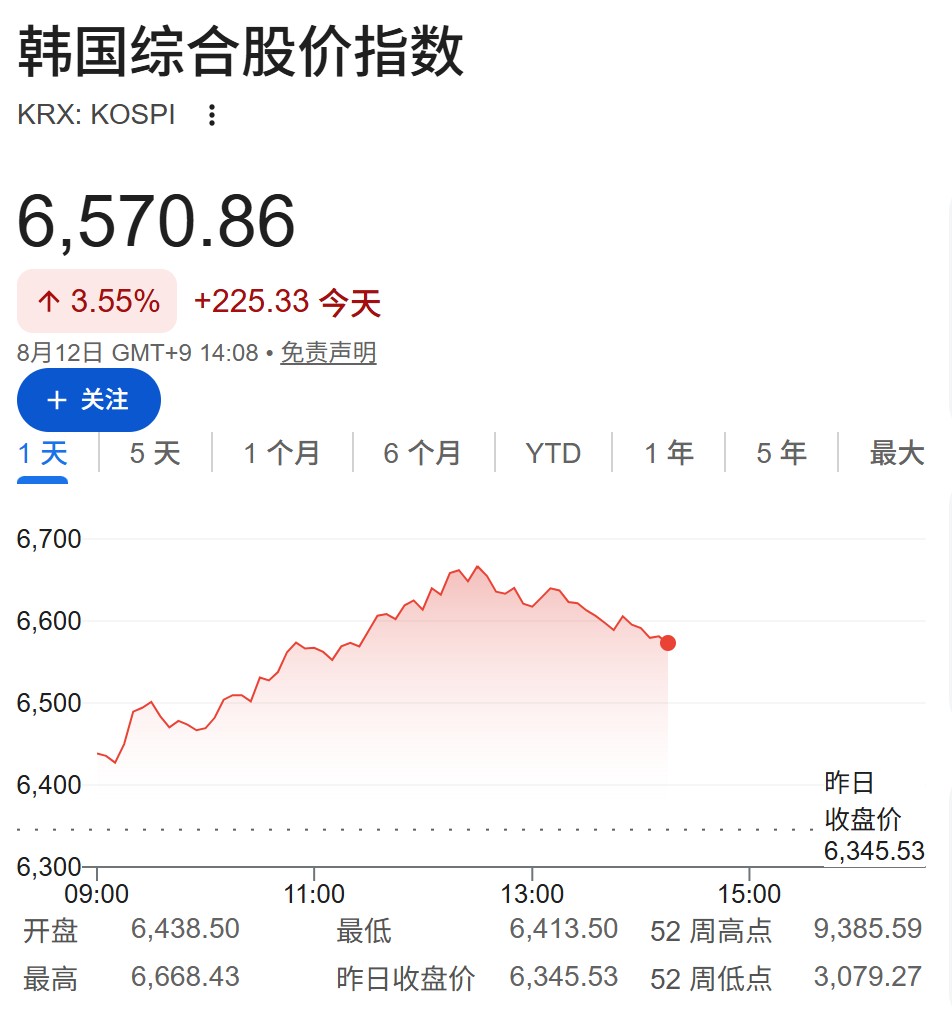
Boosted by strong earnings reports from AI tech stocks, Asian stock markets rose broadly on Wednesday. The South Korean KOSPI index surged 5%, led by Samsung Electronics and SK Hynix. US stock futures also rose in tandem, with CoreWeave and Super Micro Computer jumping in after-hours trading. Stalemate in the Middle East pushed Brent crude oil up for the sixth consecutive day to $89.45 per barrel. Market focus has shifted to the upcoming US CPI data, the results of which will influence expectations for the Federal Reserve's September policy decision and the trajectory of the US dollar
Strong earnings reports from tech stocks have reignited enthusiasm for AI trades, driving broad gains across Asian stock markets on Wednesday, while US stock index futures rose in tandem. Meanwhile, the ongoing stalemate in the Middle East pushed oil prices higher for the sixth consecutive day, with investors keeping a close eye on the US inflation data scheduled for release later in the day.
The Korea Composite Stock Price Index (KOSPI) expanded its gains to 5%, with Samsung Electronics and SK Hynix both rising more than 8%, serving as the core drivers of this rebound. AI cloud infrastructure company CoreWeave surged 16% in after-hours trading, and Super Micro Computer rose 7.6%, as both delivered better-than-expected results, lifting Nasdaq 100 index futures by 0.3%. The MSCI Asia Pacific Stock Index rose 0.7% overall, the Asian technology stock sub-index climbed 2.6%, and the regional chip stock benchmark index gained 1.8%.
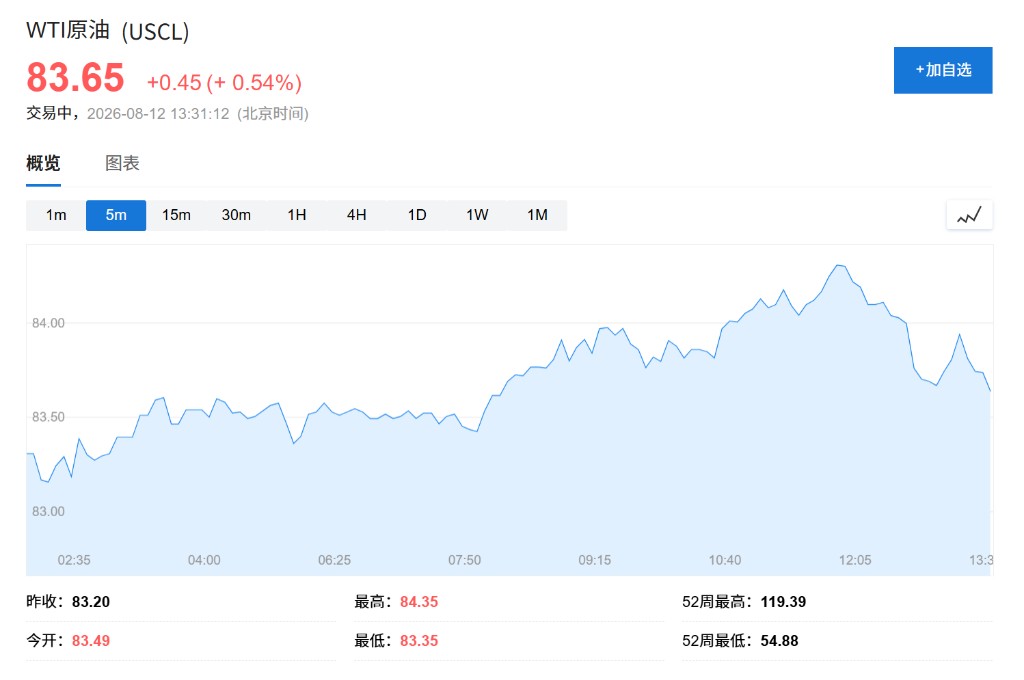
In the oil market, Brent crude rose 0.6% to $89.45 per barrel, extending its six-day winning streak—the longest consecutive rise since April this year. The stalemate in US-Iran negotiations was the main driver, with geopolitical risk premiums continuing to support the crude oil market.
OCBC strategists, including Moh Siong Sim, wrote in a report: "Today's inflation data could be crucial for pricing in the September FOMC meeting, while the US dollar's range-bound pattern continues to favor carry trades."
- The Korea Composite Stock Price Index (KOSPI) expanded its gains to 5%, with Samsung Electronics and SK Hynix both rising more than 8%.
- S&P 500 futures rose 0.1%. Nasdaq 100 index futures rose 0.3%.
- The USD/JPY exchange rate hovered around 159.40, approaching the key integer level of 160.
- The yield on the 10-year US Treasury note remained largely stable at 4.69%.
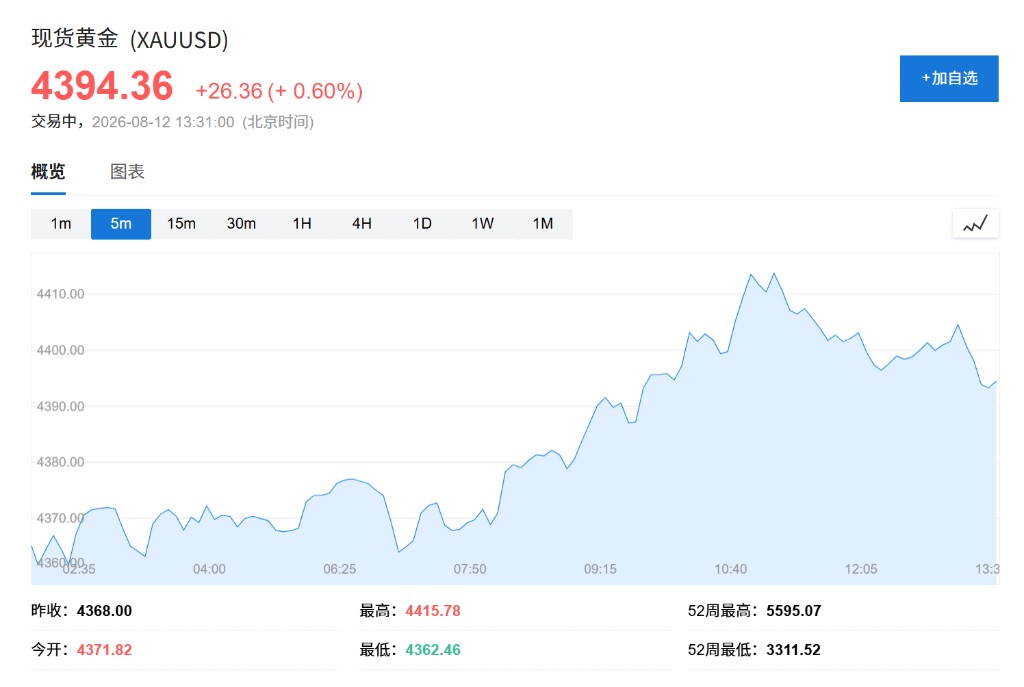
- Gold rebounded from Tuesday's decline, rising 0.7% to approximately $4,400 per ounce.
- Brent crude rose 0.6% to $89.45 per barrel, extending its six-day winning streak.
- Bitcoin rose 0.1%, trading at $63,772.65.
AI Earnings Boost, South Korean Chip Stocks Lead Asian Market Rally
The earnings season for technology companies is becoming the core catalyst for this rebound. CoreWeave's strong revenue growth indicates sustained robust spending on AI infrastructure, while Super Micro's revenue guidance also exceeded market expectations. These two developments jointly boosted investor confidence in AI tech trades.
As an important barometer for AI investment, the South Korean KOSPI index saw continued market attention on the shareholder return policies of Samsung Electronics and SK Hynix. This, coupled with media reports regarding investment plans by Singapore's Temasek Holdings, lifted overall market sentiment.
"The earnings season so far has provided a certain degree of comfort, especially regarding tech trades," Christina Woon, portfolio manager at Eastspring Investments, said in an interview with Bloomberg Television.
Kinger Lau, Chief China Equity Strategist at Goldman Sachs, also pointed out in an interview with Bloomberg Television: "Earnings will be key. The outperformance of the internet sector in July was mainly driven by valuation repair, but now it is time to refocus on earnings themselves."
Middle East Negotiation Stalemate, Oil Prices Rise for Sixth Consecutive Day
The crude oil market continued its strength, with the core logic being the lack of breakthrough in US-Iran negotiations over the Strait of Hormuz. Although the Pakistani Defense Minister stated that the two countries were "close to some kind of agreement," the positions of both the US and Iran appear to have hardened, casting a shadow over the prospects for negotiations.
"As time passes and issues remain unresolved, market anxiety is steadily rising. Traders are increasingly concerned that the conditions proposed by both sides will only add complexity, thereby reducing the likelihood of reaching a viable agreement in the near term," Tim Waterer, Chief Market Analyst at KCM Trade, wrote in a research report.
News last week suggested that negotiations were on the verge of a breakthrough, leading to a rise in risk assets. The subsequent fade in optimism, combined with rising oil prices and broader uncertainty, has kept investors generally cautious ahead of the inflation data release.
US CPI Becomes Key Variable, Fed Path Tested Again
The US July CPI data, scheduled for release later on Wednesday, has become the most closely watched macroeconomic event in the current market. According to a Bloomberg survey of economists, the July CPI is expected to rise 0.1% month-on-month, following a 0.4% decline in the previous month. Bloomberg noted that pressure from energy prices, which intensified significantly in the initial months after the outbreak of war involving Iran, is expected to ease gradually as the situation evolves.
If the inflation data comes in lower than expected, it will help alleviate market concerns about the Federal Reserve's policy direction—three Federal Open Market Committee members already voted in favor of a rate hike at the July monetary policy meeting.
OCBC strategists, including Moh Siong Sim, wrote in a report: "Today's inflation data could be crucial for pricing in the September FOMC meeting, while the US dollar's range-bound pattern continues to favor carry trades."
Furthermore, the USD/JPY exchange rate hovered around 159.40, approaching the key integer level of 160. The market is closely watching whether Japanese authorities will intervene in the foreign exchange market again. The US dollar weakened broadly against other G10 currencies, the yield on the 10-year US Treasury note remained largely stable at 4.69%, and gold rebounded from Tuesday's decline, rising 0.7% to approximately $4,400 per ounce.
Risk Warning and Disclaimer
The market involves risks, and investment should be approached with caution. This article does not constitute personal investment advice, nor does it take into account the specific investment objectives, financial status, or needs of individual users. Users should consider whether any opinions, views, or conclusions in this article are suitable for their specific circumstances. Investors bear full responsibility for their own investment decisions.