 I'm LongbridgeAI, I can summarize articles.
U.S. Treasuries faced sustained selling pressure, compounded by rising oil prices and escalating geopolitical tensions, leading to a simultaneous weakening of global bond and equity markets. The MSCI Asia Pacific Index fell 0.8%, the Nikkei 225 dropped 2%, and the Korea Composite Stock Price Index (KOSPI) extended its decline to 2%, with Samsung Electronics falling more than 2%. The yield on the 30-year U.S. Treasury note climbed to 5.32%, reaching its highest level since June 2007
U.S. Treasuries faced sustained selling pressure, compounded by rising oil prices and escalating geopolitical tensions, leading to a simultaneous weakening of global bond and equity markets.
The yield on the 30-year U.S. Treasury note climbed to 5.32%, reaching its highest level since June 2007. The yield on Japan's 30-year government bonds rose 6 basis points to 4.135%. Meanwhile, Trump stated he had no intention of extending the expiring U.S.-Iran agreement, tightening tensions in the Middle East again. Oil prices subsequently rose, further reinforcing market concerns about persistently high inflation.
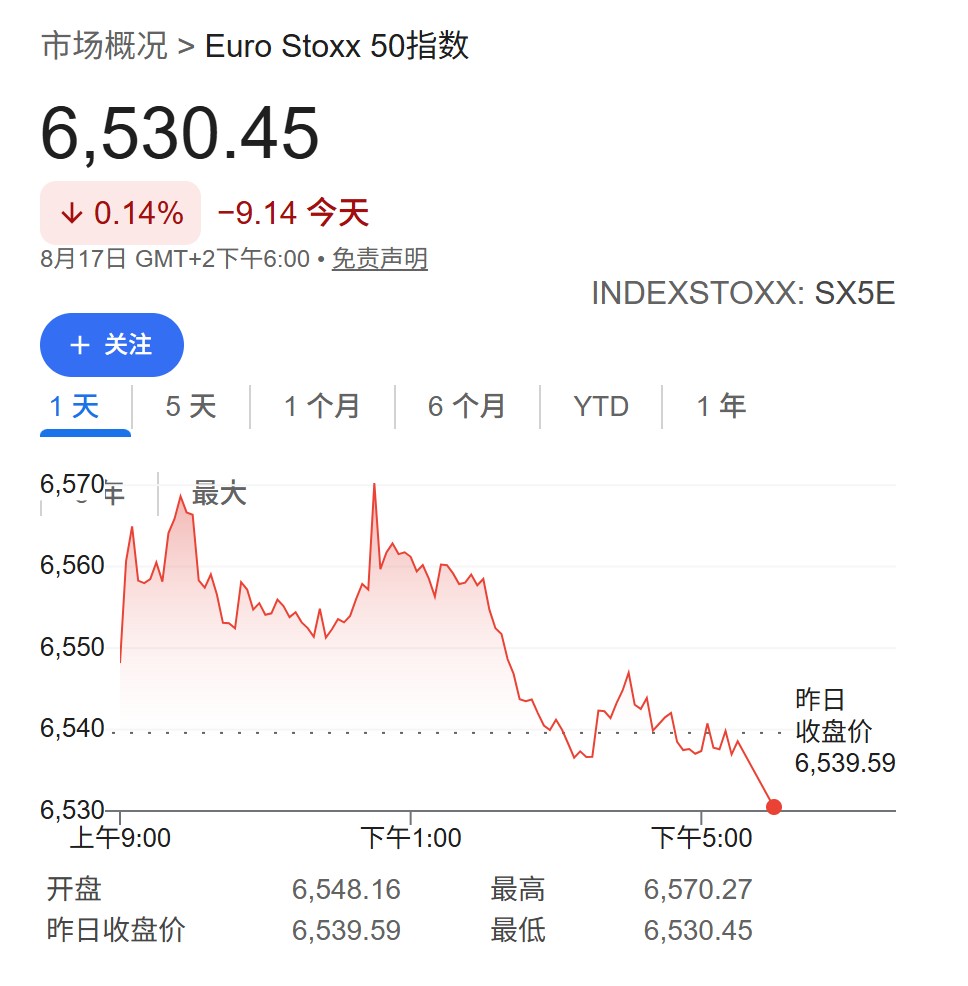
Asian stocks fell across the board. The MSCI Asia Pacific Index dropped 0.8%, the Nikkei 225 fell 2%, and the KOSPI extended its decline to 2%, with Samsung Electronics dropping more than 2%. Nasdaq 100 Index futures slipped 0.7%, while European Stoxx 50 Index futures declined 0.14%.
Yardeni Research warned that investor concerns over rising government debt are intensifying. The market is paying increasing attention to the surge in borrowing by hyperscalers and questioning whether the Federal Reserve can maintain sufficient vigilance against inflation if oil prices rise again.
- The Nikkei 225 fell 2%, the KOSPI extended its decline to 2%, and Samsung Electronics dropped more than 2%.
- Nasdaq 100 Index futures slipped 0.7%, and European Stoxx 50 Index futures declined 0.14%.
- The U.S. dollar rebounded slightly, having previously fallen to its lowest level since May on Monday.
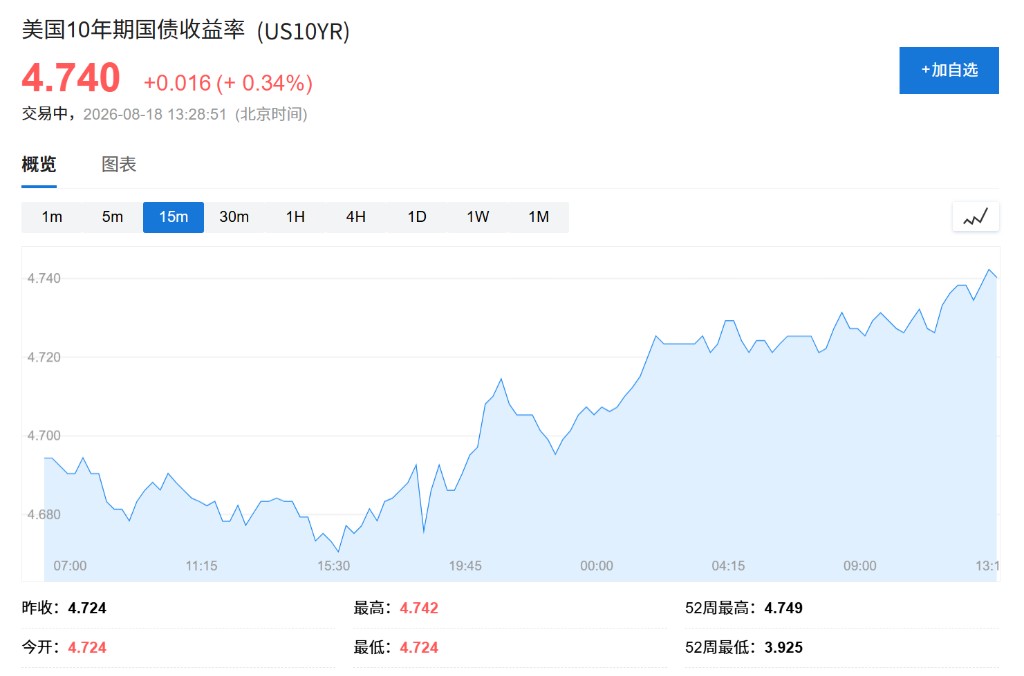
- The 10-Year Treasury Yield rose 1 basis point to 4.73%, continuing the previous day's gain of 3 basis points.
- The yield on Japan's 30-year government bonds rose 6 basis points to 4.135%. The yield on Japan's 5-year government bonds continued its downward trend, falling 2 basis points to 2.14%.
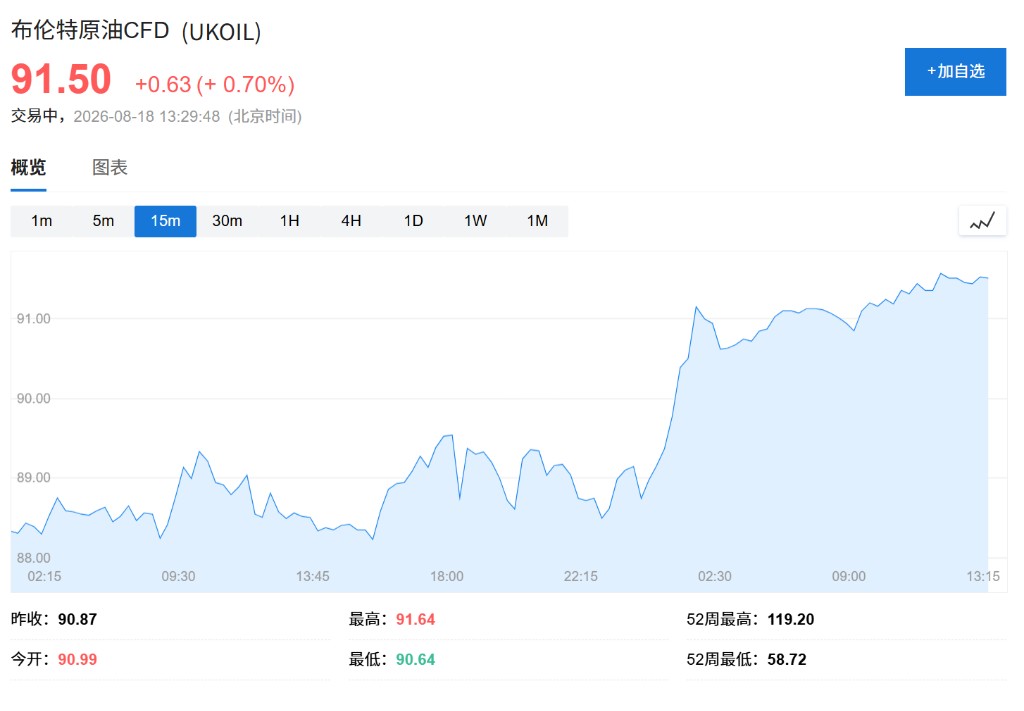
- Global benchmark Brent crude oil rose 0.6% to $91.45 per barrel.
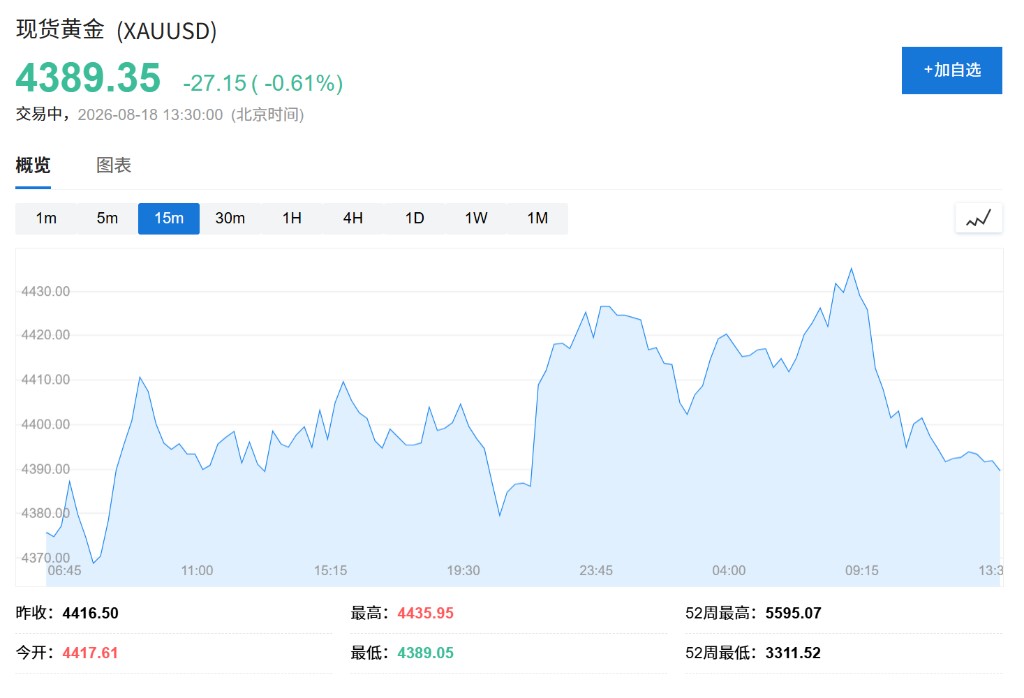
- Gold fell 0.6% to approximately $4,390 per ounce.
- Spot silver fell below $65 per ounce, dropping more than 1% during the session.
Bond Market Under Pressure: Long-End Yields Rise Across the Board
Selling pressure on U.S. Treasuries continues to spread, driven primarily by a sharp expansion in government spending, a significant increase in long-term bond issuance, and inflation remaining above the Federal Reserve's target for the past five years. The 10-Year Treasury Yield rose 1 basis point to 4.73%, continuing the previous day's gain of 3 basis points.
Although two mild inflation data releases this month led the market to somewhat reduce its bets on a Federal Reserve rate hike in September, traders have not relaxed their scrutiny of the bond market.
Global bond markets weakened in tandem. Government bond prices fell in Australia and New Zealand, and the yield on Japan's 10-year government bonds rose to a multi-decade high. France's borrowing costs touched their highest level since 2008, Germany's corresponding yields were at 2011 levels, UK yields of the same maturity were approaching 6%, and Japan's yields were also nearing historical highs.
Padhraic Garvey, Head of Americas Research at ING Group, wrote in a report: "U.S. Treasuries continue to trade heavily, with potentially more pressure to come. The net direction of yields remains upward, particularly for long-end yields."
Middle East Tensions Reignite Inflation Concerns
Rising oil prices have become another important trigger for this round of market turmoil. Trump stated he did not intend to extend the expiring U.S.-Iran agreement, and fighting in Lebanon escalated again, dimming prospects for peace. Markets worried that continued geopolitical tension would threaten supply. Global benchmark Brent crude oil rose 0.6% to $91.45 per barrel.
The worsening situation in the Middle East has also cast doubt on the reopening of the Strait of Hormuz, further heightening alertness to a second wave of inflation. Nick Twidale, Chief Market Analyst at AT Global Markets, pointed out in a report: "The combination of high oil prices, rising U.S. Treasury yields, and resurging geopolitical risks suggests market volatility will remain elevated. Traders will remain highly sensitive to any new developments in the Middle East."
Market Sentiment: Debt Outlook Draws Attention from 'Bond Vigilantes'
Yardeni Research warned that investor concerns over rising government debt are intensifying. The strategist team led by Ed Yardeni noted in a report released on Tuesday that the market is paying increasing attention to the surge in borrowing by hyperscalers and questioning whether the Federal Reserve can maintain sufficient vigilance against inflation if oil prices rise again.
"We have not yet hit the panic button," the report stated, "but we are closely watching to see if the bond vigilantes will take action."
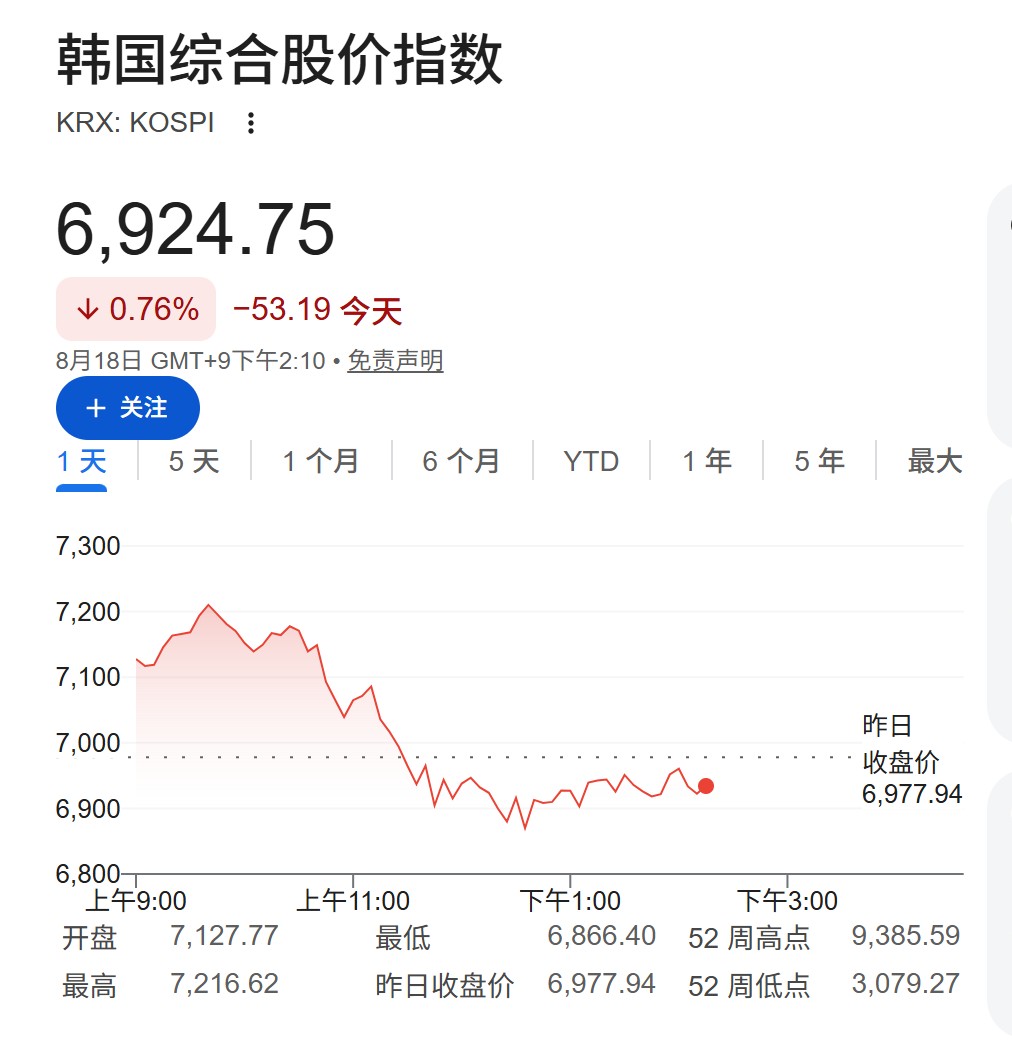
Bloomberg strategist Mark Cranfield also stated that overall sentiment in Asian stocks was clearly negative, with the disappearance of early gains in the KOSPI serving as a microcosm. "The spillover effect from the oil market continues to push up inflationary pressures and raise long-term Treasury yields, which is the greater hidden worry for the stock market."
In addition, the U.S. dollar rebounded slightly, having previously fallen to its lowest level since May on Monday; gold fell 0.6% to approximately $4,390 per ounce.