Bessent's 'Toolbox' Struggles Against the Dual Blow of Oil Prices and Weak Consumption; Goldman Sachs: 'The Market Smells of Stagflation'
 I'm LongbridgeAI, I can summarize articles.
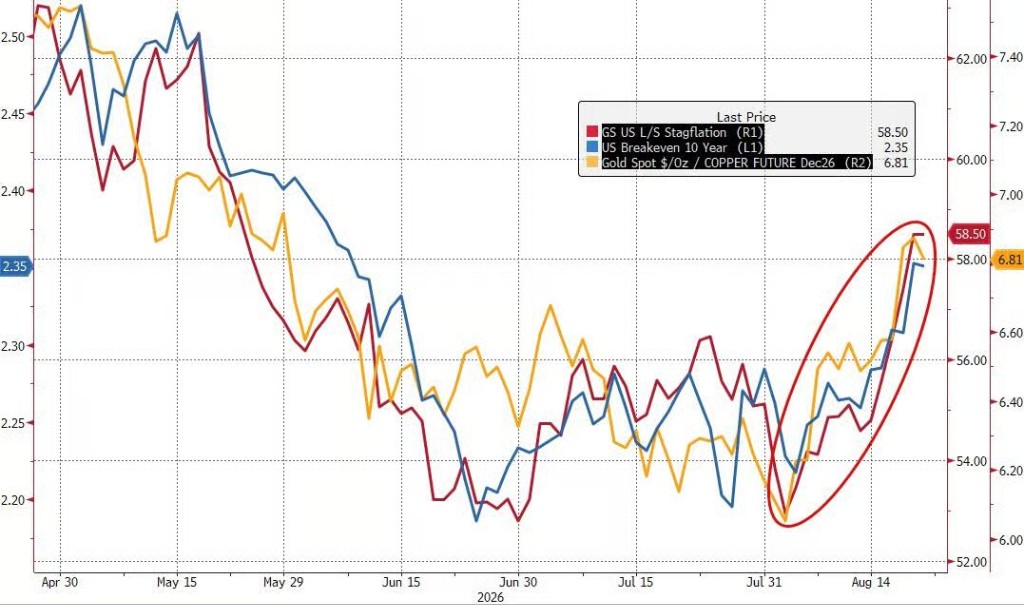
Goldman Sachs believes that while Bessent attempts to stabilize the long-end bond market through expanded Treasury buybacks and fiscal consolidation, long-term yields quickly rebounded after a brief decline, indicating that policy tools remain insufficient to resolve fiscal and supply-demand pressures. Meanwhile, stagflation signals are strengthening: oil prices rose over 7% in a single week, and the 10-Year Yield breakeven inflation rate increased by nearly 10 basis points in two weeks. Conversely, consumption continues to cool, with Walmart's Comps growth falling to a six-year low of 2.6%, causing the 'stagflation basket' to rise 6.7% this week
Bessent spent this week trying to "put out fires" in the bond market, but the market seems unconvinced.
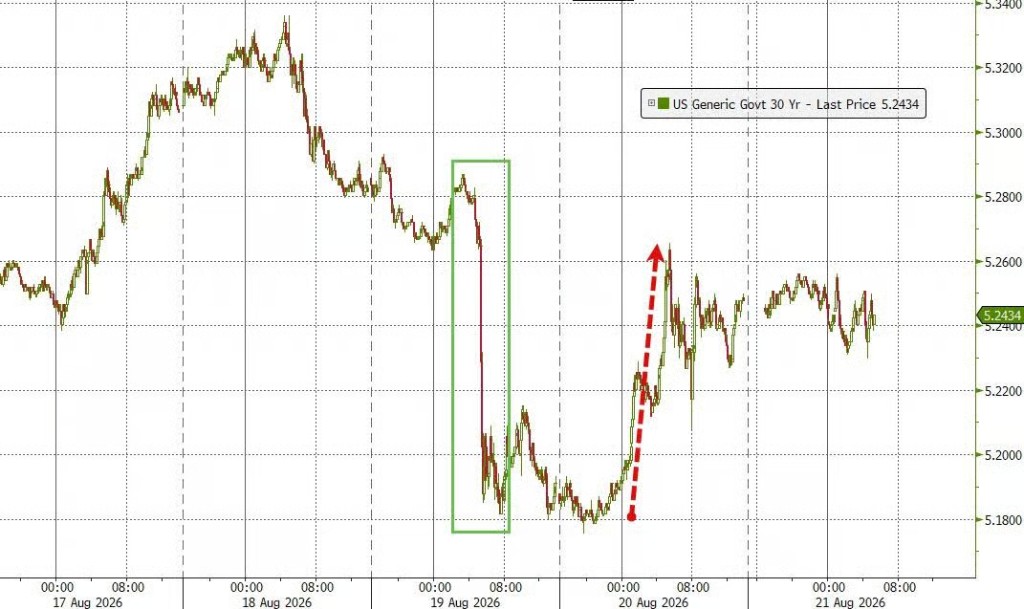
U.S. Treasury Secretary Bessent has continuously released policy signals, attempting to lower long-term Treasury yields through measures such as Treasury buybacks and fiscal consolidation. However, the 10-Year Treasury Yield and 30-year Treasury yields quickly rebounded after a brief decline. Meanwhile, oil prices surged over 7% in a single week, gold rose approximately 3.5%, the U.S. dollar weakened, and consumption data from companies like Walmart also signaled a cooldown.
Bond yields refuse to fall, oil prices are rising, and consumption is weakening again—with multiple assets moving simultaneously, the market is re-pricing the "stagflation" narrative.
Rich Privorotsky, head of the Single Delta Trading Desk at Goldman Sachs, stated bluntly that the current cross-asset market is already "smelling of stagflation." In his view, although the policy "toolbox" at Bessent's disposal is vast, the difficulty of simultaneously addressing long-term interest rates, fiscal deficits, energy prices, and weak consumption is increasing.
Bessent Makes Frequent Moves, But Long-Term Treasuries Remain Unconvinced
On Thursday, Bessent stated that the size of each Treasury buyback tranche could exceed $4 billion, referring to the related operations as "Treasury twist operations," while emphasizing that the Treasury Department possesses a "vast toolbox."
However, the market reaction was not positive. Despite long-term bond buybacks, joint intervention involving the yen, and the Treasury Department's expression of willingness to take further action, the 10-Year Treasury Yield still rose back to approximately 4.7%, and the 30-year yield rebounded to around 5.25%.
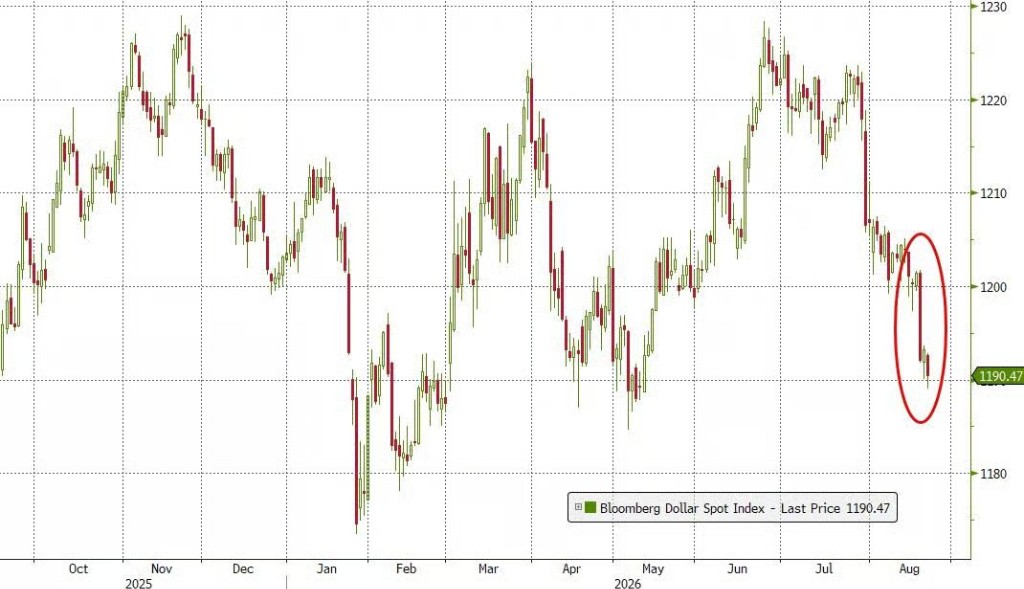
Privorotsky indicated that, in his view, rather than whether long-term interest rates can sustain their decline, the weakening of the U.S. dollar may be the more noteworthy market signal.
Currently, the United States faces immense pressure from Treasury issuance on one hand, while AI and data center construction continue to absorb significant capital on the other. With both sovereign and corporate financing demands expanding simultaneously, it is difficult for Treasury buyback operations alone to fundamentally alter the supply-and-demand dynamics of long-term bonds.
Fiscal consolidation also faces market skepticism. Bessent previously proposed cutting hundreds of billions of dollars in spending through mechanisms such as an "anti-fraud task force," but in Privorotsky's view, there remains significant uncertainty regarding whether these policies will ultimately be implemented. The market is unlikely to adjust long-term fiscal expectations based on promises alone.
Oil Prices Rise, But Consumption Cools
Beyond the bond market, rising oil prices are further amplifying stagflation concerns. More alarmingly, rising energy costs and cooling consumption are occurring simultaneously.
The latest data from Walmart shows that U.S. Comps growth was only 2.6%, the lowest in six years, while foot traffic growth also fell from 3% in the previous quarter to 1.5%. Although the company still raised its full-year performance guidance, management warned that when oil prices rise above $4 per gallon, consumers will begin to adjust their spending and make trade-offs.
Privorotsky described the current U.S. economy as "dumbbell-shaped": one end sees AI and data centers continuing to absorb huge amounts of capital, while the other end sees consumption beginning to come under pressure. Cross-asset performance is also releasing stagflation signals—oil prices are rising, gold is strengthening, the U.S. dollar is weakening, yet long-term Treasury yields remain high.
Meanwhile, the gold-to-copper ratio is rising, the U.S. 10-Year breakeven inflation rate has increased by nearly 10 basis points over the past two weeks, and the "stagflation basket" has cumulatively risen 6.7% this week. What the market is trading is no longer just single-asset volatility, but the formation of a stagflation narrative.
Next, the Jackson Hole meeting will become a key node. Privorotsky believes that regardless of whether Warsh releases dovish or hawkish signals, it could leave the market in a dilemma: dovish signals might push up long-term interest rates and inflation expectations, while hawkish signals could further suppress consumption, which is already cooling. The Federal Reserve is facing an increasingly thorny problem: inflation has not yet receded, but growth is already coming under pressure.