
 I'm LongbridgeAI, I can summarize articles.
U.S. national debt surpasses $40 trillion as long-term yields hit 19-year highs. Despite Treasury Secretary Bessent's promises to expand bond purchases and cut deficits, the market reacted negatively, causing the dollar to fall. Energy costs have surged due to the Iran war, tax cuts, and high mortgage rates, leading to low consumer confidence and giving Democrats a lead in economic issue polls ahead of the midterm elections
Less than two years after Trump won the election on core campaign promises to "lower prices and fix fiscal finances," the Iran war and tax cut policies have pushed the U.S. economy in another direction: national debt hitting record highs, soaring energy costs, and climbing mortgage rates.
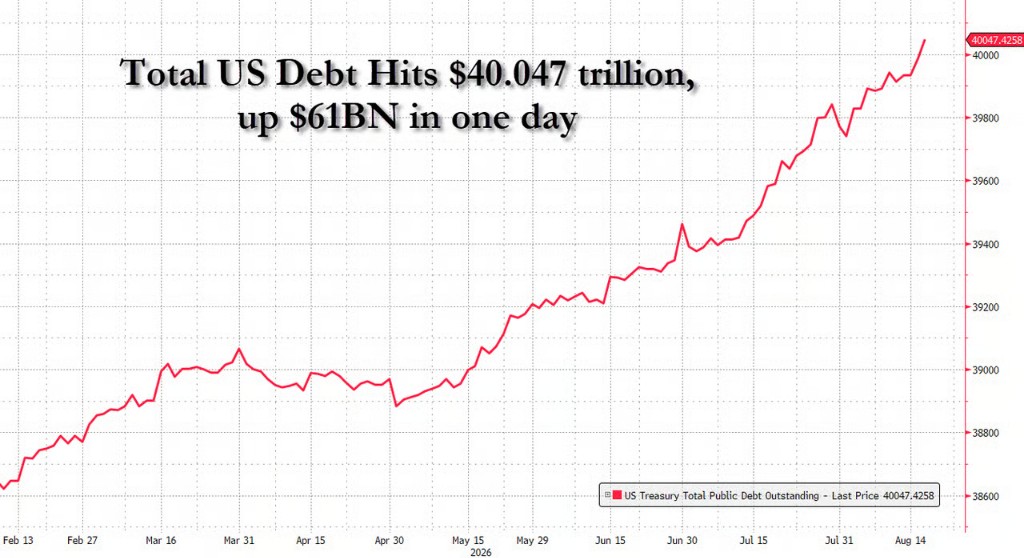
Wall Street Insight noted that U.S. national debt broke through $40 trillion this week, with long-term Treasury yields rising to 19-year highs on Tuesday, sparking deep concerns in the market about the sustainability of U.S. finances and the spillover effects of war-induced inflation.
U.S. Treasury Secretary Bessent quickly stepped in to soothe markets, announcing plans to "at least double" purchases of long-term Treasuries and introduce deficit reduction measures. However, this intervention failed to lower Treasury yields and instead pushed down the U.S. dollar exchange rate.
This market turmoil coincides with the approach of the November midterm elections, with polls showing Democrats leading Republicans on economic issues.
Meanwhile, gasoline prices have risen by about 40% since the outbreak of the Iran war, 30-year mortgage rates have climbed to 6.65%, and consumer confidence hovers near historic lows. Investors and analysts warn that the White House's rhetoric regarding market intervention reveals anxiety, which could further worsen market sentiment.
Mounting Debt: Deficit Pressure Hard to Alleviate
The U.S. federal government debt officially touched $40 trillion this week, with the borrowing speed reaching its fastest record outside of the pandemic period, as fiscal revenue continues to lag behind expenditure expansion.
The fiscal deficit as a percentage of GDP for fiscal year 2025 narrowed only slightly from 6.4% in 2024 to 5.8%, a limited decrease.
Forecasts indicate that Trump's tax cut plan will significantly push up deficits in the coming years. Even though the government has implemented cuts to social safety net programs such as Medicaid and food assistance for the poor, these measures are insufficient to offset the gap created by tax cuts.
Diane Swonk, Chief Economist at KPMG US, pointed out:
Our spending consistently exceeds limits, and war has further increased spending demands.
Bessent had promised to reduce the deficit to 3% of GDP by the end of Trump's second term. On Thursday, he stated that the deficit had "very likely" peaked, emphasizing that economic growth and future tariff revenues would boost fiscal income, claiming the U.S. is poised to "resolve the debt dilemma through growth."
However, Michael Strain, Director of Economic Policy Studies at the American Enterprise Institute, believes that to achieve substantial deficit reduction, Trump will have to make difficult choices on politically sensitive issues such as cutting Medicare and Social Security. Strain said:
I hope Secretary Bessent is telling the truth, but there remain several questions.
Energy Shock: War Disrupts Price Cut Promises
The Iran war has directly shattered Trump's campaign promise to "halve energy prices."
Since the outbreak of the war, gasoline prices have risen by approximately 40% to $4.11 per gallon. Diesel, the core fuel driving U.S. economic logistics, has seen a similar increase, reaching $5.58 per gallon. The average diesel price during Trump's second term has already exceeded that of the Biden administration.
The main cause is the disruption of Middle East energy supplies. The daily oil flow of approximately 20 million barrels through the Strait of Hormuz was blocked during the war, offsetting the effects of Trump's push for increased domestic production.
The U.S. Energy Information Administration (EIA) expects that U.S. crude oil production will increase by only 200,000 barrels per day this year.
Houston energy consultant Art Berman stated bluntly that Trump's war has "squandered" America's energy advantage and criticized successive governments for having an "energy blind spot."
Inflationary pressures subsequently spread. In May this year, the annual U.S. consumer price inflation rate rose to 4.2%, a three-year high, before declining somewhat to 3.4% in July.
Federal Reserve officials are concerned that high inflation will become entrenched in the economy over the medium to long term, but they have currently chosen not to raise interest rates, a move that has sparked market doubts about their willingness to control inflation.
Mortgage Market: Mortgage Rates Return to High-Pressure Zone
The housing market is also feeling the pressure.
The 30-year mortgage rate rose to 6.65% this week, significantly higher than the 5.98% recorded before the outbreak of the war (in late February this year).
Although current rates are still below the peak during former President Biden's tenure, the upward trend has once again placed political pressure on the White House.
Jaret Seiberg, an analyst at TD Securities, stated that the decline in interest rates from the fourth quarter of 2025 to the first quarter of 2026 had temporarily alleviated government pressure on housing affordability, but with rates rising again, the White House has "no choice" but to focus on lowering rates, "even if the relief provided is only temporary."
Weak Growth: Actual Performance Far Below Expectations
Despite tech giants making large bets on AI infrastructure and U.S. consumer spending remaining resilient, keeping overall economic growth on track, the growth rate is far from official targets.
Last year's GDP growth was 2.1%, and the annualized rate for the second quarter of 2026 was only 1.5%, far below the 5% to 6% predicted by Commerce Secretary Lutnick, and also below the 3% target set by Bessent.
For investors, rising debt, high borrowing costs, and continued pressure from energy and food prices have combined to push U.S. consumer confidence to historic lows.
Polls also show that an increasing number of voters believe their situation has deteriorated rather than improved under Trump's economic management.
Cornell University Economics Professor Eswar Prasad summarized:
The President's fierce rhetoric, along with the administration's various measures to intervene in currency and bond markets, exudes a sense of desperation, which will only worsen the situation and push market sentiment in a more unfavorable direction.
Risk Warning and Disclaimer
Market investments carry risks; please invest with caution. This article does not constitute personal investment advice, nor does it take into account the specific investment goals, financial status, or needs of individual users. Users should consider whether any opinions, views, or conclusions in this article align with their specific circumstances. Investment decisions made based on this content are the sole responsibility of the investor.