
Closing on August 25: The technology sector is under pressure, with the NASDAQ down 0.76% as the market focuses on NVIDIA's earnings report
 I'm LongbridgeAI, I can summarize articles.
On August 25th, U.S. stocks closed mixed, with the technology sector weighing on the market. The Dow Jones Industrial Average rose slightly by 0.26%, the S&P 500 fell by 0.28%, and the NASDAQ dropped by 0.76%. Chip stocks generally declined, with NVIDIA experiencing a record seven consecutive days of decline. Treasury yields fell due to expectations of Treasury buybacks, but global high interest rates and geopolitical risks continue to exert pressure on the stock market
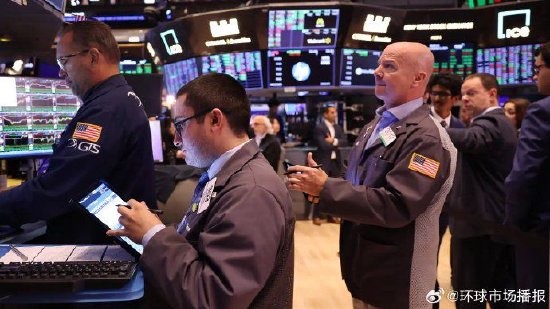
U.S. stocks were mixed on Monday, with declines in key tech stocks outweighing the impact of falling Treasury yields.
The Dow Jones Industrial Average rose by 140.14 points, or 0.26%, to close at 53,417.16 points; the S&P 500 index fell by 21.51 points, or 0.28%, to 7,652.86 points; and the Nasdaq Composite dropped by 200.26 points, or 0.76%, to 25,980.19 points.
The decline in chip stocks dragged down the overall market. Micron Technology fell by 5.8%, while AMD and Broadcom dropped over 3% and 2%, respectively. The iShares ETF (SOXX) fell by 2.7%. Other tech stocks also declined. Coherent and Lumentum both fell over 4%, SanDisk dropped 6%, Corning fell nearly 3%, and Seagate Technology declined by 6.5%.
The seven major U.S. tech stocks were mixed, with NVIDIA down 2.91%, marking its seventh consecutive trading day of decline, the longest losing streak since 2022; Meta rose by 1.66%, Amazon by 1.33%, Microsoft by 0.84%, Google by 0.83%, Apple by 0.32%, and Tesla fell by 3.83%.
Cryptocurrency-related stocks retreated, with Robinhood down over 4%, Coinbase down 3.7%, and IREN down 4.9%.
Following media reports that the U.S. Treasury may use its general account to fund buyback operations, Treasury yields fell. The yield on the 10-year Treasury note dropped by over 3 basis points to 4.704%. The yield on the 30-year Treasury note, which had recently surpassed 5.3% and reached a nearly 20-year high, fell by 4 basis points to 5.234%.
Previously, Treasury Secretary Scott Bessenet stated last week that the Treasury plans to at least double the scale of government debt buybacks in the coming months, potentially exceeding the $4 billion announced that week. After the initial announcement, the long end of the U.S. yield curve received some relief, but it was ultimately short-lived.
The continued rise in global bond yields has been putting pressure on the stock market, with interest rates in Japan, France, and Germany reaching multi-year highs. Investors are concerned that the U.S.-Iran war may last longer, keeping oil prices high and pushing up inflation.
"The Treasury is trying to limit long-term rates by issuing more short-term notes as a financing tool, which will tie U.S. government interest expenses more closely to the Federal Reserve's operations on the federal funds rate," said Peter Boockvar, Chief Investment Officer of One Point BFG Wealth Partners. "I don't think this is something Kevin Warsh will discuss in his speech on Friday, but it is a new factor he must contend with." Federal Reserve Chairman Kevin Walsh is expected to deliver a speech at the Federal Reserve's annual symposium in Jackson Hole, Wyoming.
Market sentiment was dampened on Monday as U.S. President Trump announced that the U.S. would raise tariffs on "all cars, trucks (regardless of size), auto parts, and steel" imported from Canada to 50% starting January 1, 2027.
"We are in a summer lull," said Robert Conzo, CEO of The Wealth Alliance. However, he added that if earnings growth remains strong and inflation data meets expectations, the stock market conditions should be "quite good."
Investors will receive new inflation data in the form of the July Personal Consumption Expenditures Price Index, which will be released on Wednesday. Artificial intelligence will also be in focus, with NVIDIA and Marvell Technology set to release their earnings reports on Wednesday and Thursday, respectively