
 I'm LongbridgeAI, I can summarize articles.
Amazon plans to add over 1,000 new same-day fulfillment centers via 'Project Mercury' to compete with Walmart's proximity advantage. This expansion aims to place facilities within 10 miles of 80% of US Prime customers by 2031, requiring approximately $7 billion in investment through 2027. While AWS and AI drive growth, Amazon is leveraging its e-commerce dominance to lower delivery costs and increase customer frequency, potentially boosting profit margins despite current stock valuation concerns.
Over the years, Amazon (AMZN -0.99%) has evolved. The company began its journey as a humble online bookseller before expanding its offerings and eventually earning the title of the "everything store." Its work in cloud computing helped kick-start an industry that positioned the company perfectly for the broad adoption of artificial intelligence (AI) to come. In fact, cloud and AI have become Amazon's biggest growth drivers, but the company hasn't abandoned the e-commerce business that gave the company its start.
Indeed, the latest move by Amazon may be its biggest move yet to dominate the retail industry.
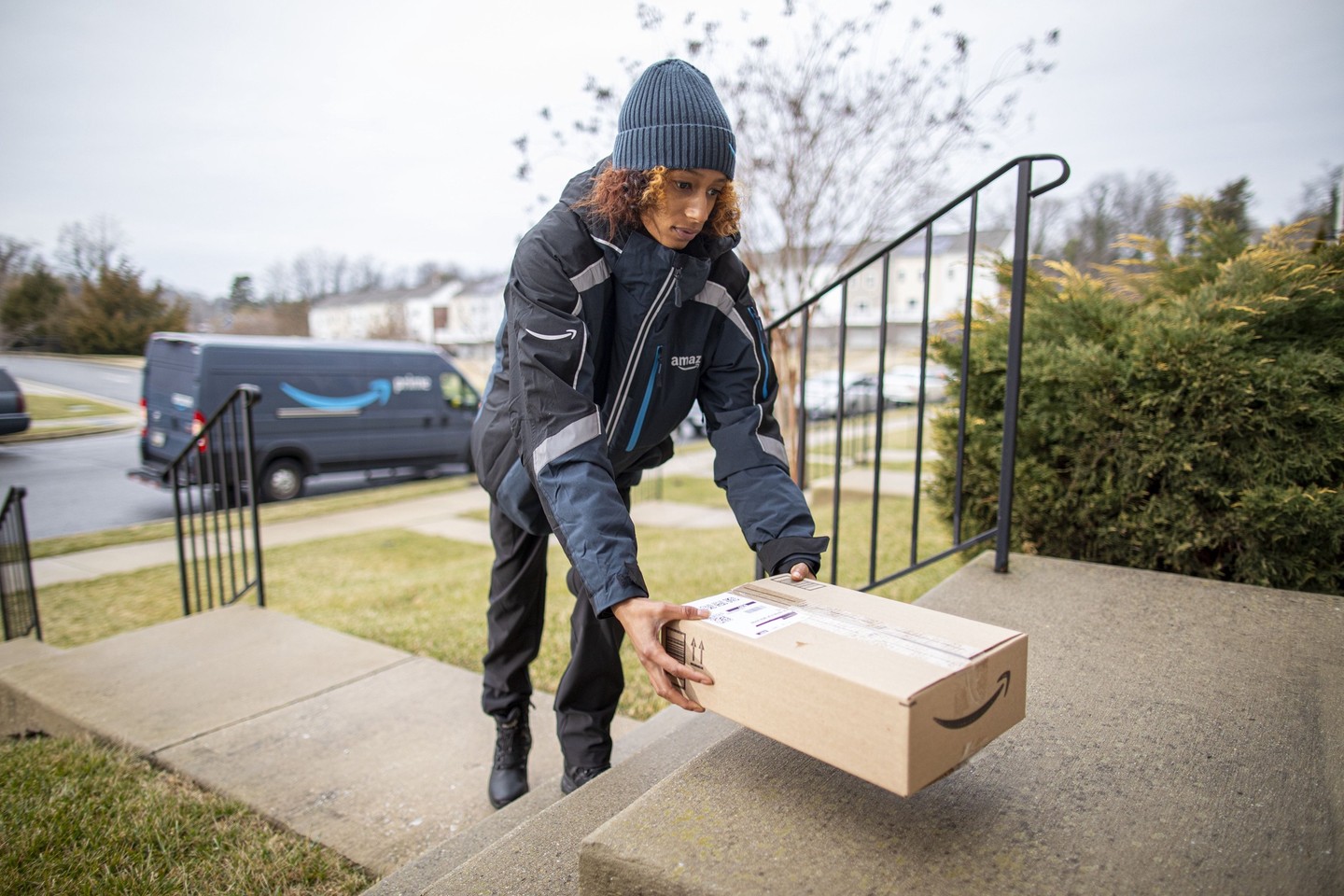
Image source: Amazon.
Closer to home
The ease and convenience of online shopping caused a paradigm shift in the retail landscape that continues to this day. Amazon is already the biggest name in e-commerce by a wide margin, but the company is making a bigger push to take more market share from brick-and-mortar rivals like Walmart.
To that end, Amazon has plans to add more than 1,000 new same-day fulfillment centers over the next five years, in an initiative codenamed Project Mercury, according to a report that first appeared in Business Insider. Its plans would represent a more-than-tenfold increase over Amazon's 85 existing locations.
The current approach has a same-day fulfillment center within a 90-minute drive from most Amazon Prime customers in the U.S. The company is looking to close the gap, putting a same-day facility within 10 miles of 80% of Prime customers by 2031, according to the report.
The biggest edge enjoyed by grocery stores and other physical retailers is their proximity to shoppers. For example, there's a Walmart or Sam's Club located within 10 miles of roughly 90% of the U.S. population. That gives Walmart a keen advantage in same-day delivery, as it can use its retail stores as mini-fulfillment hubs. The retailer revealed that it can reach 95% of U.S. households within three hours.

NASDAQ: AMZN
Key Data Points
You've got to spend money to make money
Amazon's plan will take billions of dollars and years to implement, but the company has always played the long game. Estimates suggest Amazon will spend roughly $7 billion to expand its same-day delivery network between now and 2027.
A spokesperson for the company admitted the plans were "preliminary" and could change significantly. However, Amazon has long been focused on closing the gap between when an order is placed and when it's delivered, so this move should come as no surprise. History has shown that faster delivery sparks a virtuous cycle, as customers visit more often and buy more products.
In 2025, Amazon's North American sales climbed 10% to $426 billion and represented 59% of the company's total revenue and 37% of its operating income. By getting customers to shop more often and buy more when they do, Amazon could potentially increase its profit margins. The likelihood of expanding margins increases if its fulfillment hubs are closer to the customers they serve, which will help lower delivery costs.
Much of the focus in recent years has been on cloud computing and the accelerating adoption of AI, and for good reason. Amazon Web Services (AWS) was a cloud pioneer and still leads the industry, with a market share of 28%. Moreover, AWS sales accelerated in Q2, up 37% year over year to $42 billion, marking the segment's fastest growth rate in 18 quarters.
That said, investor uncertainty about the future of AI has weighed on Amazon, which is reflected in the stock's valuation. As a result, Amazon is selling for less than 20 times earnings, near an all-time low. It’s important to remember the company is about more than just AI. The current disconnect gives astute investors the opportunity to pick up Amazon shares for a song.