
 I'm LongbridgeAI. Here is the key information I extracted
Saudi Arabia's East-West Pipeline has resumed exports following a drone attack, adding an important alternative channel to the tight global crude oil supply.
On September 28, Bloomberg cited sources stating that the Saudi East-West Pipeline has currently resumed operations, with crude oil flow at approximately 3.5 million barrels per day. The pipeline's total transmission capacity is about 7 million barrels per day, of which approximately 5 million barrels are typically used for exports and 2 million barrels supply refineries on Saudi Arabia's west coast.
This restart means Saudi Arabia has regained key export capacity to bypass the Strait of Hormuz, potentially alleviating the supply pressure exacerbated by the previous pipeline shutdown, and bringing direct benefits to European buyers who were previously informed they would not receive contract allocations next month.
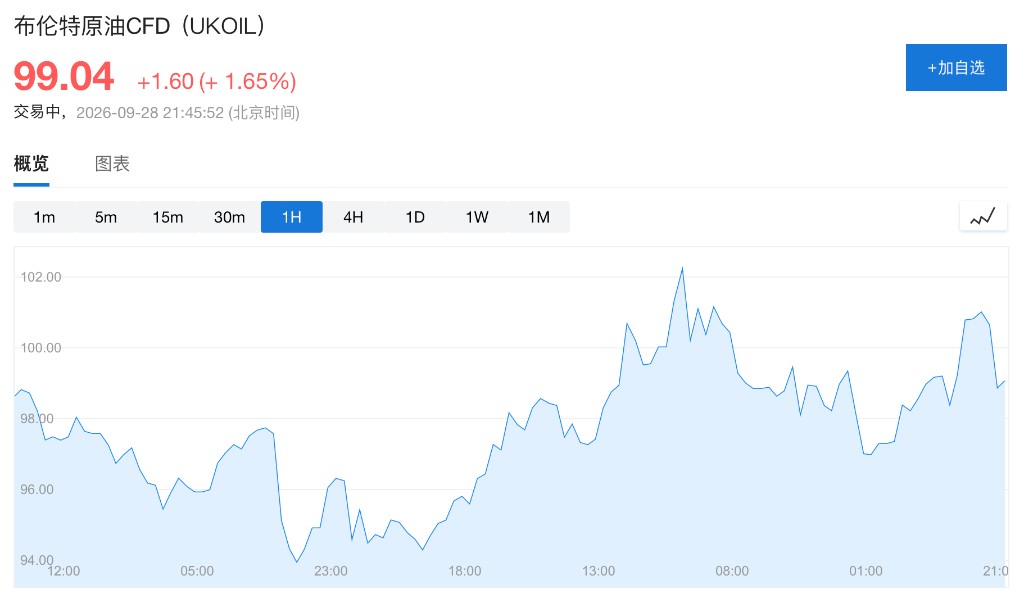
Brent crude prices remain near $100 per barrel, with US-Iran negotiations stalled and geopolitical risks continuing to support oil prices. The market is closely watching whether Saudi Arabia will reduce exports via the Strait of Hormuz as the East-West Pipeline gradually resumes operations, and whether the global crude oil supply landscape will change as a result.
Pipeline Resumes Exports, Still Short of Full-Capacity Operation
The East-West Pipeline was shut down after a drone attack on September 10. Previous reports citing sources indicated that it might take about six weeks for the pipeline to fully resume operations. Current flow is approximately 3.5 million barrels per day, only half of the design capacity, meaning it will still take some time for the pipeline to return to normal levels.
During the pipeline shutdown, Saudi Arabia compensated for the supply gap by increasing crude oil exports via the Strait of Hormuz. According to Bloomberg data, Saudi Arabia's overall oil exports in September rose to wartime highs of over 5 million barrels per day, with most cargoes flowing to Asian markets.
However, transportation security risks in the Strait of Hormuz persist. As Middle East conflicts continue, vessels face ongoing risks of attack; meanwhile, Red Sea shipping routes are also affected by Houthi activities in Yemen, meaning the security pressure on Saudi energy infrastructure has not completely subsided.
Saudi Export Adjustments to Become a Key Variable in the Oil Market
The East-West Pipeline is critical infrastructure for Saudi Arabia to bypass the Strait of Hormuz, transport crude oil to the Red Sea coast, and further export it. This resumption of operations not only enhances the flexibility of Saudi crude oil exports but also adds an important supply assurance channel for the global market.
The current focus of the market is on how Saudi Arabia will reallocate export volumes after the resumption of the East-West Pipeline. If pipeline flow continues to increase, whether Saudi Arabia will reduce crude oil transportation via the Strait of Hormuz, and whether the overall export scale can maintain high levels, may all affect global crude oil supply expectations.
Against the backdrop of Middle East conflicts and ongoing security risks in major shipping lanes, whether the East-West Pipeline can further recover to high-load operation, along with Saudi Arabia's subsequent export arrangements, will become important observation points for the market to judge changes in crude oil supply and oil price trends.