

 Trending Creators in 2025
 Rate Of Return
Sino-US Corporate Bond Issuance: Regulatory Thresholds vs Market Pricing, Determining the Survival Space for SMEs

Domestically and internationally, the logic behind corporate bond issuance is completely different.
For domestic bond financing, regulatory thresholds are very strict and strongly tied to profitability and asset scale. Whether a company can issue bonds depends first on whether it meets the criteria: it must have profits, net assets, and solid guarantees. The essence is a "big pawnshop mentality"—first, they see what assets you have, then they decide whether to give you money. This model is very stable and can control risks, but it also blocks a large number of small and medium-sized enterprises. Many promising companies that are temporarily unprofitable or lack collateral simply cannot issue bonds, greatly limiting their expansion potential.
The United States is completely different: there aren't as many hard indicators; everything is left to market pricing. Regulation only requires truthful disclosure, without blocking based on profitability or assets. Even non-listed companies or temporarily loss-making enterprises can issue bonds as long as someone is willing to buy them. Higher interest rates and greater risks are accepted by the market itself.
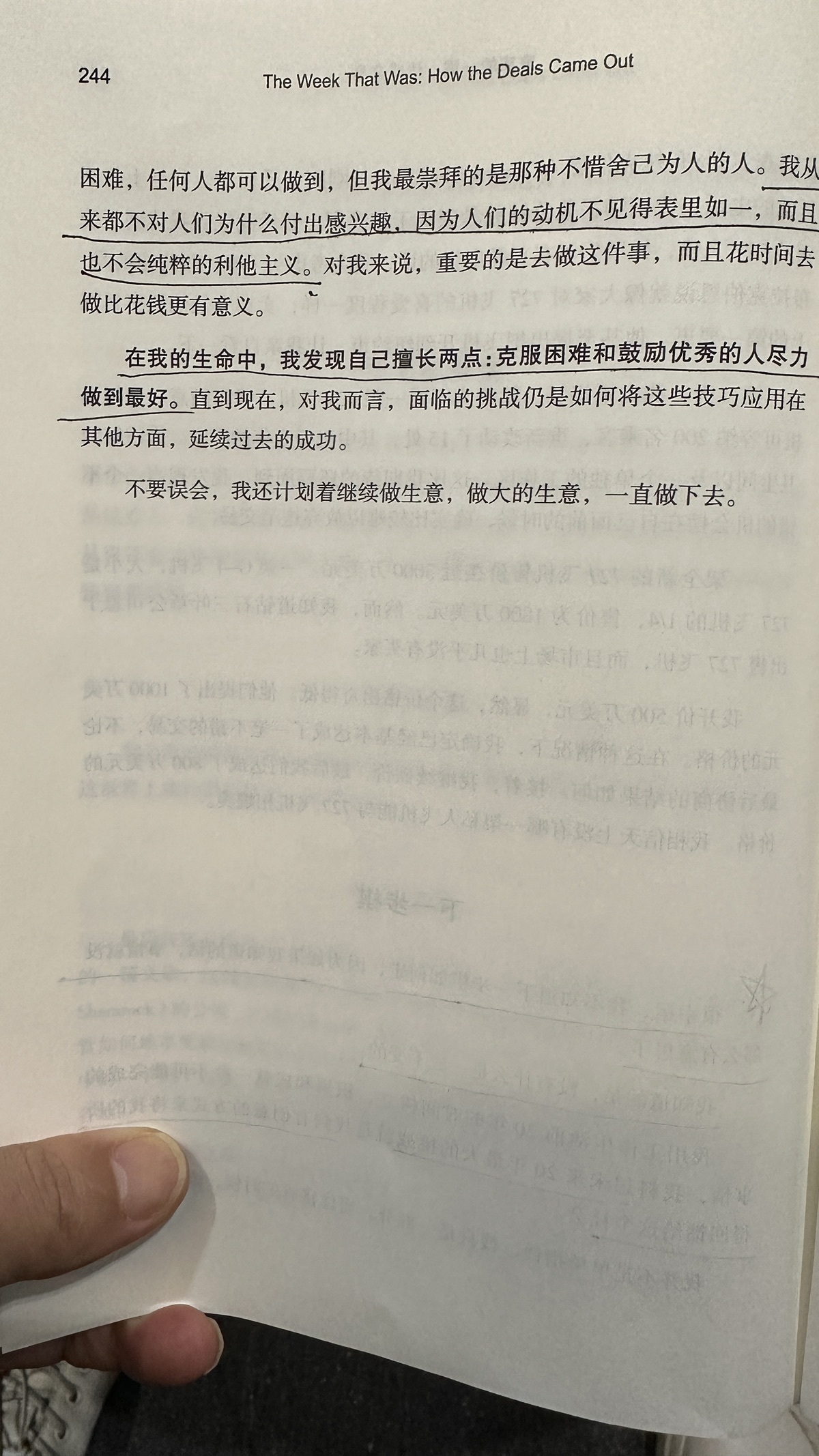
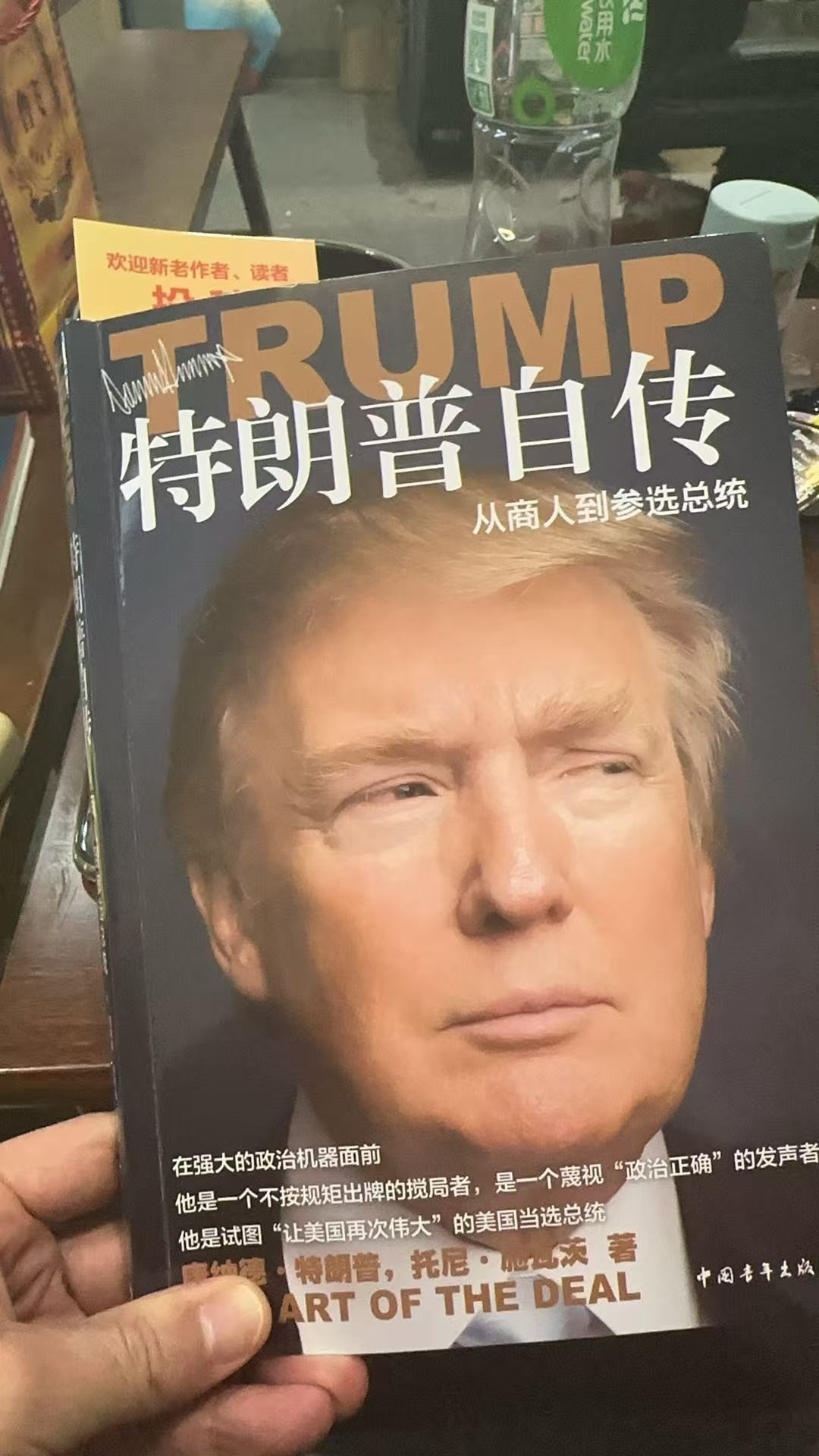
When Donald Trump was in real estate and running casinos, he benefited greatly from this kind of financial innovation: he preferred issuing unsecured credit bonds with interest rates 1-2 percentage points higher rather than being restricted by bank mortgages. This kind of operation is very difficult to replicate domestically.
There is no absolute good or bad. Domestically, it's strong regulation and risk control, seeking safety; in the US, it's market-oriented, emphasizing credit, providing flexibility.
Business inherently has no guaranteed profits; both bonds and loans carry risks. Domestically, the preference is to use assets as a safety net, pursuing near-zero risk; the US uses returns to cover risks, letting the market bear them itself. These two approaches directly determine how long small and medium-sized enterprises can survive and how far they can go.
The copyright of this article belongs to the original author/organization.
The views expressed herein are solely those of the author and do not reflect the stance of the platform. The content is intended for investment reference purposes only and shall not be considered as investment advice. Please contact us if you have any questions or suggestions regarding the content services provided by the platform.
