
The hotel industry is walking a tightrope between "price reduction" and "upgrading."
 I'm LongbridgeAI, I can summarize articles.
The hotel industry is facing the dilemma of "increased volume but reduced profits." Despite the continuous growth in the number of stores and rooms, the average room rate and revenue per available room have declined. Consumers are becoming more rational in their hotel choices, focusing on price, location, and cost-effectiveness, leading to intensified competition in the industry. According to data from the China Hotel Association and the China Tourism Research Institute, both domestic tourism numbers and hotel quantities are expected to see significant growth in 2024, but the overall operational pressure on the industry is increasing
At 2 a.m., in the arrival hall of Capital Airport, Rayne hurriedly walked towards the ride-hailing waiting area with his suitcase. Just after the May Day holiday, he had already embarked on a "business trip."
On his phone screen, five booking platforms were opened simultaneously, with filtering criteria precisely set to "opened after 2021," "smart devices," and "price 400-600 yuan."
"Sometimes staying in a hotel feels like opening a blind box. Even in well-known chain hotel brands like Atour and Qijia, if you're not careful, you might end up with oddly arranged room types, outdated in-room configurations, or accommodations that don't meet hygiene standards. Therefore, the year of opening, the level of intelligence, and the price are my basic thresholds for filtering hotels," Rayne shared.
According to the China Hotel Association's "2025 China Hotel Industry Development Report," in 2021, there were 252,400 hotel stores in China, with a total of 13.47 million guest rooms. By 2024, the number of hotel stores in China is expected to grow to 348,700, with guest rooms reaching 17.64 million, an increase of nearly 100,000 in three years.
Meanwhile, according to the "2024 Annual Report on Domestic Tourism Development in China" released by the China Tourism Research Institute, the number of domestic tourists in 2024 is expected to reach 5.615 billion, a year-on-year increase of 14.8%.
Despite the double-digit growth in both hotel supply and tourism demand, the data contrast of "increased volume but reduced profits" feels like a cold splash of water on the entire industry. According to data from Hotel Home, the average revenue per available room in the hotel industry in 2024 is expected to be 118 yuan, a year-on-year decrease of 9.7%; the average daily room rate is expected to be 200 yuan, a year-on-year decrease of 5.8%; and the occupancy rate is expected to be 58.8%, a year-on-year decrease of 2.5%.
Clearly, the "prosperity" on the supply side has not activated consumer potential, and with increasing market competition, the hotel industry is facing significant operational pressure.
In the face of this "increased volume but reduced profits" situation, what is reflected behind it is the "excessive competition dilemma" the industry is experiencing.
The Triple Competition of Hotels: Competing on Price, Discussing Upgrades, and "Changing" Services
The excessive competition in the hotel industry is the most intuitive portrayal of current market competition.
As consumers' living standards improve, their tourism consumption concepts gradually mature, and more rational choices have replaced the previous blind pursuit. They are no longer willing to pay for high-end brands or luxurious facilities but instead comprehensively consider factors such as price, location, cost-effectiveness, and service, using online travel platforms and social media to compare and evaluate hotels from all angles. Meanwhile, the supply in the hotel market continues to increase, competition becomes increasingly fierce, and the phenomenon of product homogeneity is severe, lacking unique competitive advantages. In this dual context of consumer and hotel sides, excessive competition has become the norm in the industry When market supply far exceeds demand, hotels can only resort to various strategies to compete for limited customers, attempting to stand out in this war without gunpowder.
The growth of market traffic is slowing down, making it difficult to support the expansion of hotel scales, while the number of hotels continues to rise, exacerbating the supply-demand imbalance. Especially in popular tourist destinations and business districts, hotels are clustered together, and to compete for limited customers, "price for volume" has become the "main theme" of hotel competition.
As a result, high-end hotels that used to charge thousands are now also starting to adopt a "people-friendly approach." Hotel packages on platforms have seen prices drop repeatedly, with weekend packages at five-star hotels sometimes even cheaper than mid-range hotels on weekdays.
"Price for volume" ultimately is like drinking poison to quench thirst; although occupancy rates may improve in the short term, hotel profit margins are severely squeezed, and operational pressure increases significantly.
In addition, another major strategy that hotels are "rolling out" is "intelligent upgrades." With the increasingly diverse consumer demands, in addition to traditional accommodation needs, they also hope hotels can provide more value-added services, such as gyms, self-service laundries, and smart devices. This requires hotels to meet various consumer needs as much as possible within limited space and resources.
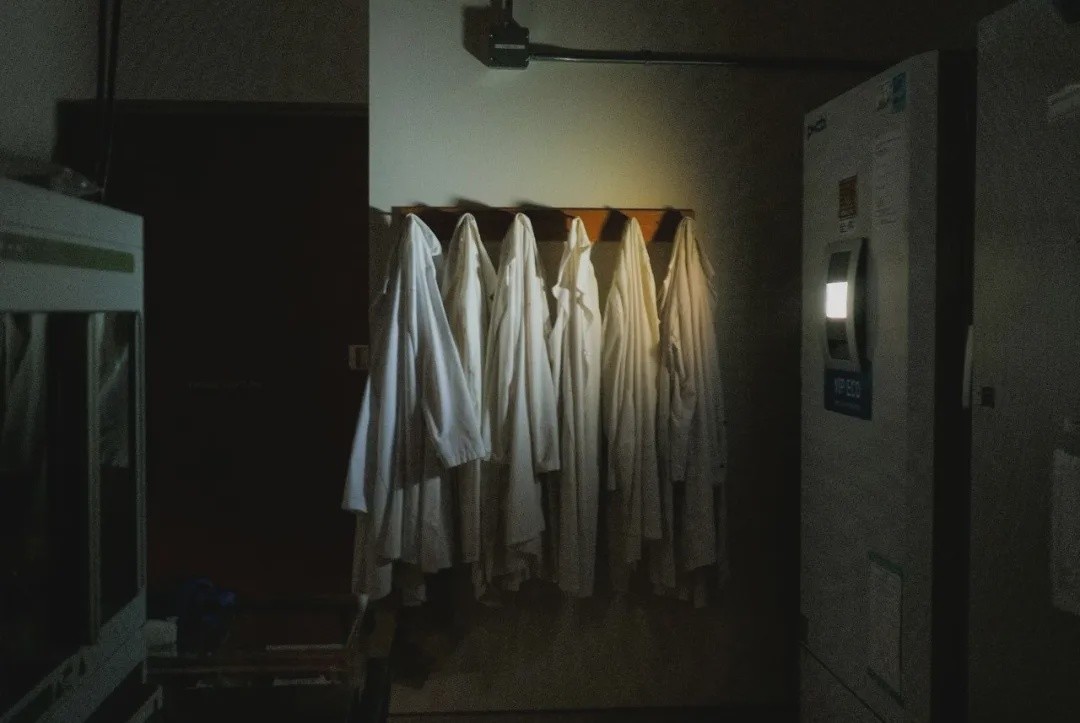
Therefore, in terms of intelligence, many hotels have introduced smart room systems, self-check-in/check-out machines, and other equipment. Guests can quickly check in and out through their mobile phones or self-service terminals without waiting in line; in the guest rooms, smart voice assistants can control lighting, air conditioning, curtains, and other devices, providing guests with more convenient and personalized services. Brands under H World, such as Qianxi Hotel and Hanting Hotel, have equipped their guest rooms with smart devices and highlighted self-service laundries as service features to enhance hotel competitiveness.
Behind the price cuts and upgrades is the difficult balance hotels must strike between costs and revenues. The profit margins of hotels are severely squeezed, and to maintain operations, market-oriented hotels have no choice but to cut costs, with the most direct method being the reduction of service items. For example, fewer dining options, the gradual disappearance of turn-down service, and warm milk at night no longer being timely...
Originally, hotels operated on the philosophy of "home away from home," creating a warm and comfortable "home outside home" for guests, but the reduction in services has tarnished this original intention.
In the triple play of hotel competition, price cuts, upgrades, and "changing" services intertwine, forming a complex market game, while the underlying "oversupply" casts another shadow over this game.
The Unavoidable "Expansion Curse"
Although the hotel industry remains mired in price wars and intelligent upgrades, many hotel groups have not halted their "expansion" paths, even aiming at lower-tier markets to seek new growth.
According to recent financial reports disclosed by various companies, JINJIANG HOTELS, BTG Hotels, and Atour Group plan to open 1,515, 1,353, and 471 new hotels respectively in 2024 Among them, Atour Group's number of newly opened hotels and signed contracts throughout the year both reached historical highs. As of the end of Q4 2024, the number of hotels awaiting opening under Huazhu is 2,988.
In terms of the number of hotels, by the end of 2024, Jinjiang Hotels has a total of 13,416 hotels in operation; Huazhu has 11,147 operating hotels; BTG Hotels has 7,002 hotels under its brand; and Atour Group has 1,619 operating hotels. By the end of 2024, the total number of operating hotels among the four leading hotel groups in China will exceed 33,000.
Hotel expansion mainly involves two models: self-operated and franchised. The self-operated model is like a "boutique store" crafted by oneself, where every aspect from site selection, decoration to operation is personally controlled by the hotel group. The advantage of this model lies in ensuring high standards of service quality, brand image, and product quality, as seen in some high-end luxury hotels that provide an ultimate experience through self-operation. However, the disadvantages are also evident, with huge capital investment required for initial property acquisition, decoration, and later equipment updates and maintenance, all needing substantial financial support; operational costs are high, requiring a professional management team and a large number of employees, and market risks must be borne. If occupancy rates are insufficient, losses may occur.

The franchising model, on the other hand, involves the hotel group providing brand, management experience, and standards, while franchisees provide funding and premises. The advantages of this model include rapid expansion, as hotel groups can quickly increase market share using franchisee funds; costs are relatively low, and risks are more dispersed. For example, in 2024, Atour's revenue growth primarily came from franchise hotel management income, which increased by 53.32% year-on-year to 4.149 billion yuan.
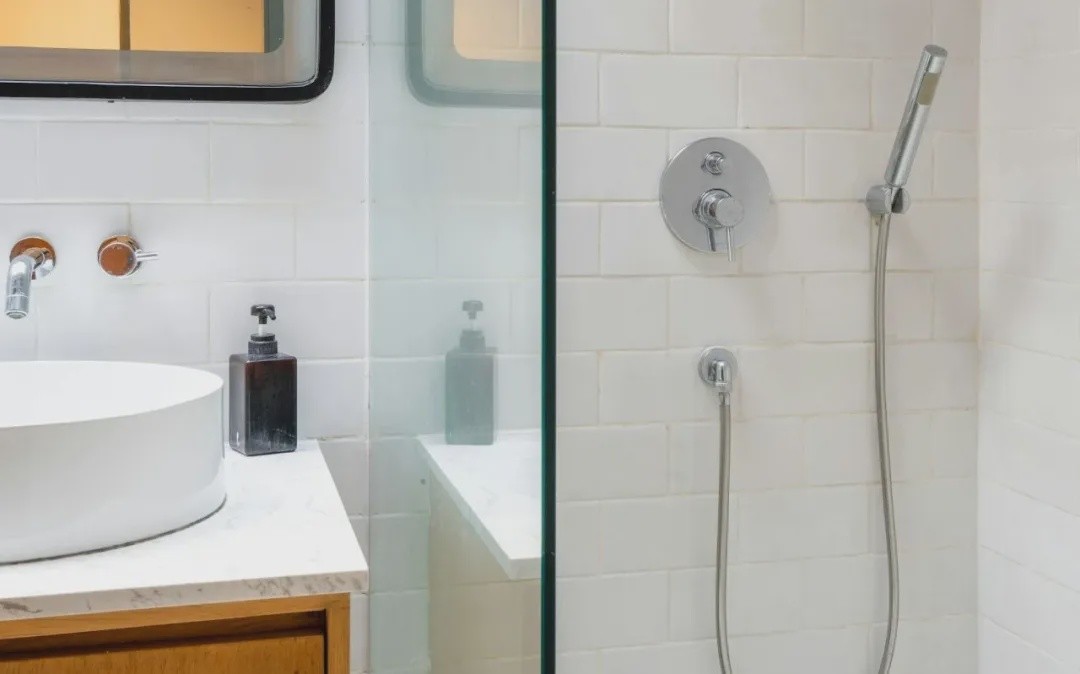
However, there are also many issues. Due to the independence of franchisees, management can easily lead to situations where "the left hand doesn't know what the right hand is doing." Recently, a viral incident involving a certain Atour hotel in Guangzhou, where a showerhead was found to have a large amount of hair, exposed loopholes in hygiene management at franchise locations. Such issues at individual franchise hotels can tarnish the reputation of the entire brand.
Rapid expansion can easily lead to "indigestion" in hotel management.
For instance, in personnel management, the opening of numerous new stores means a need to recruit and train many employees, but the training system and timeline may not keep pace with the expansion, leading to uneven employee quality and unstable service quality. This can result in some hotel front desks being unable to promptly and accurately handle special customer requests, and the cleaning standards of room attendants may vary. There have even been frequent complaints from customers due to some franchise hotels "cutting costs" by not timely replacing room linens, significantly affecting consumer experience, and the brand image may face a "Waterloo" during such rapid expansion In the current era of increasingly fierce market competition, while it is important for the hotel industry to capture market share, maintaining the stability of quality and service during expansion is the "internal skill" that hotel groups need to cultivate.
On one hand, there is a rush to scale up to quickly increase market share, while on the other hand, there is a price war and a push for smart services to attract consumers. From the consumer end, the industry's collective anxiety seems to have given rise to new problems.
Consumers Who "Like the New" and Hotels Suffering from "Expiration Date" Anxiety
"There are too many hotels now, but every time I book, it feels like opening a blind box. Once, I booked a hotel that looked decent, but the room's facilities were old, the hygiene was concerning, and the layout of the room was very strange. I contacted the front desk to change rooms, but since all the same room types were occupied, I couldn't switch and couldn't upgrade either, so I had to make do with it. The experience was terrible," said Rayne, a frequent business traveler who hops between hotels across the country every month.
"So now I generally prioritize newly opened hotels; at least the facilities are new, and I won't have too many worries. Plus, new hotels often have promotional activities, so the cost-performance ratio looks pretty good." After a few missteps, Rayne found her own booking trick.
Consumers like Rayne, who have a "new hotel dependency," are not few. In the hotel industry, a "expiration date" anxiety triggered by consumers' preference for the new and disdain for the old is quietly spreading.
In recent years, the supply in the hotel market has continued to increase. In the first half of 2024, 23,000 new hotels opened in China, nearly 59% of the total number of hotels opened in 2023. The number of hotels and guest rooms in the country has reached 109% and 103% of the same period in 2019, respectively. However, the growth in demand has not matched this increase, leading to an imbalance between supply and demand and intensifying market competition.
Against this backdrop, new hotels have become a "must-choose option" for consumers, while "high-age" hotels that are three years or even five years old must embark on a survival experiment under this consumption trend.

In order to seek survival and development in this transformation, chain hotel groups have also unveiled their "big moves." For example, H World has achieved the "reverse aging" of old star-rated hotels through functional resetting and brand transformation. After being acquired by H World, the Galaxy Dynasty Hotel in Chengdu was quickly transformed into the Orange Hotel Chengdu Chunxi Road Tianfu Square. The renovated hotel discarded the traditional empty lobby layout and added multifunctional spaces such as a coffee bar, self-service area, and social leisure area, removing large dining facilities and administrative corridors that had no operational value, optimizing the use of all spaces. With 377 large rooms, the hotel was fully booked just six days after opening and remained fully booked for three consecutive days. At the same time, H World has a mature "full-platform general contracting" model that significantly shortens the construction period from design to construction. For instance, the old star-rated hotel Tiandu Hotel in Wenzhou was transformed into Hanting Wenzhou Lucheng Guohua Bridge Hotel, completing the rebranding and opening process in just four months The "Old Store Revitalization Plan" of Dongcheng Group focuses on precise investment and quick returns. Wang Yu, CEO of the Baoman Business Group, proposed the renovation concept of a "2-year investment recovery cycle." Baoman Hotels, with its flexible and diverse product solutions, tailors renovation paths for old hotels. Taking the Liuzhou Golden Crown Baoman Hotel as an example, the guest rooms successfully attracted more consumer groups after renovation, significantly improving the hotel's space efficiency...

As the life cycle of new hotels shortens from ten years to five years, or even three years, the "freshness" war is brewing new "anxieties." The centralized renovation strategies of chain hotel groups not only highlight scale effects and brand advantages but also further enhance industry concentration, promote resource integration and optimization, and strengthen the overall competitiveness of the industry.
Today, the industry faces not only consumers' preference for the "new" over the "old," but also a profound self-reform and value reconstruction. From the confusion of "increased quantity and reduced profits" to quality control anxieties during expansion, and the competition between old and new hotels, these challenges, while bringing growing pains, also drive the hotel industry to reshape its value through self-reform. Looking back, whether competition raises the overall "hardware and software" of the industry, or price wars provide consumers with "better cost performance," or the continuous expansion of chain hotels reaching wider areas, what is perceived on the consumer end is a richer array of accommodation resources.
"I've been on more business trips to third- and fourth-tier cities this year, and I've noticed that chain hotel brands are clustering there, with many new hotels opening in the past two years. The convenience and assurance of choices have significantly enhanced the experience of business trips to small counties," Rayne remarked.
This article is reproduced from Tidal Business Review (ID: daily-case) with authorization. All rights reserved by Tidal Business Review. Unauthorized translation or reproduction is prohibited.
The "2024 China New Consumer Brand Growth White Paper" is based on research from over 8,000 consumers, insights from more than 100 experts, and in-depth analysis of over 3,000 companies, decoding the essence of the market from eight dimensions and anchoring future trends from six perspectives. This 200,000-word professional report will serve as a "barometer" for the iteration of the consumer industry and a strategic guide for companies to break through existing constraints and reshape growth momentum.
Click here or the image below to purchase, with free shipping to your home!