
Escalating US-Iran Tensions Push Oil Back Above $80; Washington May Struggle to Replicate Previous "Oil Market Rescue"
 Complete. Here is the key summary
US Energy Secretary Wright explicitly stated that authorities have "no intention" of further tapping the Strategic Petroleum Reserve (SPR). US SPR inventories have fallen to their lowest level in four decades, while US commercial crude oil stocks have dropped to their lowest since September 2018
As tensions between the US and Iran continue to escalate, oil prices are under renewed upward pressure, but Washington appears unlikely to repeat its previous tactics. Energy Secretary Chris Wright made it clear that another large-scale release from the US Strategic Petroleum Reserve (SPR) is virtually off the table, causing market expectations for a "policy backstop"—previously pinned with high hopes—to fade.
In an interview on Wednesday, Wright stated that after completing the 172 million barrel release plan announced in March, authorities have "no intention" of further utilizing the SPR. He added that current SPR levels remain "well above the operational minimum," indicating that the reserve's safety margin is still sufficient.
Meanwhile, there is uncertainty surrounding the timely delivery of the remaining 38.4 million barrels under the March plan—a recent offering in late June received little interest due to lukewarm market demand.
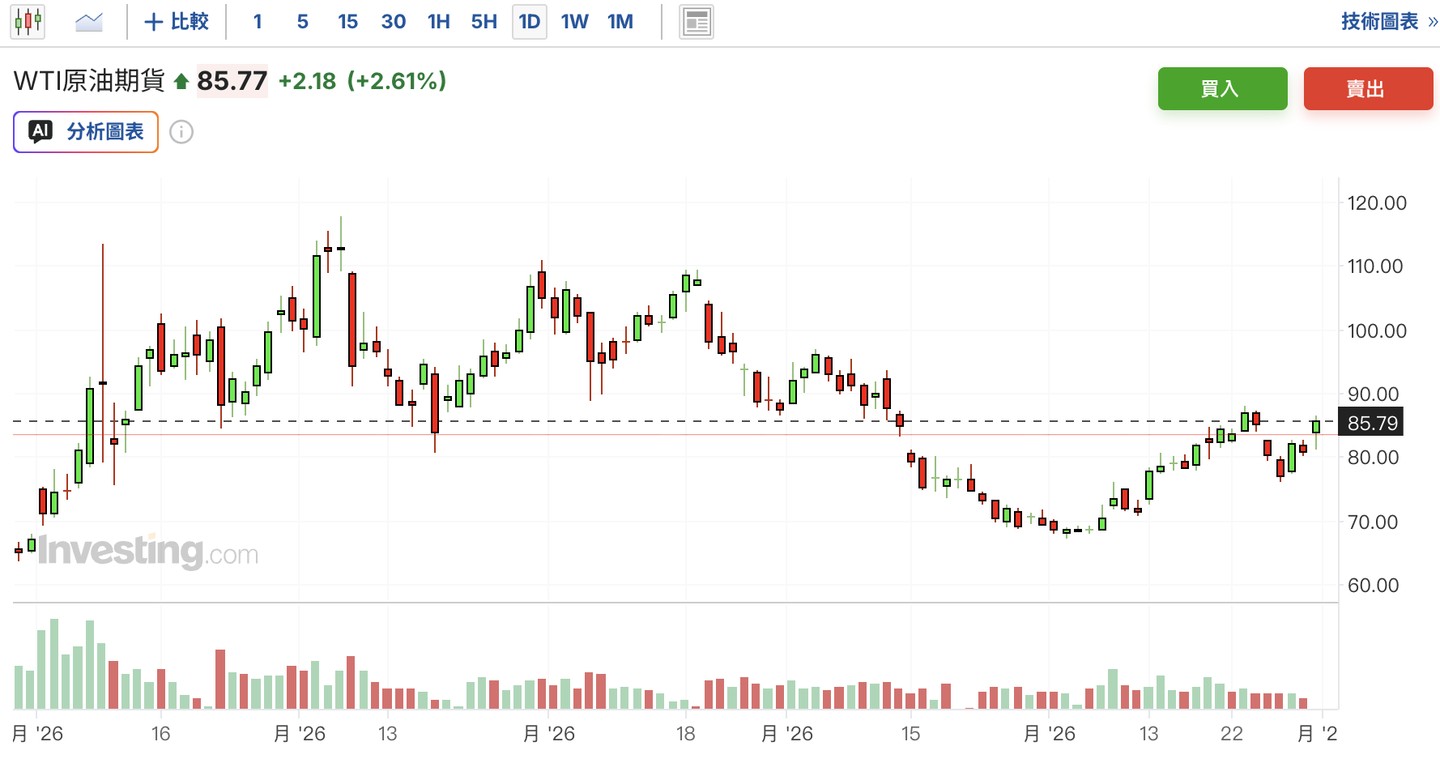
The crude oil market is already feeling the strain. US commercial crude oil inventories have fallen to their lowest level since September 2018, benchmark futures prices have returned to above $80 per barrel, and the national average retail price for gasoline has once again exceeded $4 per gallon.
While the initial round of SPR releases effectively suppressed the oil price shock at the onset of the conflict, market participants are widely skeptical about whether this effect can be replicated in the current round.
SPR Approaches Historical Lows, Limiting Scope for Further Large-Scale Releases
Current US SPR inventories stand at 307.7 million barrels, the lowest level since the early 1980s when the reserve was still in its filling phase, marking a historical trough over the past four decades. The significant drawdown in inventories stems largely from the historic releases during the Biden administration.
Analysts estimate that the SPR's operational minimum lies between 150 million and 200 million barrels; falling below this threshold would impair its normal functioning. Wright noted that current reserves remain "well above the operational minimum," but this statement itself reflects that the room for maneuver has narrowed considerably.
Notably, the March release utilized a "loan-exchange" structure, requiring companies to return the crude oil with interest after use. Wright stated that this means the SPR will ultimately recover approximately 40 million barrels more than the initial amount lent out. However, this benefit will only materialize in the future and does not directly alleviate the current supply gap.
Ongoing Conflict Disruptions Intensify Pressure on Energy Markets
Continuing clashes between the US and Iran are disrupting energy exports from the Middle East, creating systemic shocks to global supply chains. Tensions in the Strait of Hormuz have increased the risk premium for supply disruptions in the market, with rising crude oil futures prices directly transmitting to end consumers.
Currently, US refineries are operating at record production levels, yet they have failed to prevent gasoline prices from breaking the $4 mark once again.
The continued decline in commercial crude oil inventories is further tightening the market's safety cushion. Against a backdrop where supply-side pressures are unlikely to ease in the short term, the squeezing effect of rising energy prices on consumer and corporate costs is accumulating.
Uncertain Outlook for Remaining Release Plan, Ambiguous Policy Signals
In the final stages of the March release plan, policy direction remains uncertain. Wright indicated that the government is "likely" to continue offering the remaining 38.4 million barrels for sale, but his wording deliberately left room for maneuver without making a firm commitment.
An SPR sale tender in late June reflected weak market demand—at that time, oil prices had retreated, and both the US and Iran had briefly signaled moves toward a ceasefire.
However, as the conflict escalates again, the market landscape has changed significantly from that period. Whether the remaining reserves can enter the market smoothly, and the market's capacity to absorb them, remains to be seen.
For investors, this means that the current rise in oil prices lacks clear suppressing force from the policy level, and the risk premium for the energy sector may remain elevated for the duration of the conflict.