Expectations of US-Iran Deal Rise; Japan and South Korea Markets Close Higher, SK Hynix Up 5.7%; Oil Prices Fall, Gold Rises
 Complete. Here is the key summary
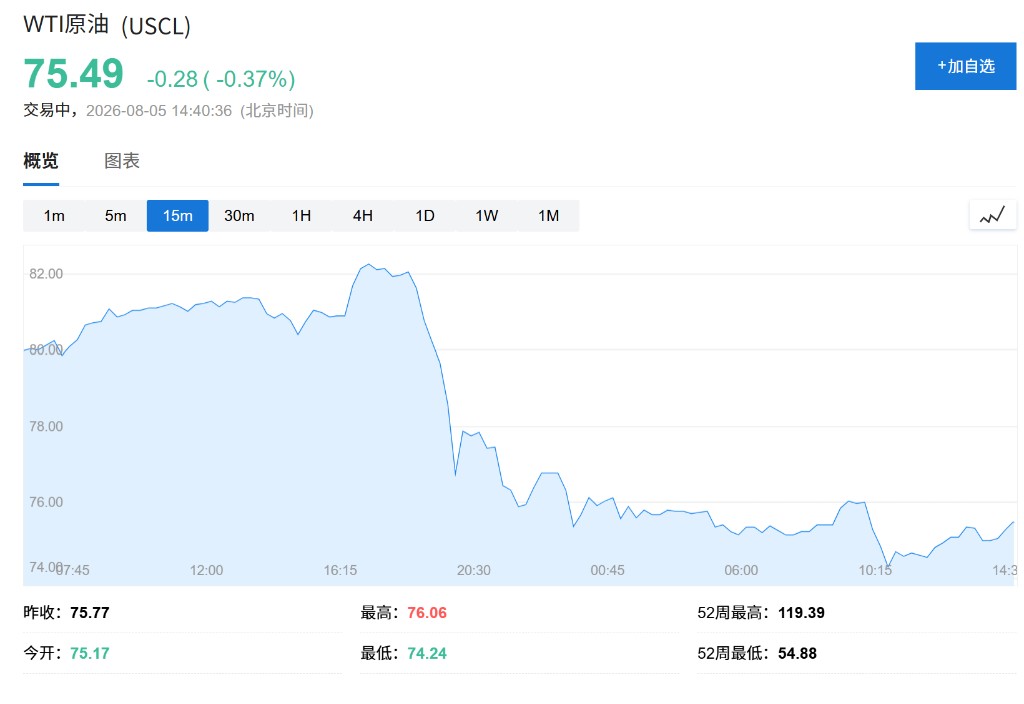
The MSCI World Index rose 0.4%, poised to set another record closing high, while the Asia-Pacific benchmark index gained 2.2%. The Nikkei 225 surged 3.66% to close at 66,300.44 points, with SoftBank rising over 13%; the South Korean KOSPI Index climbed 3.76% to 6,598.25 points, with SK Hynix up 5.77%. Brent crude fell 0.8% to around $78.75 per barrel, while US Treasuries and gold rose in tandem
Global stock markets continued to break records from Tuesday into Wednesday, as renewed enthusiasm for AI trading drove a sharp rebound in chip stocks. Meanwhile, growing expectations that the US and Iran would reach an agreement on transit through the Strait of Hormuz weighed on oil prices and the US dollar.
The MSCI World Index rose 0.4%, poised to set another record closing high, while the Asia-Pacific benchmark index gained 2.2%. The Nikkei 225 surged 3.66% to close at 66,300.44 points, with SoftBank rising over 13%; the South Korean KOSPI Index climbed 3.76% to 6,598.25 points, with SK Hynix up 5.77%.
Prior to this, both the S&P 500 and the Dow Jones Industrial Average closed at historic highs on Tuesday, with US and European stock index futures indicating a continuation of the upward trend. Chip stocks emerged as the core driver of this rebound. NVIDIA rose 2.2% in after-hours trading, boosted by Elon Musk's strong promotion of its Vera Rubin chip.
According to Xinhua News Agency, Iranian Foreign Ministry spokesperson Baghaei stated on the 4th that Iran is still negotiating with Oman regarding the Strait of Hormuz, achieving "positive progress" at both technical and political levels. US Treasury Secretary Bessent indicated that an agreement could be reached as early as Tuesday or Wednesday. Brent crude fell 0.8% to around $78.75 per barrel, while US Treasuries and gold rose in tandem, as market expectations for Federal Reserve rate hikes cooled.
- The Nikkei 225 closed up 2,342.91 points, or 3.66%, at 66,300.44 points, with SoftBank rising 13% and Kioxia up 4.8%. The South Korean KOSPI Index closed up 239.3 points, or 3.76%, at 6,598.25 points; SK Hynix rose 5.77%, and Samsung Electronics gained 2.5%.
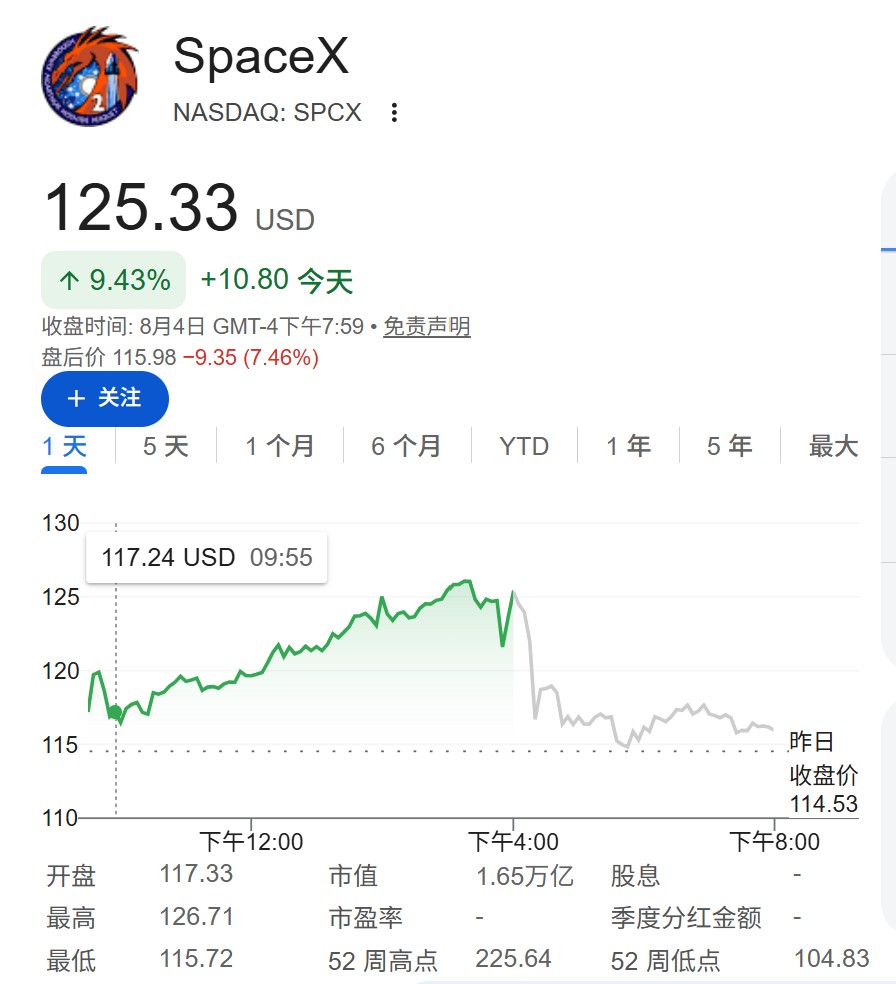
- AMD plunged about 9% in after-hours trading, SpaceX shares fell 7.5% in extended trading hours, and NVIDIA rose 2.2% in after-hours trading.
- The yield on the 10-year US Treasury note fell 2 basis points to 4.59%, continuing its gains from the New York session.
- The US Dollar Index fell 0.1%, marking its third consecutive daily decline.
- Brent crude fell 0.8% to around $78.75 per barrel.
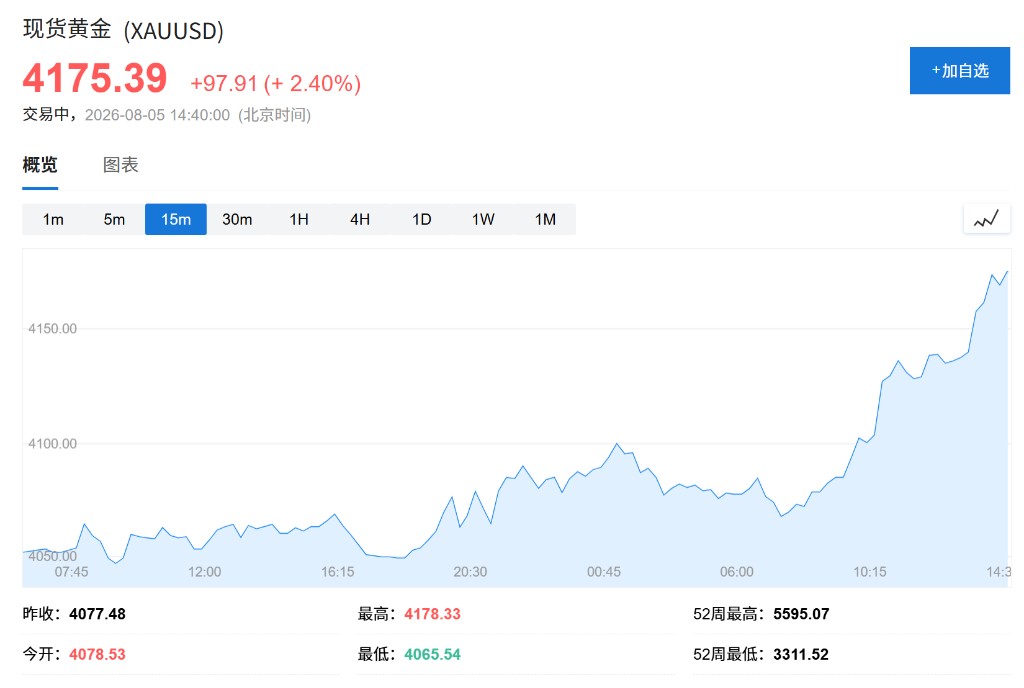
- Gold rose 2.2% to around $4,165 per ounce, with silver and platinum also rising in tandem.
Tech Giants' Earnings Boost Confidence in AI Investment
The core logic driving this rebound is that strong earnings from the tech sector have alleviated market concerns about the sustainability of AI capital expenditure. The violent volatility in AI concept stocks last month caused losses for many hedge funds, but the recent impressive performance of tech giants is gradually restoring investor confidence.
"The tech earnings reports from the past week clearly indicate that AI investment will continue to grow significantly," said Vey-Sern Ling, Managing Director at Union Bancaire Privée. "This is quite reassuring for investors, especially as valuations have become much more reasonable following the recent pullback."
The MSCI Global Semiconductor Index had fallen more than 20% from its June peak. Since then, the index has rebounded 15% from its lows, bringing its year-to-date gain to 42%. The relevant index measuring US chip stocks had just recorded its strongest four-day gain since 2020.
However, the market was not without noise. AMD plunged about 9% in after-hours trading due to disappointing sales guidance; SpaceX shares fell 7.5% in extended trading hours after the company projected higher-than-expected spending on its AI business.
Triple Pressure Eases Simultaneously, Supporting Tech Stock Valuations
Charu Chanana, Chief Investment Strategist at Saxo Markets Singapore, pointed out that the rebound in tech stocks is due to the simultaneous easing of the triple pressure behind the recent sell-off: concerns over AI spending, rising bond yields, and climbing oil prices. Strong earnings confirmed that AI demand remains robust, while the decline in oil prices and bond yields has eased valuation pressure.
"But this is not an all-clear signal, especially as the returns on AI capital expenditure remain to be verified," Chanana added. "However, after leverage and crowded positions were washed out, even mild positive news can bring about a rebound that exceeds expectations."
The yield on the 10-year US Treasury note fell 2 basis points to 4.59%, continuing its gains from the New York session; after the Reserve Bank of India held rates steady, the yield on India's 10-year government bonds fell further. The US dollar weakened broadly against G10 currencies, with the Bloomberg US Dollar Index falling 0.1%, marking its third consecutive daily decline. Gold rose 2.2% to around $4,165 per ounce, with silver and platinum also rising in tandem—non-yielding precious metal assets benefit significantly when expectations for rate hikes cool.
Expectations of US-Iran Deal Rise, Oil Market Faces Short-Term Two-Way Risks
On the geopolitical front, it was reported that the US, Iran, and Oman are close to reaching an agreement to reopen the Strait of Hormuz—a key channel for global energy supply. Once navigation resumes, it will help stabilize global commercial shipping and eliminate the tail risk of another conflict erupting in the Middle East.
Trump told reporters in Los Angeles on Tuesday evening that negotiations with Iran were "progressing very smoothly" and that there would be "results within 48 hours." Qatar stated that a draft agreement had been finalized, and officials from both the US and Iran expressed optimism about reaching a deal.
However, market analysts warned of the risk of reversals in the short term. Tony Sycamore, an analyst at IG Markets Sydney, wrote in a research note: "The oil market has already priced in a lot of optimistic expectations, and the risk of a repeat of last week's 'false dawn' still realistically exists, with the risk balance gradually tilting upwards."