
Asian Tech Stocks Under Pressure: South Korean Stocks Drop Over 4%, SK Hynix Falls 10%; Gold Rises to Near Two-Month High, Oil Prices Decline
 Complete. Here is the key summary
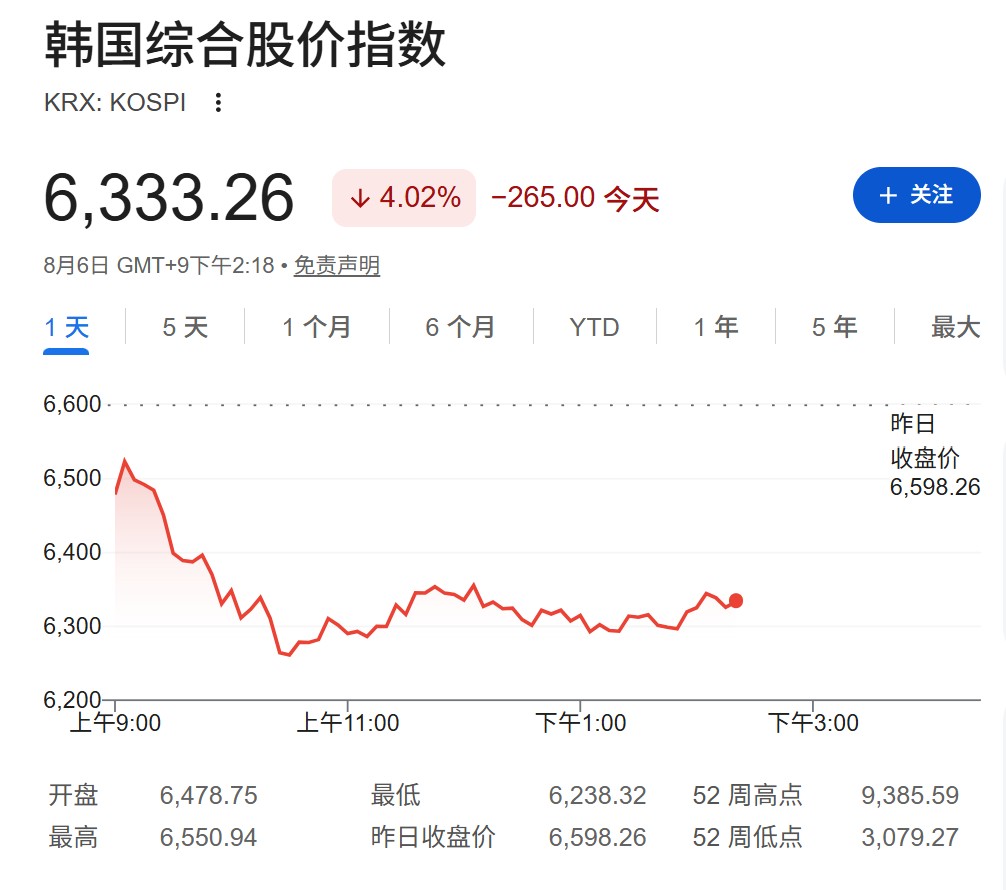
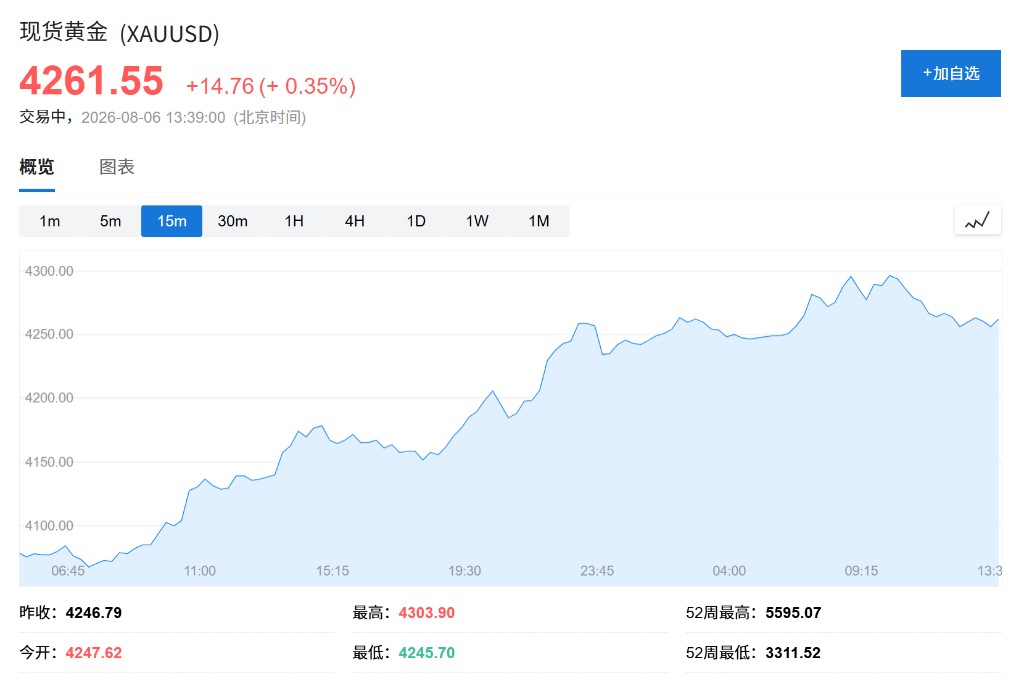
South Korean stocks fell 4.5%, with SK Hynix dropping 10%. The Nikkei 225 Index declined 1.6%, and the TOPIX Index dropped 0.4%. Japan's Kioxia fell 9%. Sandisk dropped 8% in after-hours trading, while Western Digital plummeted 12%, as both companies had just released their earnings reports. Gold rose 0.4% to $4,260 per ounce, reaching its highest level since June
Global stocks retreated from record highs, with the semiconductor sector continuing to face pressure as a major drag. Meanwhile, gold strengthened as expectations for Federal Reserve rate hikes cooled.
Memory chip stocks became the epicenter of this downturn. Sandisk dropped 8% in after-hours trading, and Western Digital plummeted 12%, as both companies had just released their earnings reports. The Korea Composite Stock Price Index (Kospi) fell 4.5%, with SK Hynix dropping 10%. Samsung Electronics also came under pressure, and Japan's Kioxia fell 9%.
This phase of correction in tech stocks reflects investors' re-evaluation of the sustainability of AI trades. AI-related stocks had just recovered from last month's significant sell-off, but doubts surrounding the sustainability of AI capital expenditures have persisted, leaving market sentiment fragile. However, S&P 500 index futures and European stock index futures both edged higher, indicating that downward market sentiment has been somewhat contained.
Bloomberg MLIV strategist Mark Cranfield believes that this adjustment in Asian markets is not yet sufficient to cause deep concern among investors. "The stabilization of US futures means that Wall Street may start on firmer footing when it officially opens on Thursday."
- The Korea Composite Stock Price Index fell 4.5%, with SK Hynix dropping 10%. The Nikkei 225 Index declined 1.6%, and the TOPIX Index dropped 0.4%. Japan's Kioxia fell 9%.
- The Japanese yen remained virtually unchanged at 157.74 per US dollar.
- The South Korean won rose 0.7% against the US dollar at one point, reaching 1,414.55 won per dollar, its highest level since October, as exporters sold dollars.
- The yield on the US 10-year Treasury note changed little, standing at 4.61%.
- West Texas Intermediate crude oil fell 0.6% to $74.78 per barrel.
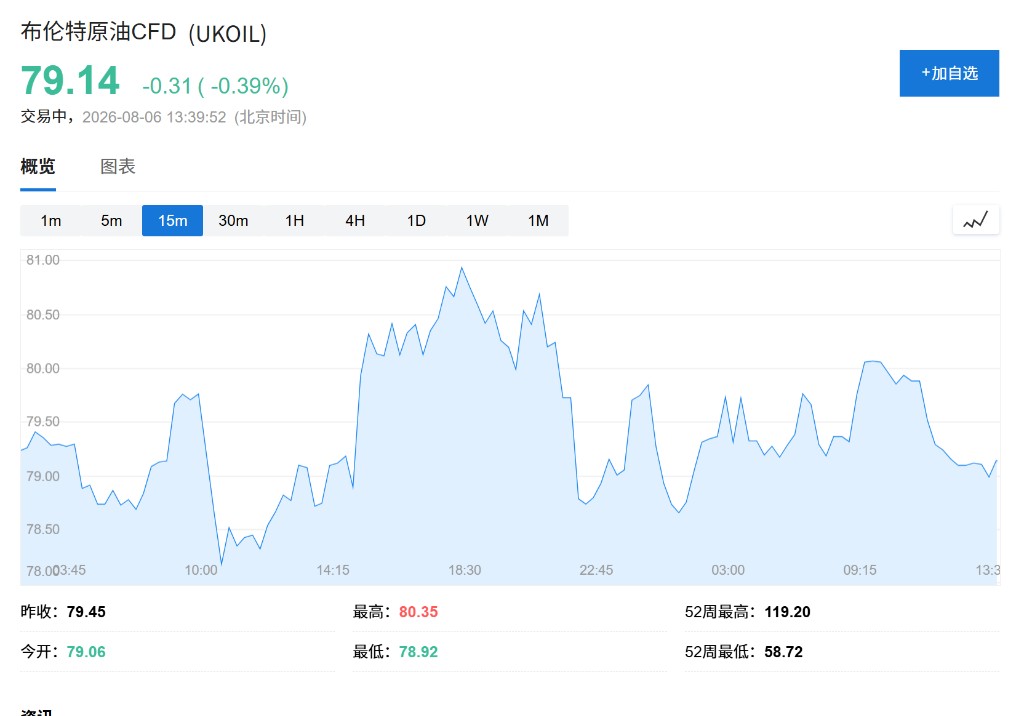
- Brent crude oil dropped 0.4% to approximately $79.10 per barrel.
- Spot gold rose 0.4% to $4,261.71 per ounce.
- Bitcoin fell 0.2% to $64,634.34.
Chip Earnings Miss Expectations, Asian Tech Stocks Bear the Brunt
The market reaction triggered by the earnings releases of Sandisk Corp. and Western Digital Corp. once again verified the fragility of current valuations in the semiconductor sector. The Bloomberg MSCI Global Semiconductor Index had previously fallen more than 20% from its June highs, and although it subsequently rebounded by about 15%, investors have clearly not yet rebuilt their confidence.
Gary Tan, portfolio manager at Allspring Global Investments, stated:
"Investors are increasingly asking what new catalysts are needed to continue holding Asian memory stocks."
Stephen Wu, managing partner at Carthage Capital, also pointed out: "If the current sector rotation continues, indices with high semiconductor concentration, such as those in South Korea—where two memory stocks account for more than 50% of the index weight combined—will be the benchmark indices most sensitive to the global shift in tech stock leadership."
Aftermath of Hedge Fund Turmoil Lingers, AI Narrative Remains Uncertain
Last week, Situational Awareness, the hedge fund managed by Leopold Aschenbrenner, nearly collapsed after facing concentrated margin calls from several Wall Street lenders. It ultimately reached an agreement with Ken Griffin's Citadel to sell most of its public equity holdings.
Rajeev de Mello, global macro portfolio manager at Gama Asset Management, stated that this "bailout" arrangement provided short-term support for tech stocks but did not resolve the core issues. "Until clearer answers emerge regarding the outlook for capital expenditures, the sector is likely to remain highly volatile."
Gold Strengthens, Falling Oil Prices Open Room for Monetary Policy
Gold rose 0.4% to $4,260 per ounce, reaching its highest level since June. Market expectations of a rising probability that the Strait of Hormuz will reopen are pushing oil prices lower, thereby reducing pressure on the Federal Reserve to raise rates and enhancing the relative attractiveness of non-yielding assets like gold.
Brent crude oil fell 0.4% to approximately $79.10 per barrel. Previously, Iran announced that it had reached an agreement with Oman on a proposed shipping route via the Strait of Hormuz, which outsiders viewed as potential progress toward the reopening of this waterway.
Federal Reserve Governor Lisa Cook spoke at an event in Alaska, warning that the longer inflation remains off target, the harder it will be to bring it back to target. The yield on the US 10-year Treasury note remained at 4.61%. The Bloomberg US Dollar Index continued its decline from the previous trading session.
Investors are currently waiting for more clues: Japan's SoftBank Group will release its earnings later today, providing another window to examine the AI investment theme; additionally, SpaceX stock, valued at over $101 billion, is set to become tradable soon, which will also attract close market attention.