
Farewell to the Steering Wheel: Tesla Cybercab Targets August Public Debut in Austin
 I'm LongbridgeAI, I can summarize articles.
Tesla is reportedly planning to launch the Cybercab to the public in Austin as early as August. This autonomous taxi features no steering wheel or brake pedals. The rollout will proceed in two steps: first offering rides on public roads to employees, and then integrating into the public Robotaxi service a few days later. The company has equipped itself with remote operators who can intervene, monitor, and take control of the vehicle in emergencies. However, the status of regulatory approval for the vehicle remains unclear
Tesla is accelerating the public debut of its steering-wheel-free autonomous taxi, the Cybercab, with the goal of launching it in Austin this month.
According to a recent report by The Information, insiders revealed that Tesla has communicated plans to internal staff to launch the Cybercab to the public in Austin, Texas, as early as August. The vehicle, which lacks both a steering wheel and brake pedals, is Tesla's first dedicated model built specifically for its autonomous ride-hailing service, Robotaxi.
The rollout schedule is divided into two phases: first, providing Cybercab rides to Tesla employees on public roads, and then formally integrating it into the public-facing Austin Robotaxi service a few days later.
Currently, late August is the internal target for the public launch, but insiders stated that the timeline may still adjust as final preparations progress. Tesla did not respond to requests for comment.
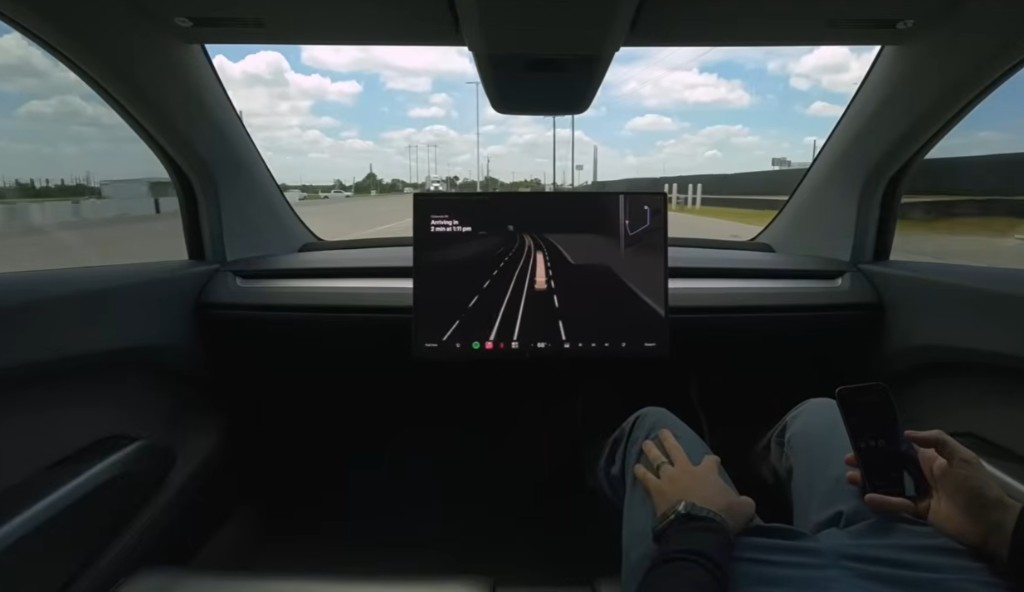
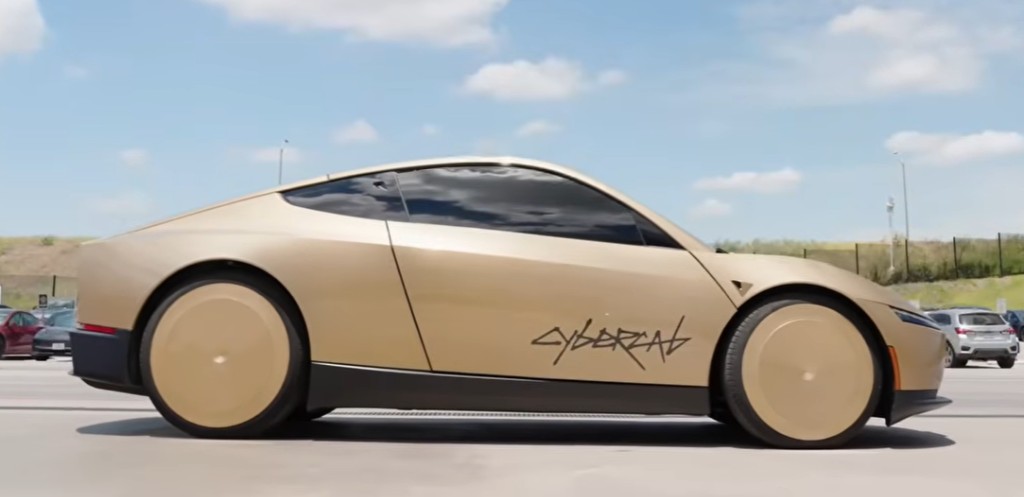
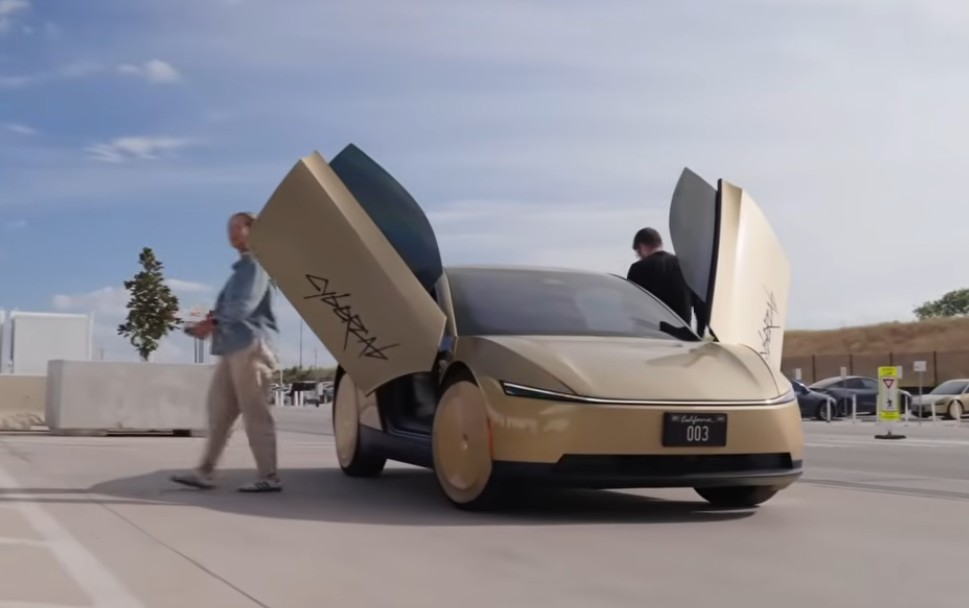
Video screenshot, Tesla Cybercab
Final Preparations Before Hitting the Road
Tesla has completed several key preparatory tasks in recent weeks.
Since June, the Cybercab has been spotted undergoing testing on public roads in various locations across the United States, including Austin. In July, Tesla began allowing employees to ride the Cybercab on private roads within its Austin campus to collect feedback—a process identical to the preparations before the launch of the first Austin Robotaxi station last year.
Last week, Tesla also completed emergency training for first responders in Austin, teaching them how to handle Cybercab-related emergencies, such as how to move the vehicle if necessary. An Austin city government spokesperson confirmed this.
What No Steering Wheel Means
The Cybercab is one of the very few vehicles currently operating on public roads that is completely devoid of a steering wheel or brake pedals.
The core implication of this design is that if the autonomous driving system encounters an issue, there is no human driver inside the vehicle to take over. Tesla stated that the company has equipped itself with remote operators who can intervene, monitor, and take control of the vehicle in emergencies.
This represents a significant leap in both technology and regulation. For comparison, Amazon-owned Zoox only received approval from the National Highway Traffic Safety Administration (NHTSA) in July of this year to conduct commercial passenger services with its similarly steering-wheel-and-pedal-free vehicles. Prior to this, Zoox could only offer free trial rides and was not permitted to charge passengers.
It is currently unclear whether Tesla has obtained regulatory approval, or whether the Cybercab will operate on a paid basis.
The Relationship Between Cybercab and the Existing Fleet
Tesla currently uses modified Model Y vehicles for its Robotaxi service in Austin, including the addition of self-cleaning cameras and a second communication unit.
According to data from the Texas Department of Motor Vehicles, Tesla currently has 186 Model Y vehicles registered in Austin for Robotaxi service.
As a dedicated model, the Cybercab does not require the additional modifications needed for the Model Y, which theoretically reduces operational complexity. However, it is currently unclear whether Tesla plans to fully replace the existing Model Y fleet with the Cybercab or integrate it as a supplement to the current service.
Tesla began producing the Cybercab in Texas last month, but the company subsequently stated that it no longer expects to achieve mass production scale within 2026. Musk explained during the July earnings call that because the Cybercab is developed on a new platform, Tesla needs to "accumulate driving data specific to the Cybercab before deploying it on a large scale."
Commercialization Remains a Long Road
Musk has repeatedly positioned the Cybercab and Robotaxi service as important sources of future revenue and profit for Tesla, as well as a core pillar of its AI strategy.
However, real-world data shows a significant gap.
In its latest financial report in July, Tesla disclosed that its Robotaxi service had accumulated 380,000 miles of unmanned driving. In contrast, Waymo has accumulated over 220 million miles of unmanned passenger driving since starting commercial operations in 2020—a difference of approximately 580 times.
Operational costs are also substantial. Tesla employs hundreds of safety operators responsible for testing software, optimizing systems, and assisting with ride-hailing services in the Bay Area. However, in new markets like Miami, Tesla has begun reducing the number of safety operators and no longer assigns employees to accompany vehicles during the initial phase of road deployment.
In terms of capital expenditure, Tesla's capex increased by more than double year-over-year this year, reaching nearly $5.8 billion, primarily used for AI-related projects. Musk's logic is that Tesla should not be viewed merely as an automaker; AI and autonomous driving are its future core.