
 I'm LongbridgeAI, I can summarize articles.
Tesla inaugurated its Semi factory in Nevada, unveiling major upgrades including electric steering, a new heat pump thermal management system, and acoustic glass. The redesigned truck features upgraded motors with Cybertruck-style components, switches to lighter 4680 battery cells to boost payload capacity, and adds automated pre-trip inspections and e-logs to streamline operations.
Tesla officially inaugurated its Semi factory in Sparks, Nevada, on Thursday evening, revealing several previously undisclosed upgrades to its redesigned electric truck.
Beyond the exterior changes and efficiency improvements already announced, Tesla has made significant changes under the hood that should make the Semi cheaper to build, more efficient, and better suited for long-haul trucking.
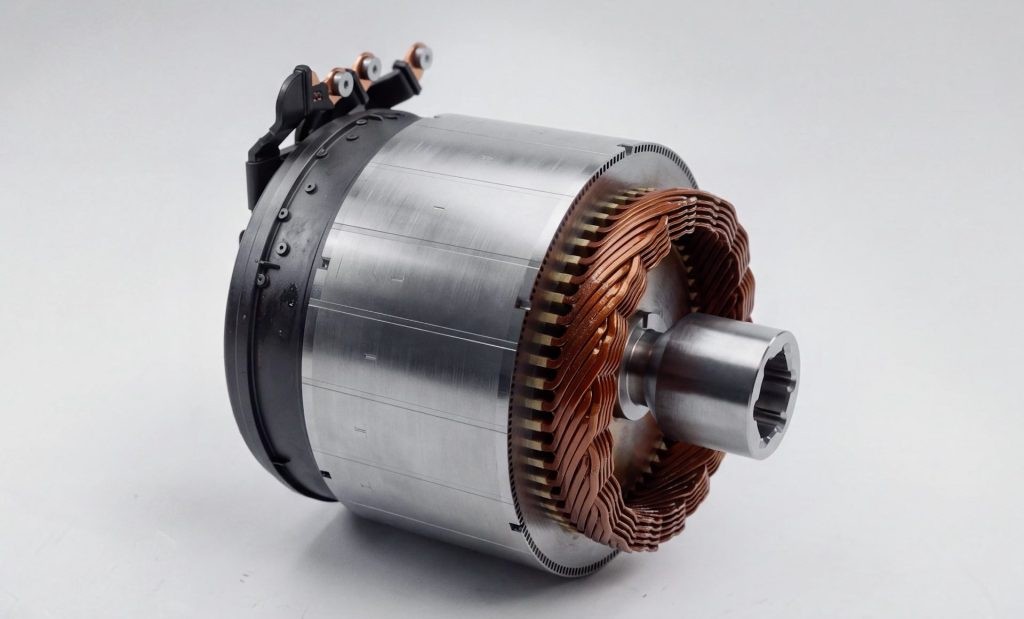
One of the biggest changes is the Semi’s upgraded electric motors, which now feature a steel-caged rotor and bar-wound stator, sharing the same design found in the Cybertruck.
Another significant change is the introduction of fully electric steering. Tesla says the Semi is the first heavy-duty truck to eliminate hydraulic steering entirely, a move the company says lays the “groundwork for future autonomy.”
The redesigned Semi also introduces a new thermal management system called the Megamanifold, which uses a heat pump to manage temperatures in both the cabin and powertrain. Tesla says the same technology is used in the Cybercab.
This could be particularly beneficial for Canadian operators, where maintaining cabin comfort and battery temperatures during harsh winters can consume significant amounts of energy.
Inside the cab, Tesla has added acoustic glass to reduce road noise, along with a roll-down window, addressing a practical feature missing from earlier versions of the truck.
Drivers will also benefit from automated pre-trip inspections and integrated electronic logs (e-logs), helping simplify two routine but essential parts of commercial trucking.
Tesla also provided more detail about the switch from 2170 battery cells to their in-house 4680 cells. According to Tesla, the larger cells reduce the weight of the battery pack without sacrificing range, while also lowering production costs.
For a heavy-duty truck, reducing battery weight is particularly important. Every kilogram saved can potentially translate into additional payload capacity, making the Semi more competitive with traditional diesel trucks.