

LiuGong brings electric heavy equipment options to North America [video]
 I'm LongbridgeAI, I can summarize articles.
Chinese equipment manufacturer LiuGong has officially launched its battery-electric heavy equipment portfolio in the United States and Canada. The launch includes models such as wheel loaders, excavators, and reach stackers, aiming to help construction and forestry fleets decarbonize. LiuGong claims these electric machines can reduce operating costs by 40% to 50% compared to diesel equivalents, leveraging over 15 years of global experience with more than 60,000 deployed units.
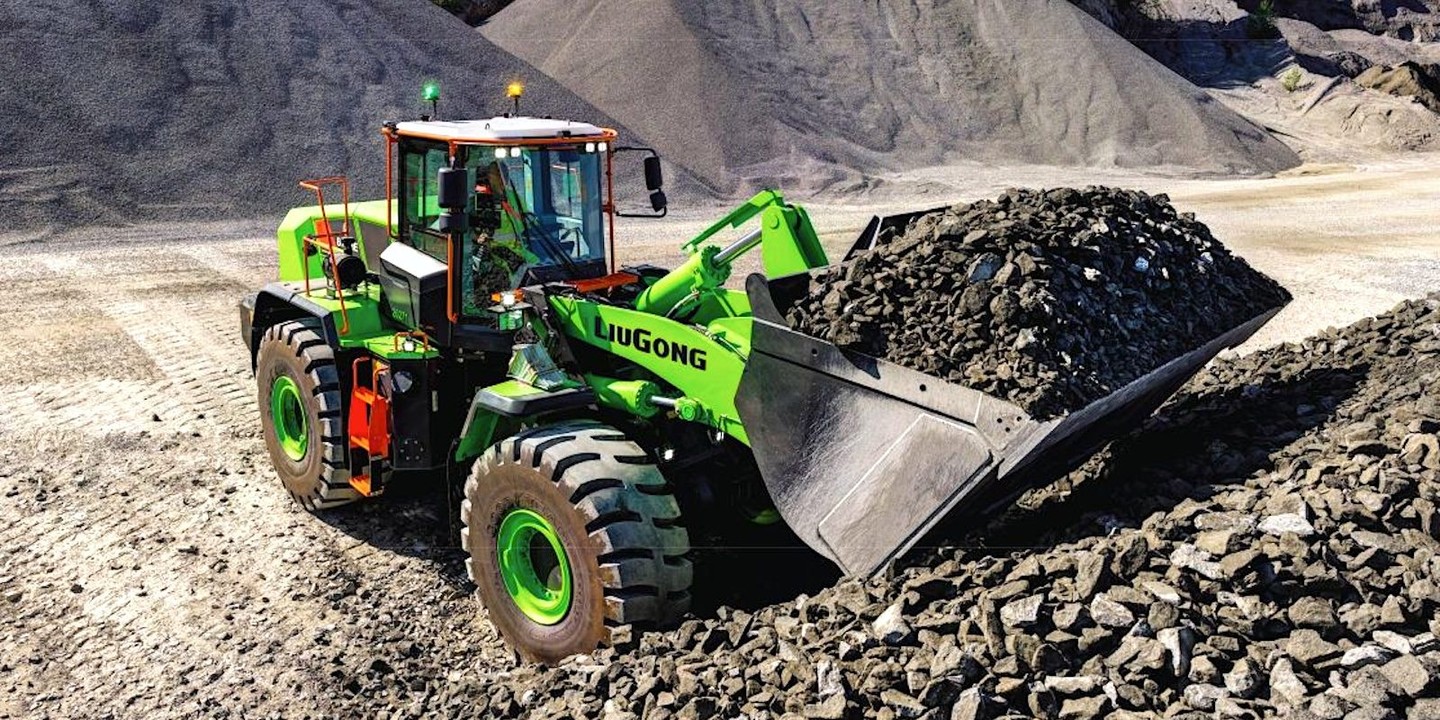
This week, Chinese equipment brand LiuGong officially launched its battery-electric equipment and material handling asset portfolio in the United States and Canada, making it easier than ever for construction and forestry crews to decarbonize their fleets.
With over 15 years’ experience developing battery electric equipment assets and more than 60,000 electric machines deployed across its global customers’ fleets, LiuGong is entering the North American market with a comprehensive portfolio of proven HDEVs that includes the 856HE Battery-Electric Wheel Loader, 820TE Battery-Electric Loader, 924FE Battery-Electric Excavator, and LRSE4531E Fully Electric 45-Ton Reach Stacker, representing one of the industry’s broadest battery-electric equipment portfolios available from a single manufacturer.
“Customers shouldn’t have to choose between proven performance and zero-emission technology,” explains Andrew Ryan, President of LiuGong North America. “Our battery-electric platform has already proven itself through millions of commercial operating hours around the world. Now we’re bringing that experience to North America with machines engineered specifically for this market and backed by years of commercial operation.”
Big and green
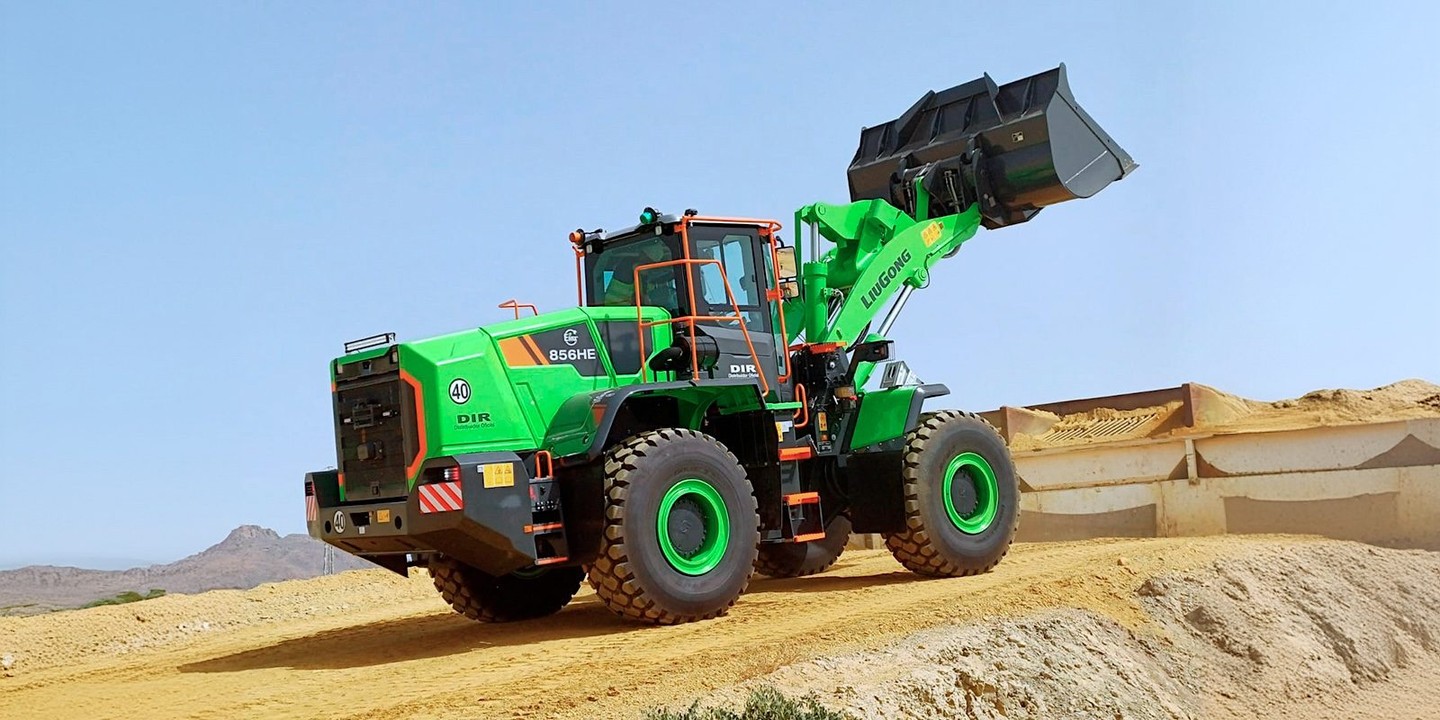
LiuGong says its US-market HDEVs can reduce operating costs by 40% to 50% compared to similar diesel-powered machines, citing reduced fuel costs, maintenance requirements, and replacement parts costs as the reasons why –but they probably could (and should) add that the increased operator retention, fewer sick days, and easier employee recruiting that come with EVs are money savers, as well.