

Xiaomi unveils 3-nm Xring D100 smart-driving chip, plans commercial use in 2027
 I'm LongbridgeAI, I can summarize articles.
Xiaomi unveiled the Xring D100, China's first high-computing-power smart-driving chip built on a 3-nm process. Capable of running models with up to 200 billion parameters locally, it is scheduled for commercial use in 2027. This move extends Xiaomi's semiconductor push into automotive computing, joining rivals like Nio and Li Auto in developing in-house chips to reduce costs and improve AI efficiency.
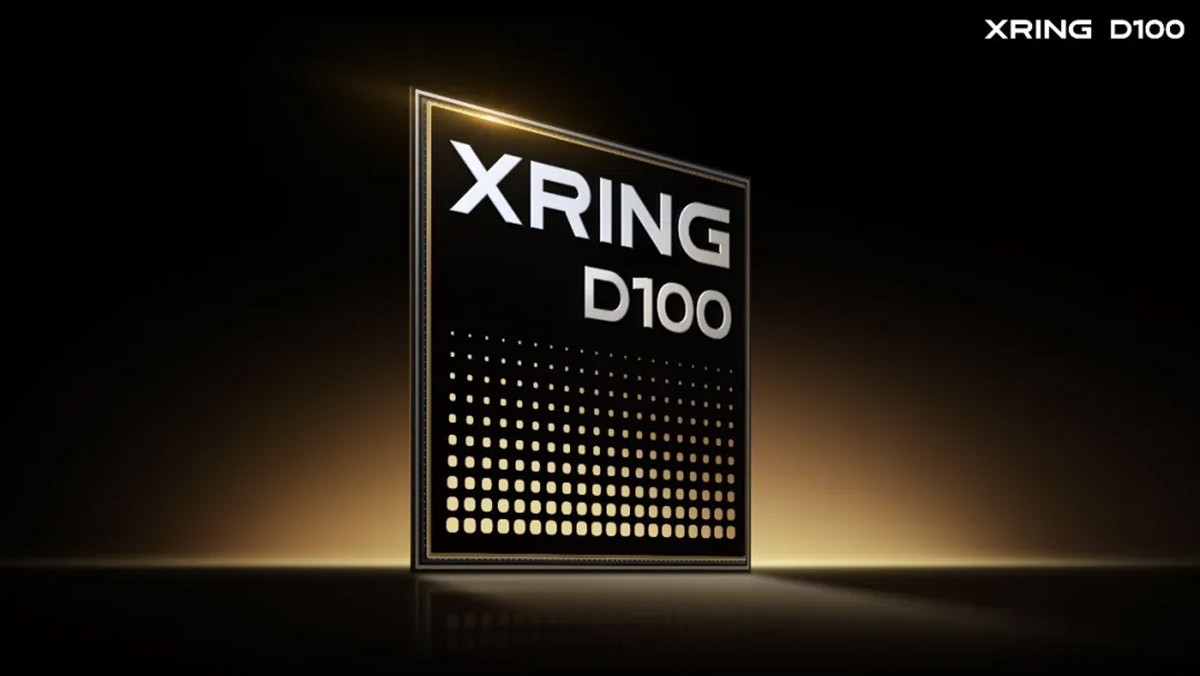
- Xiaomi said the Xring D100 is China's first high-computing-power smart-driving chip built on a 3-nm process and can run models with up to 200 billion parameters locally.
- The chip has completed all validation and is scheduled for commercial use in 2027.
Xiaomi (HKEX: 1810) has unveiled its first in-house smart-driving chip, the Xring D100, extending its semiconductor push into core automotive computing.
The Chinese tech giant said on Monday that the D100 is China's first high-computing-power smart-driving AI chip built on a 3-nm process. The product has completed all validation and is scheduled for commercial use in 2027.
The D100 has a 20-core high-performance CPU and a 16-core NPU and supports up to 160 GB of unified memory. Xiaomi said it can run large language models with as many as 200 billion parameters locally.
Join us on Telegram or Google News
Xiaomi has yet to disclose the D100's computing power in TOPS, its foundry or the first vehicle to use it. The company also did not provide a specific timetable for installing the chip in vehicles.
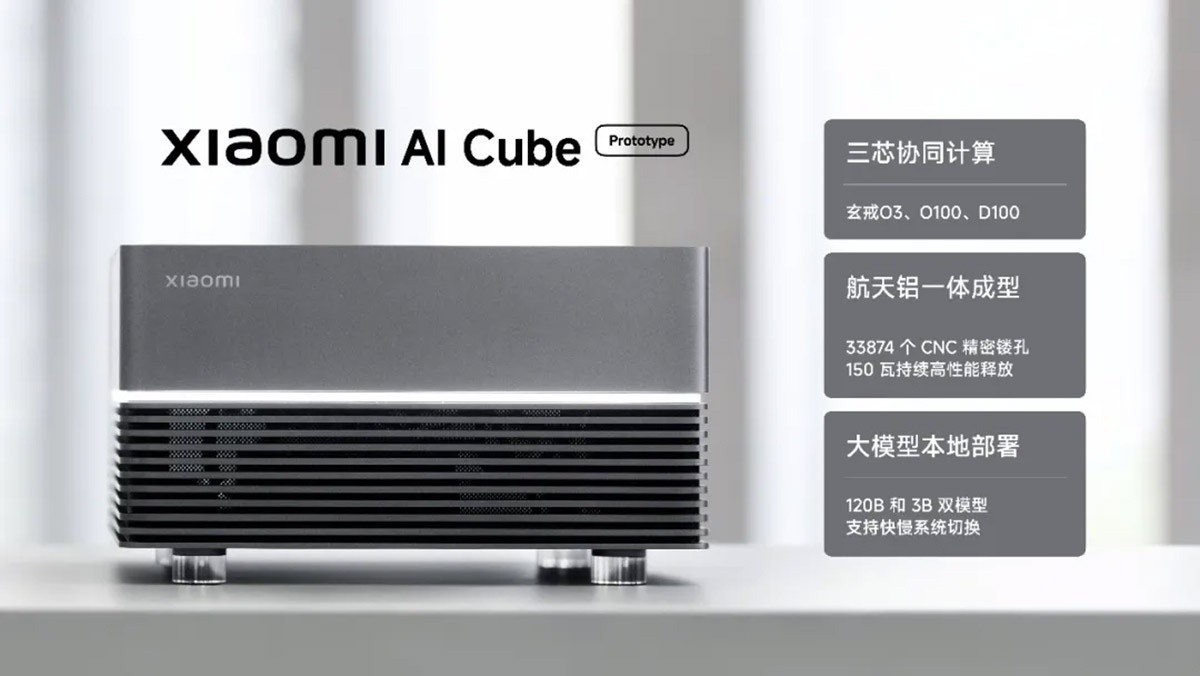
Before its commercial roll-out, Xiaomi has installed the D100 in an AI Cube Prototype desktop AI terminal. The prototype runs 120B and 3B models locally and supports switching between fast and slow systems.
Xiaomi's electric vehicle (EV) models currently mainly rely on Nvidia Thor chips to power their smart-driving systems, after previously using Nvidia Orin chips.
The D100 was announced alongside the Xring O3 and Xring O100 on the same day, with all 3 chips having completed validation. The O3 will debut in the Xiaomi 18 Fold, while the O100 is also scheduled for commercial use in 2027.
Xring O3 is a mobile SoC, while Xring O100 is an AI acceleration chip designed specifically for large models.
Xiaomi said it has invested more than 21 billion yuan ($3.1 billion) since restarting its chip development program and now has a chip team of nearly 3,000 experts.
The D100 further draws Xiaomi into a race among Chinese EV makers to develop in-house smart-driving chips, as they seek to reduce costs and improve AI system efficiency through closer hardware-software integration.
Nio Inc's (NYSE: NIO) in-house 5-nm Shenji NX9031 is already used in Nio and Onvo models, with cumulative shipments exceeding 300,000 units. Nio has previously said that a single Shenji NX9031 chip delivers over 1,000 TOPS of computing power.
Li Auto's (NASDAQ: LI) 5-nm Mach M100 delivers 1,280 TOPS per chip and has been installed in multiple models, including the new Li L9, Li L8 and Li L6.
Xpeng (NYSE: XPEV) has also deployed its Turing chip in its own vehicles and some Volkswagen models in China.
Compared with Nio's and Li Auto's 5-nm products, Xiaomi's D100 uses a more advanced 3-nm process. Still, a direct performance comparison is difficult before Xiaomi discloses its computing power.
Whether the D100 can enter vehicles as planned in 2027 and achieve sufficient scale to amortize its heavy research and development spending will be the next test of Xiaomi's chip strategy.
Xiaomi's financial results released earlier this month showed that its new initiatives, including EVs and AI, posted a loss from operations of 2.6 billion yuan in the second quarter. The loss was mainly due to a lower share of SU7 Ultra deliveries, higher prices for core components and increased AI-related costs.
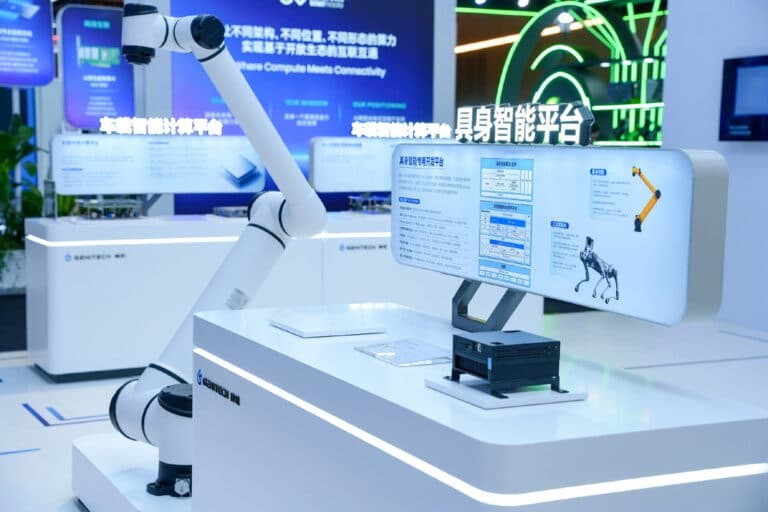
Nio moves beyond cash-burning EV label on chip unit's AI push, Morgan Stanley says
Morgan Stanley says GeniTech's debut at WAIC 2026 takes Nio's stock narrative one step further toward a vertically integrated AI chip platform.
($1 = 6.7841 yuan)