

[Schedule Release] The 2025 Fourth Yangtze River Delta Single-Cell Genomics Technology Application Forum and Spatial Genomics Frontier Forum is grandly presented in the New Year, featuring a gathering of industry leaders, with free registration now open!
 I'm LongbridgeAI, I can summarize articles.
From February 28 to March 1, 2025, the Fourth Yangtze River Delta Single-Cell Genomics Technology Application Forum and Spatial Genomics Frontier Forum will be held in Shanghai. The forum aims to promote academic exchanges on single-cell and spatial genomics technologies, focusing on research progress in areas such as tumor microenvironment and immunotherapy. Several domestic and international experts will participate in discussions on related technologies, applications, and market feedback. The forum is jointly organized by multiple institutions and is now open for free registration
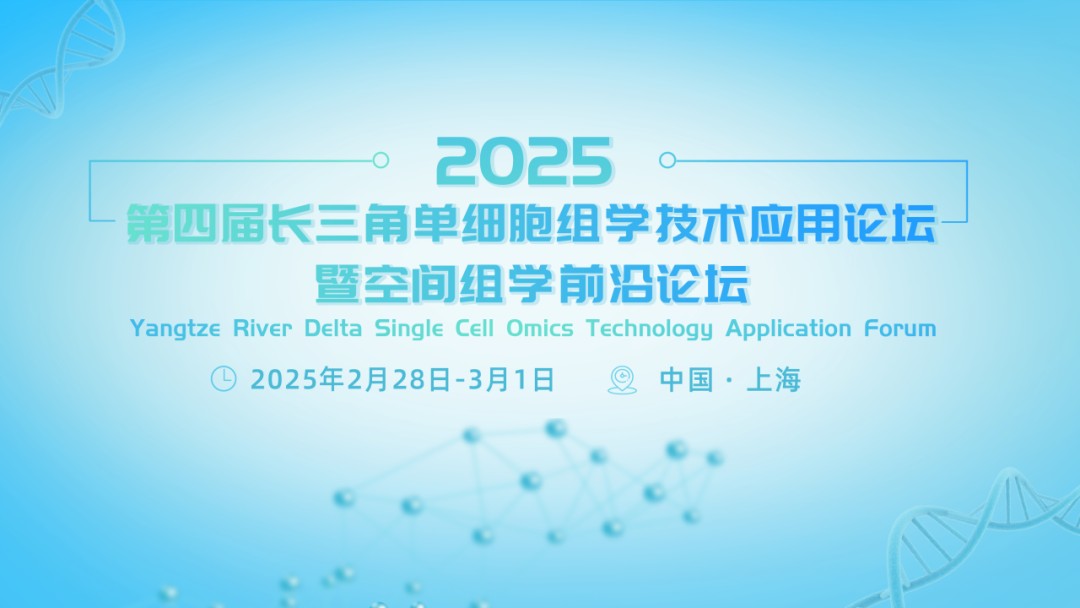

Forum Background

In recent years, the development of single-cell and spatial omics technologies has been advancing rapidly, with widespread applications in tumor microenvironment and immunotherapy, neurological diseases and mechanisms, reproductive health and diagnostics, drug screening, and vaccine development. These technologies are at the forefront and research hotspots in the current life sciences field. To strengthen academic exchanges in single-cell and spatial omics technologies both domestically and internationally, and to promote the in-depth development of basic research, translation, and clinical research in single-cell and spatial omics, the Translational Medicine Network, in collaboration with the Gene Testing Technology Branch of the China Pharmaceutical Biotechnology Association, the Genetic Diagnosis Branch of the Chinese Society of Genetics, and several other organizations, has initiated the China Single-Cell and Spatial Omics Series Forum: Yangtze River Delta, Southwest, and Beijing forums. The aim is to build a platform for academic, industry, research, and medical exchanges and collaborations in single-cell and spatial omics, further promoting the development of related industries. As the first event of 2025, the “Fourth Yangtze River Delta Single-Cell Omics Technology Application Forum and Spatial Omics Frontier Forum” will be held in Shanghai, China from February 28 to March 1, 2025.
As the first showcase of the year, this four-year appointment will gather dozens of leading experts from home and abroad to engage in in-depth exchanges and discussions on topics such as the frontiers of single-cell and spatial omics research, technological advancements, application scenarios, clinical needs, market feedback, bottleneck analysis, and opportunities and challenges. Topics will include the frontiers and translation of single-cell omics, innovations and applications in spatial biology technology, proteomics and metabolomics research and clinical applications, interdisciplinary innovative development, bioinformatics analysis, drug development, tumor immunotherapy, key dialogues between basic and clinical research, single-cell epigenetics, and microbial single-cell omics Here, we sincerely invite you to join the grand event!

Time and Location

Time: February 28 - March 1, 2025
Location: Shanghai Zhongyou Sunshine Hotel (No. 969, Dongfang Road, Pudong, Shanghai)

Organizers

Gene Testing Technology Branch of the China Association of Pharmaceutical Biotechnology
Genetic Diagnosis Branch of the Chinese Society of Genetics
Frontier Technology and Clinical Translation Committee of the World Chinese Physicians Association
Yangtze River Delta Integration Gene Testing Alliance
New Source Translational Medicine Center
Shanghai Society of Genetics
Translational Medicine Network

Co-organizers

Shanghai Modern Service Industry Federation Health Service Committee
Biomedicine Translation Branch of the Shanghai Medical Association
Biotechnology Industry Association of Pudong New District, Shanghai

Forum Agenda
 February 28, 09:00-17:55


Opening Ceremony & Guest Speeches Section
Speech by the Academic Chair, Speech by the Organizer Representative
Establishment Ceremony of the Single-Cell Biomedical Alliance
Translational Medicine Forum One
Chairs: Professor Lu Daru, Professor Su Bing
09:20-09:45
Professor Wang Xiangdong
Chairman of the Gene Testing Technology Branch of the China Pharmaceutical Biotechnology Association \ Distinguished Professor at Zhongshan Hospital, Fudan University
Title: Clinical Translation of Circulating Immune Single-Cell Detection: Opportunities and Challenges
09:45-10:10
Professor Lu Daru
Chairman of the Genetic Diagnosis Branch of the Chinese Genetic Society \ Distinguished Professor at Fudan University
Title: Genetic Technology and the Prevention, Diagnosis, and Treatment of Birth Defects and Genetic Diseases
10:10-10:35
Professor Gao Hengjun
Director of the National Engineering Research Center for Biochips, Shanghai
Title: The Shift of Focus in Translational Medicine: From "Samples" to "Omics Data" to "Data Products"
10:35-10:45
Tea Break
Tea Break 10min
Translational Medicine Forum Two
Chairs: Professor Wang Xiangdong, Professor Gao Hengjun
10:45-11:10
Professor Su Bing
Director of the Shanghai Institute of Immunology
Title: TBD
11:10-11:35
Professor Fang Jingyuan
Vice President of Renji Hospital, Shanghai Jiao Tong University School of Medicine
Title: The Basics and Applications of Gut Microecology Research: Our Team's Research Experience
11:35-12:00
Professor Gao Qiang
Chief Physician of Hepatobiliary Oncology and Liver Transplant Surgery at Zhongshan Hospital, Fudan University
Title: TBD
12:00-13:30
Lunch
Lunch 90min
Opening Ceremony & Guest Speeches Section
Speech by the Academic Chair, Speech by the Organizer Representative
Key Dialogues in Basic and Clinical Research One
Chairs: Professor Tang Huiru, Researcher Wu Ligang
13:40-14:05
Professor Han Zeguang
Director of the Institute of System Biomedicine, Shanghai Jiao Tong University
Title: Variations in Epigenetic Regulatory Factors and Research on Liver Cancer
14:05-14:30
Professor Fu Li
Director of the Pathology Department, Shanghai Clinical Research Center
Title: Single-Cell Genomics Research on Highly Metastatic Breast Cancer
14:30-14:55
Professor Ren Shancheng
Director of Urology, Shanghai Changzheng Hospital
Title: Application of Single-Cell in Prostate Cancer Precision Diagnosis and Treatment
14:55-15:20
Dr. George Emanuel
Co-founder and Senior Technical Director of Vizgen
Title: TBD
15:20-15:45
Professor Tang Huiru
Distinguished Professor at Fudan University
Title: Quantitative Metabolomics with Isomer Resolution and Host-Microbiome Co-Metabolism
15:45-15:55
Tea Break
Tea Break 10min
Key Dialogues in Basic and Clinical Research Two
Chairs: Professor Han Zeguang, Professor Fu Li
15:55-16:20
Professor Liu Zhanju
Director of the Gastroenterology Department, Shanghai Tenth People's Hospital, Tongji University
Title: Study on Neutrophil Function in Inflammatory Bowel Disease Based on Single-Cell Sequencing 16:20-16:45
Ms. Tang Tianjiao
Senior Technical Support, Sanya Zhishu Biotechnology
Title: Application of Spatial Multi-Omics Technology in Immune Microenvironment Research
16:45-17:10
Researcher Wu Ligang
Researcher, Institute of Biochemistry and Cell Biology, Chinese Academy of Sciences
Title: Exploring Gene Regulation in Oocyte and Embryo Development through Single-Cell Small RNA Sequencing
17:10-17:55
Roundtable Discussion
Key Dialogues on the Basics and Clinical Importance of Single-Cell and Spatial Omics
March 1st, 09:00-17:35
Technology Innovation and Application Forum I
Chair: Professor Guo Guoji, Professor Yang Xinrong
09:00-09:25
Researcher Chen Luonan
Researcher, Excellence Innovation Center for Molecular Cell Science, Chinese Academy of Sciences
Title: AI Empowerment in Systems Biology
09:25-09:50
Professor Liu Tiemin
Director, Department of Physiology and Neurobiology, School of Life Sciences, Fudan University
Title: Region-specific Transcriptomic Responses to Obesity and Diabetes in Macaque Hypothalamus
09:50-10:15
Researcher Jiang Yizhou
Deputy Director, Fudan University Affiliated Tumor Hospital
Title: Multi-Omics Typing Promotes Precision Diagnosis and Treatment of Breast Cancer
10:15-10:40
Researcher Li Yanxin
Researcher, Translational Institute, Shanghai Children's Medical Center, Shanghai Jiao Tong University School of Medicine
Title: Research on In Vitro Hematopoietic Differentiation and Applications
10:40-10:50
Tea Break
Tea Break 10min
Technology Innovation and Application Forum II
Chairs: Researcher Chen Luonan, Professor Liu Tiemin
10:50-11:15
Professor Guo Guoji
Professor, Zhejiang University
Title: Construction and Application of Digital Cell Blueprint
11:15-11:40
Ms. Wu Xuan
Head of DNA Decoding Technical Support
Title: Organoids: The "Upgrade Engine" Driving Single-Cell Research into Blue Oceans
11:40-12:05
Professor Yang Xinrong
Chief Physician, Department of Hepatobiliary Surgery, Zhongshan Hospital Affiliated to Fudan University
Title: Application of Liquid Biopsy Technology in Precision Diagnosis and Treatment of Liver Cancer
12:10-13:30
Lunch
Lunch 80min
Frontiers and Translation Forum I
Chairs: Researcher Chen Haoyan, Researcher Hou Jinchao 13:30-13:55
Wu Duo Jiao Researcher
Researcher at Zhongshan Hospital affiliated with Fudan University \ Deputy Director of Jinshan Hospital affiliated with Fudan University
Title: RNA Modification and T Cell Immune Response
13:55-14:20
Yin Tong Researcher
Researcher at Ruijin Hospital affiliated with Shanghai Jiao Tong University School of Medicine
Title: Application of Spatial Metabolomics in the Study of Metabolic Reprogramming in Acute Myeloid Leukemia
14:20-14:45
Cao Zhen PhD
Director of R&D at Yisheng Biotechnology
Title: Enzyme Evolution and Rapid Development Capabilities of New Enzymes Promote Cutting-edge Development of Single-cell New Technologies
14:45-15:10
Liu Ningning Researcher
Deputy Director of the Single-cell Genomics and Disease Research Center at Shanghai Jiao Tong University School of Medicine
Title: Fungi and Cancer
15:10-15:35
Ye Youqiong Researcher
Researcher at Shanghai Jiao Tong University School of Medicine
Title: Decoding Tumor Microenvironment with Single-cell Spatial Genomics
15:35-15:45
Tea Break
Tea Break 10min
Frontier and Transformation Forum II
Chairs: Researcher Wu Duo Jiao and Researcher Ye Youqiong
15:45-16:10
Yang Jinghua Professor
Director of the Clinical Systems Biology Center at the First Affiliated Hospital of Zhengzhou University
Title: Pan-protein Modification Genomics and Major Human Diseases
16:10-16:35
Chen Haoyan Researcher
Researcher at Renji Hospital affiliated with Shanghai Jiao Tong University School of Medicine
Title: Gut Microbiota and Tumor Metabolism
16:35-17:00
Huang He Researcher
Researcher at the Institute of Metabolism and Integrative Biology at Fudan University
Title: Lipidomics Analysis in Metabolic Research
17:00-17:25
Hou Jinchao Researcher
Researcher at Zhejiang University
Title: Transcriptomic Atlas and Interaction Networks of Brain Cells in Mouse CNS Demyelination and Remyelination: Investigating the Role of TREM2 17:25-17:35
Closing Summary
Registration

This conference is free, limited spots available, registration will close once full! Scan the QR code or click the link at the end of the article to submit your registration application. After approval, you will receive a confirmation SMS for successful registration!
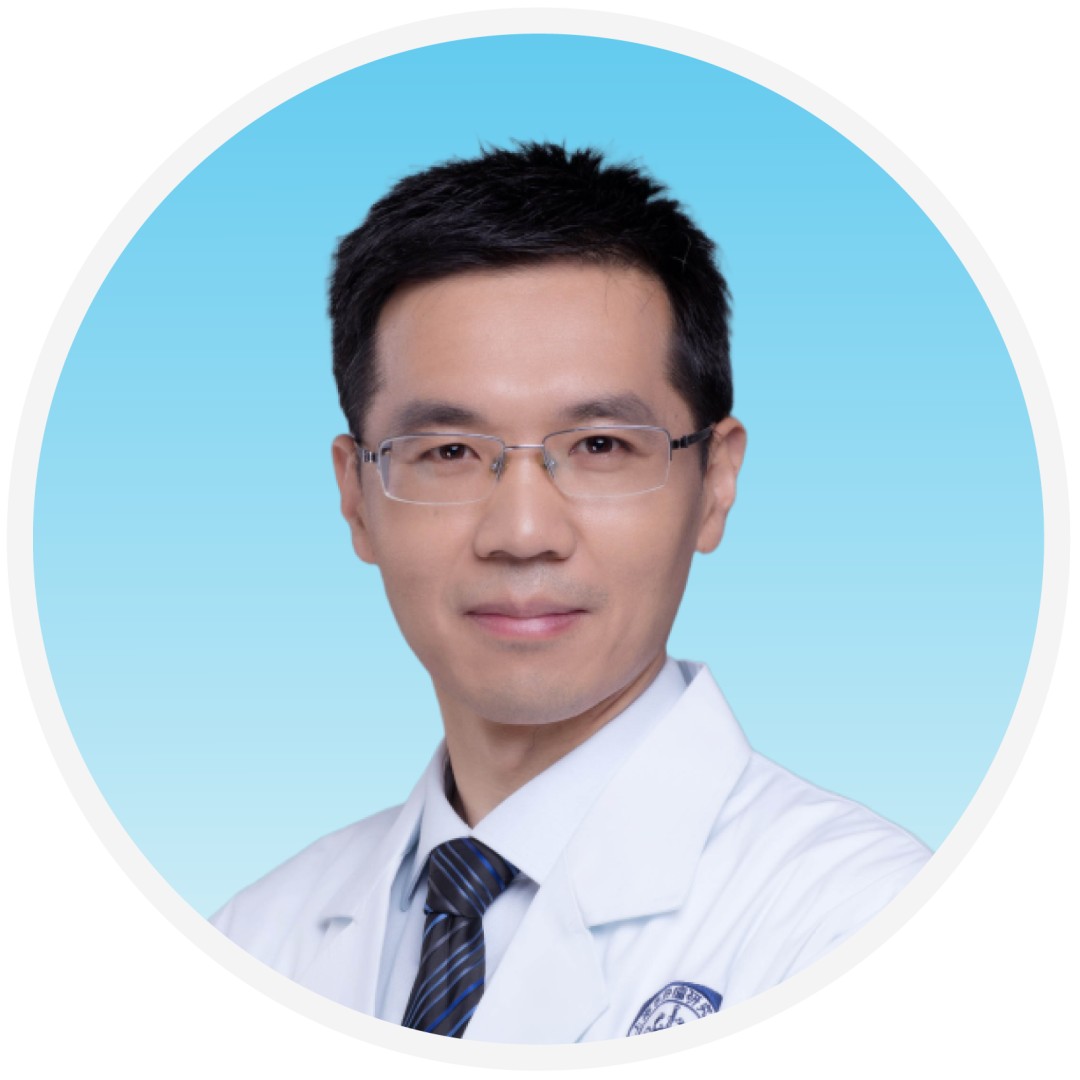
Chen Haoyan
Renji Hospital, Shanghai Jiao Tong University School of Medicine
Researcher at Renji Hospital, Shanghai Jiao Tong University School of Medicine. Deputy leader of the Epidemiology Collaboration Group of the Gastroenterology Branch of the Chinese Medical Association, member of the Shanghai Microbiology Society, and member of the Intestinal Disease Branch of the Chinese Anti-Cancer Association. His main research direction is the gut microbiome and tumor immunotherapy. He has published dozens of high-impact papers as the first author or corresponding author in renowned journals such as Cell, Cell Metabolism, Cell Host & Microbe (2023; 2024), Cancer Discovery, Gut, Gastroenterology, etc., with a cumulative impact factor exceeding 500 and total citations >2000 times. He has hosted multiple national Natural Science Foundation projects and Shanghai Natural Science Foundation projects, and as a key contributor, he has won the second prize of the National Science and Technology Progress Award and the first prize of the Shanghai Science and Technology Progress Award.
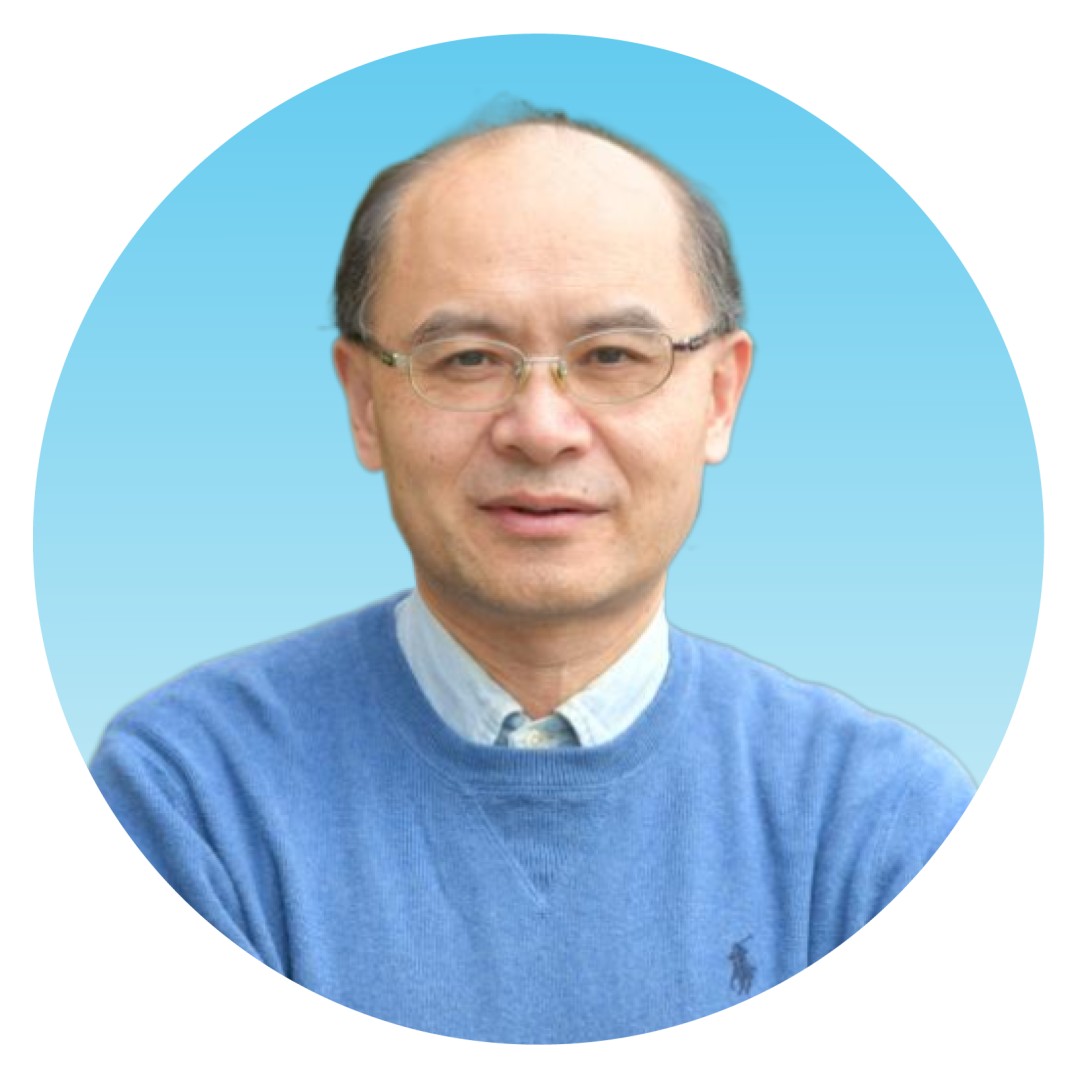
Chen Luonan
Center for Excellence in Molecular Cell Science, Chinese Academy of Sciences Bachelor's degree in Electrical Engineering from Huazhong University of Science and Technology; Master's degree in System Science from Tohoku University, Japan; Ph.D. in System Science from Tohoku University, Japan. Since 1997, Associate Professor at Osaka Institute of Technology, Japan; Visiting Professor at the University of California, Los Angeles (UCLA) since 2000; Professor at Osaka Institute of Technology, Japan since 2002; Researcher at the Institute of Biochemistry and Cell Biology, Chinese Academy of Sciences since October 2009, Executive Director of the Key Laboratory of Systems Biology, Chinese Academy of Sciences, and Chief Professor at the University of Chinese Academy of Sciences, Hangzhou Institute. Chairman of the "Network Biology Special Committee" of the Chinese Society of Bioinformatics (in preparation), Honorary Chairman of the "Computational Systems Biology Branch" of the Chinese Operations Research Society, Chairman of the "Systems Biology Technical Committee" of IEEE SMC Society, and Chairman of the "Molecular Systems Biology Professional Committee" of the Chinese Society of Biochemistry and Cell Biology. Mainly engaged in research on computational systems biology, big data analysis, and artificial intelligence. In recent years, published over 400 journal articles (including Nature, Nature Genetics, Nature Communications, Nature Cancer, PNAS, PRL, National Science Review, Cancer Cell, Cell Research, etc.) and four monographs.
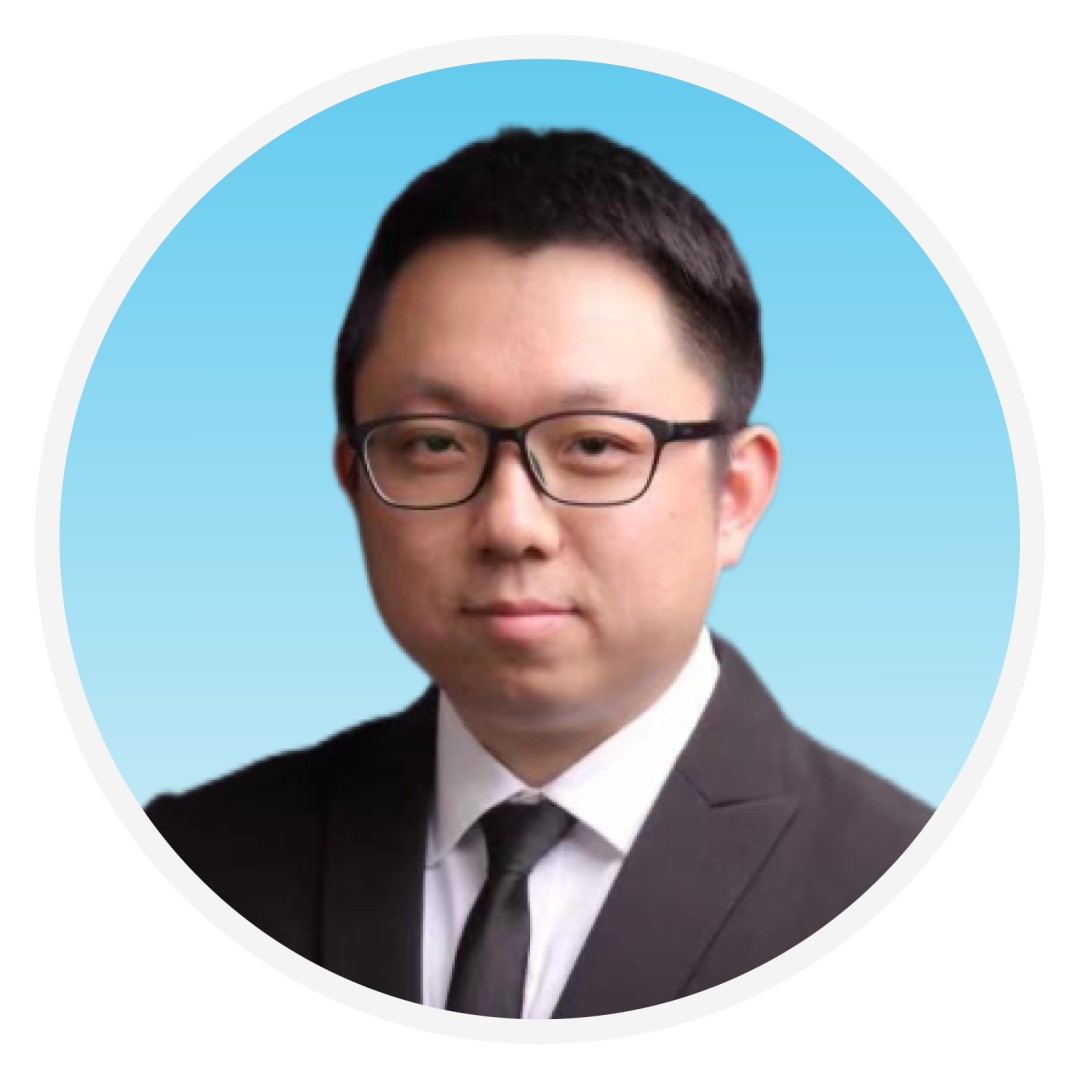
Cao Zhen
Yisheng Biotechnology
Ph.D. graduate from East China Normal University, with a research focus on biophysics. Currently serves as the R&D Director at Yisheng Biotechnology, dedicated to the development of in vitro diagnostic technologies and reagents since 2016, with extensive work experience in the structure and function of molecular enzymes and the development and optimization of biological reagents. Currently mainly responsible for the development of second-generation sequencing, third-generation sequencing library construction, single-cell library construction technology and reagents, and has organized the completion of the development of kits for enzyme digestion method DNA library construction, rapid RNA library construction, methylation sample single-strand library construction, and multiplex PCR library construction.
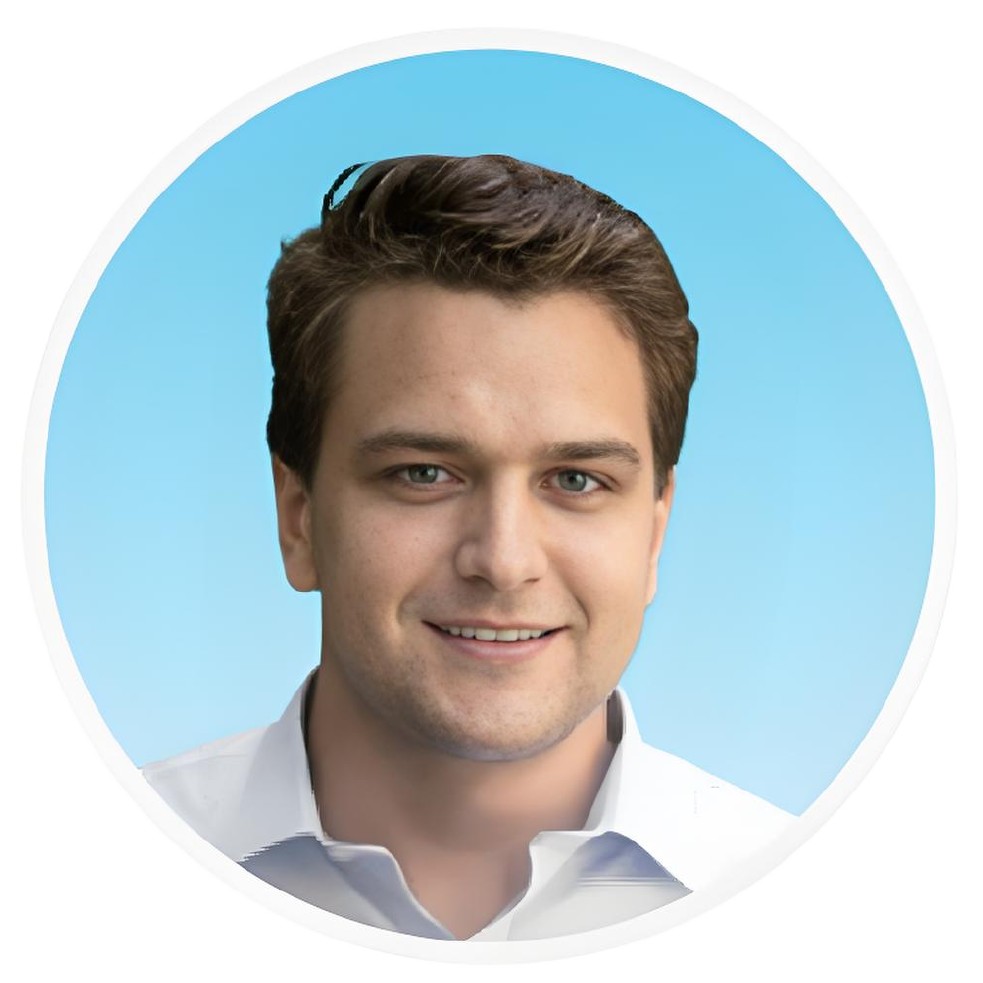
George Emanuel
Vizgen
Co-founder and Senior Technical Director of Vizgen, George has been dedicated to developing high-throughput spatial analysis technologies over the past decade, including expanding MERFISH technology to analyze 10,000 genes in the same sample. George holds dual bachelor's degrees from the University of Colorado and a Ph.D. in Biophysics from Harvard University
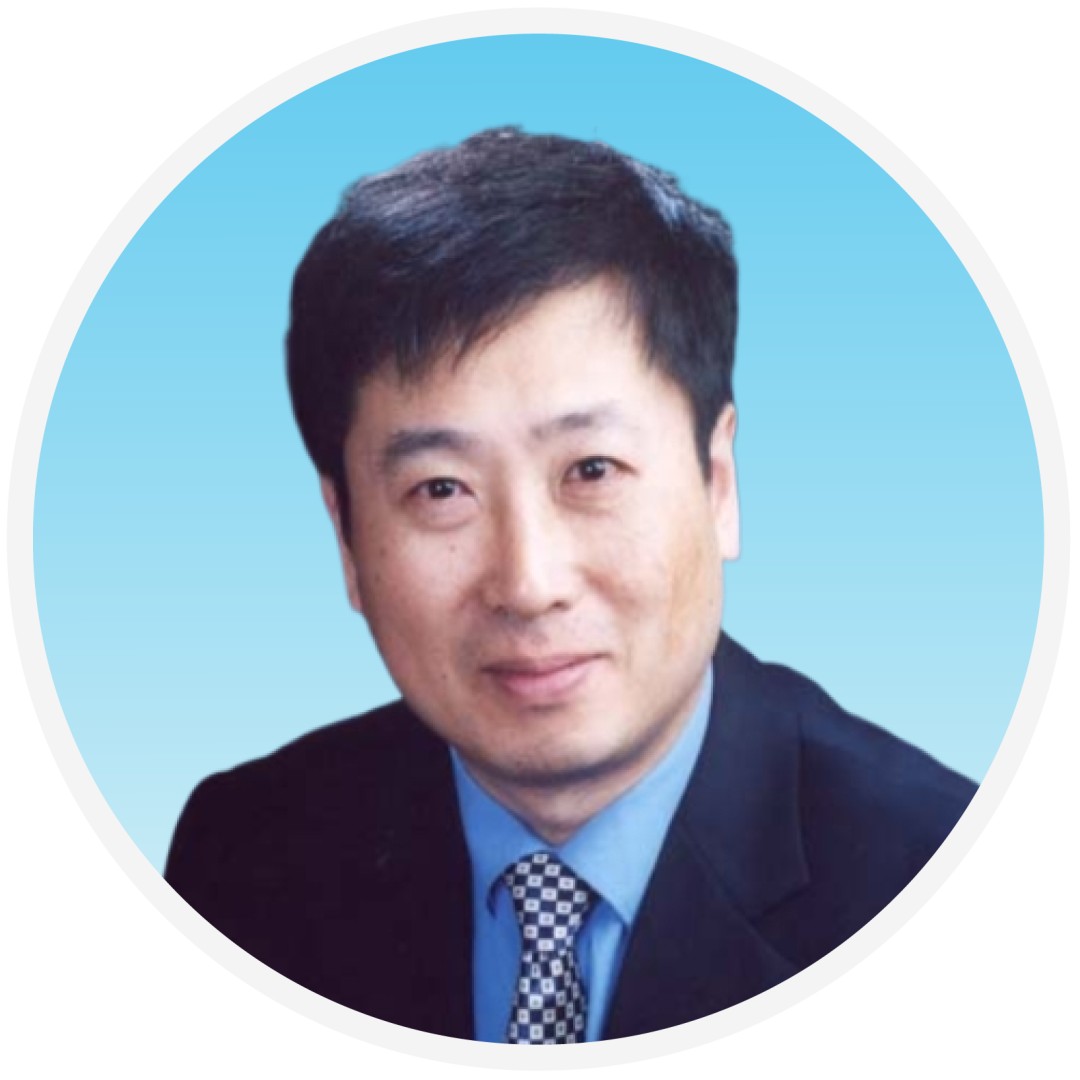
Fang Jingyuan
Renji Hospital, Shanghai Jiao Tong University School of Medicine
PhD, Chair Professor at Shanghai Jiao Tong University, Level 2 Professor and Doctoral Supervisor at the School of Medicine, Chief Physician at Renji Hospital; Vice President of Renji Hospital, Director of the Digestive Disease Center; Director of the Shanghai Institute of Digestive Diseases; Dean of the School of Digestive Medicine at Shanghai Jiao Tong University, Director of the Shanghai Clinical Medical Center for Gastroenterology, Director of the Shanghai Clinical Quality Control Center for Gastroenterology, Director of the Key Laboratory of Gastroenterology of the National Health Commission, Deputy Director of the National Key Laboratory of Tumor System Medicine. Incoming Chairman of the Gastroenterology Branch of the Chinese Medical Association, Vice President of the Gastroenterology Branch of the Chinese Medical Doctor Association, Council Member of the Asia-Pacific Gastroenterology Association. Former member of the Discipline Evaluation Group of the Academic Degrees Committee of the State Council, Consultant of the Medical Department of the National Natural Science Foundation. Recipient of the National Outstanding Youth Fund, "Changjiang Scholar" Distinguished Professor of the Ministry of Education, Leader of the Innovative Research Group of the National Natural Science Foundation, Chief of the Key R&D Program of the Ministry of Science and Technology.
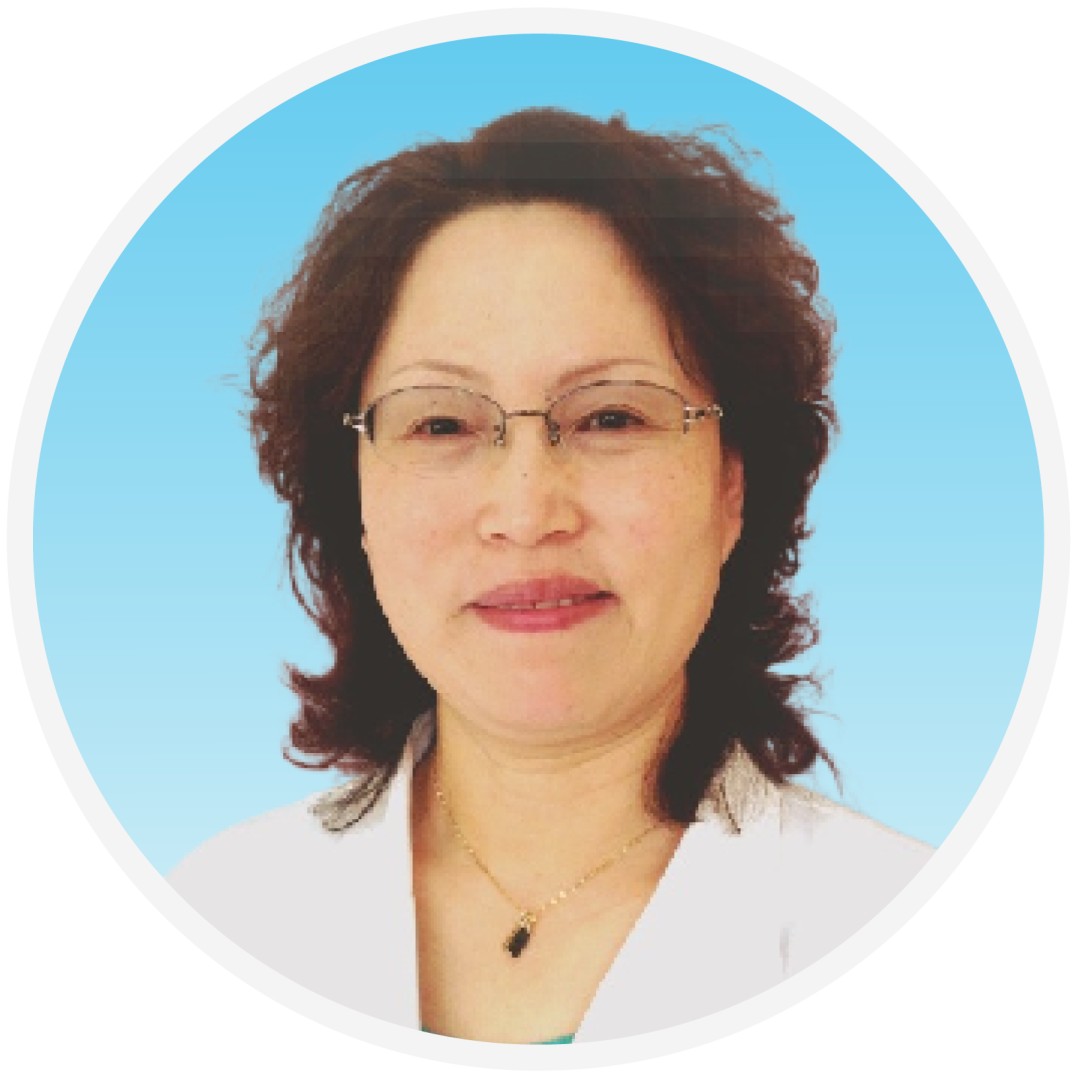
Fu Li
Shanghai Clinical Research Center
Chief Physician and Director of the Pathology Department at the Shanghai Clinical Research Center, also a Professor and Doctoral Supervisor at the School of Life Science and Technology, ShanghaiTech University. Currently serves as Vice President of the Chinese Women Physicians Association, Fellow of the Royal College of Pathologists in the UK, Chief Scientist of the National Pathology Discipline of the Chinese Association for Science and Technology, Outstanding Young and Middle-aged Expert of the Ministry of Health, Academic Leader of the Breast Cancer Prevention and Treatment Research Innovation Team of the Ministry of Education, Deputy Chairman of the Breast Cancer Expert Committee of the National Tumor Quality Control Center, and has received the first National Innovation Award and the Ho Leung Ho Lee Foundation Science and Technology Progress Award. The research team is dedicated to the study of highly metastatic breast cancer, and its series of research results have clearly proposed the pathological diagnostic standards and clinical treatment principles for highly metastatic breast cancer internationally, significantly improving the survival and quality of life of breast cancer patients, with research results adopted as international standards.
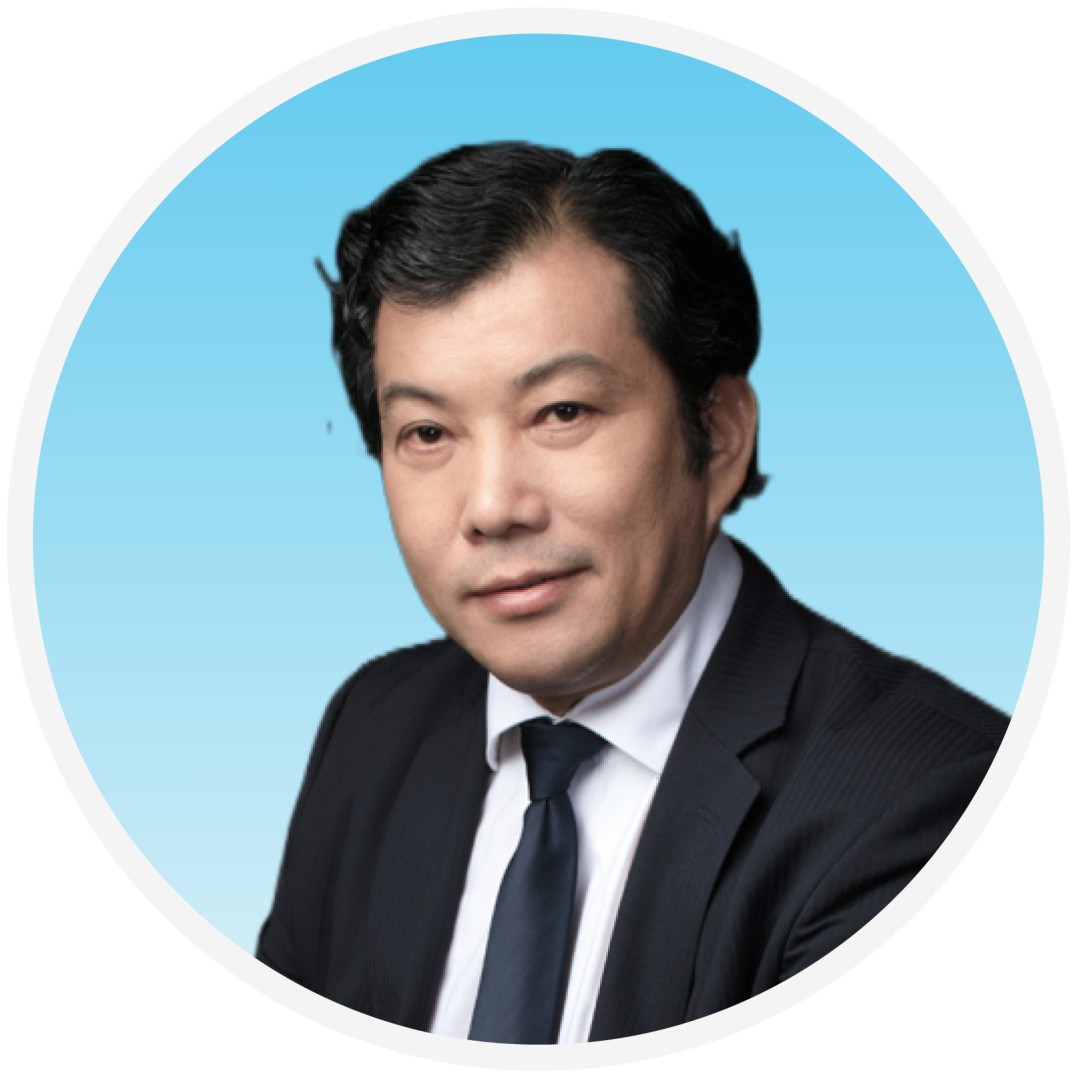
Gao Hengjun
National Engineering Research Center for Biochips, Shanghai
MD, Chief Physician, Doctoral Supervisor. Chairman of the National Technical Committee for Standardization of Biological Samples, Vice President of the China Association for Medical Biotechnology, Chairman of the Biological Sample Bank Branch, Former Chairman of the Tumor Sample Integration Research Branch of the China Anti-Cancer Association, Director of the National Engineering Research Center for Biochips, Shanghai, Director of the Shanghai Molecular Medicine Engineering Technology Research Center Director of the Molecular Medicine Center for Helicobacter Pylori in China, Director of the Institute of Digestive Diseases at Tongji University School of Medicine, and Executive Director of the Clinical Research Institute at the First People's Hospital of Shanghai Jiao Tong University.
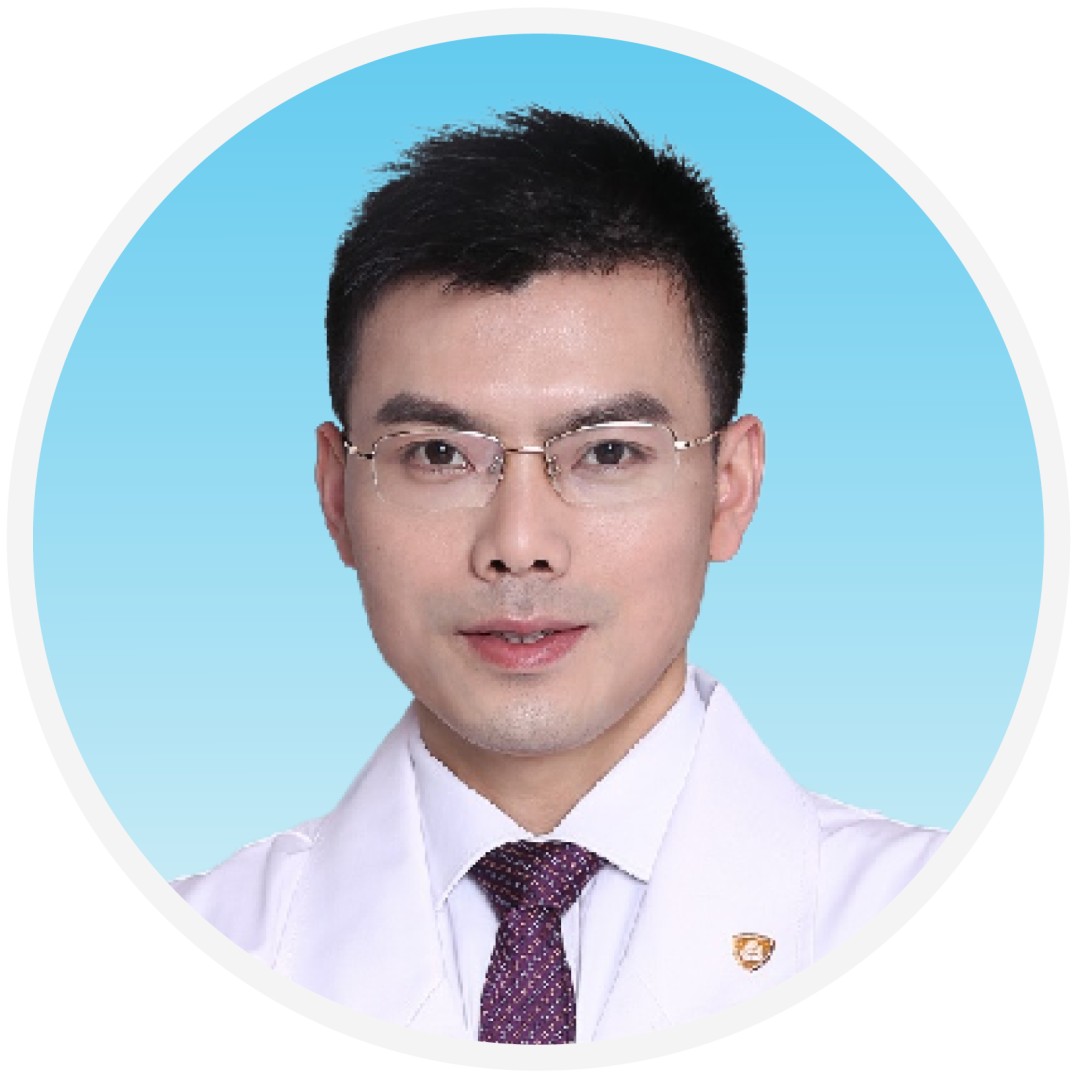
Gao Qiang
Director of the Department of Hepatobiliary Surgery at Zhongshan Hospital, Fudan University, Chief Physician, Professor, Doctoral Supervisor, Assistant Dean, Deputy Director of Hepatobiliary Surgery, and Director of the Office of the Liver Cancer Research Institute. Changjiang Scholar "Distinguished Professor", Ten Thousand Talents Program, National Excellent Young Scientist. Leader of the Youth Working Group on Hepatobiliary Surgery of the Chinese Medical Association, Chairman of the Youth Committee of the Immunology Branch of the Chinese Society of Pathophysiology, Vice Chairman of the Cell Immunotherapy Committee of the China Human Health Promotion Association, Vice Chairman of the Tumor Rehabilitation Committee of the Chinese Society of Geriatrics, Member and Secretary of the Liver Cancer Quality Control Committee of the National Cancer Center, Director of the Youth Council of the Chinese Anti-Cancer Association, Vice Chairman of the Youth Council of the Shanghai Anti-Cancer Association, Chairman of the Youth Alliance of Integrative Medicine of the Shanghai Medical Association, and Vice Chairman of the Translational Medicine Branch of the Shanghai Anti-Cancer Association. He has hosted multiple projects including the National Natural Science Foundation's major research programs and key projects. He has published several papers as the first or corresponding author in journals such as Cell, Science, Cancer Cell, Cancer Discovery, Nat Metab, J Clin Oncol, and Ann Oncol.
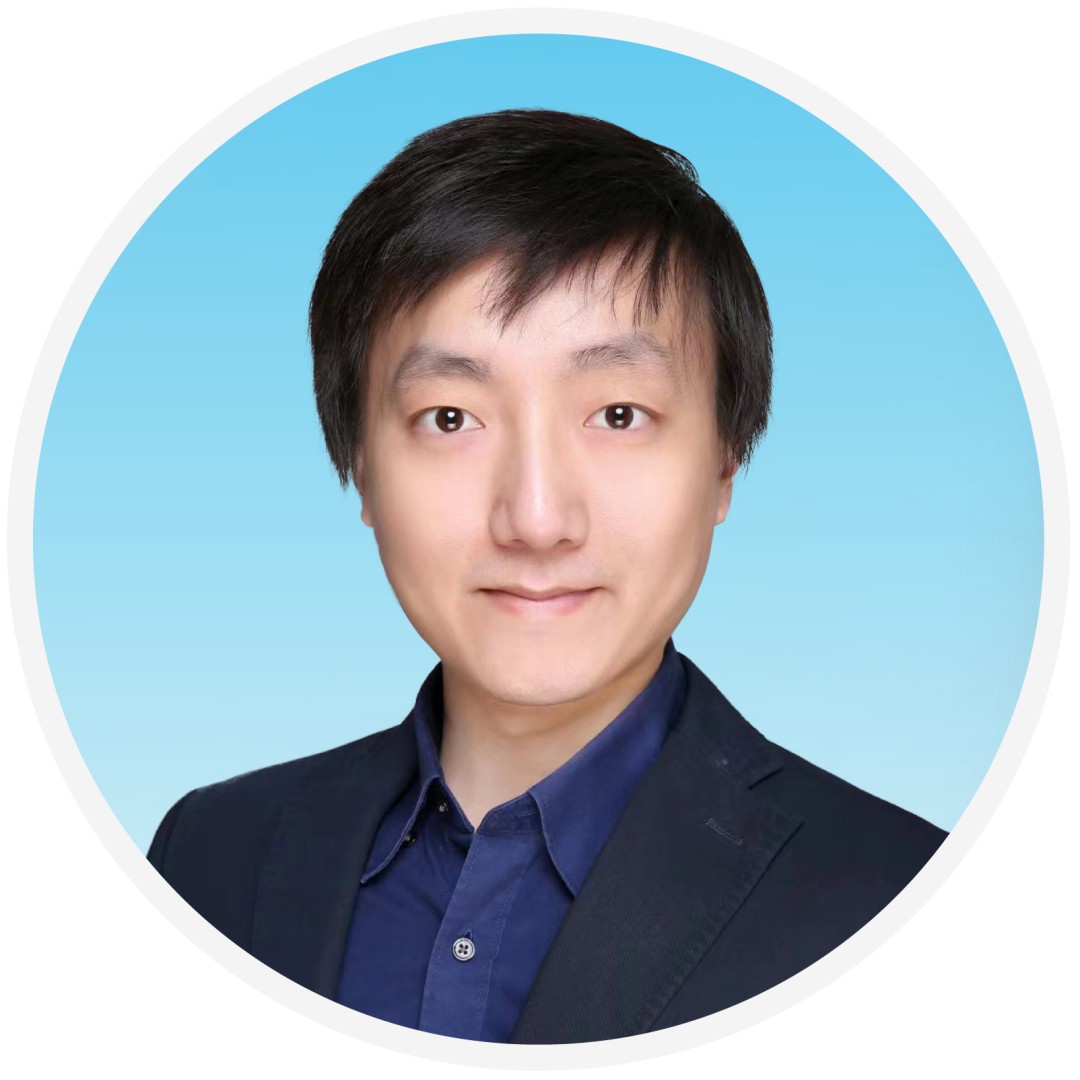
Guo Guoji
Professor at the School of Medicine, Zhejiang University, Doctoral Supervisor, Deputy Director of the Zhejiang University Hematology Research Institute, and Vice Chairman of the Zhejiang University Stem Cell Alliance. Graduated with a bachelor's degree in Biotechnology from the School of Life Sciences at Wuhan University in 2005. Obtained a Ph.D. from the National University of Singapore and the Singapore Institute of Molecular and Cell Biology in 2010. Subsequently, he went to Harvard Medical School in the United States, serving as a Research Fellow at the Dana-Farber Cancer Institute and Boston Children's Hospital. He joined the Stem Cell and Regenerative Medicine Center at Zhejiang University School of Medicine in 2014. He received the "National Excellent Young Scientist Fund" in 2017 and was selected as a leading talent in scientific and technological innovation under the "Ten Thousand Talents Program" in 2019. He currently serves as a member of the Hematology Physiology Professional Committee of the Chinese Physiological Society, a member of the Aging Cell Biology Branch of the Chinese Society for Cell Biology, and a member of the Gene Testing Branch of the Chinese Association of Medical Biotechnology He has received honors such as the "Tan Jiazhen Life Science Innovation Award," "Shulan Medical Young Award," "Huo Yingdong Young Teacher Award," "VCANBIO Life Medicine Innovation Breakthrough Award," and "Cell Biology Society Young Scientist Award." Guo Guoji has been dedicated to the development and application of single-cell analysis technology and has made outstanding contributions to the mapping of cell atlases; he has published multiple academic papers in renowned journals such as Nature, Cell, and Nature Genetics.
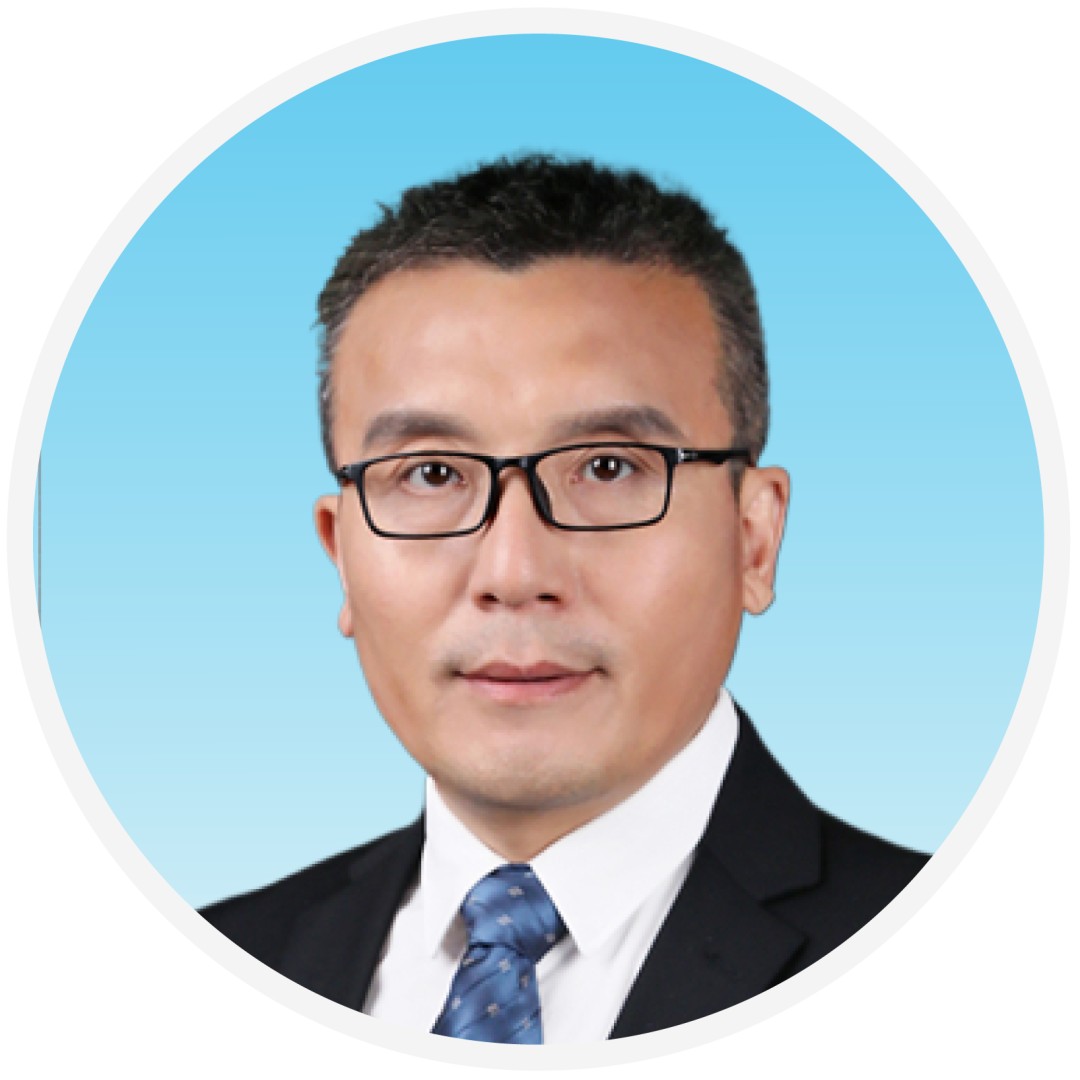
Han Zeguang
Shanghai Jiao Tong University School of Biomedical Engineering
Chair Professor at Shanghai Jiao Tong University, Director of the Shanghai Jiao Tong University School of Biomedical Engineering, Director of the Key Laboratory of Systems Biomedicine of the Ministry of Education, Deputy Director of the National Key Laboratory of Omics and Diseases, and Chairman of the Professional Committee of Systems Biomedicine of the Chinese Society of Bioengineering. He has received the National "Ten Thousand Talents Program" Leading Talent, the Ministry of Education Chang Jiang Scholar Award, the National Outstanding Youth Fund, the National Candidate for the "New Century Hundred Thousand Talents Project," and the Chief Scientist of the "973" Project. His main research directions include the genetics and genomics of tumors (such as liver cancer), important gene function research, and single-cell analysis and applications. He has published over 150 papers in international journals, including papers, reviews, and commentaries as corresponding author in Nature, Nature Genetics, JCl, GUT, Journal of Hepatology, Hepatology, PNAS, Annu Rev Genomics Hum Genet, etc. His papers have been cited over 11,000 times, and he was awarded the Elsevier "China Highly Cited Scholar" from 2020 to 2023. He has received the National Natural Science Second Prize, the Ministry of Education and Shanghai Natural Science First Prize, and the Tan Jiazhen Life Science Award as the first contributor in research on schistosomiasis systems biology, functional genomics of liver cancer, and the discovery of new causes and mechanisms.
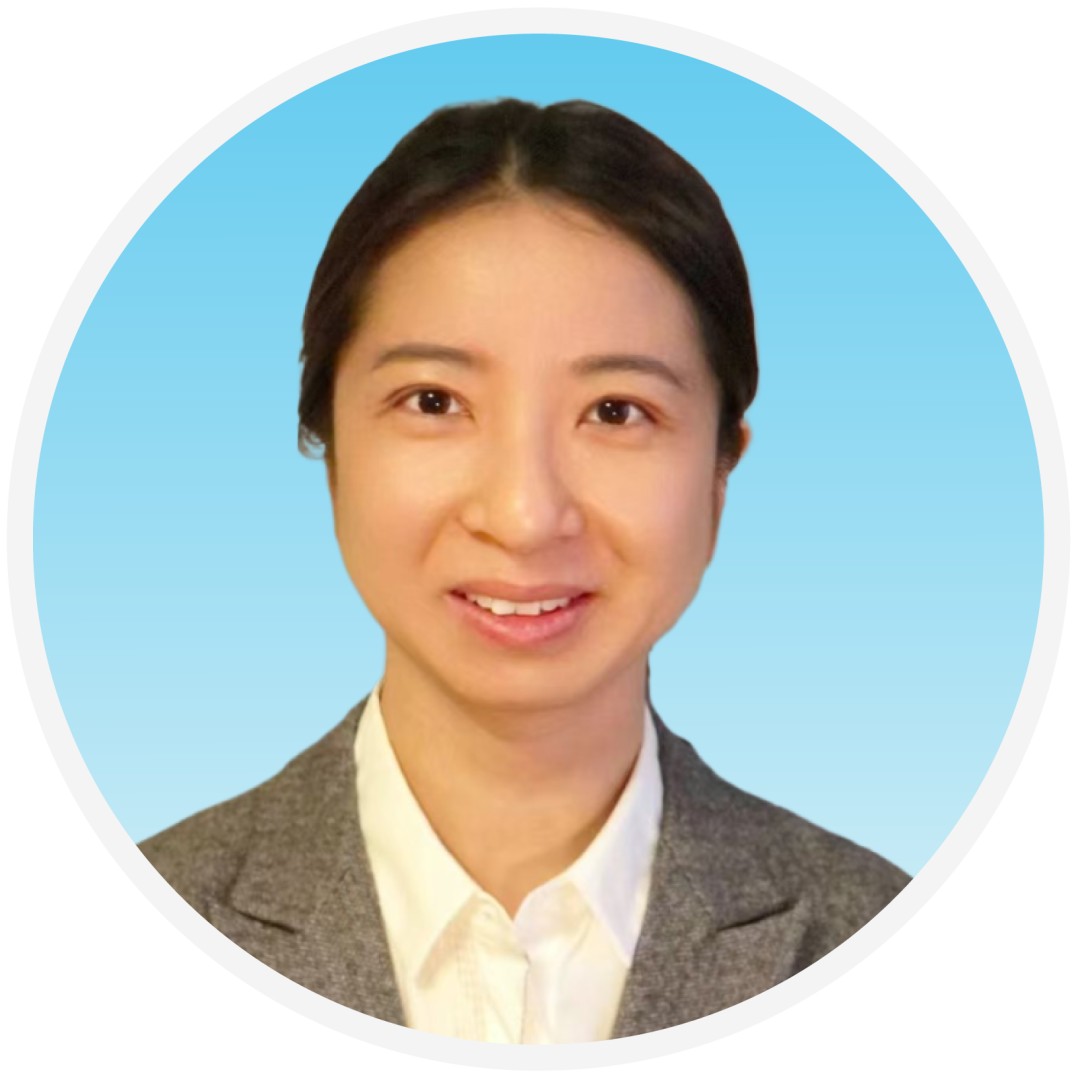
Hou Jinchao
Zhejiang University
Researcher of the Clinical Hundred Talents Program at Zhejiang University, Anesthesiology Department of the Affiliated Children's Hospital, and PhD supervisor. Postdoctoral researcher at Washington University in St. Louis, USA. He mainly engages in research on the pathogenesis and translational therapy of neuroimmune diseases and sepsis, including analyzing the transcriptional characteristics and key regulatory factors of microglia in Multiple Sclerosis and Alzheimer's disease based on single-cell transcriptomics technology, and designing Fc-mutated monoclonal antibodies targeting key immune molecules of microglia for translational therapy research in neuroimmune diseases Research results have been published as the first (including co-first) author in Science Translational Medicine, The Journal of Clinical Investigation, Cell Reports, Am J Respir Crit Care Med, Anesthesiology, etc., with over 2,100 citations and an h-index of 23. As a major contributor, he has been granted a total of 5 invention patents in China, the United States, and international PCT. He leads the Zhejiang Provincial Outstanding Youth Science Fund, the National Natural Science Foundation's general and youth projects, and the Clinical Top Talent Project of Zhejiang University School of Medicine. As a major contributor, he has received the First Prize of Scientific and Technological Progress from the Ministry of Education and the Special Prize for Progress in Pharmaceutical and Health Science and Technology from Zhejiang Province. He serves as an invited reviewer for international journals such as Molecular Neurodegeneration and Clinical and Translational Medicine.
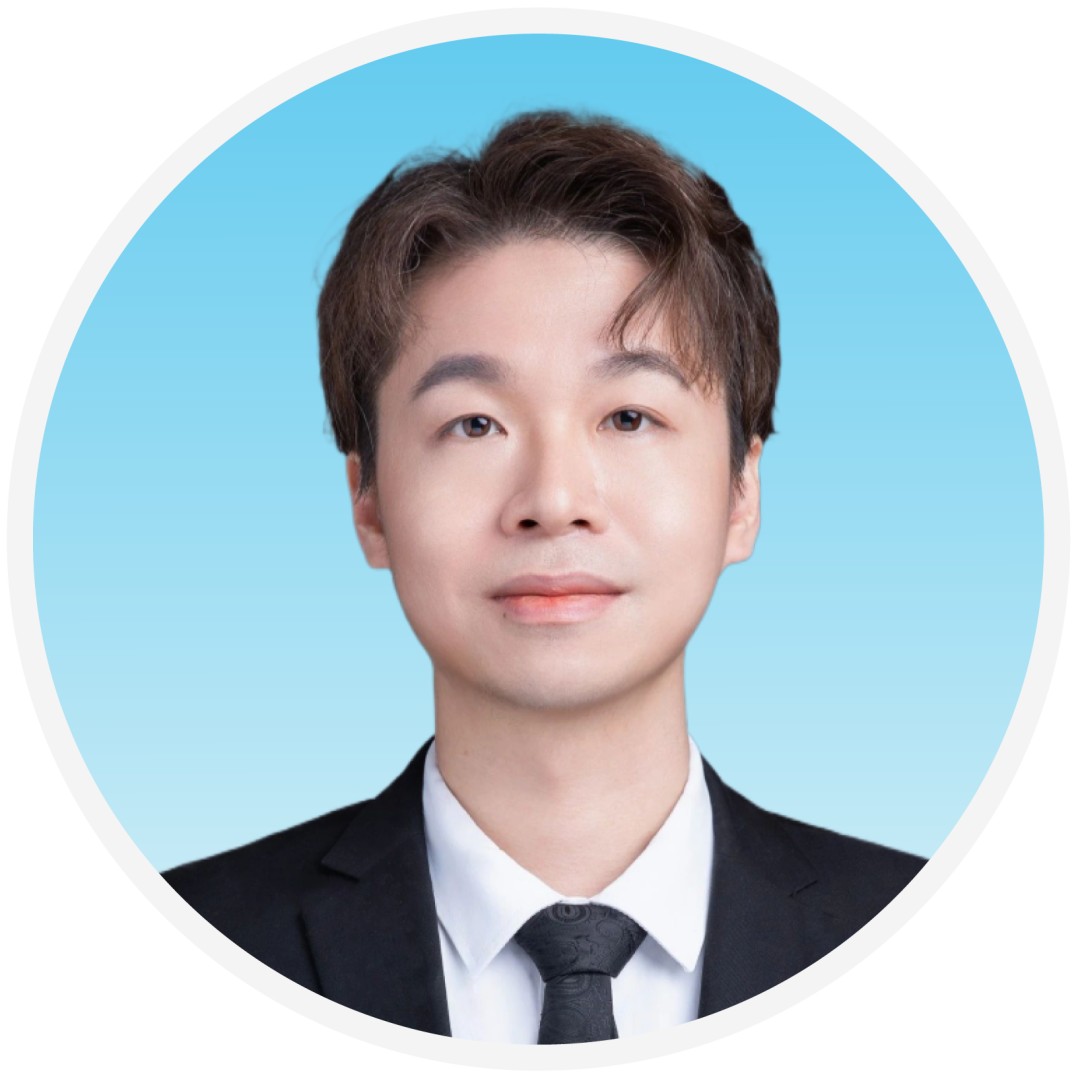
Huang He
Institute of Metabolism and Integrative Biology, Fudan University
He obtained a Bachelor's degree in Chemistry from Wuhan University in 2012 and a Ph.D. in Analytical Chemistry from the University of Akron in 2017. Since 2017, he has been conducting postdoctoral research at Harvard Medical School while also serving as an assistant researcher at the BIDMC Mass Spectrometry Center. In July 2019, he returned to China full-time as a young researcher at the Institute of Metabolism and Integrative Biology, Fudan University, and serves as a technical guidance expert for the Metabolism and Lipidomics Platform. In 2020, he was awarded the title of Shanghai Distinguished Expert. After returning to China, he has led or participated in several key research and development projects funded by the National Natural Science Foundation and the Ministry of Science and Technology. His research fields and directions mainly focus on methodological studies in metabolomics and lipidomics based on high-resolution mass spectrometry technology, including targeted/non-targeted metabolomics and lipidomics techniques, as well as biostatistics and bioinformatics analysis related to omics data.
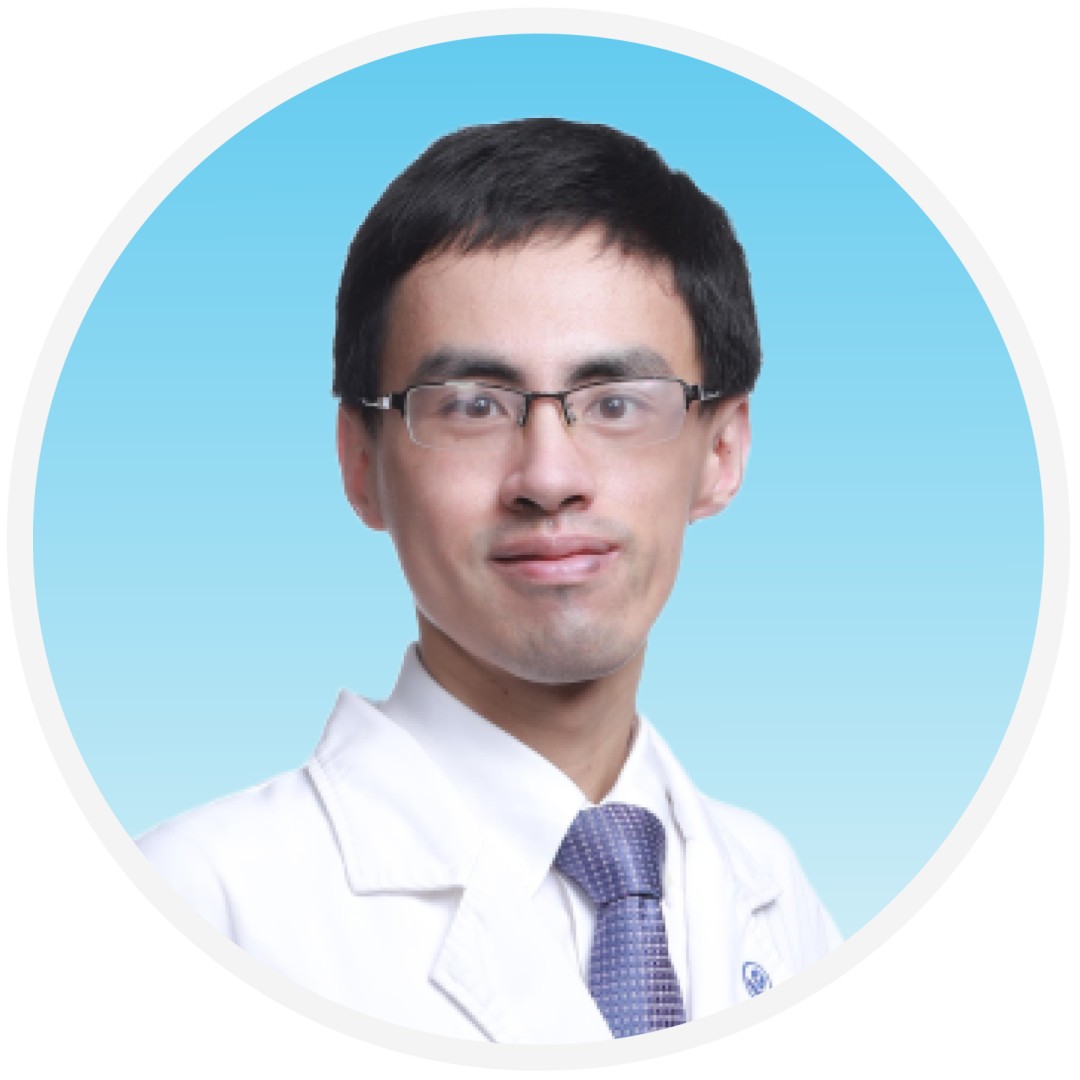
Jiang Yizhou
Fudan University Affiliated Cancer Hospital
Chief physician, researcher, doctoral supervisor. Vice president of Fudan University Affiliated Cancer Hospital, director of the Clinical Research Center.
He is a recipient of the National Excellent Young Scientist Fund. He leads projects under the National Key Research and Development Program and the Shanghai Excellent Academic Leader Program. Corresponding author of publications in Cancer Cell, Science Translational Medicine, Cell Research, Nature Cancer Nature Genetics, Lancet Oncology, Cell Metabolism, Nature Chemistry and other journal articles have been cited over 6,000 times. Received the First Prize of Shanghai Science and Technology Progress Award, National Young Position Expert, Damo Academy Qicheng Award, Shanghai Young Science and Technology Talent, and the First Prize of the "Silver Snake Award" in the Shanghai Health and Health System.
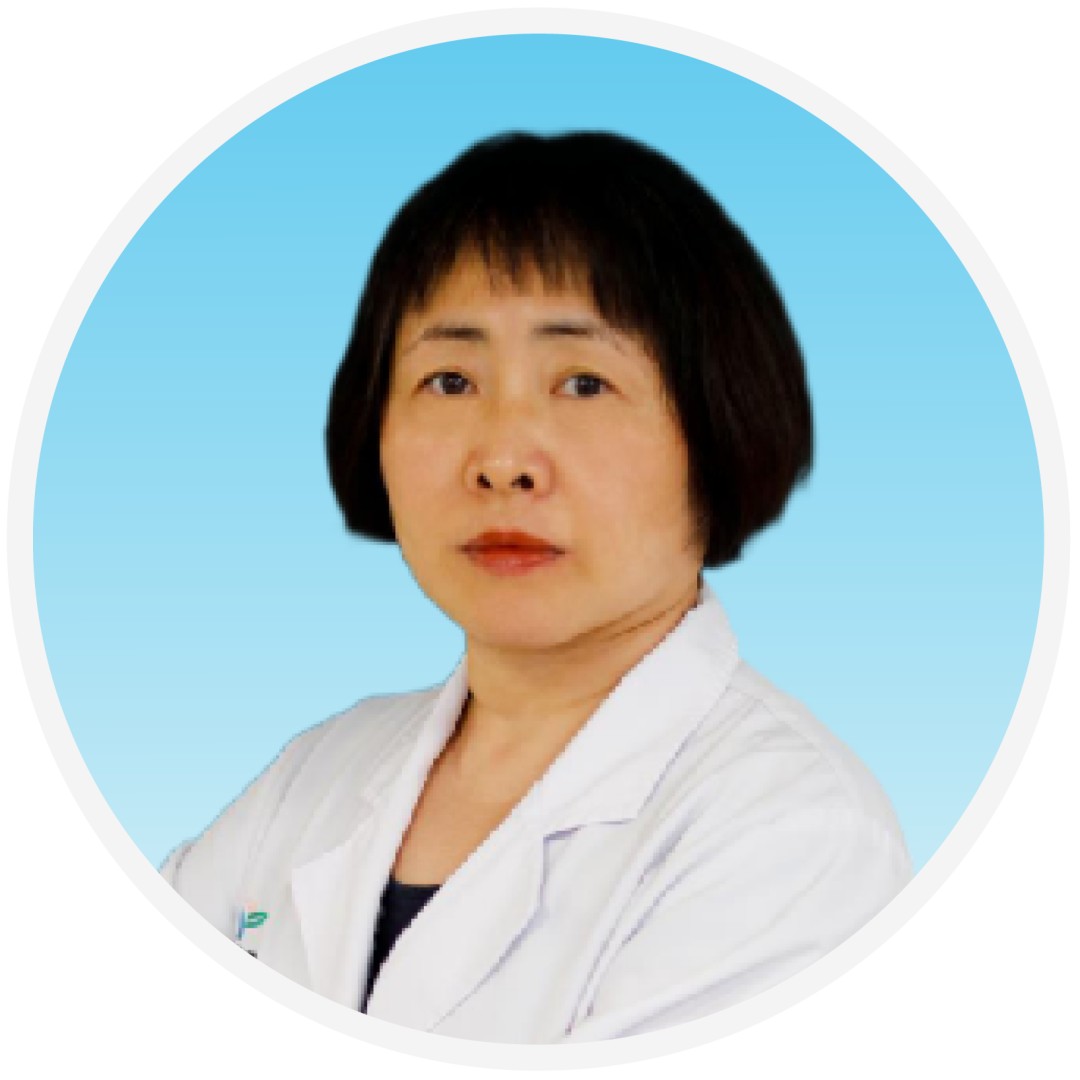
Li Yanxin
Shanghai Children's Medical Center, Affiliated to Shanghai Jiao Tong University School of Medicine
Researcher, Doctoral Supervisor. Principal Investigator at the Translational Institute of Shanghai Children's Medical Center, Affiliated to Shanghai Jiao Tong University School of Medicine, and Pujiang Talent. The main research direction is the application of cell therapy in hematological tumors and the molecular mechanisms of proliferation and stemness maintenance in pediatric hematological and solid tumors. Established and improved a non-integrating somatic reprogramming platform and differentiation platforms towards neurons, cardiomyocytes, blood cells, etc., as well as a hematopoietic transdifferentiation platform, obtaining 6 national invention patents. In recent years, published over 40 SCI papers in internationally renowned biomedical journals such as J Hematol Oncol (2024), Mol Cancer (2024), J Exp Clin Cancer Res (2024), Adv Sci (2021, 2024), blood (2021), STTT (2021), Nat Commun (2013, 2017, 2019) as corresponding or first author. Received the First Prize of Tianjin Natural Science Award (2015), Excellent Achievement Award for Scientific Research in Higher Education Institutions (2015), and the Third Prize of Shanghai Medical Science and Technology Award (2022).
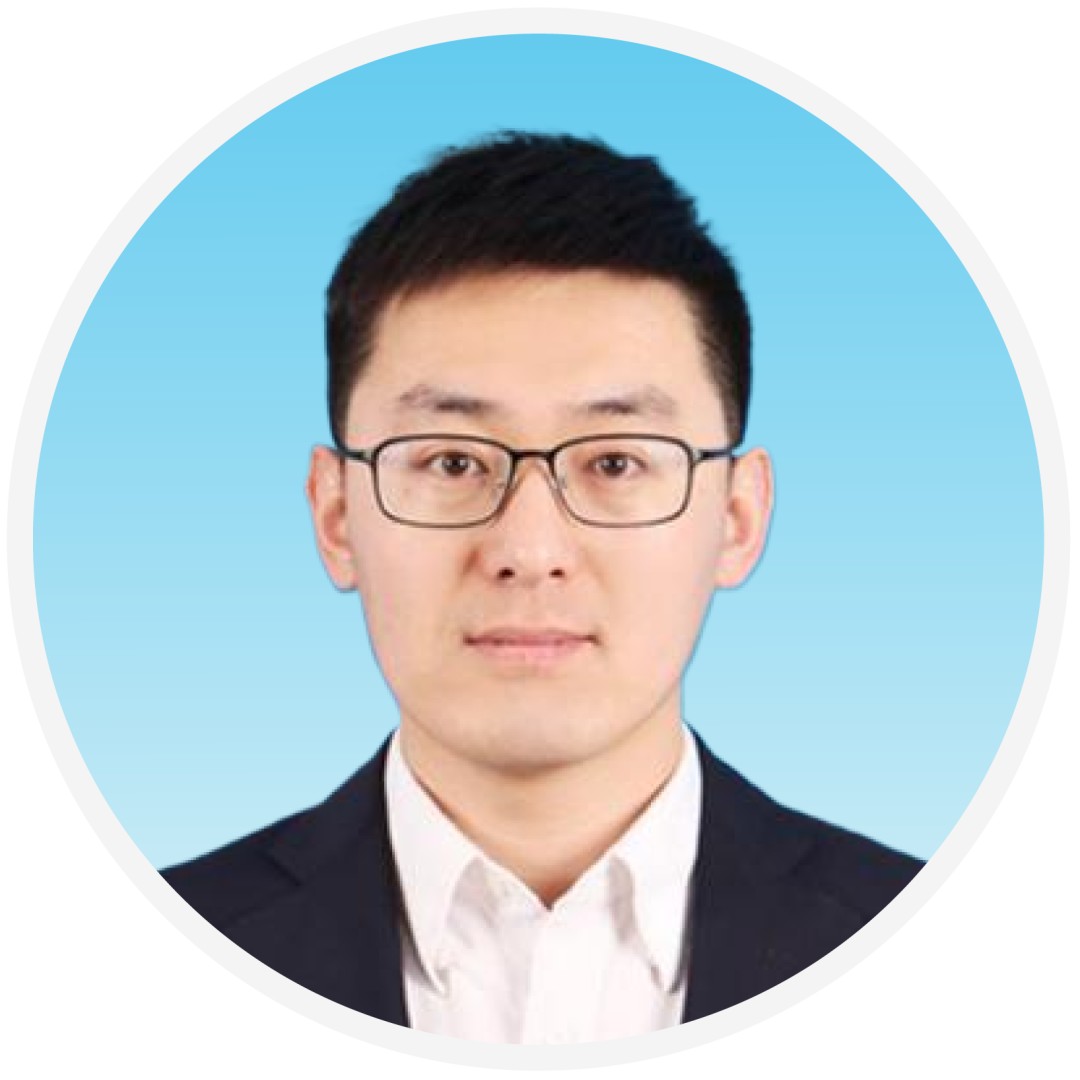
Liu Ningning
Single Cell Omics and Disease Research Center, Shanghai Jiao Tong University School of Medicine
Researcher/Doctoral Supervisor, Deputy Director of the Single Cell Omics and Disease Research Center at Shanghai Jiao Tong University School of Medicine. Selected as a National Excellent Young Scholar, Shanghai Excellent Academic Leader, and Shanghai Young Top Talent, among others. Serves as a committee member of the Integrated Oncology Branch of the Chinese Anti-Cancer Association, a committee member of the Microecology and Health Branch of the Chinese Medical Education Association, a committee member of the Genetics and Molecular Biology Branch of the Chinese Mycological Society, a committee member of the Anti-Inflammatory Immunology Branch of the Chinese Pharmacological Society, Deputy Chairman of the Clinical Microbiology Branch of the Shanghai Microbiology Society, Deputy Chairman of the Health Inspection Branch of the Shanghai Preventive Medicine Association, and Deputy Chairman of the Youth Committee of the Molecular Diagnosis Branch of the Shanghai Medical Association, among others Serves as an editorial board member for journals such as hLife, iMeta, Fungal Genetics and Biology, and as a reviewer for journals like Cell Host & Microbe. The research focuses on fungal infections and cancer development, integrating technologies such as microbiome and single-cell genomics to elucidate the molecular mechanisms of fungal-host interactions during cancer progression, providing new strategies and targets for antifungal and anticancer therapies. Over 30 papers published as corresponding/first author in journals including Cancer Cell, Nat Microbiol, Nat Protoc, Nat Commun (3 papers), Cell Res, PNAS; 4 authorized invention patents; led 17 projects including National Natural Science Foundation of China Excellent Young Scholars, National Key R&D Program, and National Natural Science Foundation General and Youth projects. Research achievements selected as "ESI Highly Cited Papers" and one of the "Top Ten Scientific Advances" by Shanghai Jiao Tong University, highly evaluated in a forward-looking review by Cancer Cell and F1000prime, and cited and positively reviewed multiple times in journals such as Cell, Nat Rev Microbiol, Nat Rev Cancer, Nat Rev Clin Oncol, and Nat Rev Gastro Hepat.
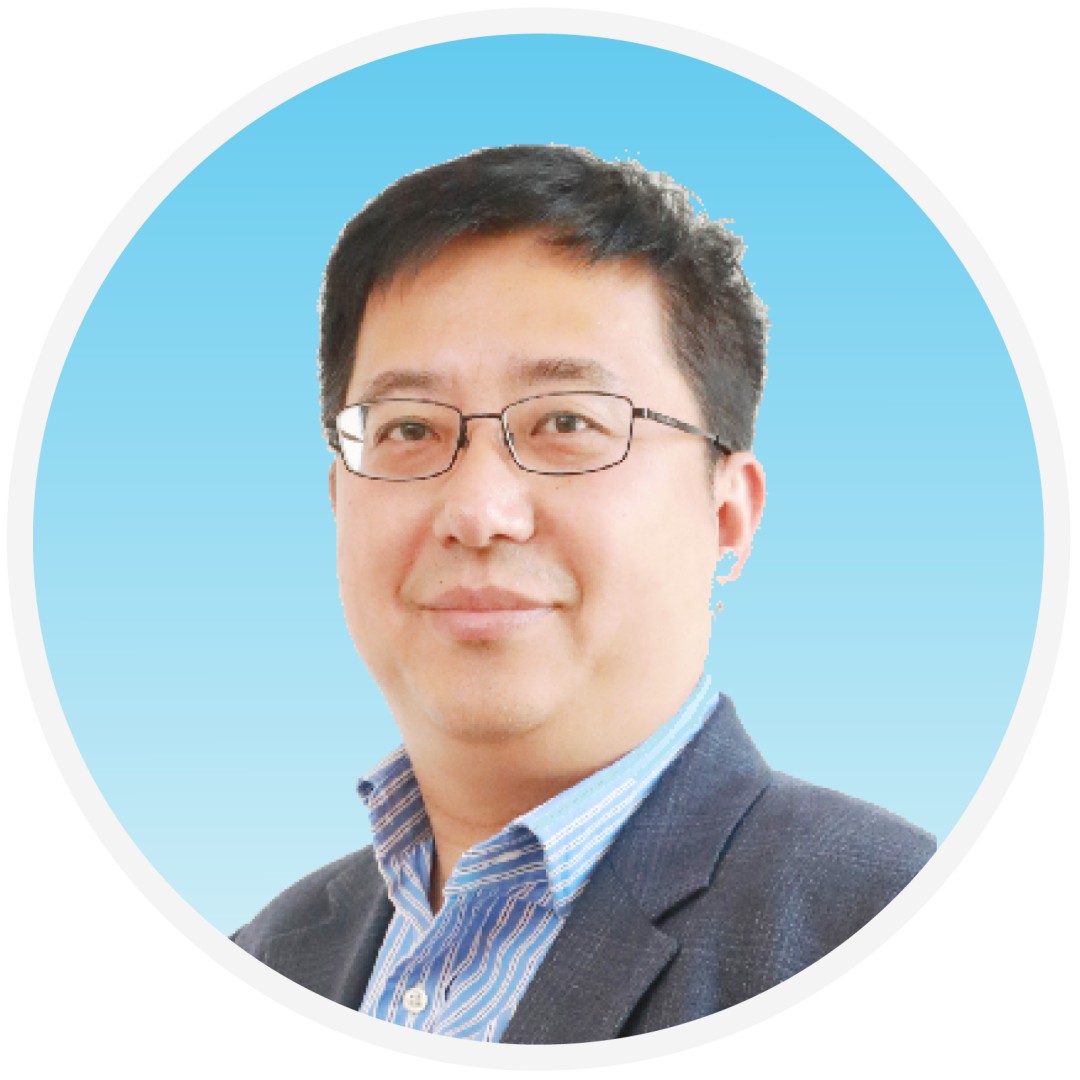
Liu Tiemin
Fudan University School of Life Sciences
Professor, Director of the Department of Physiology and Neurobiology at Fudan University School of Life Sciences, and Vice President of the Biomedical Research Institute of Inner Mongolia University. Research direction: primarily studies the important roles of the brain and peripheral organs including fat, muscle, and liver in regulating energy, metabolism/lipid and glucose metabolism. PhD from the University of Toronto, postdoctoral fellow at Beth Israel Deaconess Medical Center (USA) and the University of Texas Southwestern Medical Center (USA), lecturer at the University of Texas Southwestern Medical Center. Professor at Fudan University School of Life Sciences, Director of the Department of Physiology and Neurobiology, leader of the National Key Laboratory of Genetic Engineering research group, distinguished professor at Zhongshan Hospital affiliated with Fudan University, and Vice President of the Biomedical Research Institute of Inner Mongolia University. Chief scientist of the National Key R&D Program "Developmental Programming and Its Metabolic Regulation," distinguished expert of the China Association for Science and Technology Hai Zhi Plan, committee member of the Asian Biophysical Association (ABA). Awarded the First Prize of Science and Technology by the Chinese Rehabilitation Medicine Association and the Second Prize of Science and Technology by the Chinese Sports Science Society. Published over 90 articles in journals such as Cell, Cell Metabolism, Neuron (cover and recommended article), and Nature Neuroscience
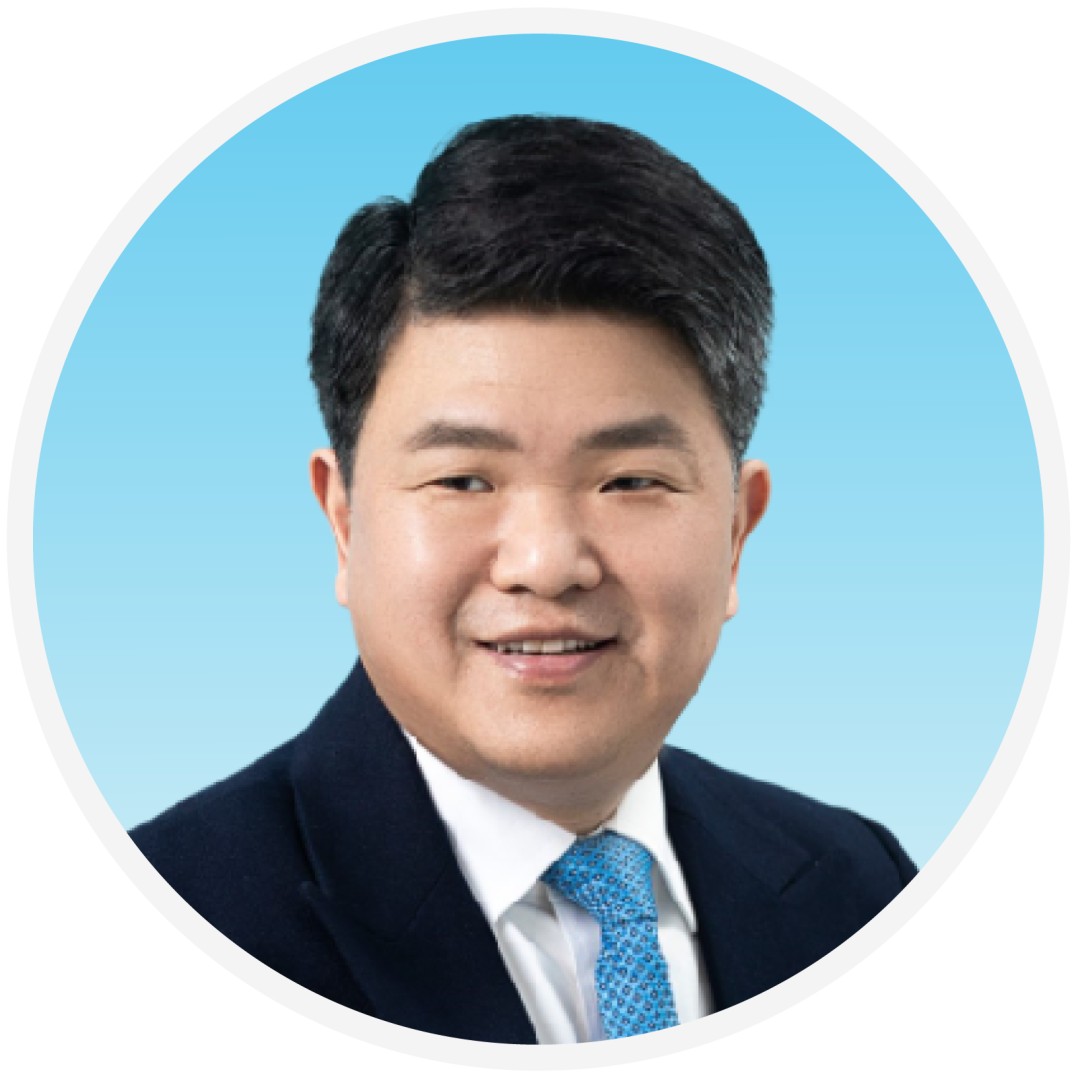
Liu Zhanju
Tongji University Shanghai Tenth People's Hospital
Director of the Department of Gastroenterology at Tongji University Shanghai Tenth People's Hospital, Director of the IBD Research Center at Tongji University School of Medicine. Doctor of Medicine, Chief Physician, Associate Professor, Doctoral Supervisor. Doctor of Medicine from KU Leuven, Belgium; Postdoctoral fellow at Harvard University and the University of Connecticut, USA. Enjoys special government allowances from the State Council, a national candidate for the New Century Talents Project, President of the 12th Asian Organization for Crohn's Disease and Colitis (AOCC), Vice Chairman of the Biobank and Translational Collaboration Group of the Chinese Society of Gastroenterology, Vice Chairman of the IBD Group of the Chinese Medical Doctor Association's Colorectal Physician Branch, Executive Committee Member of the Digestive System Disease Professional Committee of the Chinese Association of Integrative Medicine, Associate Editor of the Chinese Journal of Inflammatory Bowel Disease and J Dig Dis; Editorial Board Member of Postgrad Med J. Research focus: Clinical diagnosis and treatment of inflammatory bowel disease and its pathogenesis, with over 210 SCI papers published in international journals such as Nature Genetics, Cell Rep Med, Gastroenterology, and Gut.
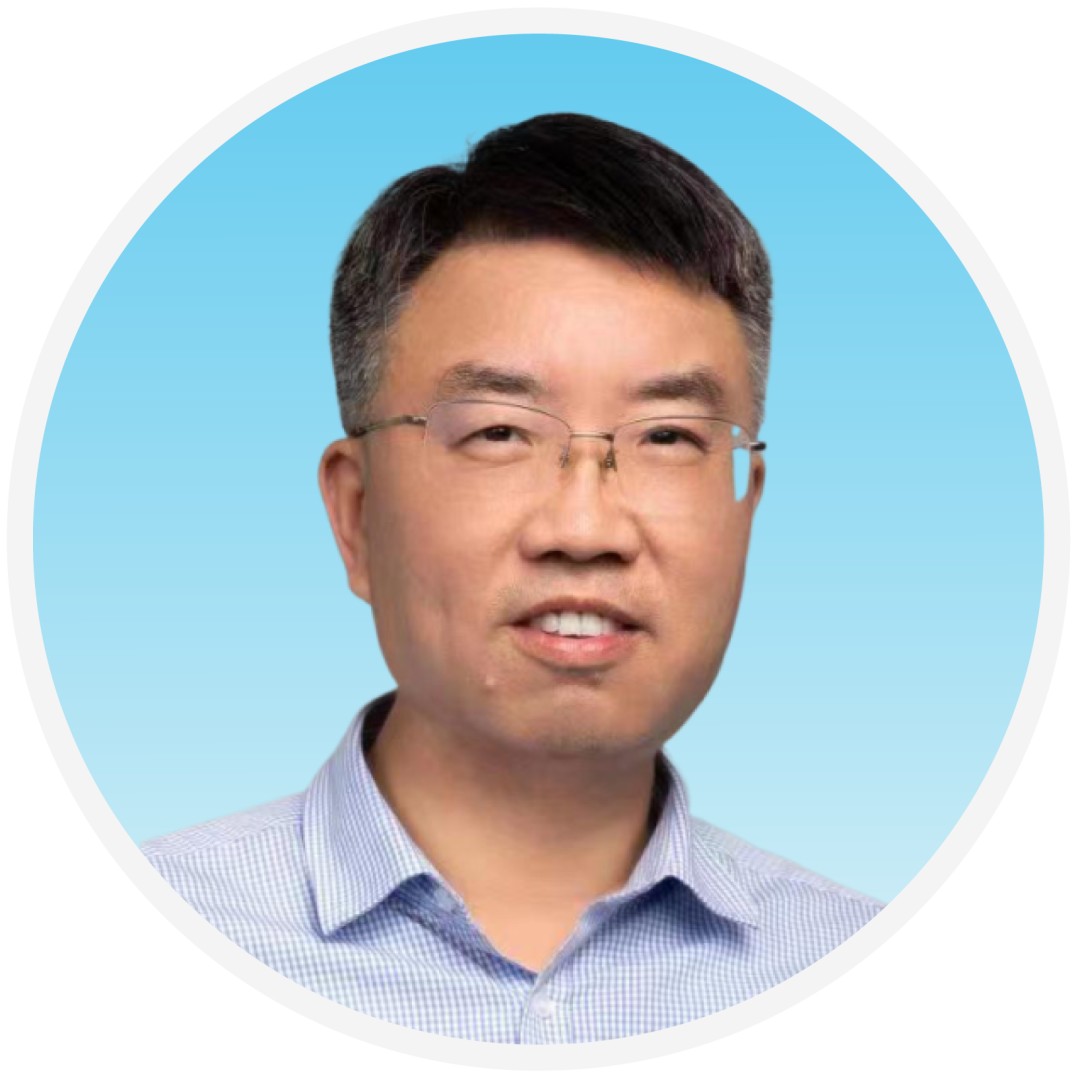
Lu Daru
Fudan University
Doctor of Genetics, Distinguished Professor at Fudan University, Vice Dean of the Institute of Medical Genetics, Executive Vice Dean of the Institute of Infection and Health, Director of the Engineering Research Center for Gene Technology of the Ministry of Education, Vice Dean of the Shanghai Institute of Experimental Medicine; Vice Chairman of the Chinese Society of Genetics/Chairman of the Genetic Diagnosis Branch, Executive Director of the Chinese Society of Environmental Mutagenesis/Chairman of the Teratogenic Professional Committee, Vice Chairman of the National Fertility Health Genetic Care Alliance; Currently mainly engaged in research on genetic disease gene screening, identification and molecular mechanisms, gene editing and gene therapy. Has received two national-level awards including the Second Prize for National Technological Invention and the Second Prize for National Natural Science, two National Teaching Achievement Awards, six First Prizes for Provincial and Ministerial Level Scientific and Technological Achievements, and honors such as the China Youth Science and Technology Award, National Candidate for the New Century Talents Project, Special Government Allowance from the State Council, National Excellent Teacher, National Advanced Individual in Teacher Ethics, Shanghai Outstanding Discipline Leader, and Shanghai Higher Education Famous Teacher.
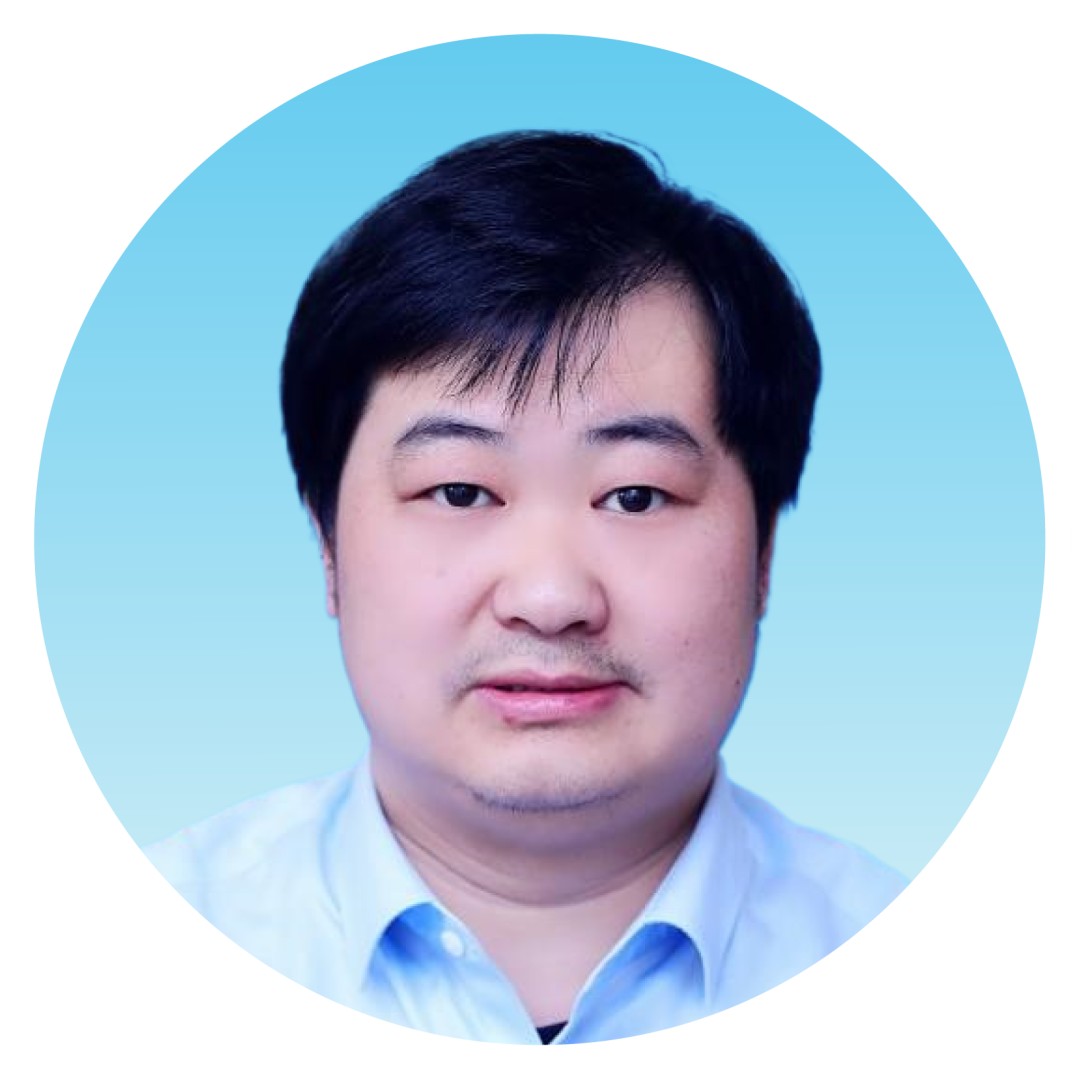 Pan Liuyang
Translational Medicine Network
Long-term researcher in the biopharmaceutical industry, currently serving as the chairman of the Translational Medicine Network and the director of the New Source Translational Medicine Center. The Translational Medicine Network is the core portal for translational medicine, aimed at promoting the dissemination and application of cutting-edge technologies; the New Source Translational Medicine Center is a non-profit organization established under the guidance of relevant departments, focusing on the transformation of medical achievements. Special expert in the biopharmaceutical industry in the Yangtze River Delta, serving as the vice chairman of the Gene Technology Research and Application Professional Committee of the National Pharmaceutical and Health Industry Association, executive committee member of the Gene Testing Technology Branch of the China Pharmaceutical Biotechnology Association, member of the Frontier Technology and Clinical Translation Committee of the World Chinese Physicians Association, member of the Industry-University-Research Transformation Committee of the Chinese Anti-Cancer Association, director of the Biopharmaceutical Industry Association of Pudong New District, Shanghai, secretary-general of the Yangtze River Delta Integrated Gene Testing Alliance, deputy editor of the "Precision Life Series - Tumor and Gene," and external mentor at the School of Life Science and Technology, Tongji University.
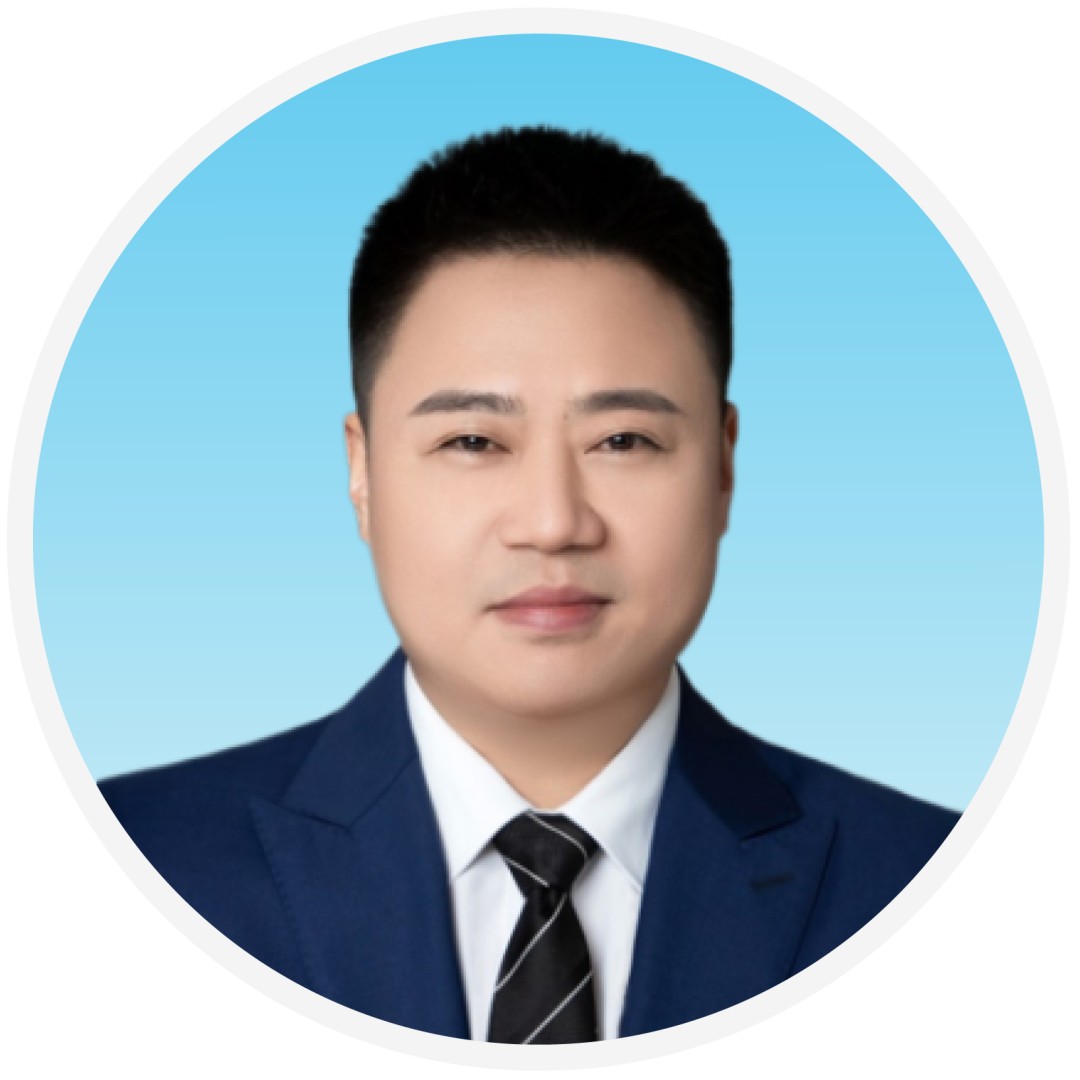
Ren Shancheng
Shanghai Changzheng Hospital
Chief physician, doctoral supervisor, director of the Urology Department and the Robotic Surgery Center at Shanghai Changzheng Hospital, party branch secretary, leader of the national key discipline, director of the Military Urology Center, recipient of the National Outstanding Youth Science Fund, Young Changjiang Scholar of the Ministry of Education, member of the Expert Advisory Committee of the Medical Department of the National Natural Science Foundation (2023-), executive editor of the Asian Journal of Urology (IF=2.6), chairman of the Academic Committee of the Asian Urological Robotics Society, secretary-general of the Youth Committee of the Urology Branch of the Chinese Medical Association, director of the Shanghai "Belt and Road" International Joint Key Laboratory of Urological Tumors, skilled in minimally invasive surgery and comprehensive treatment of urological tumors, especially prostate cancer, having performed over 4,000 minimally invasive surgeries on the urinary system, including more than 3,000 robotic surgeries, completing Asia's first single-port robotic radical prostatectomy and transperineal robotic radical prostatectomy, awarded the Da Vinci Robotic Surgery Outstanding Contribution Award for 100,000 cases in China. As the corresponding/first author, published over 70 SCI papers in international authoritative journals such as Nat Med, Nat Genet, Nat Cell Biol, Mol Cell, Nat Commun, Eur Urol, with a total impact factor exceeding 700. Led over 20 national and provincial-level projects including key projects of the National Natural Science Foundation and major national R&D programs, applied for 18 national invention patents, with 14 approved. Selected for over 10 talent programs including the Shulan Medical Youth Award, the first prize of the "Silver Snake Award" for the highest award for young talents in the Shanghai health system, and "National Famous Doctors · Young New Stars," and received the first prize of the Ministry of Education Science and Technology Progress Award (2022) as the first contributor
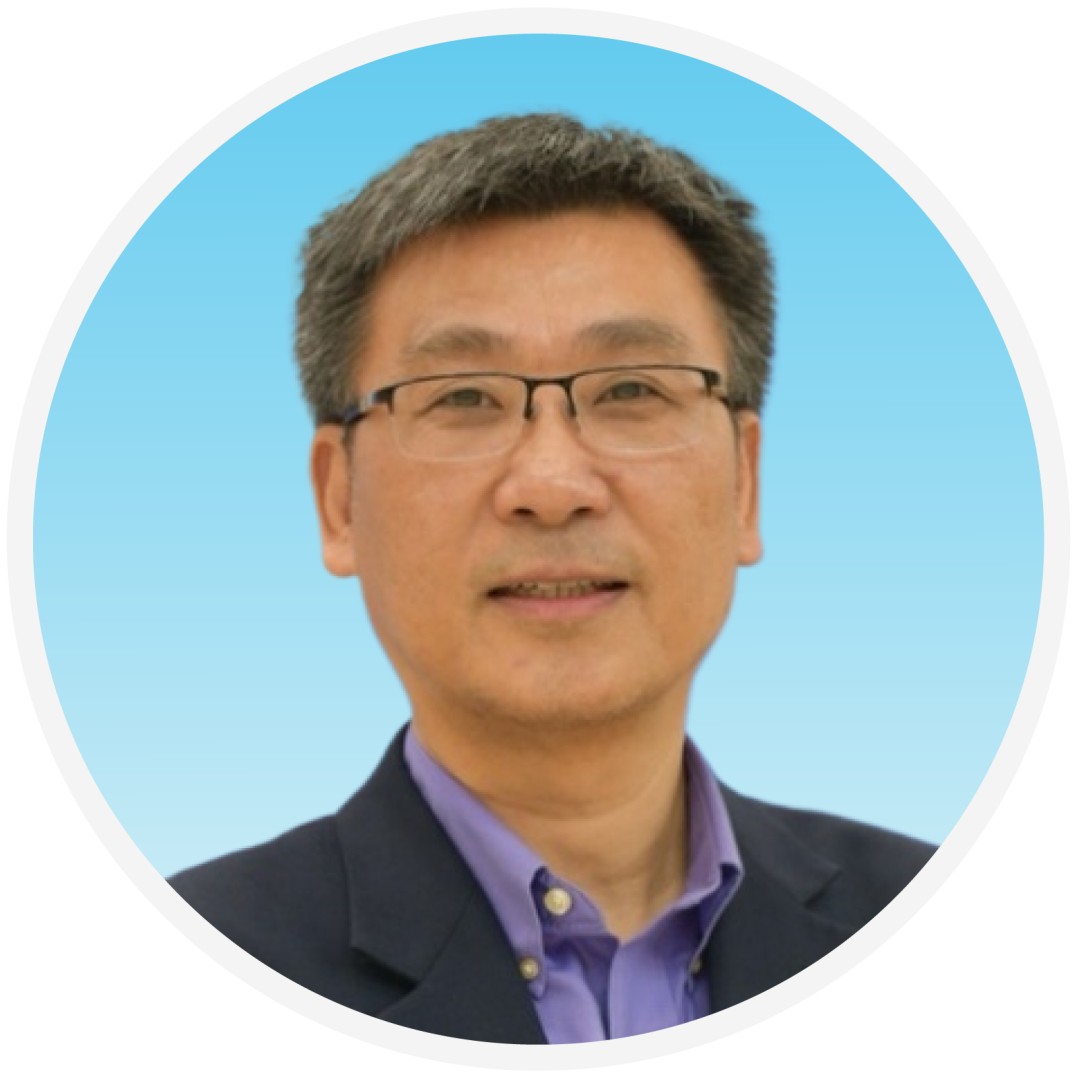
Su Bing
Shanghai Institute of Immunology
Graduated with a Bachelor of Science degree from the Department of Biology at Peking University in 1984, and enrolled in the CUSBEA program to study at Yale University in 1985, obtaining a Master's degree in 1987 and a Ph.D. in 1991 from Yale University. From 1991 to 1995, conducted postdoctoral research at the University of California, San Diego. Before returning to China in 2012, he held the position of tenured professor at the MD Anderson Cancer Center of the University of Texas and tenured associate professor at Yale University. Currently, he is the Wang Kuan-Cheng Chair Professor at Shanghai Jiao Tong University, Director of the Shanghai Institute of Immunology, Distinguished Professor at the School of Medicine of Shanghai Jiao Tong University, Chair of the Department of Immunology and Microbiology, Director and Chief Scientist of the Research Center for Immune-Related Diseases at Ruijin Hospital, Director of the Immunometabolism Research Institute of Shanghai Jiao Tong University - Yale University, an expert in the National High-Level Talent Program, Chang Jiang Scholar Chair Professor, Honorary Doctoral Supervisor at Shanghai Jiao Tong University, Chief Scientist of the Key Research and Development Program of the Ministry of Science and Technology, and a visiting professor at Yale University, Shanghai University of Traditional Chinese Medicine, and Xiangya Hospital of Central South University. His research mainly focuses on the regulatory mechanisms of MAPK and mTOR signaling pathways in intestinal stromal cells, macrophages, T and B cells, and innate lymphoid cells, as well as vascular cells, and their physiological and pathological roles in intestinal inflammation, tumors, fibrosis, cardiovascular and cerebrovascular diseases. He has published over 150 SCI papers in internationally renowned journals such as Nature, Cell, Immunity, Nature Genetics, Nature Immunology, EMBO J, Blood, Cell Metabolism, Cancer Cell, Molecular Cell, and Cell Reports Medicine, with over 21,000 citations. He has led multiple research projects, including those from the NIH, ACS, DOD, AHA, LLS, Irvington Fellowship, as well as major research plans, key projects, international cooperation projects from the Ministry of Science and Technology, National Natural Science Foundation, and projects from the Shanghai Municipal Science and Technology Commission and Health Commission. He has served as the Secretary-General and Council Member of the American Chinese Biological Society and is currently the Editor-in-Chief of the journal Modern Immunology, Associate Editor of the Journal of Molecular Cell Biology and Current Research in Immunology, and an editorial board member of journals such as Chinese Science SCLS, Cellular Immunology, STTT, etc. He is a professional committee member and project review expert for the National Natural Science Foundation's Distinguished Young Scholars, Excellent Young Scholars, key/general projects, CJ, and various disciplines of the NIH, AHA, etc
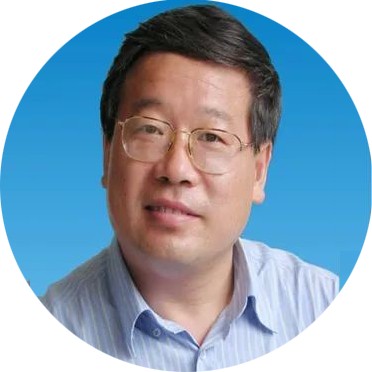
Tang Huiru
Fudan University
Distinguished Professor at Fudan University, National Outstanding Youth, Chief of the National Key R&D Program on "Precision Medicine" and "Frontier Biotechnology", Fellow of the Royal Society of Chemistry, PhD from University College London. Former Senior Scientist at the Department of Bioengineering, Imperial College London, Founding Director of the "Key Laboratory of Biological Magnetic Resonance Analysis" of the Chinese Academy of Sciences, and project review expert for the Ministry of Science and Technology's 973 Program and major projects in protein science. With over 30 years of research on metabolite functions and metabolomics, he has published more than 230 SCI papers in journals such as Nature, Nat Microbiol, Nat Aging, Cell Rep, Cell Rep Med, Immunity, PNAS, EMBO J, J Hepatol, JACS, and Anal Chem, with over 15,000 citations (H-index ~69). He has been granted multiple invention patents. Currently serves as the President of the Metabolomics Branch of the Chinese Biophysical Society; Executive Director of the Basic Nutrition Branch of the Chinese Nutrition Society, the Tumor Metabolism Branch of the Chinese Anti-Cancer Association, the Free Radical Biology and Medicine Branch of the Chinese Biophysical Society, and the Lipid and Lipoprotein Committee of the Chinese Society for Biochemistry and Molecular Biology; Executive Committee Member of the International Conference on Experimental Magnetic Resonance (ENC): Metabolomics, and Editorial Board Member of journals such as "Basic Medicine and Clinical" and "Nutrition Metabolism", and Associate Editor of "Phe-nomics".

Tang Tianjiao
Sanya Zhishu Biotechnology
Master's degree from Huazhong Agricultural University, Senior Technical Support at Sanya Zhishu Biotechnology. During her graduate studies, she focused on research in maize developmental biology and participated in publishing an academic paper in "Nature Plants". After graduation, she joined MGI, accumulating rich experience in sequencing instrument technical support. Currently employed at Zhishu Biotechnology, responsible for technical support for single-cell transcriptomics and spatial multi-omics products, dedicated to promoting the application and development of frontier biotechnology.
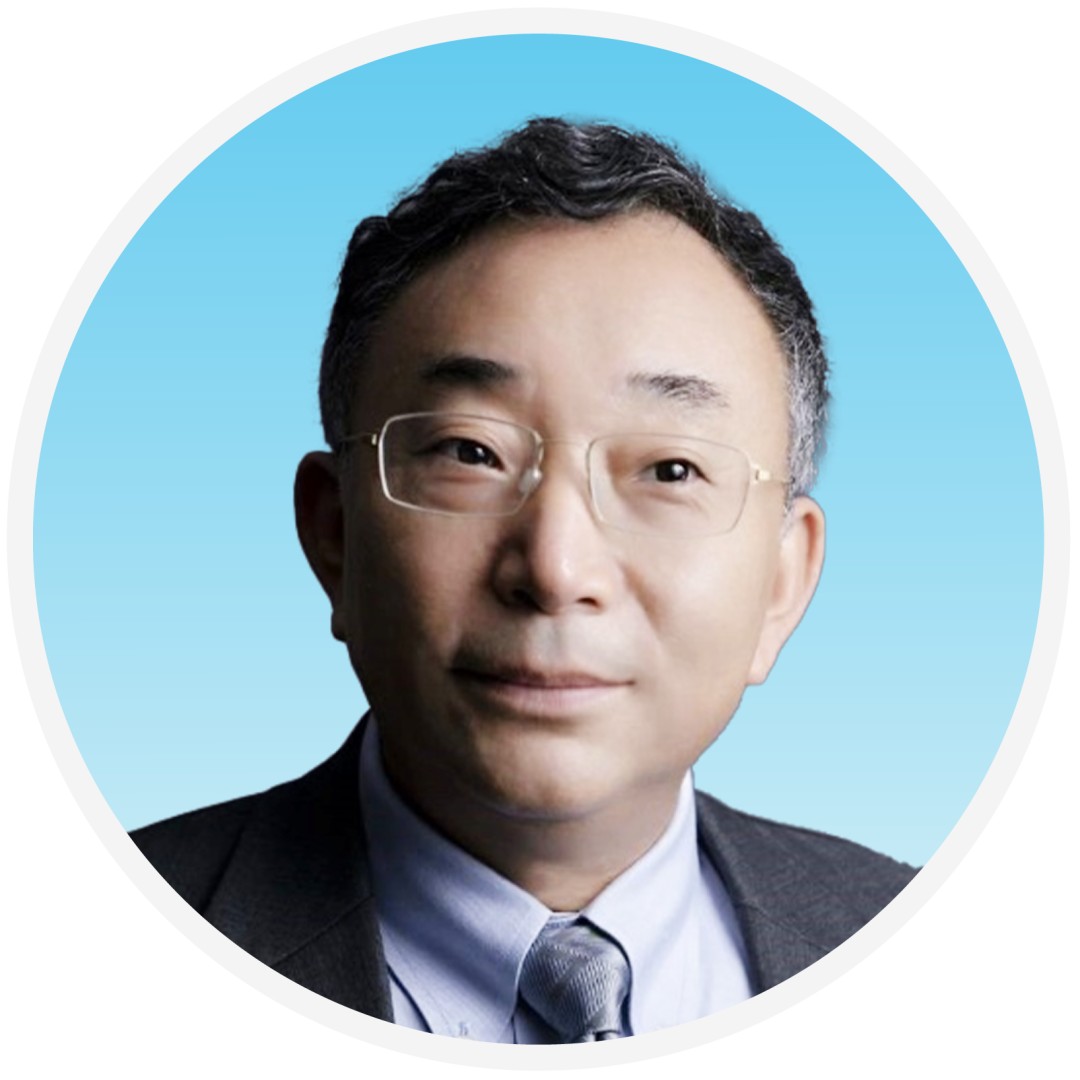 Wang Xiangdong
Fudan University Affiliated Zhongshan Hospital
Doctor of Medicine, Distinguished Professor at Fudan University, Chief Scientist of Respiratory Medicine at Fudan University Affiliated Zhongshan Hospital, Head of the Clinical Medical Research Institute at Fudan University Affiliated Zhongshan Hospital, Director of the Shanghai Clinical Bioinformatics Research Institute, Director of the Clinical Bioinformatics Center at Fudan University, and Deputy Director of the Shanghai Respiratory Disease Research Institute. Chairman of the Gene Testing Technology Branch of the China Biomedicine Technology Association, Vice Chairman of the Clinical Precision Medicine Committee of the Chinese Medical Doctor Association, and Vice President of the World Chinese Medical Association. Main research areas include single-cell sequencing, clinical bioinformatics, disease-specific biomarkers, chronic lung diseases, cancer immunology, and molecular and cellular therapies. He has published approximately 400 scientific papers, including 350 SCI papers, with a total impact factor of 2113, approximately 12701 citations, an h-index of 58, and an i10-index of 303.
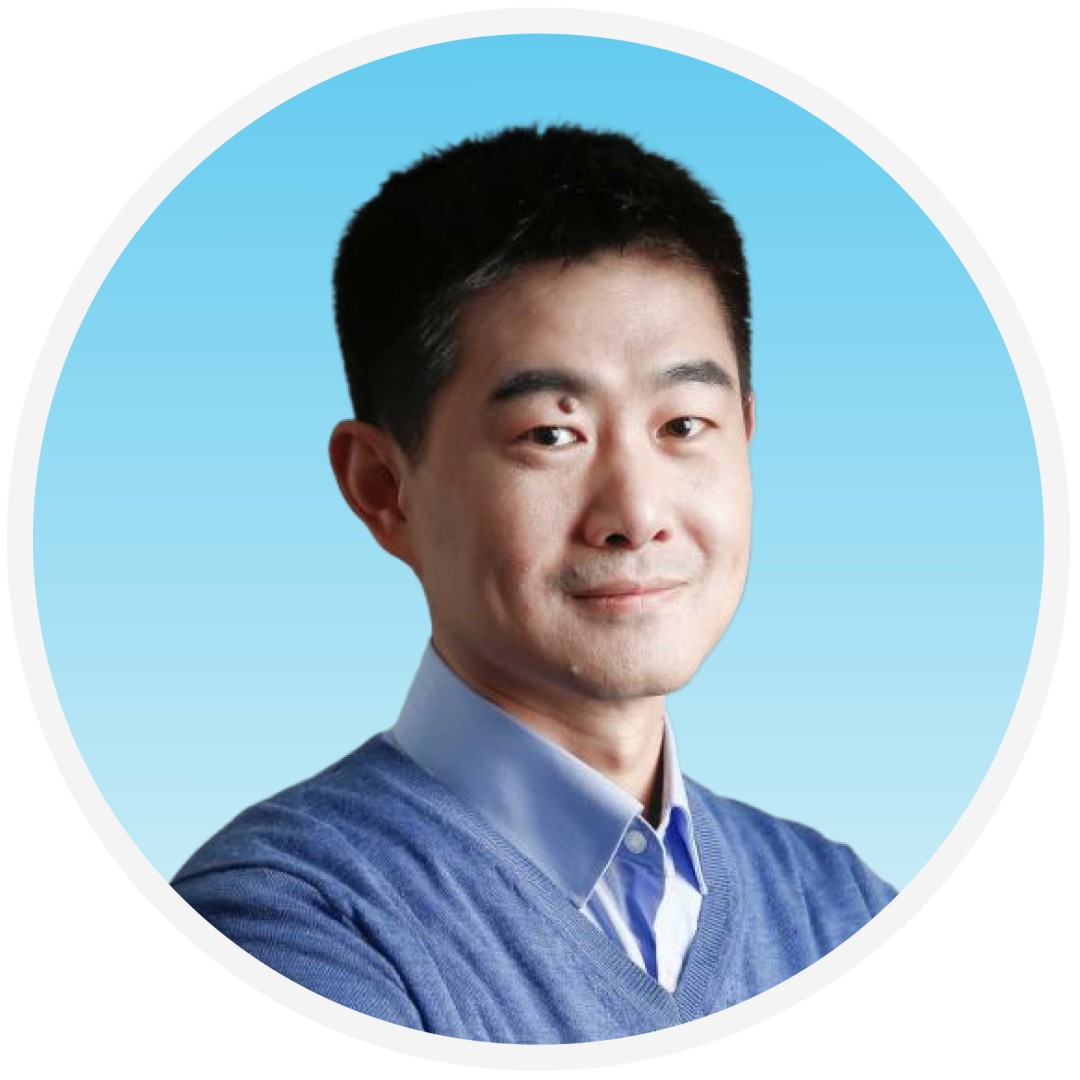
Wu Ligang
Institute of Biochemistry and Cell Biology, Chinese Academy of Sciences
Researcher and doctoral supervisor at the Institute of Biochemistry and Cell Biology, Chinese Academy of Sciences, and the National Key Laboratory of Molecular Biology. A "Hundred Talents" program member of the Chinese Academy of Sciences and a leading talent in national scientific and technological innovation. He has long been engaged in RNA research, with main research directions including the stability and translation regulation of intracellular mRNA, small RNA-mediated gene silencing, and the design and development of mRNA and siRNA drugs. He has published over 40 papers in journals such as Nature Cell Biology, Science Advances, and PNAS, holds 5 invention patents, and his research results have been reviewed in international journals such as Nature Reviews Molecular Biology, Nature Cell Biology, PNAS, and Elife. He has undertaken multiple national major scientific research projects, National Natural Science Foundation projects, and strategic pilot projects of the Chinese Academy of Sciences.
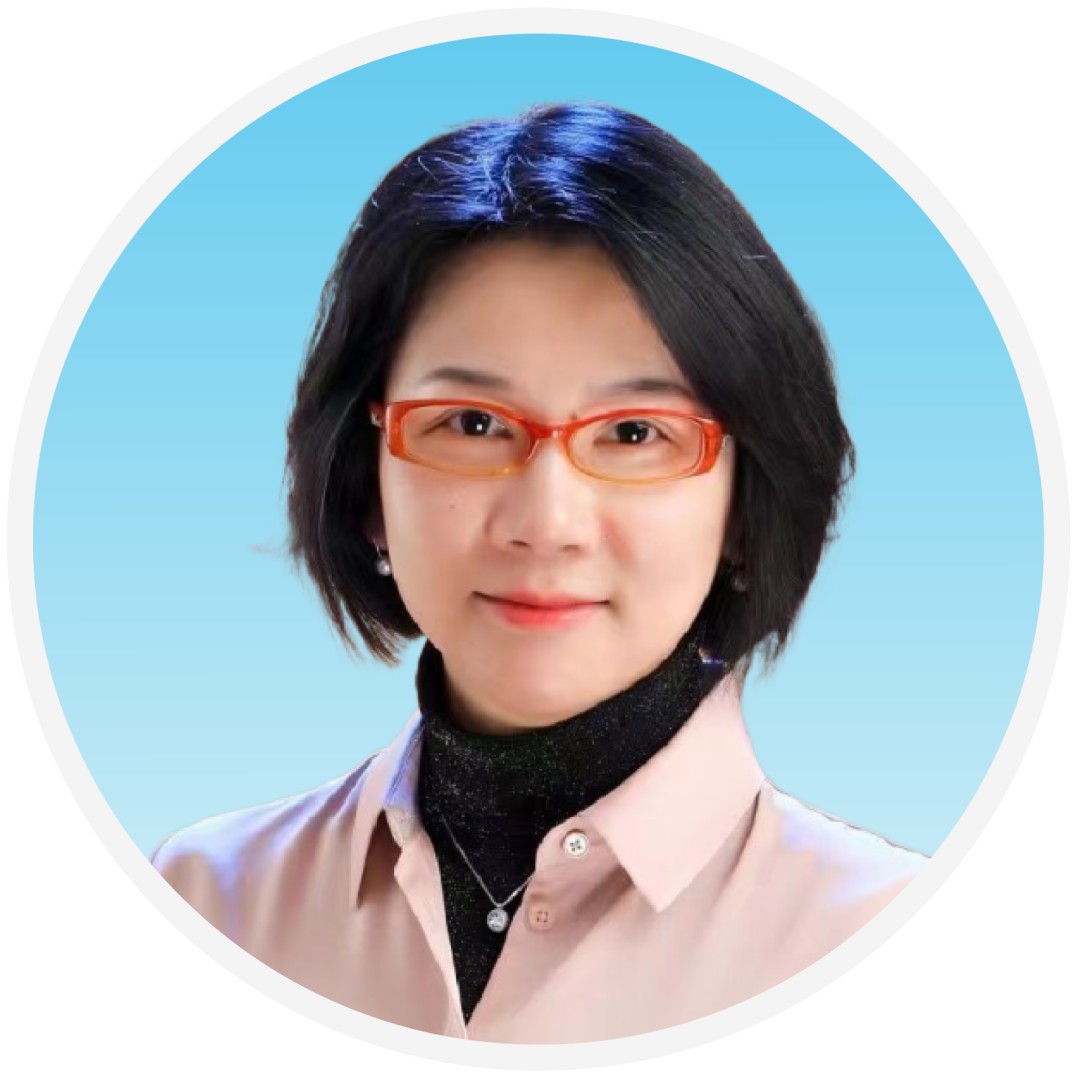
Wu Duo Jiao
Fudan University Affiliated Zhongshan Hospital
Doctor of Medicine, Researcher at Fudan University Affiliated Zhongshan Hospital, Deputy Director of Fudan University Affiliated Jinshan Hospital, and Deputy Director of the Shanghai Artificial Intelligence Engineering Technology Research Center for Cardiopulmonary Diseases. Recipient of the "Shanghai Youth Science and Technology Star" and "Shanghai Pujiang Talent" program funding. Focused on research into immune metabolic regulatory mechanisms and intervention targets; in the past five years, as the first author or corresponding author, he has published over 40 papers in SCI journals such as Immunity, Semin Cancer Biol., and Journal for ImmunoTherapy of Cancer, and has edited or co-edited 5 English monographs in the fields of immune metabolism and systems immunology Served as the Secretary-General of the Gene Testing Technology Branch of the China Association of Pharmaceutical Biotechnology and a member of the Translational Medicine Committee of the Chinese Society of Clinical Oncology.

Wu Xuan
Decoding DNA
Technical support leader for DNA decoding technology. Previously participated in research on avian mitochondrial genome phylogeny, endogenous retroviruses, comparative genomics, and other related topics, with relevant work published in journals such as Int J Biol Macromol and Genes. Engaged in multi-omics data analysis for over 5 years, proficient in whole genome sequencing, transcriptomics, and single-cell transcriptome sequencing technologies, with extensive experience in designing single-cell multi-omics projects; has assisted hundreds of researchers in completing omics project designs, with some work published in journals such as Molecular Plant, Cell Stem Cell, and Nature Communications. Currently mainly responsible for the design and promotion of applications of single-cell sequencing in organoid research and clinical translation.
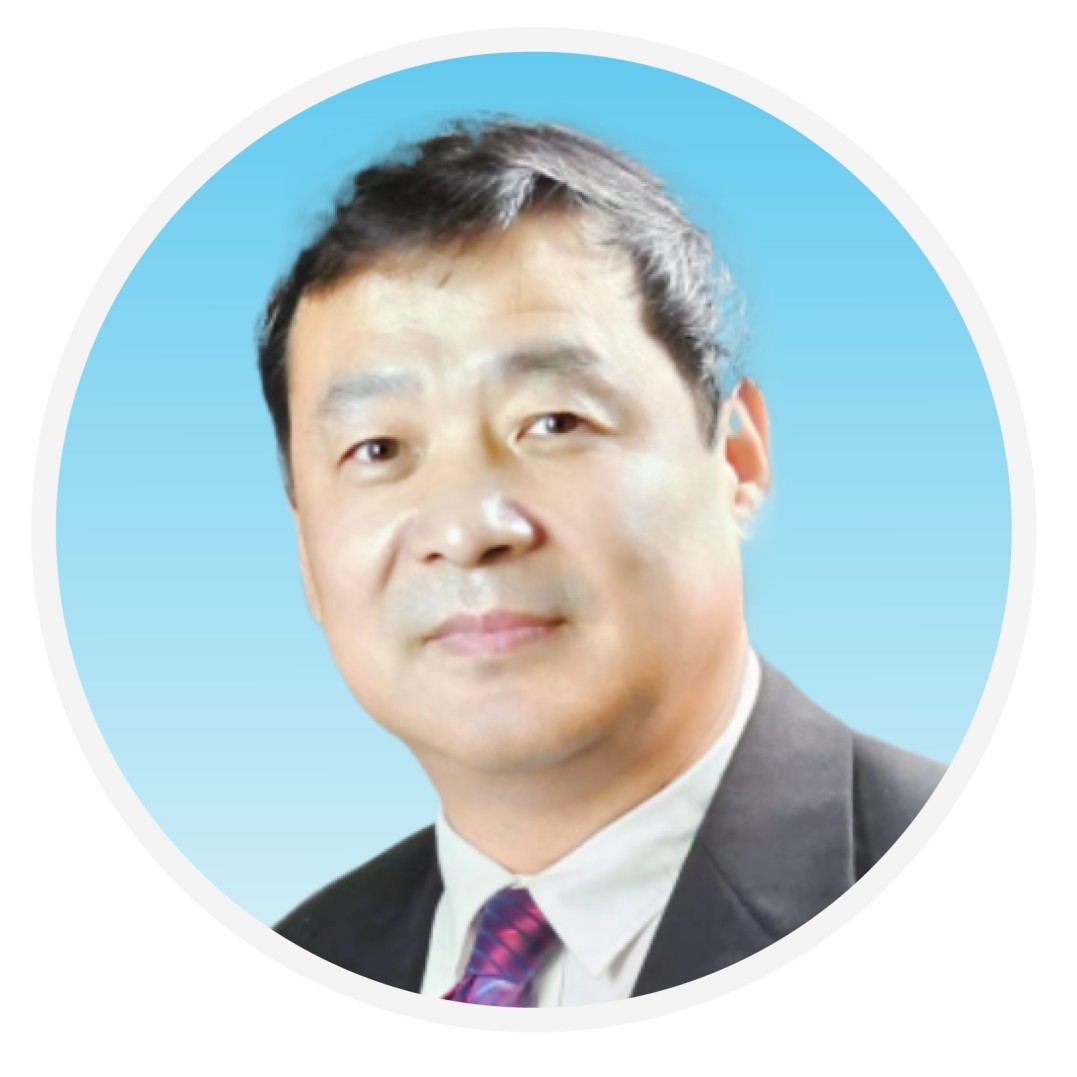
Yang Jinghua
Zhengzhou University First Affiliated Hospital
Distinguished professor at Zhengzhou University First Affiliated Hospital, National Outstanding Youth, Central Plains Scholar, and Taishan Scholar, studied under renowned molecular biologist Tom Maniatis and Nobel laureate Richard Axel. First to discover RNA editing and double-stranded RNA signaling processes, conducted extensive pioneering work in the biological functions of double-stranded RNA, disease proteomics, broad-spectrum antiviral mechanisms, and drug development, with results published as first/corresponding author in journals such as Nature, Science, PNAS, Immunology, J. Biol. Chem, Circ Res, J. Virol, and FASEB J. Principal investigator of multiple grants including the RO1 independent research grant from the NIH and the KO2 career development grant from the NIH. Appointed as an associate professor at Boston University in 2006, director of the Tumor Surgery Research Laboratory, and founded the Clinical Proteomics Research Center, responsible for clinical proteomics research at the Boston University VA Medical Center. Currently serves as the director of the Clinical Systems Biology Center at Zhengzhou University First Affiliated Hospital, pioneering research in the field of pan-protein modifications, and has led multiple grants in the past five years, including major R&D programs from the National Natural Science Foundation of China, Sino-Russian joint projects, and general projects. Has published multiple papers as corresponding author in journals such as Science (2023), Cell Reports, and Aging Cell
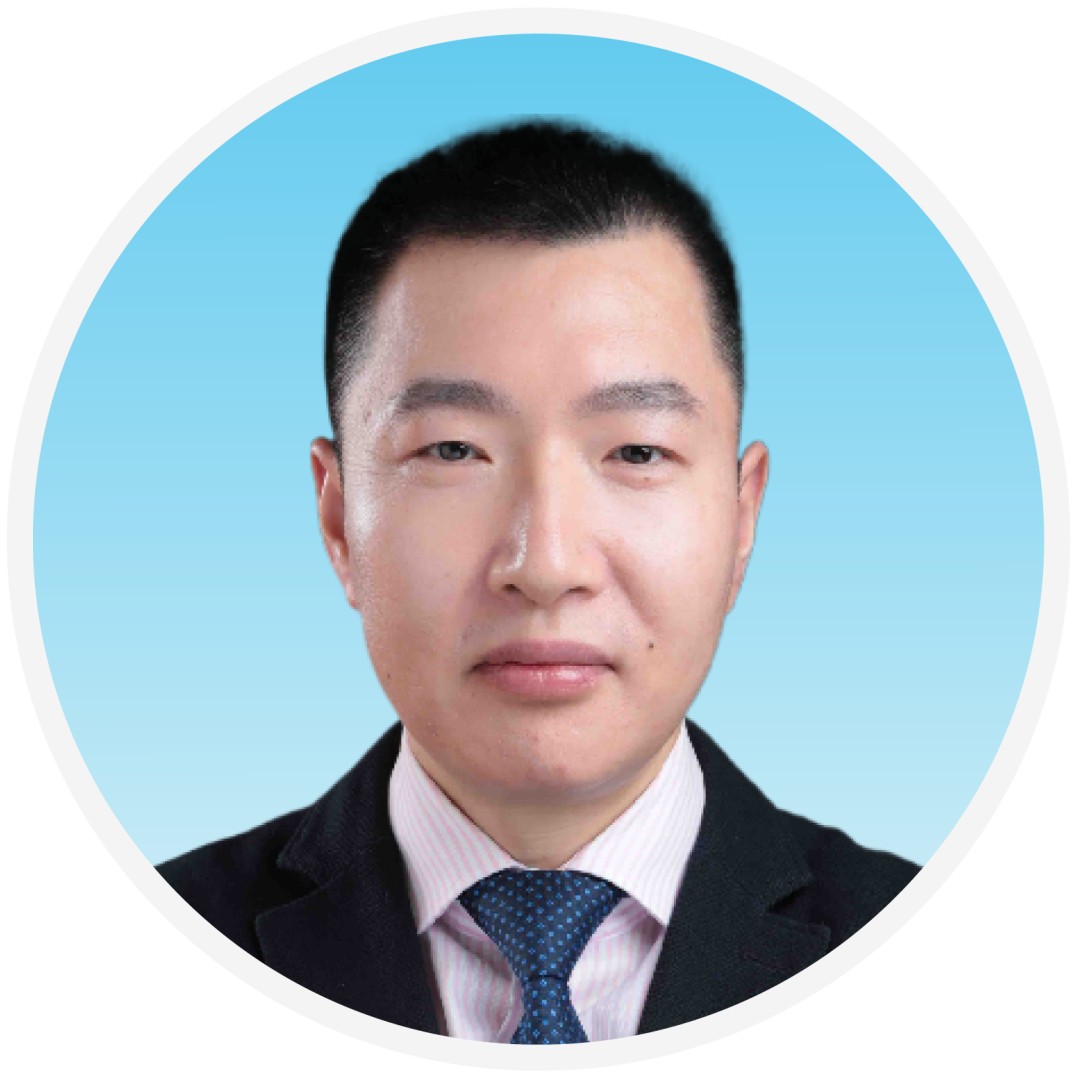
Yang Xinrong
Zhongshan Hospital, Fudan University
MD, PhD. Chief physician of the Department of Hepatobiliary Surgery at Zhongshan Hospital, Fudan University, professor, and doctoral supervisor. Selected as a leading talent in scientific and technological innovation under the National High-Level Talent Special Support Plan (Ten Thousand Talents Program), Shanghai Leading Talent, and Shanghai Health and Health Leading Talent, among others. Editorial board member of Hepatoma Research and Clinical Cancer Bulletin. Member of the International Liver Cancer Association (ILCA), American Society of Clinical Oncology (ASCO), American Association for Cancer Research (AACR), International Liver Transplantation Society (ILTS), etc. Vice leader of the Surgical Quality Control and Evaluation Working Group of the Surgical Physician Branch of the Chinese Medical Doctor Association, vice leader of the Accelerated Rehabilitation Surgery Working Group of the Surgical Physician Branch of the Chinese Medical Doctor Association, and vice leader of the Organoid Group of the Biobanking Branch of the China Association for Medical Biotechnology. Awarded the Second Prize of National Science and Technology Progress, First Prize of Natural Science from the Ministry of Education, First Prize of Shanghai Science and Technology Progress Award, First Prize of Huaxia Medical Science and Technology Award, Gold Medal for Outstanding Invention in Shanghai, and the First "People's Good Doctor" Outstanding Contribution Award, among others. Has presided over more than 20 research projects, including the National Natural Science Foundation, Major Special Projects of the Ministry of Science and Technology, and Shanghai Municipal Science and Technology Commission Fund; has more than 20 authorized patents (14 of which have been transformed); as the first and corresponding author (including co-authors), has published over 80 SCI papers, including in Cell, Nature, Lancet Oncology, Journal of Hepatology, GUT, etc.

Ye Youqiong
Shanghai Jiao Tong University School of Medicine
Researcher at Shanghai Jiao Tong University School of Medicine, doctoral supervisor, currently serving as the group leader of the Shanghai Jiao Tong University School of Medicine - Shanghai Immunology Research Institute (2020 -). Recipient of the National Excellent Young Scientists Fund, Shanghai Overseas High-Level Young Talent, and the "Pujiang (Class A) Talent" Program. The main research direction is tumor microenvironment and immunotherapy (http://www.yelab.site/), driven by single-cell and spatial omics, combined with innovative methods in bioinformatics, basic experiments, clinical cohorts, etc., to develop tools for analyzing the tumor spatial microenvironment and reveal the immune evasion mechanisms of the interactive components in the cancer and adjacent areas within the TME. Related achievements have been published as (co-) first and last corresponding authors in Immunity (2024a, 2024b), Cell Metab, Cancer Cell, Nat Metab, Nat Immunol, Published in academic journals such as Nat Commun (2020, 2022, 2023a, 2023b), Cancer Res (2022, 2023, 2024a, 2024b), and authorized 4 software copyright patents. Currently serves as a director and deputy secretary-general of the Shanghai Bioinformatics Society, a member of the Tumor Microenvironment Professional Committee of the Chinese Anti-Cancer Association, and a member of the Youth Working Committee of the Shanghai Immunology Society.
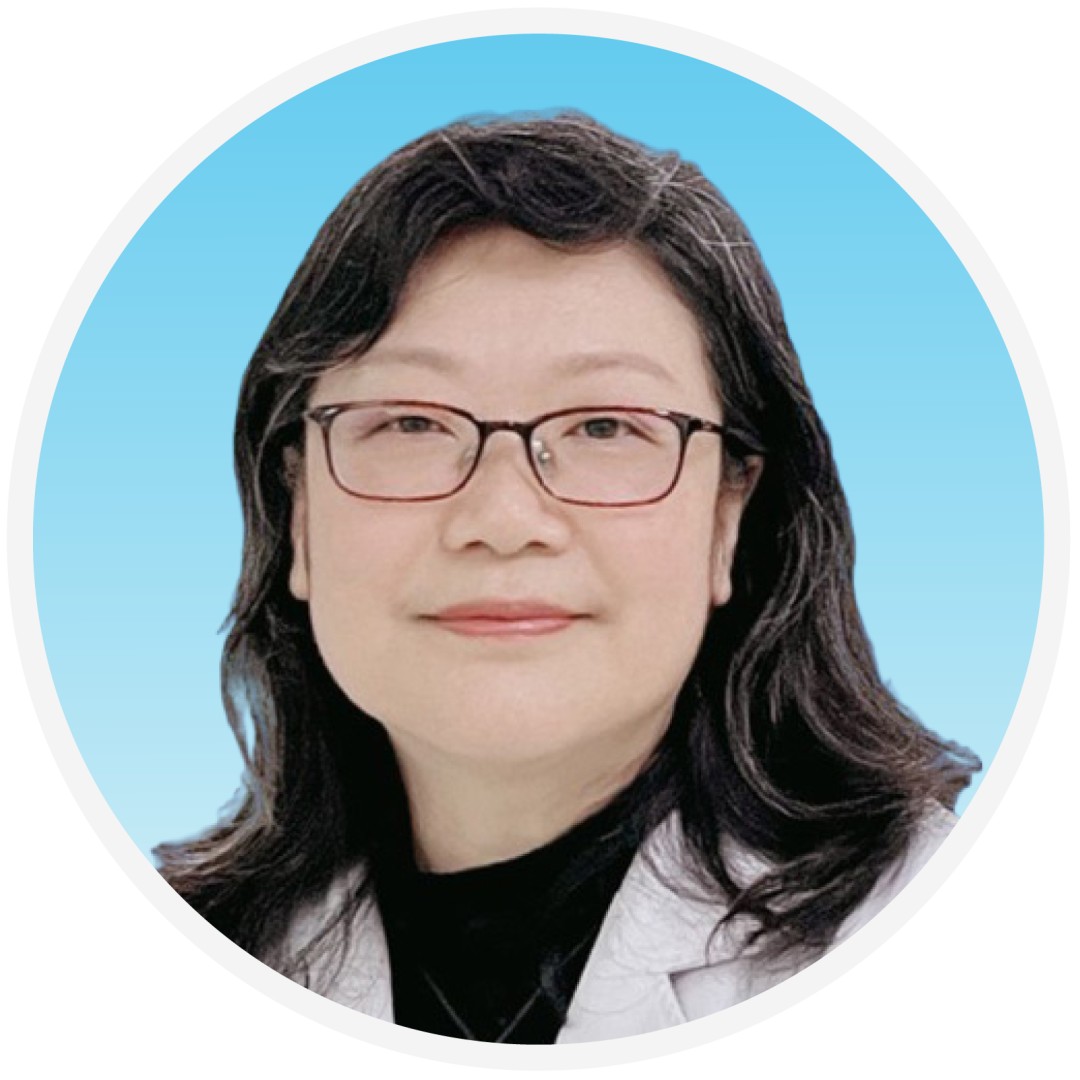
Yin Tong
Researcher, PhD supervisor, Ruijin Hospital affiliated with Shanghai Jiao Tong University School of Medicine, head of the mass spectrometry platform at the National Translational Medicine Center (Shanghai). Main research directions include 1. the impact of the microenvironment on the occurrence and development of leukemia; 2. multi-omics research related to tumor occurrence, diagnosis, and treatment. Graduated with a PhD from Shanghai Jiao Tong University School of Medicine in June 2003. Went to the United States in 2005 and received the Special Fellow Award from the American Society of Hematology and Lymphoma. At the end of 2015, he was introduced to Ruijin Hospital affiliated with Shanghai Jiao Tong University School of Medicine as the platform leader and research group leader. He is an expert in the degree evaluation of the Ministry of Education, a peer reviewer for the National Natural Science Foundation, a member of the expert database of the Ministry of Science and Technology, and a member of the Medical Mass Spectrometry Branch of the Chinese Society for Analytical Testing. He has successively hosted projects such as the National Natural Science Foundation's general projects, the Shanghai Municipal Science and Technology Commission's Pujiang Talent Program, and the Shanghai Municipal Education Commission's "Double Hundred" program for high-level medical talents. He has authorized one patent each in the United States and China, and has applied for 4 patents since 2023. He has published 22 first/corresponding author SC papers (IF 302.515) and 16 co-authored papers (IF 264.336) in journals such as Nature, Nature Medicine, Science, and Cell, with over 3,300 citations.

Concurrent Activities

-
China Translational Medicine Industry Conference - Translational Medicine Expert Forum;
-
Establishment Ceremony of the Single-Cell Biomedical Alliance.

Register Now

This conference is free, limited spots available, registration will close once full! Scan the QR code or click the link at the end of the article to submit your registration application. After approval, you will receive a confirmation SMS for successful registration!
Acknowledgments for the Series of Forums



 !
!










 !
!


 Registration

This conference is free, limited spots available, registration will close once full! Scan the QR code or click the link at the end of the article to submit your registration application. After approval, you will receive a confirmation SMS for successful registration!

Contact Us

Conference Inquiries
Contact Person: Teacher Li
Mobile: 180 1971 3070 (WeChat same number)
Email: liminji@360zhyx.com
Speaking Application
Contact Person: Teacher Zhang
Mobile: 177 2132 5659 (WeChat same number)
Email: zhangqin@360zhyx.com
Sponsorship Cooperation
Contact Person: Teacher Huang
Mobile: 133 7192 8010 (WeChat same number)
Email: huangxuqiong@360zhyx.com