

Seres swings to H1 loss on parts price hikes, asset impairment
 I'm LongbridgeAI, I can summarize articles.
Seres swung to a H1 2026 net loss of 1.72 billion yuan, reversing from last year's profit. Revenue fell 7.87% to 57.49 billion yuan due to product transitions and rising component costs, including a 132.2% jump in lithium carbonate prices. The company booked a 1.75 billion yuan asset impairment. Despite a 1.02% drop in total vehicle sales, NEV sales rose 3.87%. Seres maintains strong liquidity with over 73 billion yuan in cash reserves.
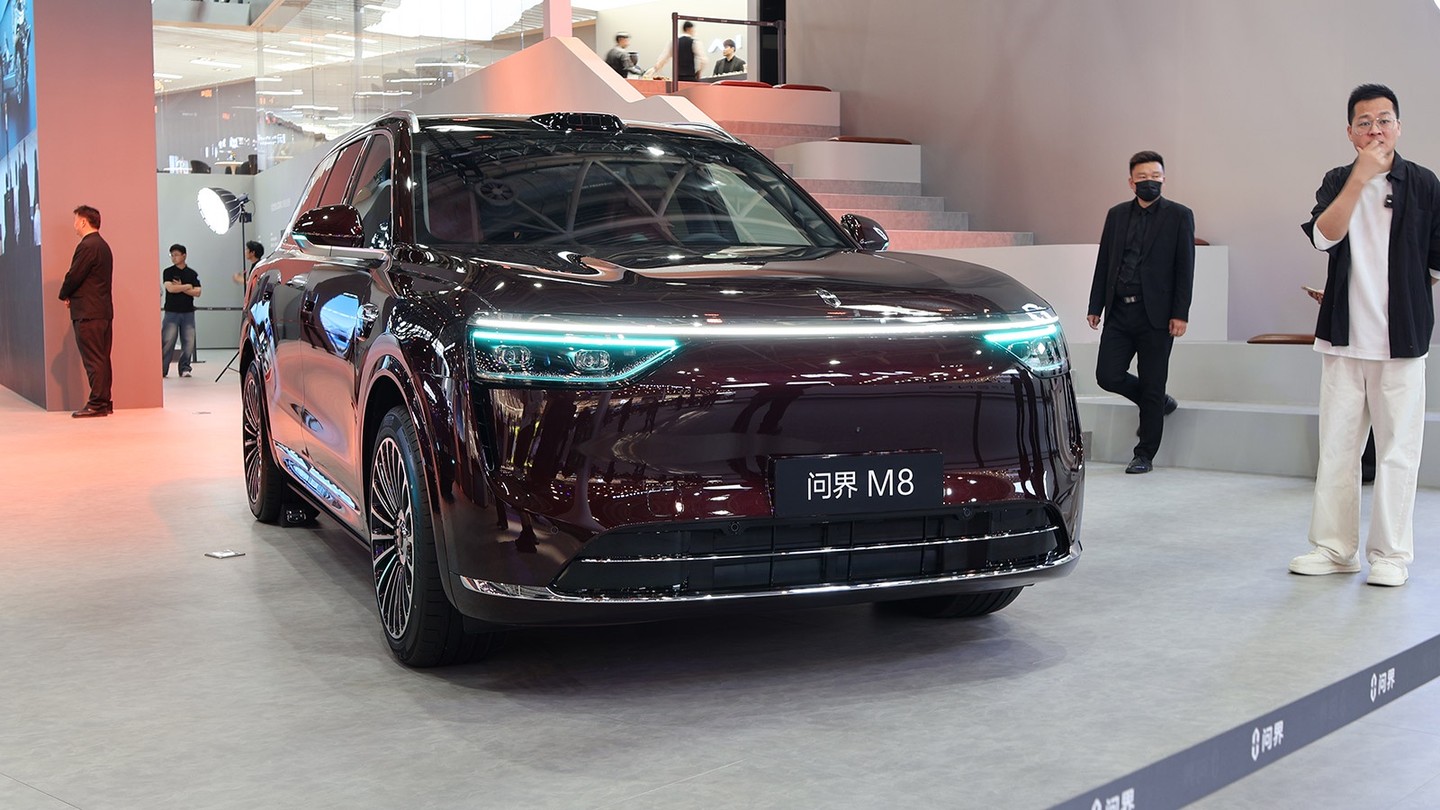
- The average daily price of battery-grade lithium carbonate jumped 132.2% in H1, while chips saw structural shortages and sharp price increases.
- Seres booked a 1.75 billion yuan impairment on intangible assets, while its gross margin fell 4.7 percentage points year-on-year.
Huawei's auto partner Seres (HKEX: 9927) swung to a loss in the first half of the year, weighed down by rising prices for key components and a sizable asset impairment.
The company said Wednesday that its net loss attributable to shareholders was 1.72 billion yuan ($253 million) in the first half of 2026, compared with a net profit of 2.94 billion yuan a year earlier.
Revenue was 57.49 billion yuan in the first half, down 7.87% year-on-year. Its net loss excluding non-recurring items was 2.38 billion yuan, compared with a profit of 2.47 billion yuan in the same period last year.
Join us on Telegram or Google News
Seres sold 196,580 vehicles in the first half, down 1.02% year-on-year, according to data compiled by CnEVPost.
Its new energy vehicle (NEV) sales totaled 178,777 units during the period, up 3.87% year-on-year.
Seres Group monthly sales
2024 2025 2026
Seres said its key models were undergoing product transitions in the second quarter, meaning the benefits of scale from production and sales had yet to be fully realized, while its product mix also shifted.
At the same time, temporary price increases for core NEV components including batteries and chips pushed up vehicle manufacturing costs.
The average daily price of battery-grade lithium carbonate jumped 132.2% year-on-year in the first half, while automotive-grade chips saw structural shortages and sharp price increases.
The company said it did not shift those costs by lowering component quality standards, instead maintaining its premium supply-chain requirements, putting pressure on near-term operating profit.
Its gross margin was 21.8% during the reporting period, down 4.7 percentage points year-on-year. Cost of sales fell 2% to 44.9 billion yuan.
Amid rapid technological iteration in the NEV industry, Seres booked an impairment loss of 1.75 billion yuan on intangible assets. Other gains and losses amounted to a loss of 2.31 billion yuan, compared with a loss of 33 million yuan a year earlier.
Research and development expenses rose 27.4% year-on-year to 3.73 billion yuan. Selling and distribution expenses fell 5.3% to 8.47 billion yuan.
Net cash flow from operating activities was negative 12.38 billion yuan, mainly due to lower cash receipts from vehicle sales and payments on previously issued bank acceptance bills as they matured.
Seres said its operating resilience remained solid. Inventory turnover was about 7.5 days in the second quarter, significantly below the industry average.
At the end of the reporting period, cash reserves exceeded 73.15 billion yuan, accounting for 57% of total assets. Interest-bearing debt represented just 3.2% of total assets, with only 398 million yuan due within 1 year.
Total assets stood at 128.35 billion yuan, down 10.81% from the end of last year. Net assets attributable to shareholders were 37.48 billion yuan, down 8.42%.
Pressure was widespread across the industry. Domestic passenger-vehicle retail sales exceeded 8.7 million units in the first half, down 20.2% year-on-year, Seres said in its earnings report, citing data from the China Passenger Car Association (CPCA).
Only the segment priced above 400,000 yuan posted growth, with retail sales rising 18.8% year-on-year. NEV sales in that price range surged 45.9%.
Seres has also sought to shore up investor confidence through dividends, share repurchases and increased holdings by insiders. It paid more than 1.39 billion yuan in cash dividends during the reporting period, while cumulative share repurchases exceeded 587 million yuan as of July 2026.
In July, the controlling shareholder and core management team also increased their holdings on a large scale. Directors, senior executives and key employees completed a 148 million yuan share-purchase plan within 3 trading days of the announcement.
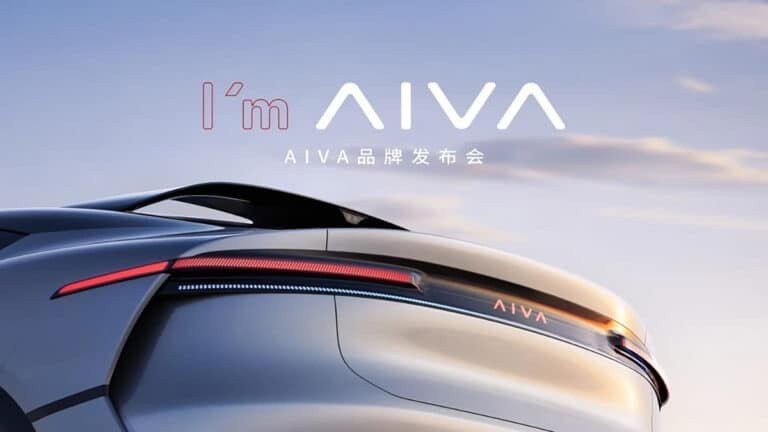
Seres-backed Saidou launches new brand Aiva, targeting AI-defined EVs
Saidou officially launched its new auto brand Aiva and its first concept car, with its mass-produced ME7 model expected to debut in 2026.
($1 = 6.7854 yuan)