

El Nino heatwaves to ‘fuel inflation next year’
 I'm LongbridgeAI, I can summarize articles.
Jefferies warns that the 'Super El Nino' heatwaves could add up to one percentage point to European inflation next year, driven by a 5-9% rise in food prices. This supply shock complicates central bank efforts to control price rises, especially amid tensions from the US-Iran war. The Bank of England is monitoring these risks as inflation remains above target.
| Updated:
The ‘Super El Nino’ triggering record temperatures across Europe could add a full percentage point to inflation next year, hampering central bank efforts to slow down price rises, a top investment bank has warned.
According to an analysis by Jefferies, harsh weather unleashed by the meteorological phenomenon will pose “an inflationary threat” next year and cause food prices to rise by between five and nine per cent across the UK and Europe.
“In the context of already upward pressure on commodity prices due to the US Iran war, this effect is likely to be higher,” chief European economist Mohit Kumar wrote. “Food and related products account for around 13 per cent of the consumer basket in Europe. The severe weather impact could raise inflation by between 0.5 per cent and one per cent next year.”
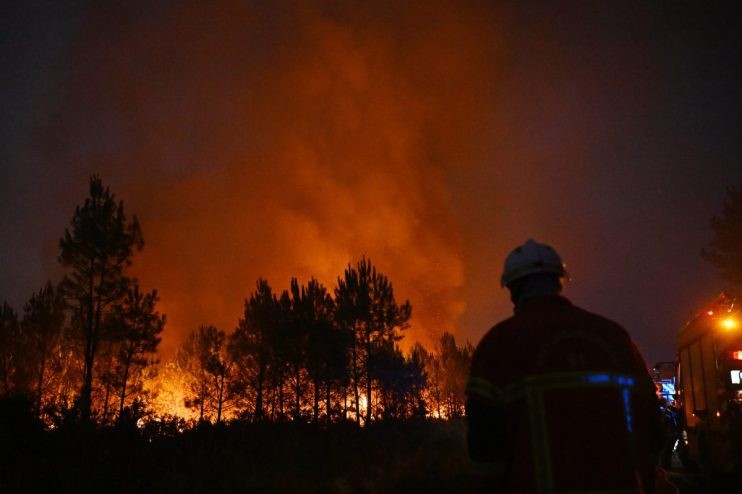
El Nino – meaning little boy in Spanish – is a natural climate event occurring every two to seven years whereby sea temperatures in the Pacific Ocean become unusually warm. The pattern generally causes hotter weather across the globe, and this year, an extreme iteration has been the predominant driver of Europe’s unprecedented spell of hot, dry weather.
The summer’s weather has sparked a wave of warnings about food prices from Britain’s retailers and farmers, who have said this year’s crop yield was the worst they have known.
The weather has put rate-setters at the Bank of England on notice, with two members of its rate-setting Monetary Policy Committee raising the meteorological event as something they plan to monitor ahead of future interest rate decisions. In minutes published alongside the decision, deputy governor Dave Ramsden said El Nino “may add to inflationary pressures”, while external member Megan Greene said it constituted a looming “supply risk”.
Jefferies’ warning constitutes a further headache for the Bank, which has struggled to rein in price pressure after a barrage of shocks to supply. Inflation has only hit the Bank of England’s official two per cent goal for two months since 2021, and has otherwise been above target.
Going into 2026, economists had predicted that annual price rises would ease to two per cent later this year, precipitating a parallel fall in interest rates to roughly three per cent. But the US’s protracted activity in Iran upended those predictions.