

Tesla sued over fatal Model 3 crash alleging sudden unintended acceleration
 I'm LongbridgeAI, I can summarize articles.
Tesla faces a wrongful death lawsuit in Texas over a fatal Model 3 crash, with plaintiffs alleging sudden unintended acceleration (SUA). The suit claims the vehicle was unreasonably dangerous and seeks over $1 million in damages. However, federal regulators, including NHTSA, have previously found no evidence of vehicle defects in SUA cases, attributing incidents to driver error such as pedal misapplication.
Tesla is facing a new wrongful death lawsuit in Texas over a fatal Model 3 crash. The lawsuit’s central claim is a frequently-quoted allegation, but one that has always been debunked – sudden unintended acceleration (SUA).
The lawsuit was filed in Travis County on behalf of Steven Alvarez, a 23-year-old who died in May after his Model 3 left the road in Clute, Texas, and crashed into the empty swimming pool at Clute Municipal Park.
According to the complaint, the Model 3 “suddenly and unexpectedly accelerated without any input” from Alvarez, causing him to lose control and leave the roadway. Photos from the scene show firefighters extinguishing a fire involving the vehicle following the crash. (via Statesman)
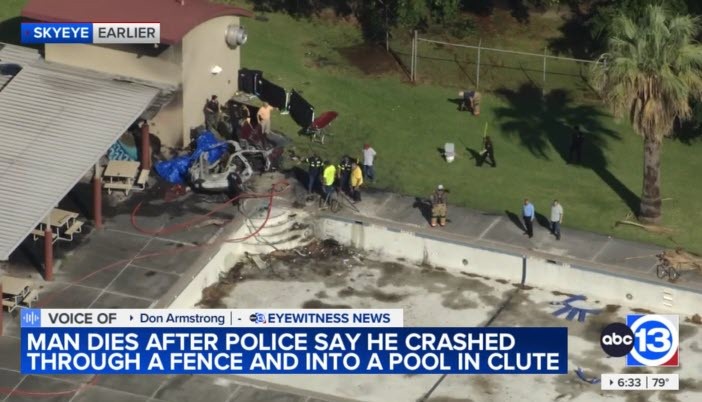
Leolina Medrano, representing Alvarez’s estate, alleges the Model 3 was “unreasonably dangerous” and that Tesla failed to adequately warn owners about potential risks associated with the vehicle. The lawsuit is seeking more than $1 million in damages, with the final amount to be determined by a jury.
Tesla has faced similar unintended acceleration allegations before, but federal regulators have so far found no evidence of a vehicle defect behind the incidents.
Earlier this year, the National Highway Traffic Safety Administration (NHTSA) rejected a petition seeking a recall of more than 2.2 million Tesla vehicles over concerns that regenerative braking and one-pedal driving could increase the risk of pedal misapplication. Regulators concluded there was no evidence of a safety defect and noted that regenerative braking is not unique to Tesla.
NHTSA also rejected an earlier sudden acceleration petition after analyzing hundreds of complaints, finding the incidents were consistent with drivers mistakenly pressing the accelerator instead of the brake.
Tesla has not yet publicly responded to the lawsuit.
- NHTSA denies 2023 petition seeking recall of all Teslas over unintended acceleration
- Washington family sues Tesla over deadly “sudden uncommanded acceleration” crash
- Former Revel driver sues Tesla over claim of sudden unintended acceleration
- Tesla crash at Vancouver ferry terminal was user error, not ‘sudden unintended acceleration’