

Slower Bags, Silent Stills: What Is Happening to Luxury?
 I'm LongbridgeAI, I can summarize articles.
On March 19, 2024, the stills at Port Ellen, on Scotland’s island of Islay, started running again.
The distillery had last produced whisky in 1983. Back then, Scotland’s distilleries had made more spirit than the market wanted. Unsold stock piled up in warehouses, forming what the industry called a “whisky loch.” Port Ellen was one of the distilleries that closed.
Over the following decades, the whisky left behind grew scarcer—and more valuable. Diageo decided to rebuild Port Ellen. Its reopening made for an irresistible reversal: the whisky nobody wanted forty years earlier had become a collector’s item.
But the old problem returned.
In 2025, Diageo paused distilling at Teaninich. By September 2026, Holyrood Distillery in Edinburgh had also stopped production. Its co-founder said he did not know when it would restart. By his estimate, the industry might be producing at only around a third of its normal level.
The phrase “whisky loch” was back.
A couple of weeks later, in Paris, LVMH reported its third-quarter results. Organic revenue at its fashion and leather goods division, which includes Louis Vuitton, had fallen 5%.
A bottle of whisky and a handbag are hardly the same business. Yet they had run into a similar problem: when customers begin to hesitate, can the things that once helped a product command a high price also make it harder for the company to change course?
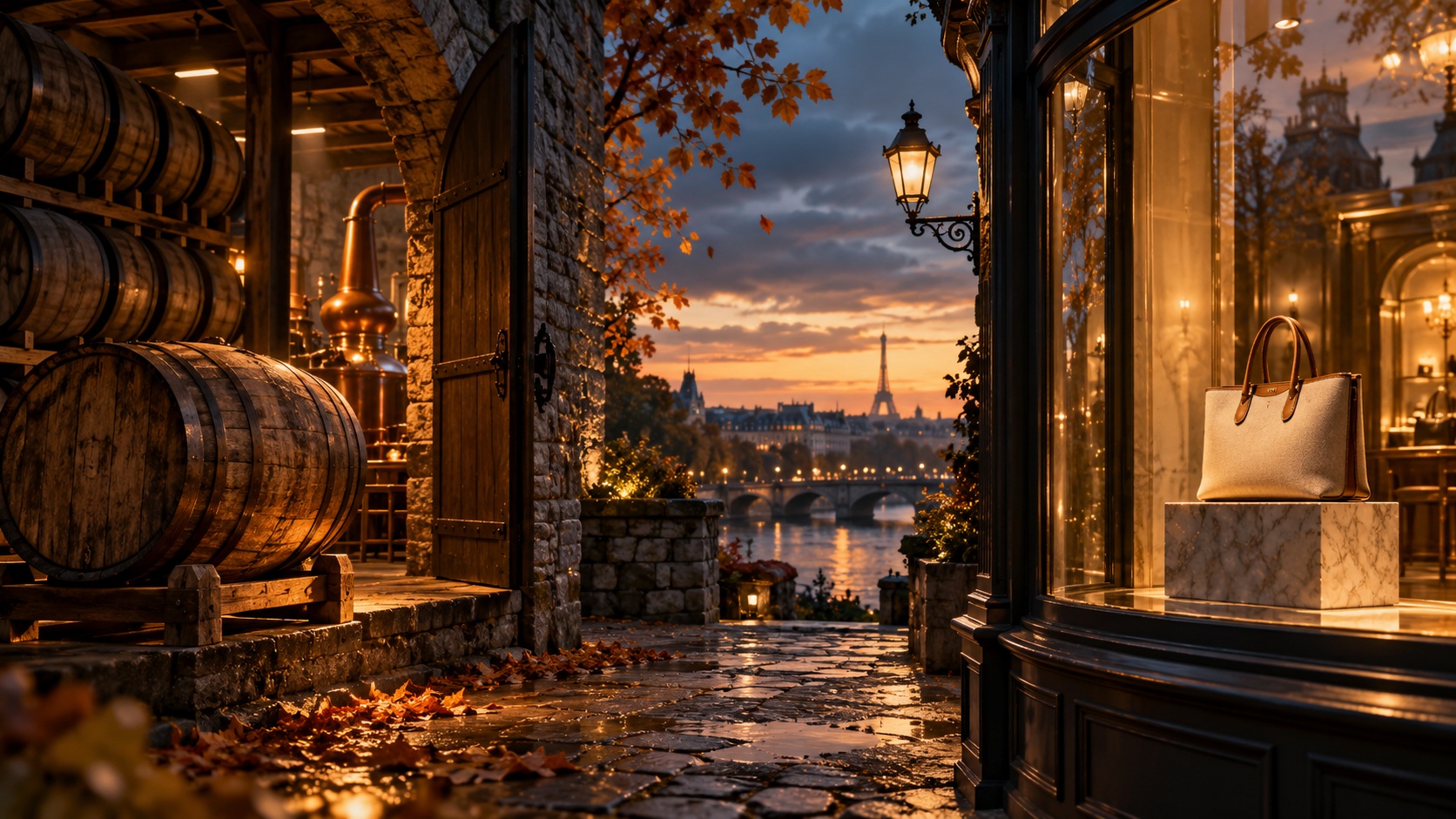
A Handbag’s Fifteen-Year Climb
Start with the bag.
When the Neverfull launched in 2007, it cost about $575 to $655 in the United States. It was not Louis Vuitton’s most expensive bag. For many shoppers, that was the point: it was the first Louis Vuitton they felt they could afford.
Then the price kept climbing. A medium Neverfull cost about $870 in 2012. By 2022, its price tag read $2,030.
Higher prices let Louis Vuitton charge more for each bag and help preserve its high-end image. But the Neverfull was never a bag you had to join a waiting list to buy. Being relatively attainable was what drew many first-time luxury buyers to it.
Would they keep coming back as the price rose?
Bain’s research on the wider luxury market offers a clue. Among potential luxury customers, the share who were active buyers fell from about 60% in 2022 to 40–45% in 2025. That is not a Louis Vuitton sales figure. It does suggest that shoppers who need to save up, and convince themselves a purchase is worth it, have become more hesitant.
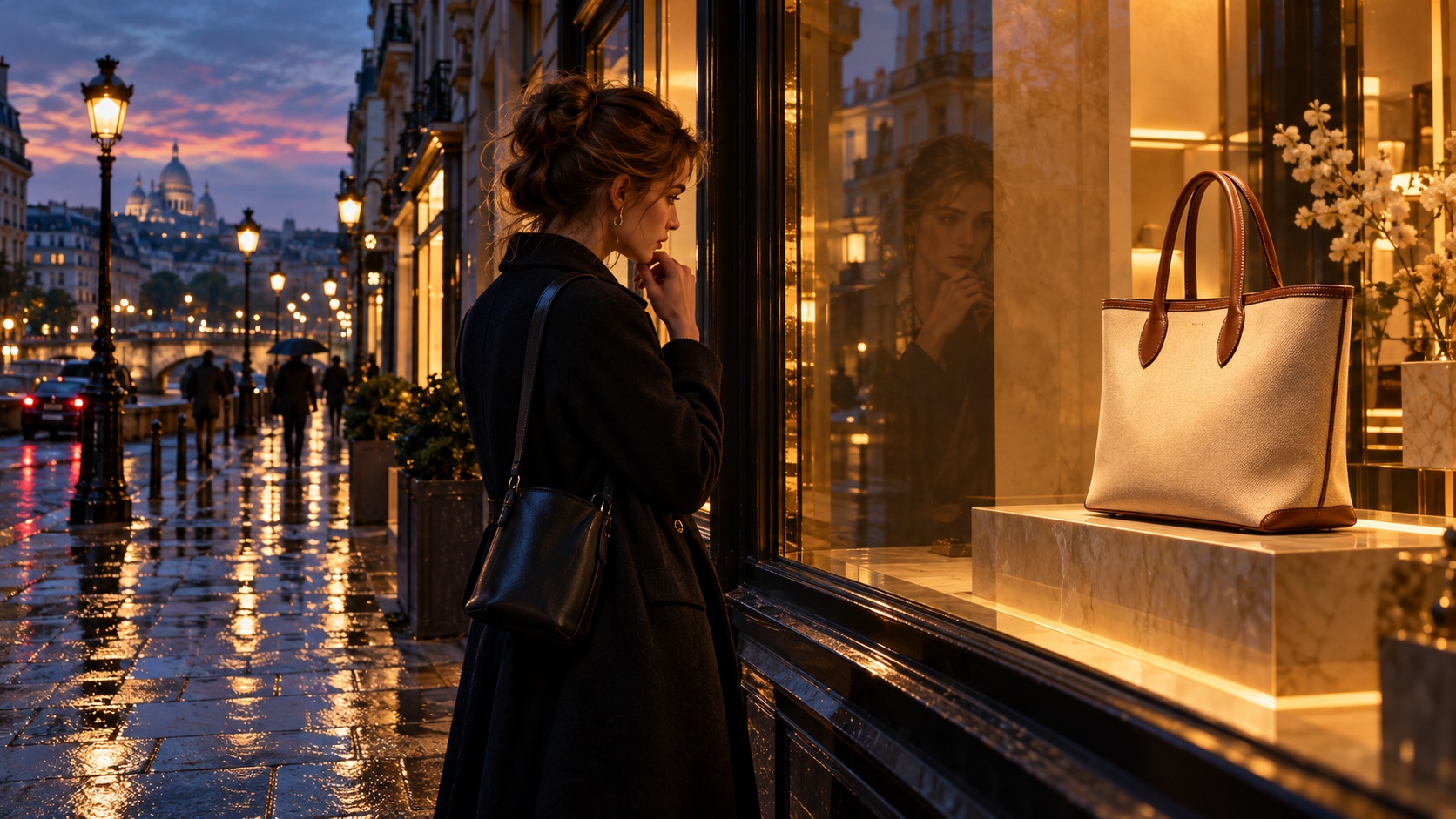
In the third quarter of 2026, organic revenue at LVMH’s fashion and leather goods division fell 5%. Price increases cannot explain the decline on their own; a weaker consumer environment also weighed on sales. LVMH’s chief financial officer acknowledged that Louis Vuitton’s trademark dispute with a Chinese tea chain had a negative effect early in the quarter, though she said its size was difficult to pin down.
Luxury brands sell more than bags. They also depend on how customers feel about the name on the bag. Raising a price is easy. Keeping people convinced it is worth paying is harder.
A Cask’s Long Wait
Now the whisky.
Scotch must mature in oak casks for at least three years. If a bottle is labelled 12 or 18 years old, even its youngest whisky must have spent that long in a cask.
Every cask filled today is a bet on customers many years from now.
In good times, the ability to wait looks like a strength. Scotch whisky exports topped £6 billion for the first time in 2022. Distilleries had to lay down stock well before they knew who would buy it. By the time an order arrives for an 18-year-old whisky, it is eighteen years too late to start making one.
By 2025, export volume had fallen 4.3% year on year. Exports of single malt, the more expensive end of the market, fell 6% by value. A distillery can stop filling new casks. It cannot make the casks already in its warehouses disappear.
Diageo’s Cluny Bond warehouse complex in Scotland will be able to hold nearly three million casks once its expansion is complete. Those casks may become future sales. Until then, they occupy space and tie up money.
The slowdown is affecting workers, too. In late September 2026, staff at Diageo’s Cameronbridge distillery went on strike over planned job cuts. Cutting production was no longer just a line in a company report.
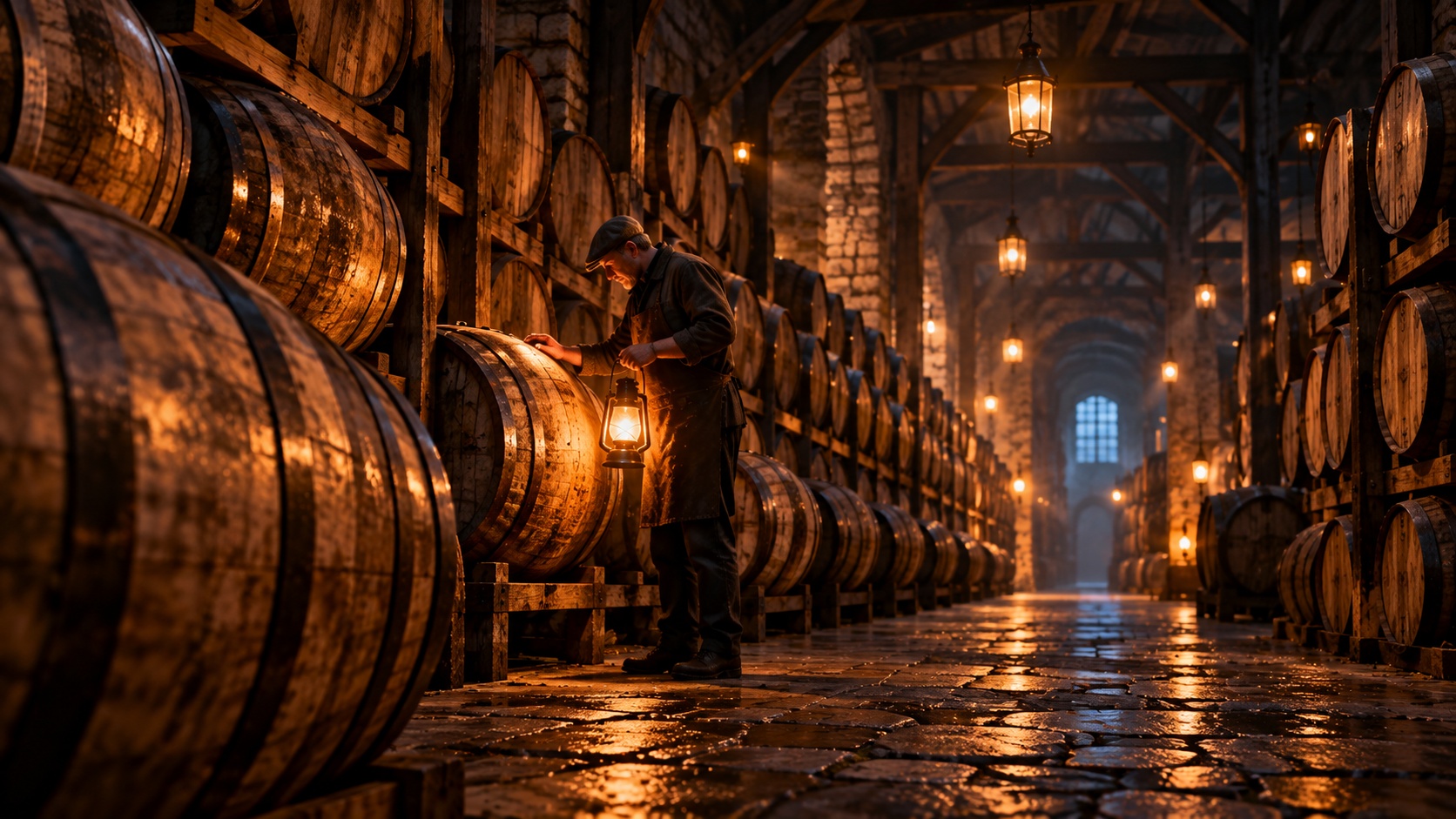
Who Pays for the Wait?
A bag can stay on a shelf. Whisky can stay in a cask. Share prices do not wait.
As of October 14, 2026, LVMH shares in Paris were about 57% below their 2023 high; Diageo shares in London had lost more than half their value from their 2023 peak. That does not mean handbag or whisky sales have fallen by half. Both companies have other businesses, and demand differs across markets.
The more revealing comparison is between two bets made during the boom.
Louis Vuitton kept raising prices, trusting that customers would continue to see the value. Distilleries kept filling casks, trusting that future customers would pay for aged whisky. One raised the price of entry; the other committed production years in advance.
Now customers are taking longer to decide. They can put off buying a bag, but the whisky in a cask must keep waiting. Louis Vuitton cannot easily use deep discounts to win shoppers back. A distillery cannot sell newly made spirit as a ten-year-old whisky.
Port Ellen became a legend after more than forty years of silence. But that is the story of a small stock of rare old whisky. It is no guarantee that every unsold cask today will become a collector’s item.
Perhaps the customer luxury businesses fear most is not the one who says, “I’m not buying.” It is the one who says, “Let me think about it.”
The customer can take their time. The companies behind the bag and the whisky pay for the wait, day after day.
Sources: Diageo announcement on the reopening of Port Ellen (March 19, 2024); The Guardian and The Spirits Business on Holyrood and other Scotch distilleries pausing production (September 2026); LVMH Q3 2026 revenue release and earnings call (October 13, 2026); Bain & Company, Luxury Study (2024, 2025); Sotheby’s and PurseBop on Neverfull price history; Scotch Whisky Association export data for 2022 and 2025; Diageo FY2026 results (August 2026); Euronext and London Stock Exchange price data (October 13–14, 2026). This article is for educational purposes only and does not constitute investment advice.
$Louis Vuitton(LVMUY.US) $Diageo(DEO.US) $Brown-Forman-B(BF.B.US) $Estee Lauder(EL.US)


The copyright of this article belongs to the original author/organization.
The views expressed herein are solely those of the author and do not reflect the stance of the platform. The content is intended for investment reference purposes only and shall not be considered as investment advice. Please contact us if you have any questions or suggestions regarding the content services provided by the platform.