
2024, keep moving forward. --My 2024 year-end summary
 I'm LongbridgeAI, I can summarize articles.
I actually planned to write this summary back in December. But I was too busy with too many projects, so it got delayed until now. I won't go into details since I've mentioned it in my social media and previous articles—I believe everyone has already profited.
Overall, this year has been quite satisfying, with major income streams including US stocks, Hong Kong IPO subscriptions, Web3, and funds.
1. Let's start with US stocks
This year, US stocks have been on a strong upward trend, with the Nasdaq alone rising over 30%.
The stock market is a barometer of the economy. When the economy is doing well, legitimate stocks naturally rise. Other factors include easing inflation pressure, the Fed's rate cuts, and rapid advancements in tech stocks (especially AI).
In April and August, US stocks experienced significant pullbacks, leading many to believe the bull market was ending. In such a bearish atmosphere, sticking to your own views and not being swayed by market sentiment is incredibly difficult, especially when real money is on the line.
I held most of my positions through the volatility, avoiding the mistake of missing out on the subsequent rally.
This year, my gains came from a portfolio of 8–12 stocks, including NVIDIA, Apple, TSMC, Meta, and Tesla.
This portfolio consists of top-tier US companies. Many people don’t want to spend time verifying the growth potential of large-cap stocks, so they get stuck in speculative stocks, experiencing ups and downs with little realized profit.
I’ve discussed this with some group members—the core reason for losses is chasing speculative stocks for quick gains. But even large-cap stocks can be traded short-term, which I’ll explain later.
Everyone knows NVIDIA. I started building my position in 2022 during the ChatGPT hype at $10 (pre-split, around $110), riding the wave from start to finish. AI Chips in Frenzied Demand, NVIDIA Soars 30%, Hitting All-Time High.
When it broke $50 early this year, I doubled down. I sold some between $90–120 in June and July, then bought back at $90 in August. In the second half of the year, I gradually sold more (this is the large-cap short-term trading I mentioned earlier).
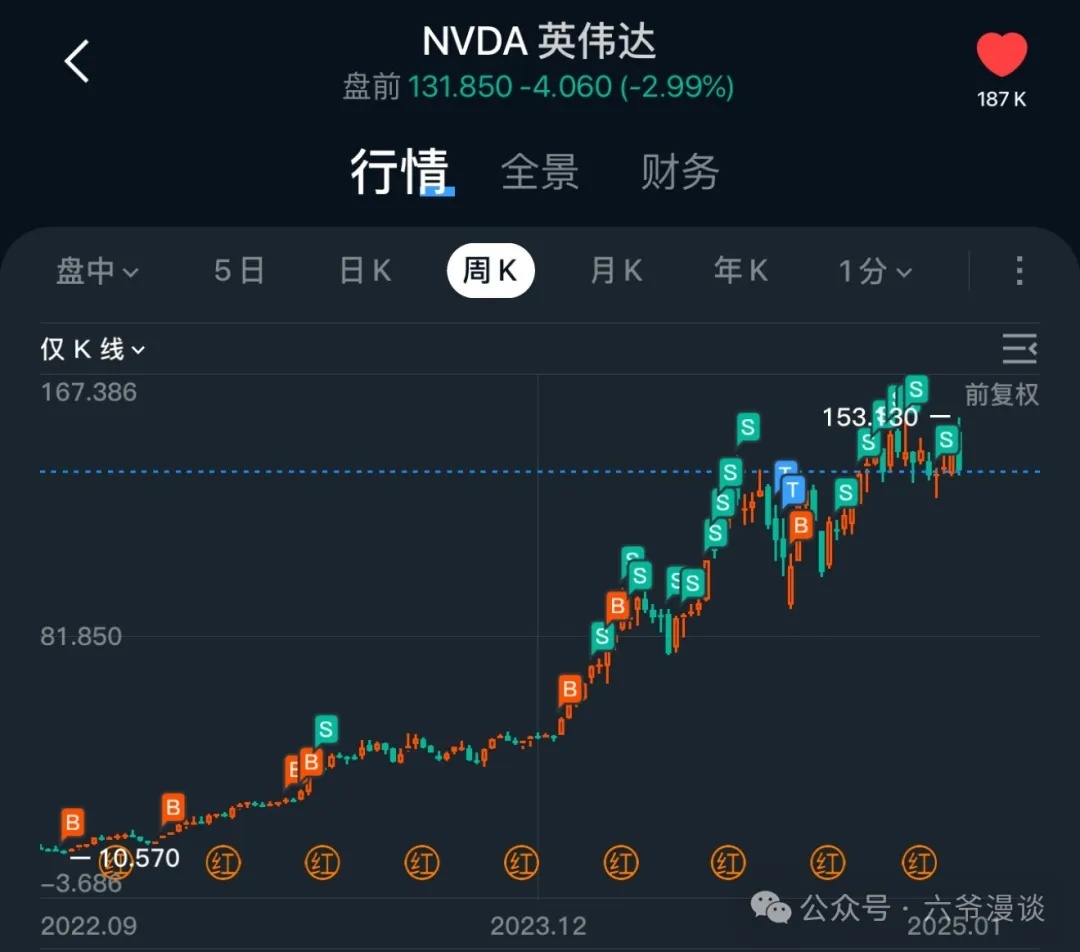
I sold some NVIDIA in the second half, partly to lock in profits and partly because I expected volatility—any slight miss in market expectations could trigger a big swing, and the market needs time to adjust.
Sustaining hypergrowth is tough. A company that grew 6x last year—can it do it again this year?
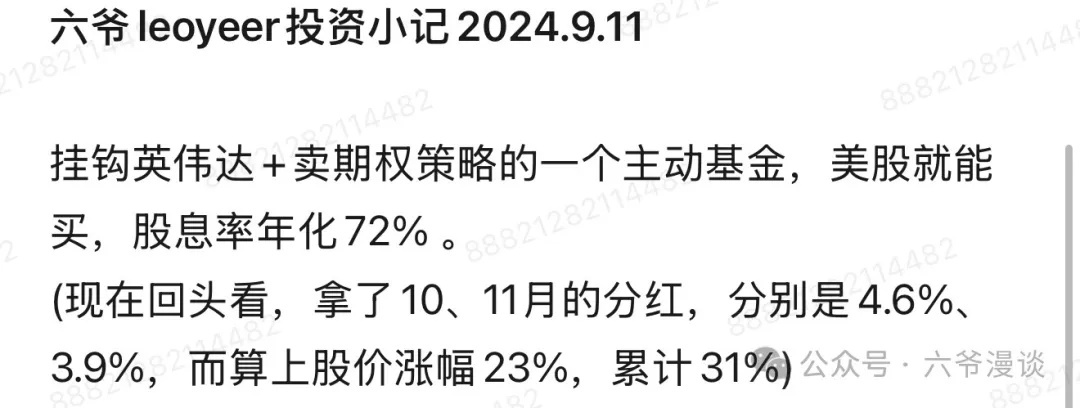
Initially, I used covered calls (a form of short-term trading), but then I found ready-made ETFs, which made things easier. Now, I just collect dividends every month.
The others are well-known—mainly value investing with occasional adjustments.
Those with trading skills can day trade, especially volatile stocks like Tesla and PDD, which can generate extra income.
For example, buying PDD at $90 in late August, rebounding to $150. Adding Tesla at $138, peaking at $480. I’ve shared these before.
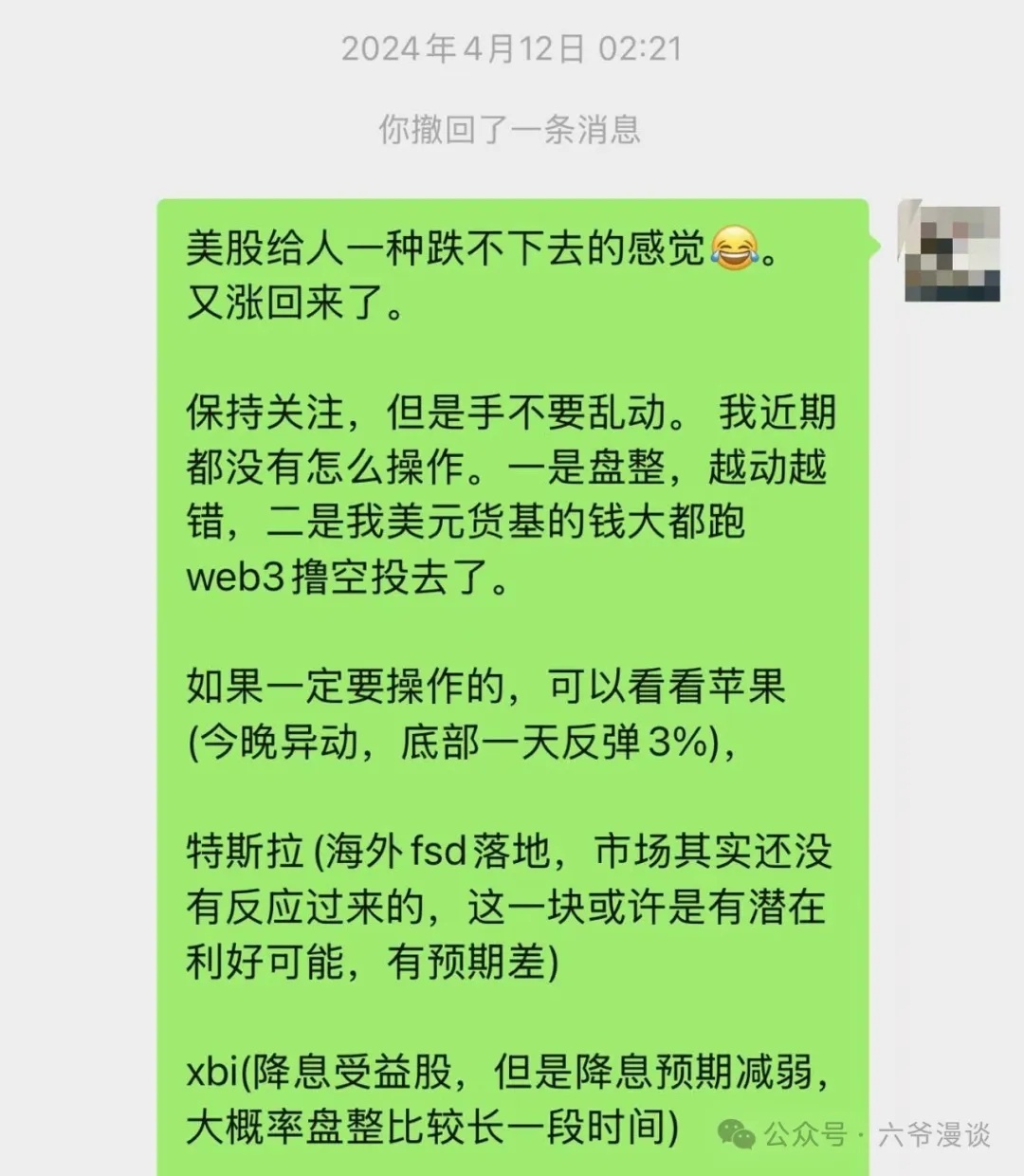
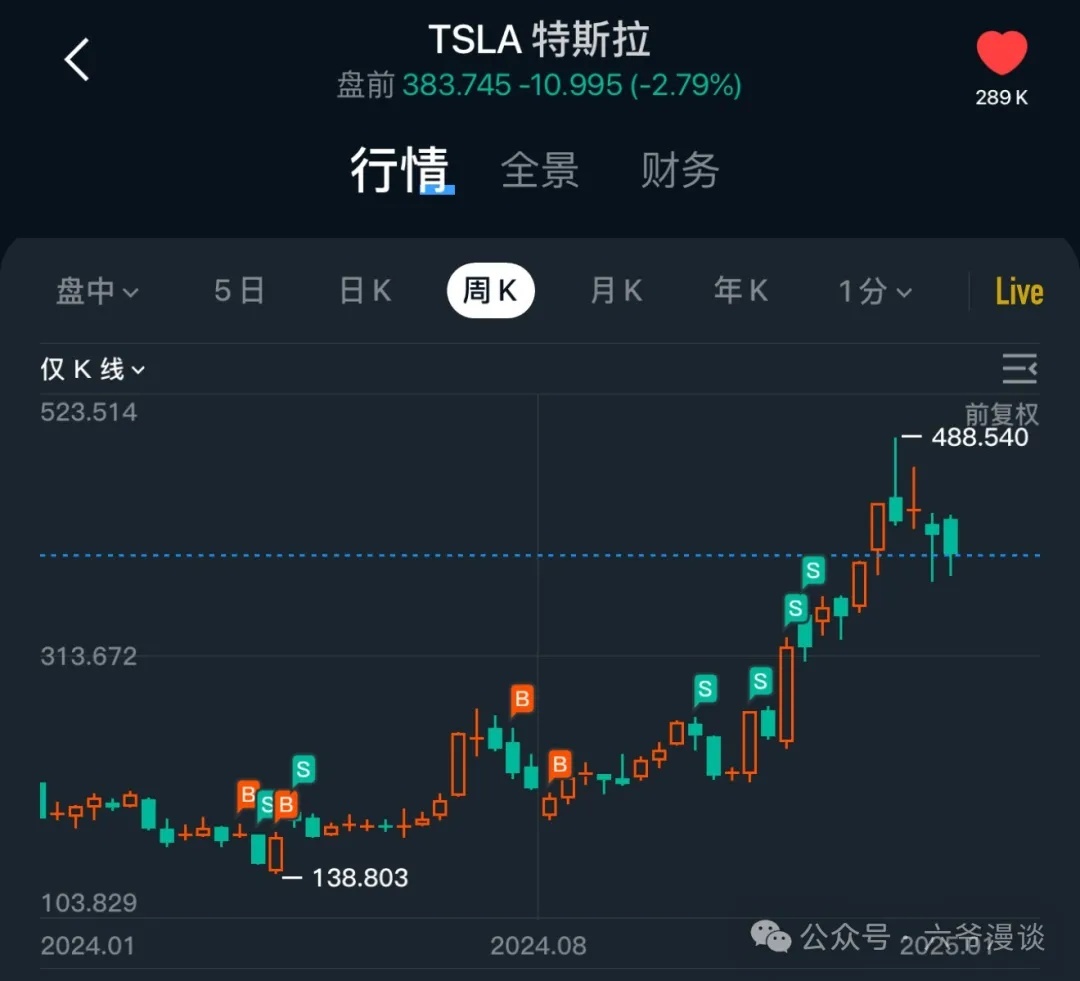
Note: B = Buy, S = Sell
2. Web3
You’re probably tired of seeing this chart—every time Bitcoin ETFs are mentioned in 2024, I post it.
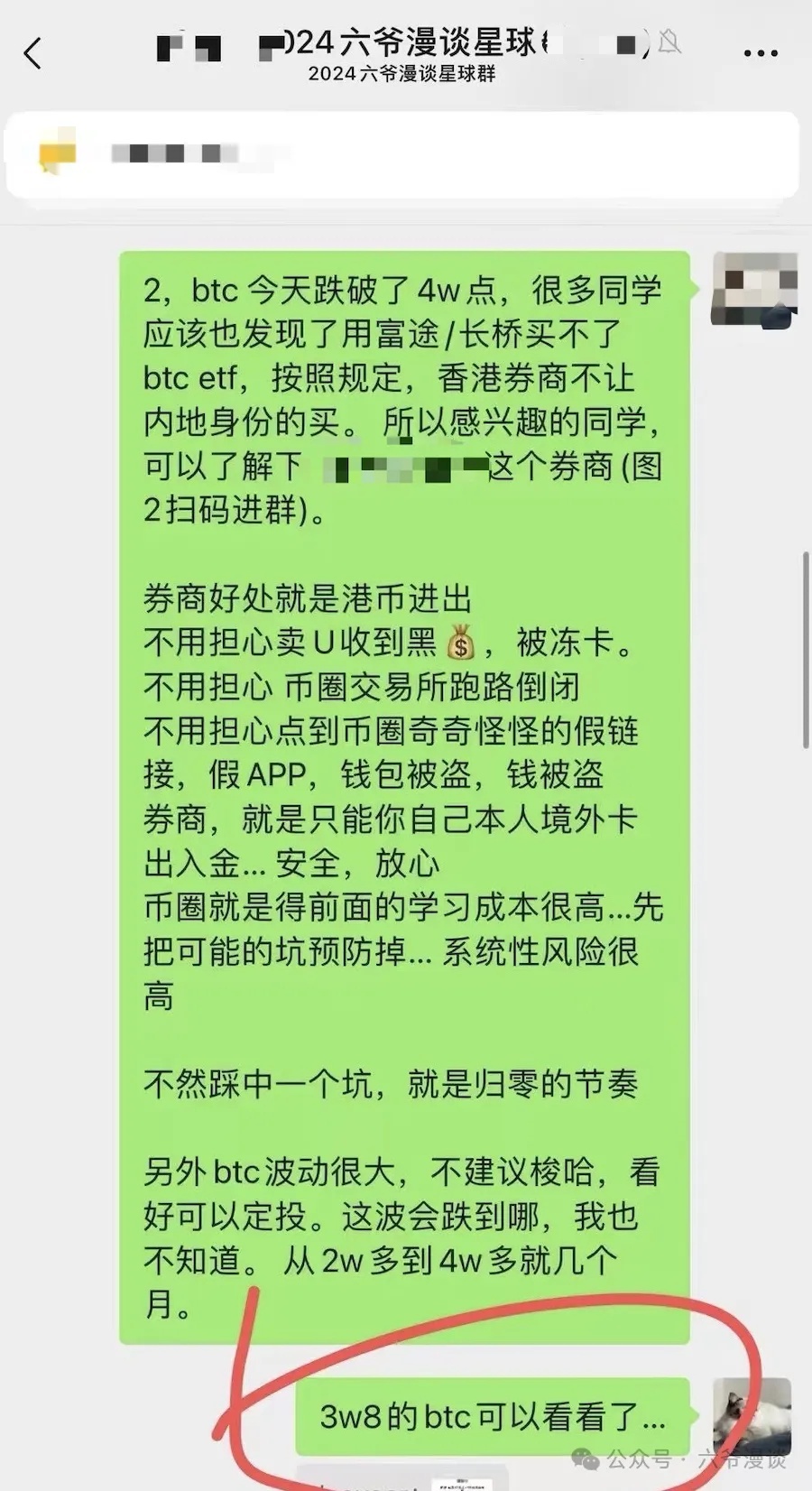
The milestone for Web3 this year was the SEC’s approval of Bitcoin ETFs, allowing direct purchases in the US stock market.
Simply put, this legitimizes Bitcoin’s financial value in the eyes of regulators. It also integrates Bitcoin into traditional markets (US stocks), gaining more exposure, adoption, and capital inflows.
Trump’s support for crypto and his election also fueled Bitcoin’s rise.
Starting the year around $30K and ending at $100K—a 3x gain.
Another part of Web3 was spent on airdrops.
Airdrops are marketing tactics by Web3 startups to attract users and boost visibility. Participating in airdrops means claiming rewards from these startups—low risk, with time, effort, and minimal fees as the main costs.
Airdrop tasks vary widely. This year, I joined many, mostly minor projects.
The standout was HashKey (abbreviated HSK, nicknamed "Husky"), Hong Kong’s first licensed, compliant Web3 exchange.
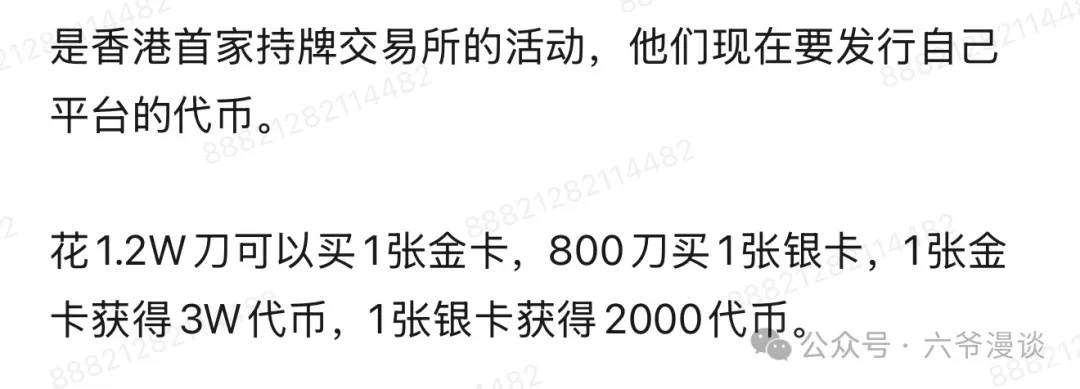
In January, Husky launched gold and silver card promotions to attract users.
$800 for a silver card, which included 2,000 HSK tokens and trading fee discounts.
$12,000 for a gold card, which included 30,000 HSK tokens.
Simplified: Buying HSK at $0.4 each. Potential ROI: If the company thrives, HSK could rise 3–10x. Risk: If it fails, HSK becomes worthless.
This was January’s promotion, also shared here: https://t.zsxq.com/PFsxb.
The result: HSK launched in November at $0.8 (2x), peaked at $2.59 (6.5x), and is now at $1.7 (4.25x).
At $1.7, a silver card earned ¥19K, and a gold card earned ¥280K.
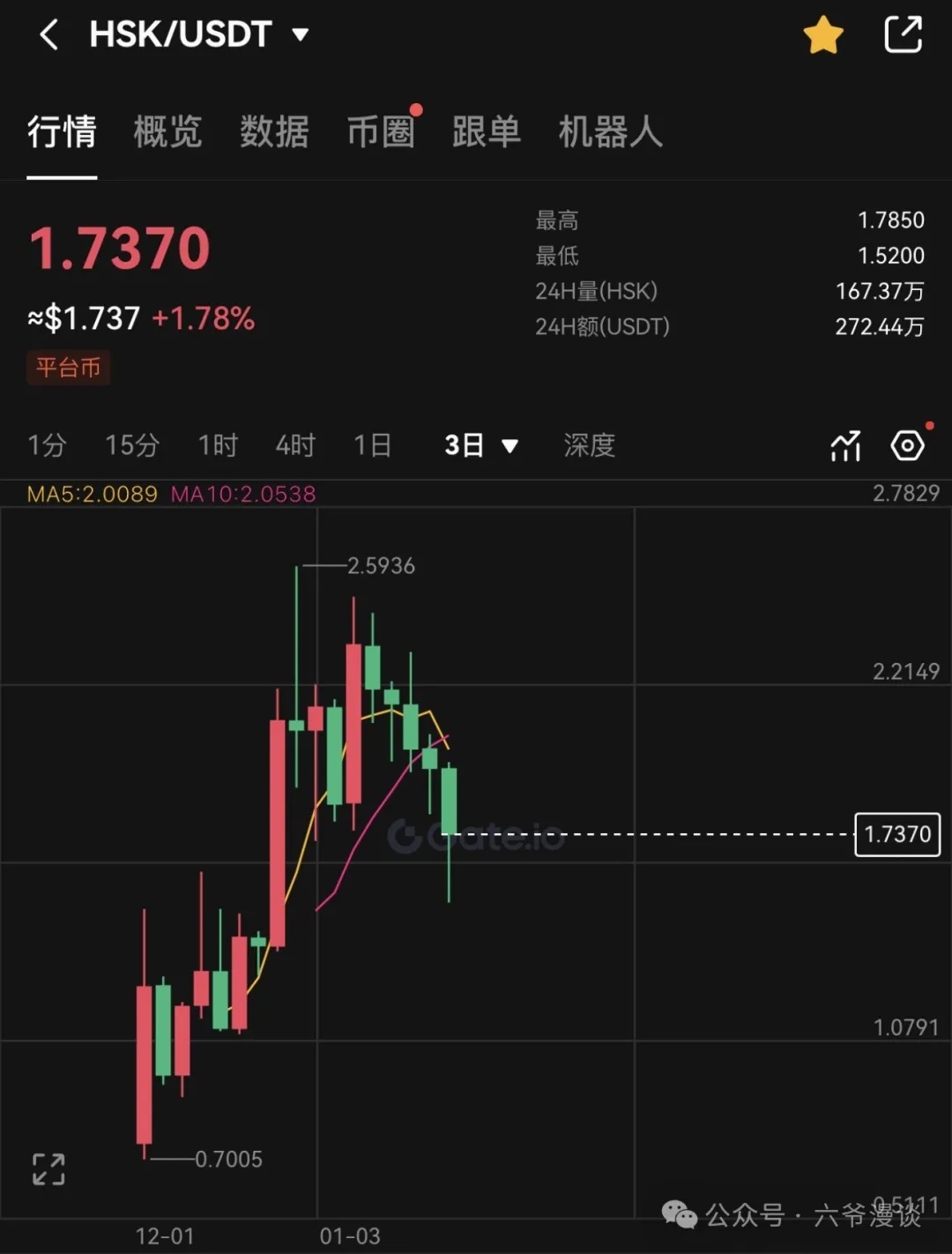
Due to vesting restrictions (10-month unlock), the project is expected to yield tens of thousands.
Other projects earned $10–$100 per account (1U = $1 = ¥7.3). For bigger gains, multiple accounts were needed.
Most lacked outsized returns due to: 1) High uncertainty, 2) Overcrowded high-certainty projects, 3) Exhausting tasks (especially with multiple accounts).
Still, I made tens of thousands—decent, but the effort-to-reward ratio felt low, so I’ve mostly quit on-chain projects, occasionally dabbling in exchange promotions.
3. Hong Kong IPO Subscriptions
This year’s Hong Kong IPO market was strong, with Lao Feng Xiang, China Resources Beverage, Mao Geping, and Brookfield delivering solid returns.
I didn’t go all-in on Lao Feng Xiang due to existing holdings, missing out on bigger gains—a regret.
Fortunately, I adjusted my portfolio in November and prepped accounts.
I didn’t miss the year-end IPOs like Mao Geping and Brookfield. Not Quite "A Million a Day."
IPOs are satisfying—quick turnaround, with subscriptions open for 3 days, listing 2 days later, and selling immediately.
Profits in days, far better than holding stocks.
Of course, some IPOs flop—just avoid pump-and-dump schemes.
For example, Conch had manipulators, leading to losses for retail investors.

After Brookfield, IPOs entered the era of infinite account and capital competition. The new FINI system lets brokers leverage unlimitedly with just half the subscription amount.
Top brokers now offer 100x leverage with no limits.
Subscribers surged from 70K for Mao Geping to 120K for Brookfield—fierce competition.
To join Hong Kong IPOs, you need a Hong Kong bank account + high-leverage brokers, plus good judgment to avoid pitfalls.
2025 should be a good year for IPOs.
4. Funds, etc.
Around National Day, A-shares surged, sparking hopes of a roaring bull market.
Even ultra-low-risk products like bond funds and large deposits were dumped as people rushed into stocks.
Telling people not to enter is unpopular—if the bull market materializes, you’ll be blamed. I subtly posted about it.
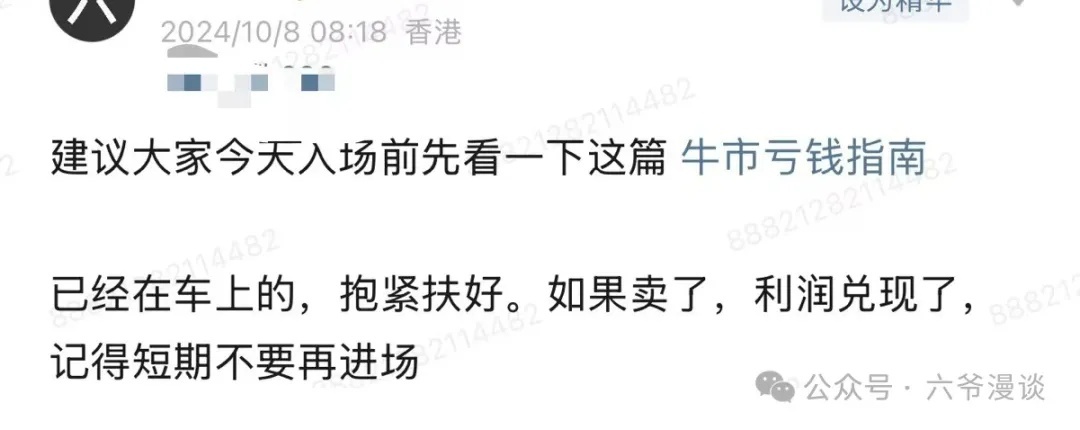
Many lose money in bull markets by blindly following trends, ignoring risks, and failing to cut losses.
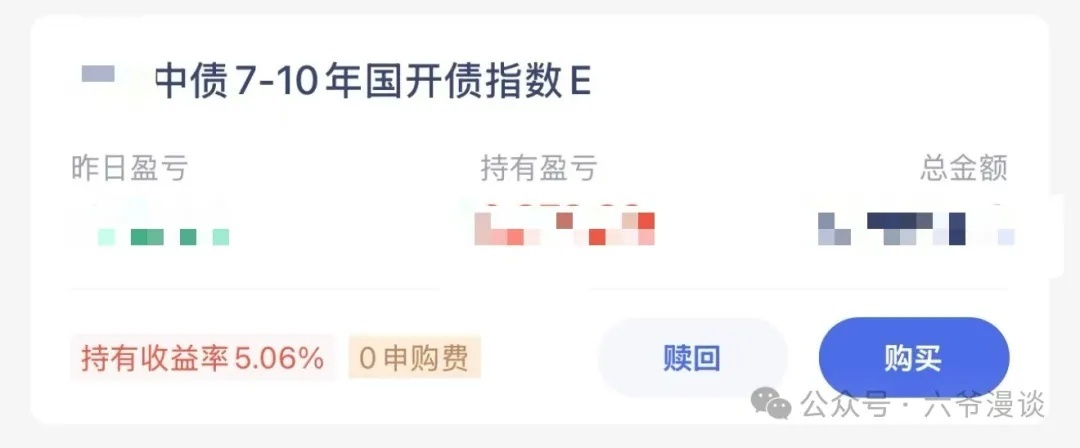
I avoid hype. Instead, I spotted undervalued bonds and bought in, even getting my partner to join.
I bought OTC funds, now up ~5%.
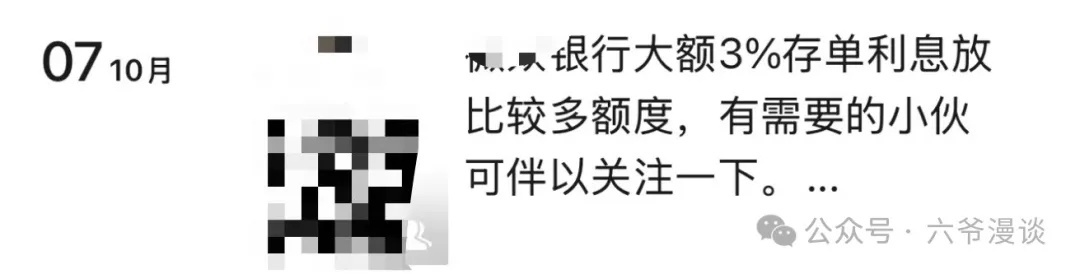
Back then, guaranteed 3% large deposits were easy to buy—too many people were selling. I even posted about it.
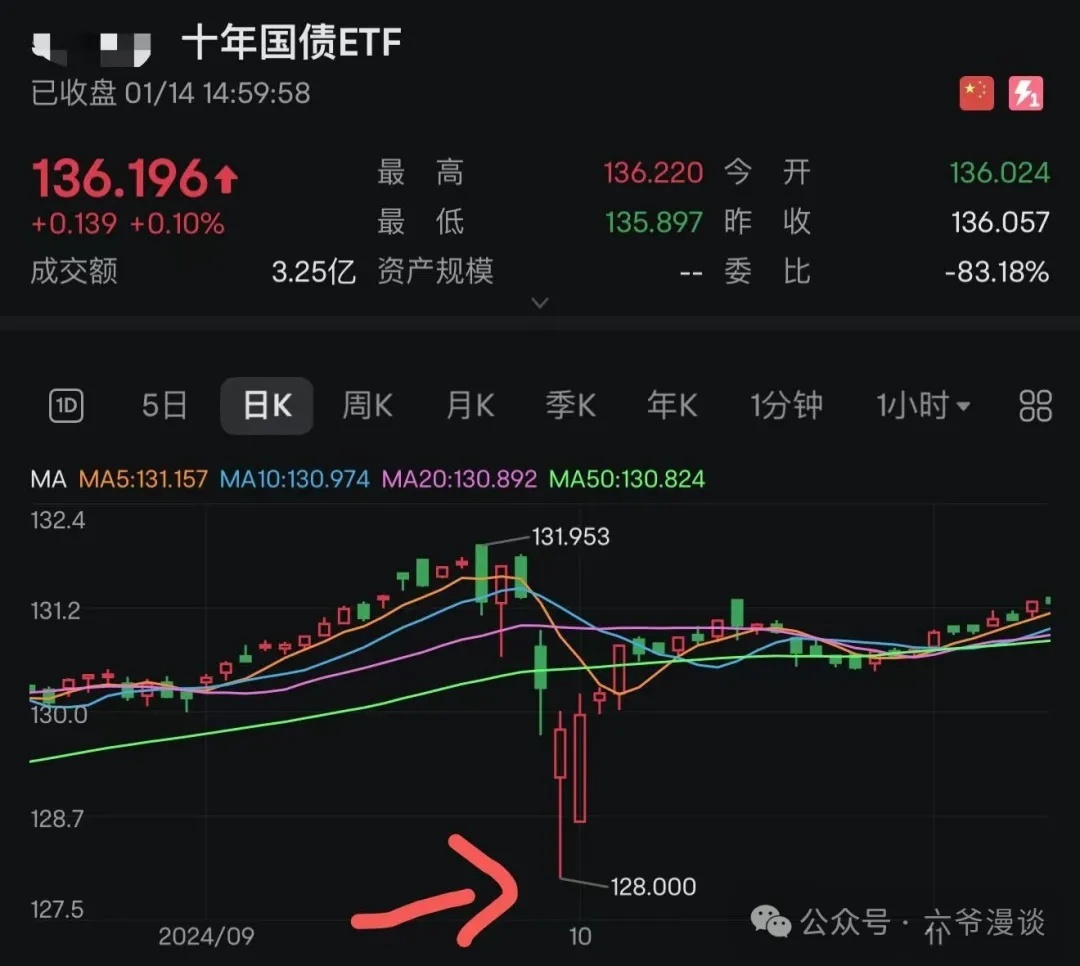
My worst investment this year was US Treasury ETFs. Fear of highs and rate-cut expectations led me to allocate here—currently down a few points after interest.
Summary
Overall, 2024 was great—very satisfying.
Wishing everyone prosperity in 2025!
Disclaimer: This is a personal record, not investment advice!
$NVIDIA (NVDA.US)$$Tesla (TSLA.US)$$iShares Bitcoin Trust (IBIT.US)$
The copyright of this article belongs to the original author/organization.
The views expressed herein are solely those of the author and do not reflect the stance of the platform. The content is intended for investment reference purposes only and shall not be considered as investment advice. Please contact us if you have any questions or suggestions regarding the content services provided by the platform.