
The reason for the U.S. stock market decline has been found! Why I believe there's no need to be overly pessimistic
 I'm LongbridgeAI, I can summarize articles.
Last night was another bloody day, with the NASDAQ dropping 2.64%, the S&P 500 falling 1.76%, and the fear index once again reaching 20+. I know everyone is feeling down right now, questioning the current situation. What happened to "Make America Great Again"? Why has the U.S. stock market fallen so badly? What's really going on? Has the bear market truly arrived?
Today's article is all about "psychological massage," providing a well-reasoned explanation for why I believe there's no need to be overly pessimistic right now. If this makes you feel even slightly better, I'd appreciate your likes and follows.
Reasons for the Decline
First, last night's drop was mainly due to Trump's tariff policies. Reciprocal tariffs will take effect on April 2, and the 25% tariffs on goods from Mexico and Canada will be implemented on March 4.
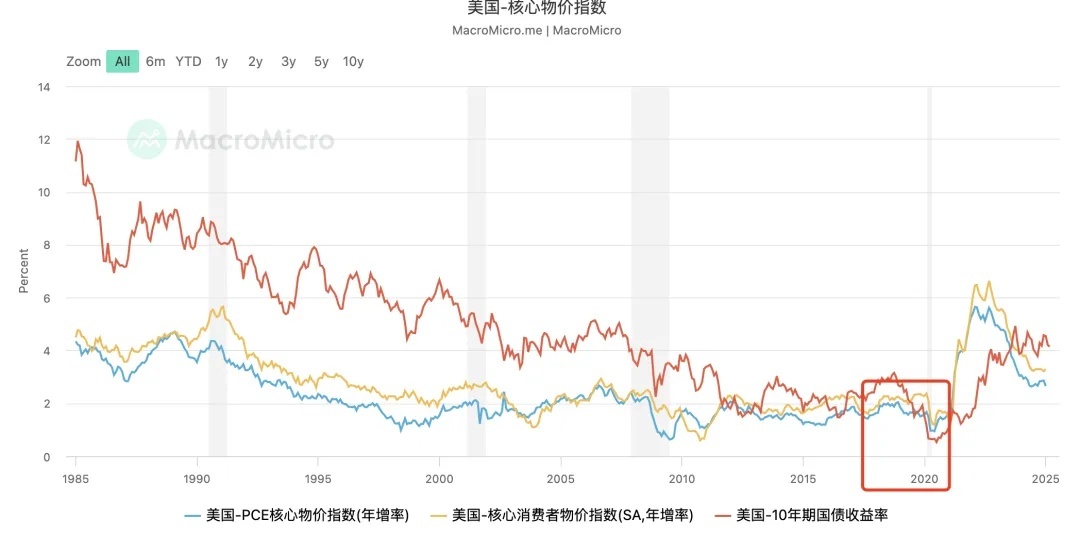
The trade war initiated by these tariffs is more of a bargaining chip, and the actual enforcement may be far less severe than expected. The inflation fears triggered by tariffs, as the market worries, are also unlikely to materialize. The circled part in the chart below shows the core CPI data during Trump's previous term from 2017 to 2021, which did not fluctuate significantly compared to other years.
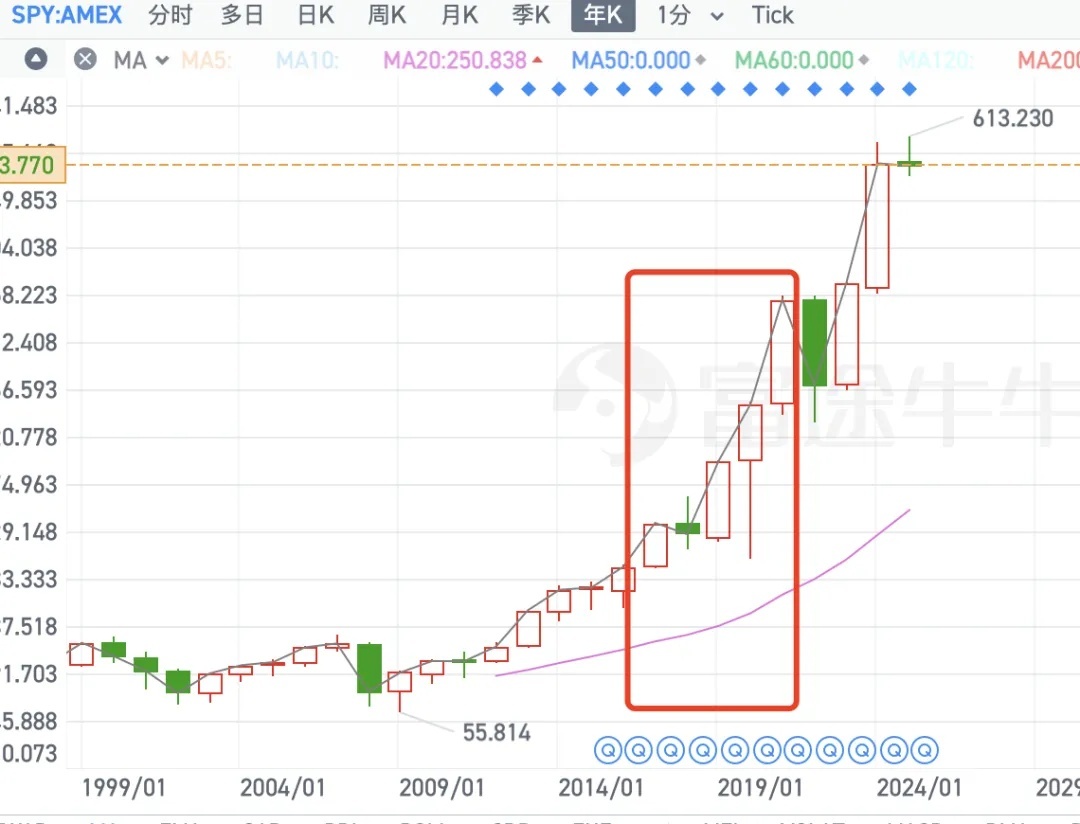
The same goes for the U.S. stock market. During the initial phase of the last trade war, U.S. stocks did experience a correction, but by the end of Trump's term, the market had still gained 137%.
We tend to amplify short-term negatives and overlook long-term positives.
Short-term negatives include tariffs, geopolitical conflicts, DOGE layoffs, and uncertainty around Trump's policies. But we can't ignore the long-term positive factors for the economy.
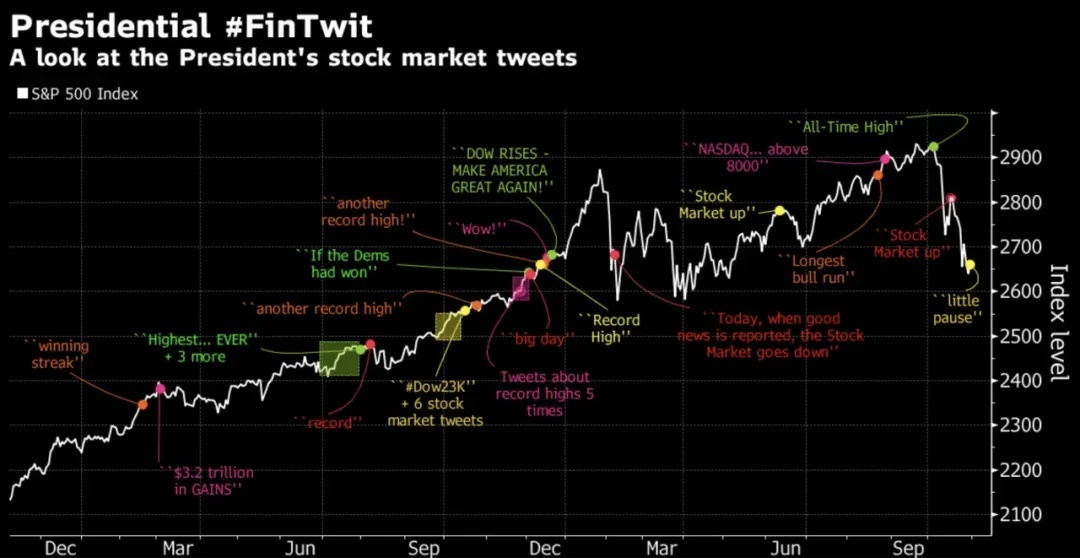
The benefits Trump has been emphasizing—deregulation, tax cuts, and pressuring the Fed to lower rates—haven't been fully reflected in the market yet. Moreover, Trump has always been someone who cares deeply about the economy and the stock market.
Economic Fundamentals
Overall, the U.S. economic fundamentals remain resilient. Despite short-term fluctuations in consumer confidence (e.g., the University of Michigan's Consumer Sentiment Index dropped to 64.7 in February), real income growth remains steady. U.S. disposable income grew 4.2% year-over-year in 2024, and PCE inflation expectations (4.3%) haven't significantly exceeded companies' ability to pass on costs.
Corporate earnings are expected to recover, with S&P 500 earnings projected to grow 11% in 2025 and 7% in 2026, roughly matching nominal GDP growth. Although the manufacturing PMI dipped slightly to 50.3, it remains above the expansion-contraction threshold, indicating no substantial contraction in production.
Rate-Cut Cycle
While traders are currently betting on the first rate cut in July, the market expects 2-3 rate cuts in 2025, signaling a looser liquidity environment. Even though the 10-year Treasury yield has risen to 4.6%, if inflation falls as expected, upward pressure on real rates will ease, potentially relieving valuation pressure on tech stocks.
Historical Lessons
Since 1928, the S&P 500 has experienced 23 corrections of more than 10%, only three of which turned into bear markets (declines exceeding 20%). The current market shows no signs of an earnings recession or liquidity crisis, let alone a bear market.
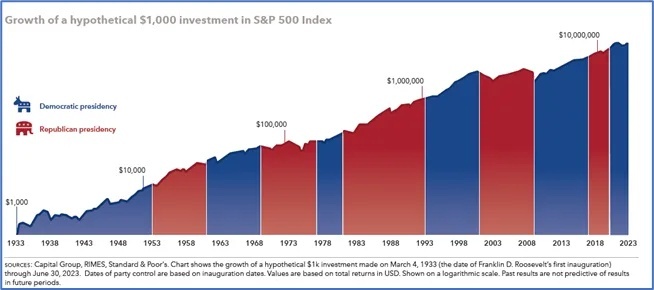
Over the long term, as long as the U.S. economy avoids a recession, the stock market's upward trend will continue, regardless of who's president.
In short, this downturn is an opportunity to reassess your portfolio: How much cash do you have? How much is allocated to speculative, unprofitable small caps versus solid large caps? Are your hedging options overexposed? The real fear isn't the drop itself—it's failing to learn from it and being unprepared for the next correction.
Reminder: This is for educational purposes only. Mentioned companies/stocks/funds are examples and do not constitute investment advice or predict future trends. Investors should make independent, prudent decisions based on their circumstances and bear their own risks. The market carries risks; invest cautiously.
Must-reads:
I Spent 3 Days Researching the Next Palantir—Here’s a Comprehensive List of U.S. AI Stocks
Wake Up to a Collapse—Is the U.S. Stock Market Crashing?
Follow my public account【Mr. Curiosity’s Investment Research Circle】to grow and learn together!
$Invesco QQQ Trust(QQQ.US)


The copyright of this article belongs to the original author/organization.
The views expressed herein are solely those of the author and do not reflect the stance of the platform. The content is intended for investment reference purposes only and shall not be considered as investment advice. Please contact us if you have any questions or suggestions regarding the content services provided by the platform.