


Thoughts on Xiaomi's placement (full version)
 I'm LongbridgeAI, I can summarize articles.
Since this placement has attracted much attention, at the request of shareholders, we have compiled the previous three articles into a collection as the final output of our thoughts on this placement.
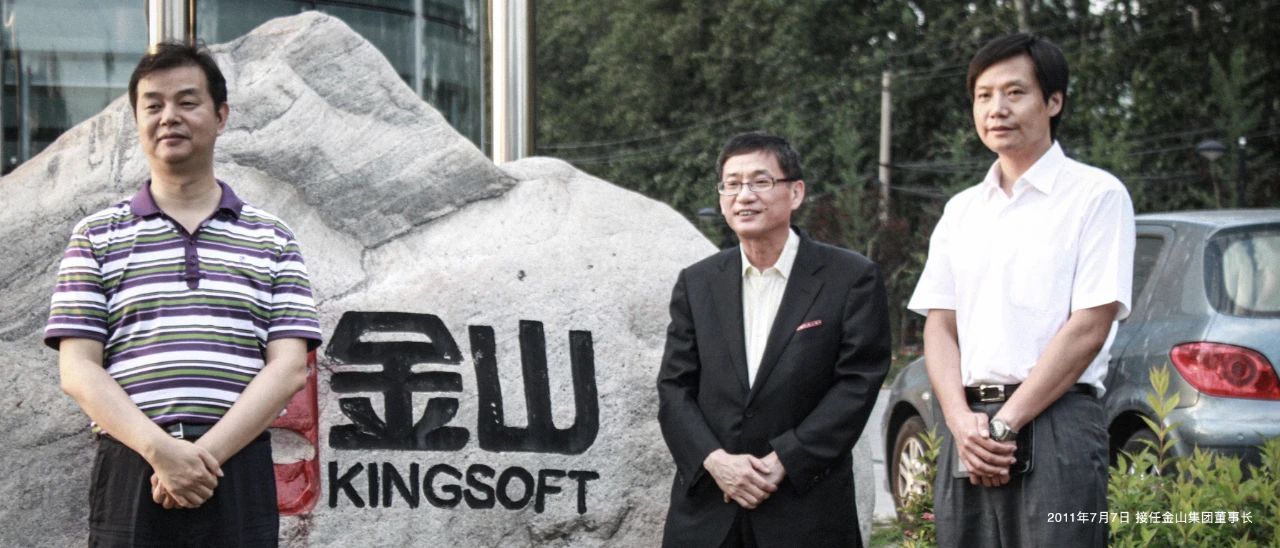
To fully understand Xiaomi Group's current placement, we need to start from 2011 when Lei Jun returned to Kingsoft.
Back then, to complete Kingsoft's transformation from traditional software to the internet, Lei Jun redesigned the equity structure of Kingsoft Group. Qiu Bojun and Zhang Xuanlong sold 9.79% and 5.88% of their shares respectively, while Tencent was introduced as the largest institutional shareholder with a 15.68% stake, and Lei Jun indirectly held 22.89%, becoming the de facto controller.
In simple terms, it was about negotiating the sale of some founders' shares to introduce new capital that could propel the company into its next phase of development. Operationally, this meant selling Qiu Bojun and Zhang Xuanlong's shares to bring in Tencent.
But what was the return on this move? Kingsoft gained a giant ally in the internet era, pushing it to transform from a traditional software company into an internet company, now yielding over 10x returns. Ge Ke, then CEO of Kingsoft Office, said:
"Lei Jun kicked us straight into the mobile internet era."
Beyond the group level, Lei Jun also encouraged subsidiaries to raise funds independently. He believed that letting the market price the company's financing would benefit the long-term development of its equity structure.
This part of the story is detailed in Fan Haitao's book *Endless Life*. Coincidentally, I reread it over the weekend and was particularly struck by this reform.
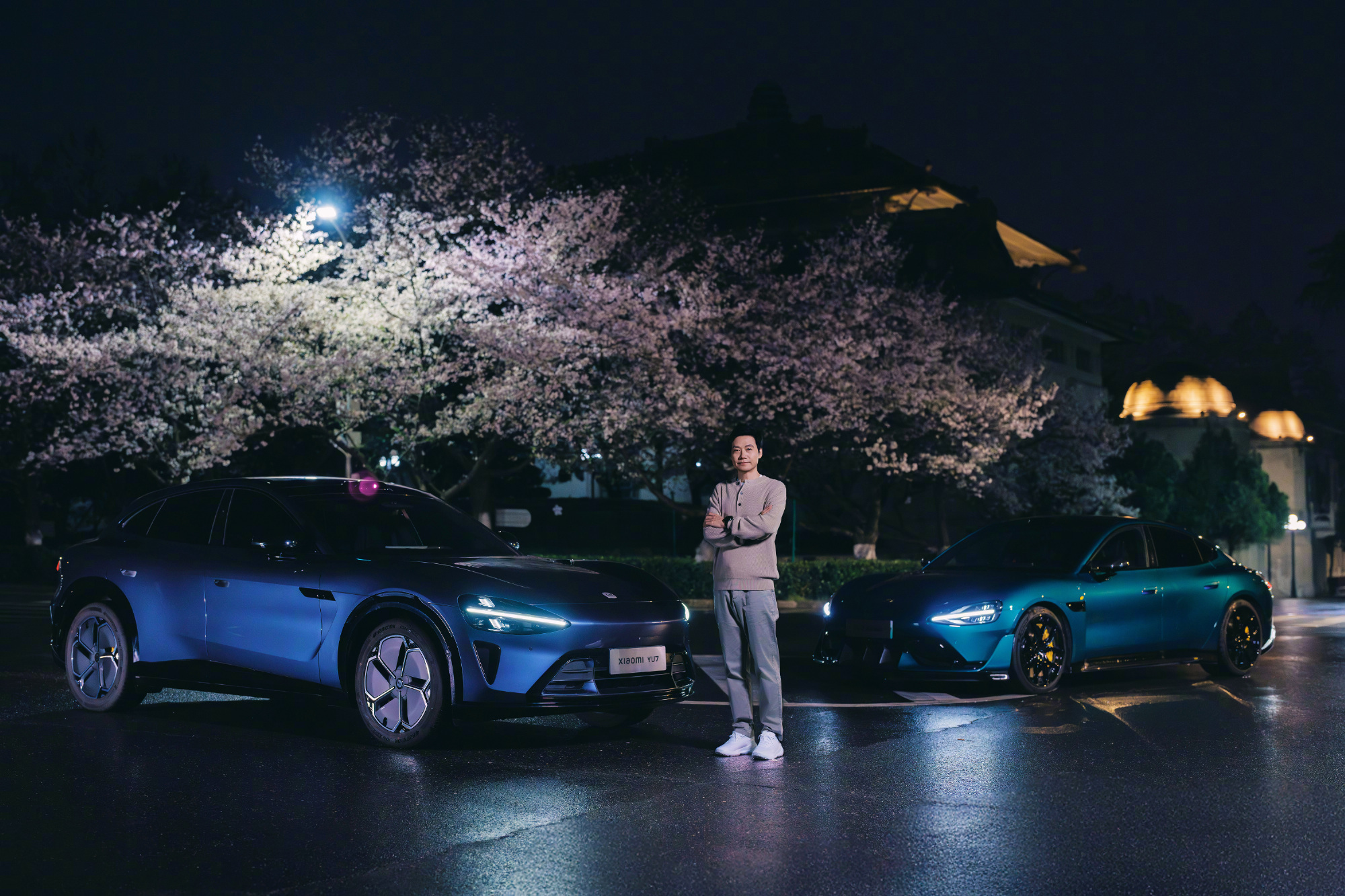
Xiaomi Auto is also a completely new business segment for Xiaomi.
Although it's only been four years since its inception—three years in R&D and one year as a market hit—for Xiaomi Group at this stage, the auto business is still new and requires expertise from investment institutions, especially international capital.
So, what's the cost?
Clearly, the private placement increases total shares, diluting existing shareholders' stakes. Based on the rumored placement size of $5.2-5.4 billion, at Monday's closing price of HK$57, this represents a discount of 4.2%-7.4%.
There are two reasons for choosing the placement around HK$50. First, after last year's significant rally, early shareholders and retail investors holding Xiaomi shares have substantial paper profits. Historically, this is a high, but from a future perspective, it remains undervalued.
Second, introducing international institutional investors can better globalize Xiaomi's market and build a capital interest community, crucial for Xiaomi Auto's expansion into Europe, the Middle East, and beyond.
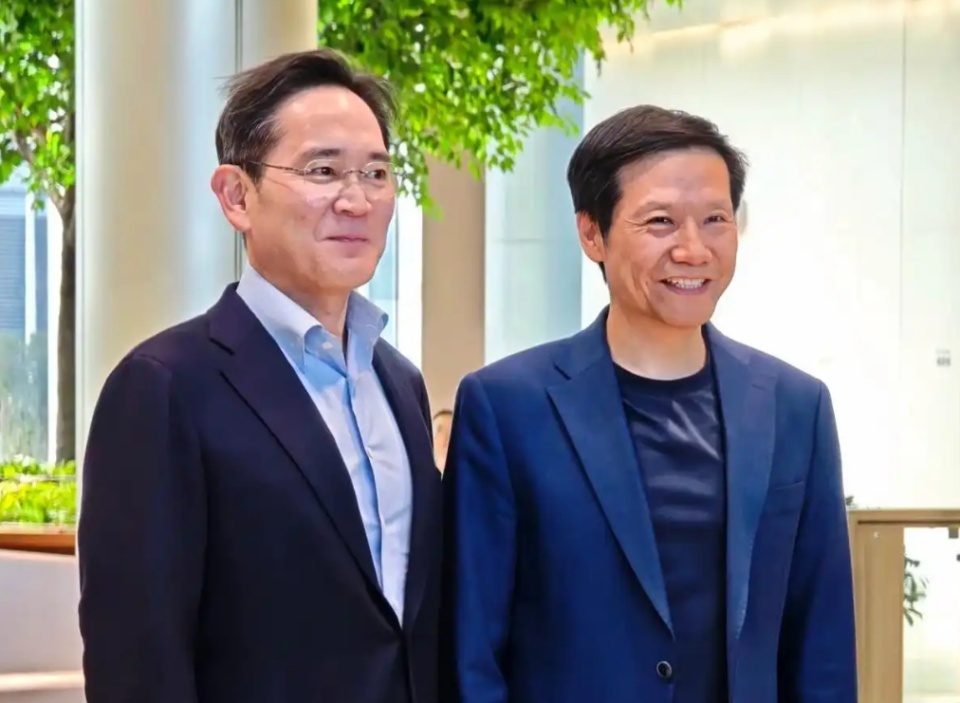
The placement has drawn widespread skepticism. Glancing at the comments under Will's quick take, some have criticized Xiaomi's capital move harshly. As a long-time observer of Xiaomi and Lei's ecosystem, I feel compelled to share my perspective.
Short-term pain is inevitable. In the coming trading days, Xiaomi Group will be the hottest topic in the Hang Seng Tech Index, with unpredictable volatility.
From my view, this placement is about choosing the right long-term strategy at the right time. Waiting until the stock hits HK$100 would demand far more than just doubling the effort—it would require higher strategic execution from Xiaomi on all fronts.
The feedback in the comments boils down to two views:
First, that the placement dilutes equity, harms shareholders, and is unjustified given Xiaomi's ample cash reserves.
Second, that raising overseas funds at HK$50 can accelerate R&D, factory expansion, and global market growth—a positive move.
Let’s set these aside and consider how Lei Jun views fundraising needs at different stages of a company's growth.
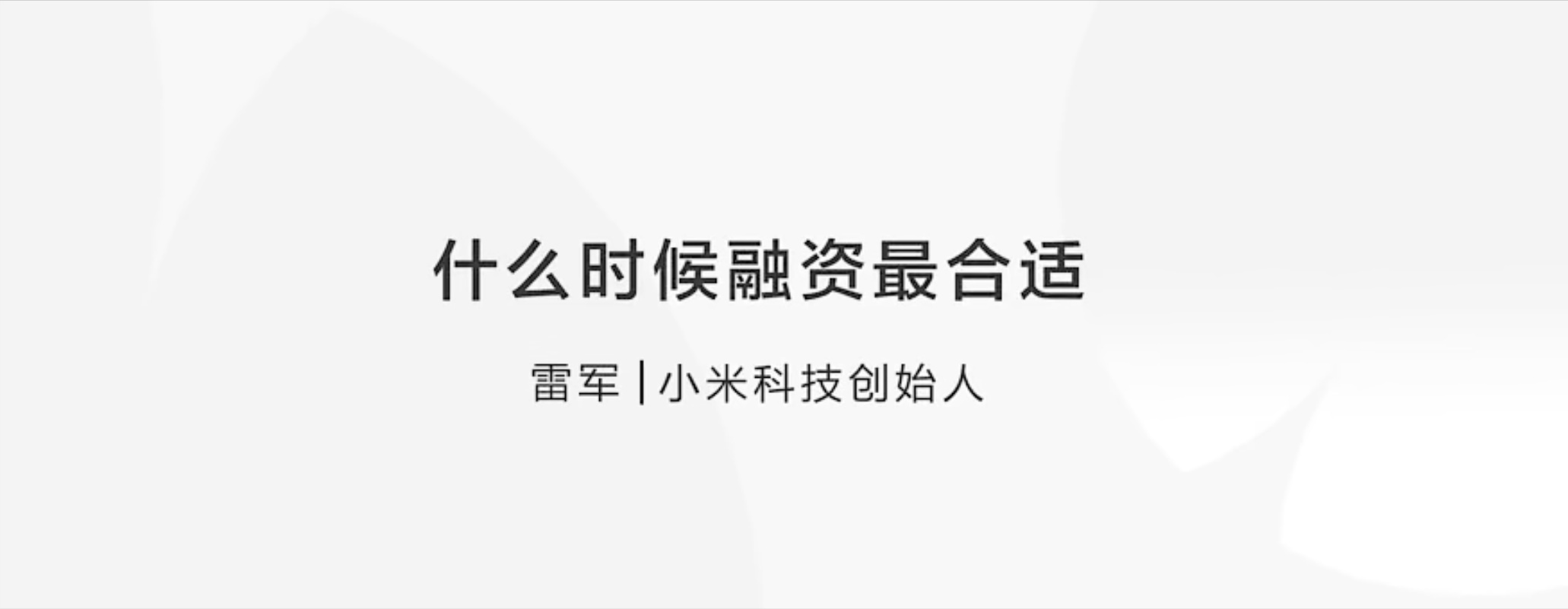
Search for *Lei Jun's Entrepreneurship Lessons* on Bilibili, where he explains fundraising clearly. Due to the video's poor quality, I’ll quote key points:
"When should a company start raising money? The answer is when you don’t need it. When you’re out of cash, fundraising becomes agonizing—you lose all bargaining power. If refusal means bankruptcy, what leverage do you have?"
Many wonder why Xiaomi, with ¥140 billion in cash, still seeks external funding. Does Lei’s answer clarify this?
Lei Jun understands fundraising stages better than most CEOs. Dilution hurts major shareholders most. Yet, long-time followers know Lei has never sold a single share beyond necessary allocations. For him, money no longer changes his lifestyle. If he retired today, his wealth would last lifetimes.
The real issue is Lei’s vision to build Xiaomi into a great company. After 15 years, surviving the 2014 and 2022 downturns, Xiaomi finally won global recognition last year. If not now, when?

Amid yesterday’s heated debate, Xiaomi closed at HK$53.4, down 6.32%, with a record-high turnover of HK$71.795 billion due to dilution.
I won’t label this placement as bullish or bearish. From Lei Jun and major shareholders to long-time supporters, all have sacrificed for Xiaomi’s long-term growth.
What puzzles me is that those most affected—founders and the board—have stayed silent. Who, then, are the loudest critics?
Some claim Xiaomi’s placement dragged down the entire Hang Seng Tech Index, even affecting Alibaba and Tencent. If true, you should be glad Xiaomi’s market cap is only ¥1.34 trillion.
In *The Godfather*’s opening, Don Vito Corleone, bound by Sicilian tradition, can’t refuse requests on his daughter’s wedding day. Many seek his help but fear association.
One man, wronged, offers money for justice. The Don replies:
"What have I done to make you treat me so disrespectfully? You come to me on my daughter’s wedding day with money, as if I were a merchant. You never even invited me for coffee!"
After apologies, the Don says:
"Good. Now we can talk as friends. I’ll help you, but remember—someday I may ask a favor in return."
For this final piece on Xiaomi’s placement, I won’t dissect the "top-up and placement" mechanics. Instead, I’ll share a simple truth: At every stage of growth, we meet different people and face different challenges.
Some friendships fade, but this is part of growth. Only by progressing and building trust with outstanding peers can we better navigate life.
After this week, most will forget this placement. Some may leave angrily, but more will join Xiaomi’s journey, playing pivotal roles in its future.
Most know Lei Jun through interviews or videos. Never forget he’s an engineer—in programming, there’s only 0 and 1.
What we hear is Lei’s logical reasoning, delivered in relatable terms.
To understand Xiaomi, one must: doubt Lei Jun, comprehend Lei Jun, become Lei Jun.
March 26 morning, Mars, Qinghe.


The copyright of this article belongs to the original author/organization.
The views expressed herein are solely those of the author and do not reflect the stance of the platform. The content is intended for investment reference purposes only and shall not be considered as investment advice. Please contact us if you have any questions or suggestions regarding the content services provided by the platform.