
Net profit increased by 37.17% YoY; what is the background of 'The Lego King of Pharma', YST Pharmatech?
 I'm LongbridgeAI, I can summarize articles.
Recently, a semi-annual report has brought Phystar back into the spotlight after a long period of silence. Revenue broke through 1 billion yuan, with profits surging by 37.17%. For the first time in years, profit growth outpaced revenue growth—a crucial signal. More importantly, the gross margin curve, which had been declining for several consecutive years, finally stopped falling and began to recover. This CXO company, once "voted out" by the market, is declaring via an excellent performance report that a turning point has arrived.
Why is it called the "King of LEGO"?
Phystar is known as the "King of LEGO" in the pharmaceutical industry. To understand this company, one must first grasp a concept: molecular building blocks.
New drug development is like building with LEGO; medicinal chemists need to assemble various chemical fragments into candidate drug molecules. Molecular building blocks are these "chemical LEGO bricks," the foundational fragments for constructing drug molecules. What Phystar does is independently research and design these blocks and sell them to global pharmaceutical companies.
The Chinese term "molecular building block" was originally coined by Phystar.
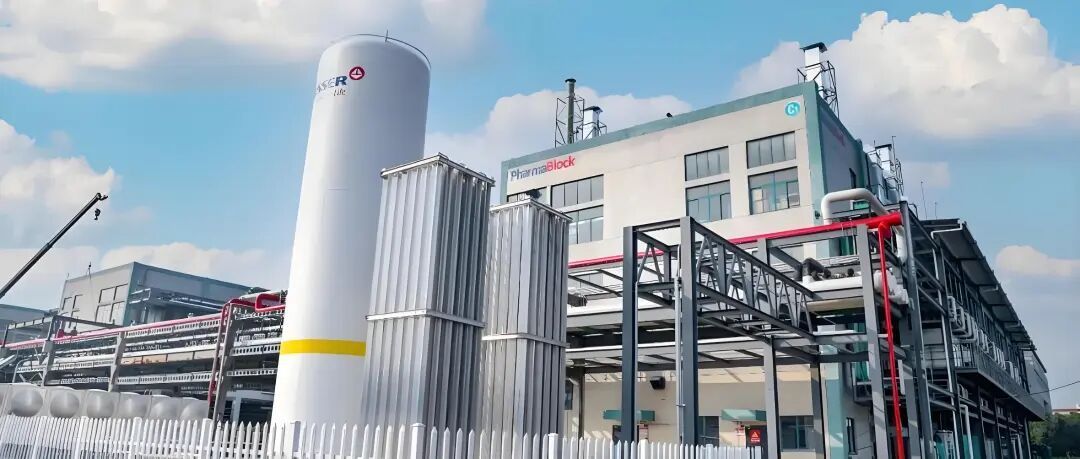
Founder Yang Minmin, born in 1972, holds a Ph.D. from Auburn University in the US. He previously worked at Roche's Palo Alto R&D center in the US and served as Director of Department I of Medicinal Chemistry at Roche (China) R&D Center upon his return. In 2008, at age 36, he left Roche and officially started his business alongside four other PhDs.
Yang Minmin's entrepreneurial logic is clear: independently design novel molecular building blocks and sell them to global pharma companies; as clients use these blocks to develop drugs that advance to late-stage clinical trials and commercialization, they will naturally require scaled production of intermediates and APIs, allowing Phystar to seamlessly take on downstream orders.
However, the title "King of LEGO" is not just because Phystar invented the concept, but because it has taken the "block" business to the extreme, establishing barriers in four dimensions that competitors find hard to replicate.
First is the technical barrier. The core competitiveness of molecular building blocks lies in design capability, not simple synthesis and production. Phystar does not operate like a "supermarket," buying existing compounds from the market and reselling them. Instead, it starts from the underlying logic of medicinal chemistry to independently design entirely new structures. As of H1 2026, Phystar has built a library of over 200,000 novel and unique molecular building blocks, with many structures being reported globally for the first time. More importantly, these blocks have undergone 成药性 (drug-likeness) validation, akin to a batch of "high-quality bricks tested by the market." On this basis, Phystar further proposed its "AI + Molecular Building Blocks" strategy. Its self-developed ZoeStar™ platform deeply integrates the 200,000 blocks with artificial intelligence, providing systematic solutions for new molecule design and process optimization—effectively upgrading "LEGO bricks" into "smart brick sets" with built-in design blueprints.
Second is the model barrier. Phystar uses molecular building blocks as a "traffic entry point" to lock in downstream production orders. When clients use Phystar's blocks in the early stages of drug R&D and later reach clinical phases or commercialization, needing to scale up production of intermediates and APIs, they will naturally prioritize Phystar for backend CDMO orders. Switching suppliers implies huge process adaptation costs and time risks. It's like if a client builds a tower using your bricks, they will naturally come back to you for subsequent maintenance and expansion. This "front-end traffic generation, back-end monetization" model makes molecular building blocks not just a profitable business, but a strategic entry point for locking in long-term large orders.
Third is the scale and ecosystem barrier. The 200,000 blocks are not just a number; they form a systematic resource library covering over 85% of clinical drug chemical scaffolds. Around this library, Phystar has formed complete capabilities for "systematic design, series development, and scaled supply." Among the top 20 global pharmaceutical companies, more than 80% have become its clients, with overseas business share continuing to rise: overseas revenue reached 1.434 billion yuan in 2025, accounting for 72.66% of total revenue. In other words, the world's top pharmaceutical companies are all using Phystar's "bricks" when conducting drug R&D.
Fourth is strategic vision. Facing uncertainties brought by geopolitical tensions, Phystar did not choose to contract but implemented a "region for region" global layout, establishing localized R&D and production capabilities in China, the US, and Europe. Swiss Phystar has set up a European operational hub, with local warehouses already in use. This is not a simple relocation of capacity but the construction of a global supply chain network capable of resisting regional risks.
Thus, Phystar is called the "King of LEGO in the pharmaceutical world" not merely because it was the first to propose the "molecular building block" concept, but because it transformed molecular building blocks from "a product" into a "commercial system": based on 200,000 original blocks, structured by a unique "entry + extension" model, and ecologically supported by a client base of top global pharma companies, it has built a competitive barrier difficult to simply replicate.
Why shift from "selling bricks" to "building houses"?
However, the molecular building block market has limited volume, with domestic scale under 10 billion yuan. In contrast, the global CRDMO (Contract Research, Development, and Manufacturing Organization) market is much larger. With the ceiling there, sticking to the comfort zone would limit long-term growth space.
More critically, client demand is forcing change. Pharmaceutical companies are gradually reducing their supplier count, making one-stop services a mainstream requirement. If a client uses your blocks for early screening, once the molecule advances to the clinical stage, they naturally hope you will continue to provide process development and scaled production services. Changing suppliers is not only troublesome but also carries technical risks. Thus, Phystar made a controversial decision: extending downstream from upstream molecular building blocks to transform into an integrated CRDMO platform.
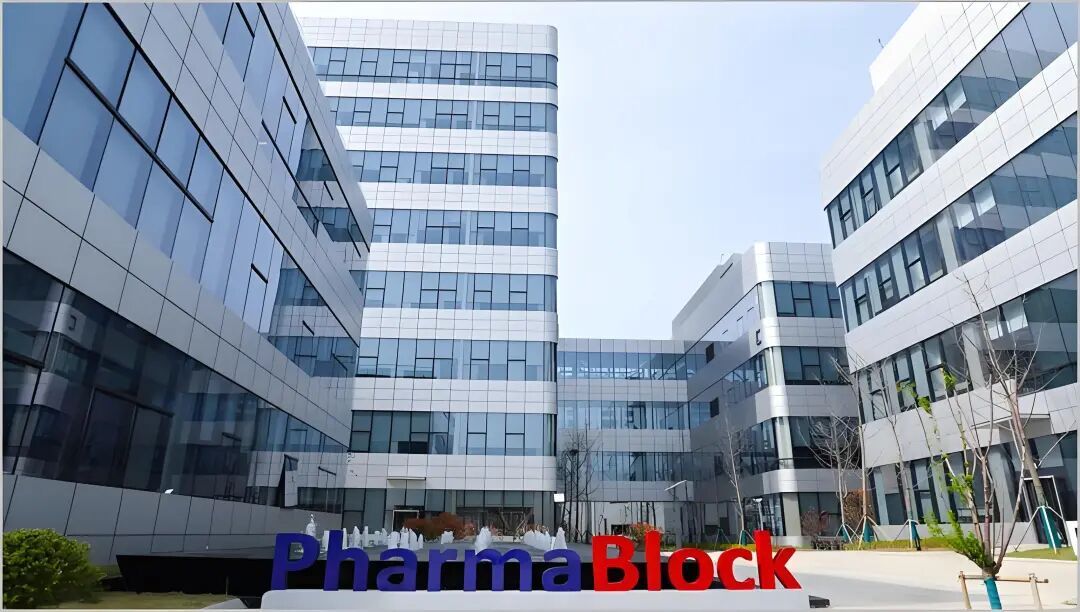
But the cost is obvious. Phystar's molecular building block gross margin has long been maintained at 55%–70%, while the CDMO business gross margin is only 25%–35%. Shifting the business structure inevitably puts pressure on overall profitability. From 2022 to 2025, Phystar's sales gross margin dropped continuously from 45.48% to 30.82%. The capital market voted with its feet, and the stock price fell back from its peak of over 200 yuan.
Yet market skepticism persists: Why should Phystar be able to compete with WuXi AppTec, Pharmaron, and Asymchem for CDMO orders? After years of heavy asset investment and sustained pressure on profitability, is this a strategic misjudgment? With Bid Medicine and Haoyuan Chemexpress gaining momentum in the molecular building block track, is Phystar actively abandoning its core advantage?
How to achieve differentiation?
Phystar's answer is: Do not replicate the traditional CDMO model, but rely on deep accumulation in molecular building blocks to build differentiated CRDMO capabilities.
Differentiation is reflected in three layers.
"Blocks + AI" is its primary advantage. The 200,000+ proprietary molecular building block library, paired with the self-developed AI drug discovery platform ZoeStar™. Unlike purely algorithm-driven molecular generation, this platform recommends candidate molecules under constraints of synthesizability and physical block resources. Simply put, while other AIs might design theoretically perfect molecules that cannot actually be synthesized, Phystar's AI recommendations are all molecules that can be assembled using its own blocks. Molecular building blocks have upgraded from "chemical fragments" to "drug chips" that can be called by AI, synthesized, and scaled.
Secondly, Phystar has strong green chemical engineering capabilities. It continues to deepen expertise in continuous flow, micro-packed beds, and enzymatic catalysis, accumulating process advantages in complex heterocycles and difficult-to-synthesize molecules. Multinational pharmaceutical companies are increasingly demanding ESG compliance in their supply chains; green manufacturing capability is shifting from a bonus item to a hard threshold.
Additionally, Phystar has made forward-looking layouts in the field of New Molecular Entities (NMEs). It has positioned itself early in tracks such as peptides, oligonucleotides, ADCs, and targeted protein degradation. Zhejiang Huishi's peptide GMP pilot workshop is already operational. In H1 2026, its OPC new molecule business revenue was 80 million yuan, with both revenue and newly introduced order amounts growing over 100% YoY, and 13 new GMP orders introduced.
Facing skepticism about "Phystar abandoning molecular building blocks," its management explicitly responded: Molecular building blocks are the starting point of the company's core capabilities and the foundation of its differentiation.
Its strategic positioning has changed: molecular building blocks have shifted from a "main revenue source" to a "client traffic entry point." Phystar does not acquire clients by cutting into process development; instead, it binds medicinal chemists early in the drug discovery phase through novel blocks, naturally taking on subsequent CMC development and production orders along the pipeline. Front-end traffic generation, back-end monetization, forming a closed loop.
In H1 2026, Phystar's front-end drug research stage business revenue was 158 million yuan, up 2.59% YoY, with a gross margin of 58.08%; its back-end CDMO business revenue was 895 million yuan, up 17.04% YoY, accounting for 84% of total revenue, with a gross margin of 27.49%. The main driver of revenue growth is undoubtedly the CDMO business. In terms of project pipeline, Phystar serves over 1,200 early-stage projects, 62 Phase III and commercialization projects, with GMP project numbers up 28% YoY and 4 new PPQ projects added. Multiple projects have entered the GMP systems of MNC clients.
Regional structure is also optimizing. In H1, its China client revenue reached 323 million yuan, up 23.76% YoY; North America client revenue reached 539 million yuan, up 11.12% YoY; Europe client revenue reached 163 million yuan, up 21.34% YoY.
The signal released by the H1 2026 report is clear: Phystar's gross margin has ended its continuous decline and is repairing quarter by quarter; profit growth has outpaced revenue growth for the first time; backlog orders are up over 20% YoY.
But challenges remain.
Regarding capacity, Zhejiang Huishi's 503 commercialization workshop is still in the ramp-up phase. Overall capacity utilization remains at 60%–70%. Compared to leading CDMOs, Phystar still lags in reserves of large-scale commercial orders; the issue of sluggish growth in front-end block business needs resolution. How to continuously launch high-value new blocks and stabilize the basic business is a 课题 (task) Phystar must face; CXO track involution is intensifying. In H1 2026, industry leader WuXi AppTec's revenue reached 28.897 billion yuan, up 38.93% YoY, and the objective gap in revenue volume between the two exists.
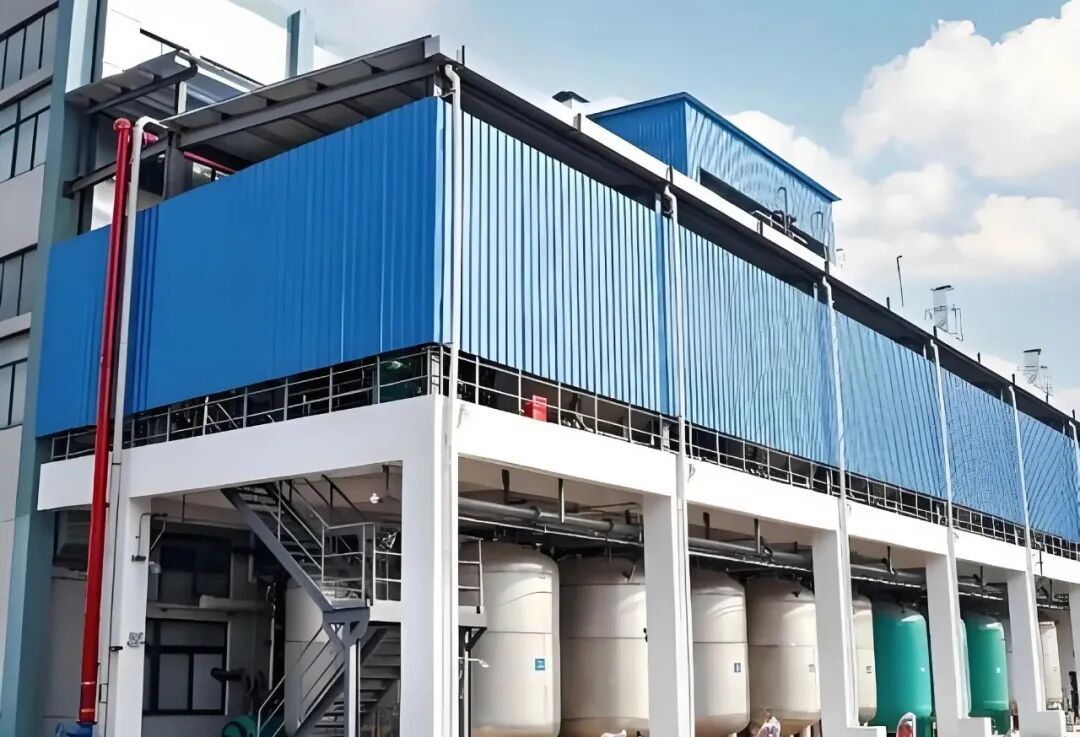
18 years ago, four Roche PhDs started a business, hoping to seize upstream opportunities in new drug R&D with novel chemical "LEGO bricks": progressing from milligram-level screening all the way to ton-level commercial production. In full-year 2025, Phystar's revenue broke through the 1.9 billion yuan scale, with almost all global top pharmaceutical companies as partners, possessing a domestically unique library of novel molecular building blocks.
But it faces challenges equally: significant market value drawdown, and profitability undergoing years of decline. Phystar is completing a difficult identity transformation: from a high-margin, asset-light "product supplier" to a heavy-asset, more cyclical integrated CRDMO platform.
There is no standard answer for this transformation. The molecular building block track has limited space; if Phystar sticks to its comfort zone, it faces a growth ceiling; extending downstream means enduring the pain of capital expenditure and declining gross margins, facing competition from a gathering of giants. But this H1 2026 financial report at least gives a positive signal: the pains of transformation may be passing. But how exactly to walk the future path is a temporal proposition Phystar must answer.
Source: Medical Research Society

The copyright of this article belongs to the original author/organization.
The views expressed herein are solely those of the author and do not reflect the stance of the platform. The content is intended for investment reference purposes only and shall not be considered as investment advice. Please contact us if you have any questions or suggestions regarding the content services provided by the platform.