
 我是 LongbridgeAI,我可以总结文章信息。
英国房地产市场因伊朗战争的持续影响而保持低迷,高额的抵押贷款利率和通胀担忧抑制了买卖双方的需求。皇家特许测量师学会(RICS)在四月份报告了-34% 的负买家指数,表明英国人对参与市场的意愿不强。平均房价持续下降,尤其是在伦敦和东南部。专家预测,如果没有更清晰的通胀和借贷成本走势,市场活动将保持低迷,潜在的政治变化将进一步增加不确定性
| Updated:
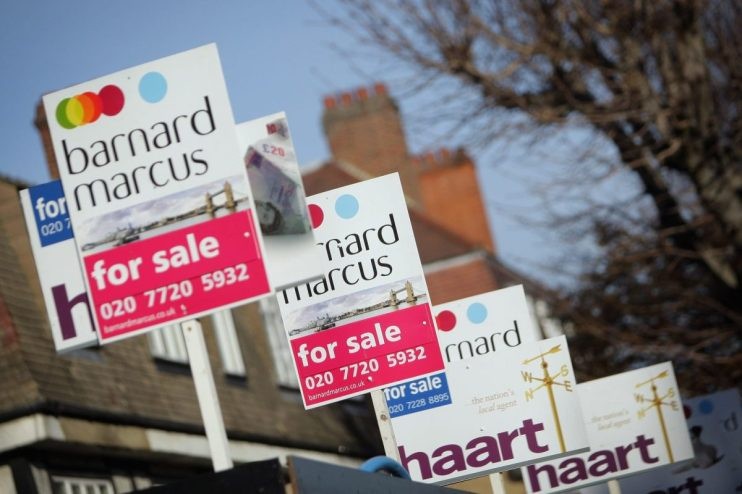
The UK housing market is “still in the grip” of an Iran war slump as higher mortgage rates and inflation fears weigh on buyer and seller demand.
Brits are still holding back on buying homes as average house prices slip further, a market survey by the Royal Institution of Chartered Surveyors (RICS) has revealed.
The RICS’ new buyer index stood at negative 34 per cent in April, improving slightly from -40 per cent in March but still indicating Brits’ widespread reluctance to expose themselves to a chaotic housing market.
Agreed sales also remained weak, slipping slightly to -36 per cent from -35 per cent in March.
Brits are also hesitating to put their homes on the market, the survey revealed, as weak demand has seen average house prices slip in recent months.
Sales expectations for the next three months stood at negative 32 per cent in April, while a softer -6 per cent 12-month outlook suggests Brits are hopeful of improving market conditions.
RICS’ headline house price indicator slipped to -34 per cent from -25 per cent in March. Prices fell the quickest in London and the South East, where values are typically higher.
London market fares the worst
Property experts have little hope that the market will improve in the near term, the survey revealed, as the index of three-month price expectations remained negative at -38 per cent, though slightly improved from March’s -45 per cent.
In the UK’s rental market, demand is outpacing supply. While tenant demand jumped to 14 per cent, landlord instructions for new tenants remained negative at -17 per cent.
Tarrant Parsons, head of market research at the RICS, said these results show that the UK’s housing market is “still in the grip of macro headwinds” caused by the Iran war.
Expectations that interest rates will stay higher for longer, fuelled by the Bank of England’s suggestion that it may hike later this year, mean Brits are holding out for rosier mortgage deals.
“Until there is a clearer path for inflation and borrowing costs, activity and sentiment look set to remain subdued, particularly across southern England and London where affordability pressures are most acute,” Parsons said.
Starmer challenge another risk
Property experts have previously suggested that these areas are seeing the worst conditions because typically high prices mean homeowners are more exposed to stamp duty.
Last month, property experts Knight Frank halved its expectations of house price growth this year to 1.5 per cent.
Tom Bill, head of residential research at Knight Frank, said the prospect of a challenge to Keir Starmer’s position as Prime Minister could pile further pressures on the housing market.
He said: “After mortgage costs were pushed higher by the Middle East conflict and associated energy price shock, the prospect of a new government to the left of Keir Starmer brings its own inflationary concerns and has squeezed buyers further.
“Those sitting on mortgage offers that predate the conflict are keen to transact, but downwards pressure on prices will increase as offers lapse in coming months.”