
加州的杂货店使用人脸识别技术来打击盗窃行为
 我是 LongbridgeAI,我可以总结文章信息。
Grocery Outlet 正在部分湾区门店部署面部识别软件 SAFR,以应对日益严重的盗窃问题。虽然一些零售商和顾客支持这一措施,认为这是应对盗窃率上升的必要安全措施,但也有人对隐私侵犯和可能错误识别无辜顾客表示担忧。SAFR 官员表示,该系统不维护全面的顾客数据库,也不与外部机构共享数据
Via American Greatness,
Faced with a shoplifting epidemic that has battered California retailers for years, Grocery Outlet is fighting back with technology.
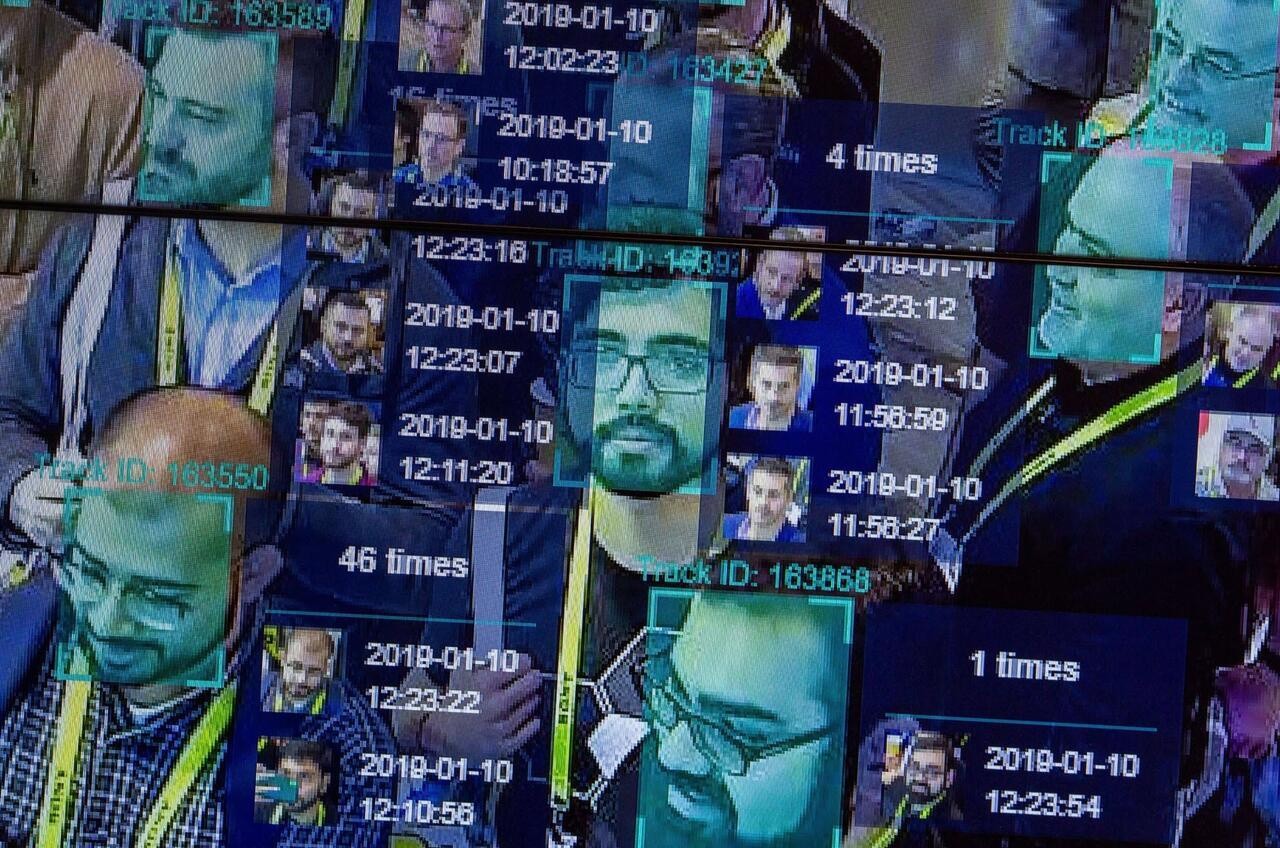
Customers are not thrilled about it.
The Emeryville-based discount grocery chain has begun installing facial recognition software called SAFR at a handful of Bay Area stores, including its Pleasant Hill “Bargain Market” location,CBS News San Francisco reported.
Customers walking through the doors will find signs warning them the system is in use, a disclosure the company says is meant to keep shoppers informed.
The rollout comes as California tries to combat a shoplifting problem that has spiraled out of control.
FBI data cited by CBS shows theft in the state has jumped 50 percent since the COVID-19 pandemic, a surge that has forced retailers from big-box chains to neighborhood grocers to spend millions on security measures, or in some cases, shutter stores altogether.
For June Guerrero, who spent years managing a retail store, the new technology is a welcome and overdue response to a problem she saw firsthand.
“I worked for years as a manager of a store and the theft was just unbelievable,” Guerrero told CBS News. “I agree with it.”
Not every customer sees it that way. Barbara Jackson told the outlet she’s uneasy about having her face scanned every time she shops for groceries.
“I do understand, but invading my privacy with my picture, I don’t agree on that,” Jackson said. “You gotta find a better way.”
Shopper Steve Burdette raised a different concern: the risk of the system misidentifying innocent customers as thieves.
“It could lead to a lot of problems, I think for companies and businesses and people,” he said.
SAFR president Charisse Jacques pushed back on the notion that the technology amounts to mass surveillance. She said the company does not maintain a database of every customer who walks through the door, retains information on suspected shoplifters only for a limited window, and does not share data with outside agencies — including U.S. Immigration and Customs Enforcement,according to the New York Post.