
Axios 报道:周五晚上有 40 艘油轮通过霍尔木兹海峡,但真正的危机在于柴油
 我是 LongbridgeAI,我可以总结文章信息。
在霍尔木兹海峡有 40 艘油轮通过,表明原油流动持续,但专家指出柴油危机严重。由于实物市场紧张和俄罗斯炼油能力下降,柴油裂解价差达到了创纪录的高位。分析师警告,成品油而非原油是主要瓶颈,这对工业经济和消费者在冬季来临前构成了重大风险
Axios political reporter and Middle East correspondent Barak Ravid reported early Saturday that 40 tankers transited the Strait of Hormuz on Friday night, citing three unnamed US officials.
"Around 16 million barrels of oil moved out of the strait through the southern channel on Friday night," Ravid wrote on X.
🚨🚢🛢️Around 40 tankers transited in and out of the Strait of Hormuz through the southern deep channel on Friday night. Around 16 million barrels of oil moved out of the strait through the southern channel on Friday night, three U.S. officials told me
— Barak Ravid (@BarakRavid) August 22, 2026
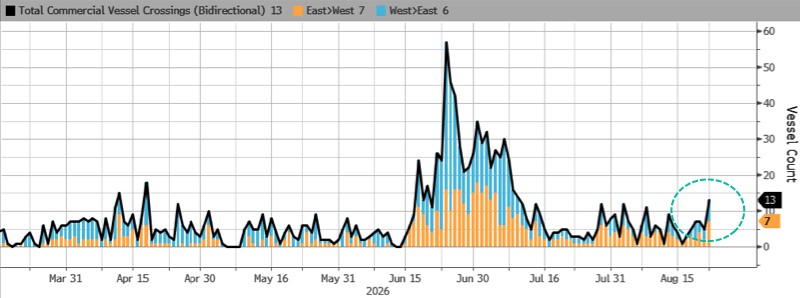
The latest Bloomberg vessel-tracking data show that 13 ships transited the critical waterway on Saturday, with seven traveling east to west and six moving west to east. Traffic remains well below the levels recorded during the brief memorandum-of-understanding period from June 15 through mid-July.
On Friday, President Trump called the Hormuz chokepoint "an American territory"...
"We don't even know if we won, because I view the Strait of Hormuz as an American territory right now," Trump said, addressing a crowd in South Carolina.
Trump joked about bombing Iran during the speech, saying, "It's a Friday night. We have plenty of time... and what the hell do I have to do? Go back and bomb Iran a little bit more?"
Axios reported Wednesday that the US military had established a shipping corridor in the critical waterway, which carries millions of barrels of oil each day. There was no word from Ravid on whether the 40 tankers sailed through the new shipping corridor.
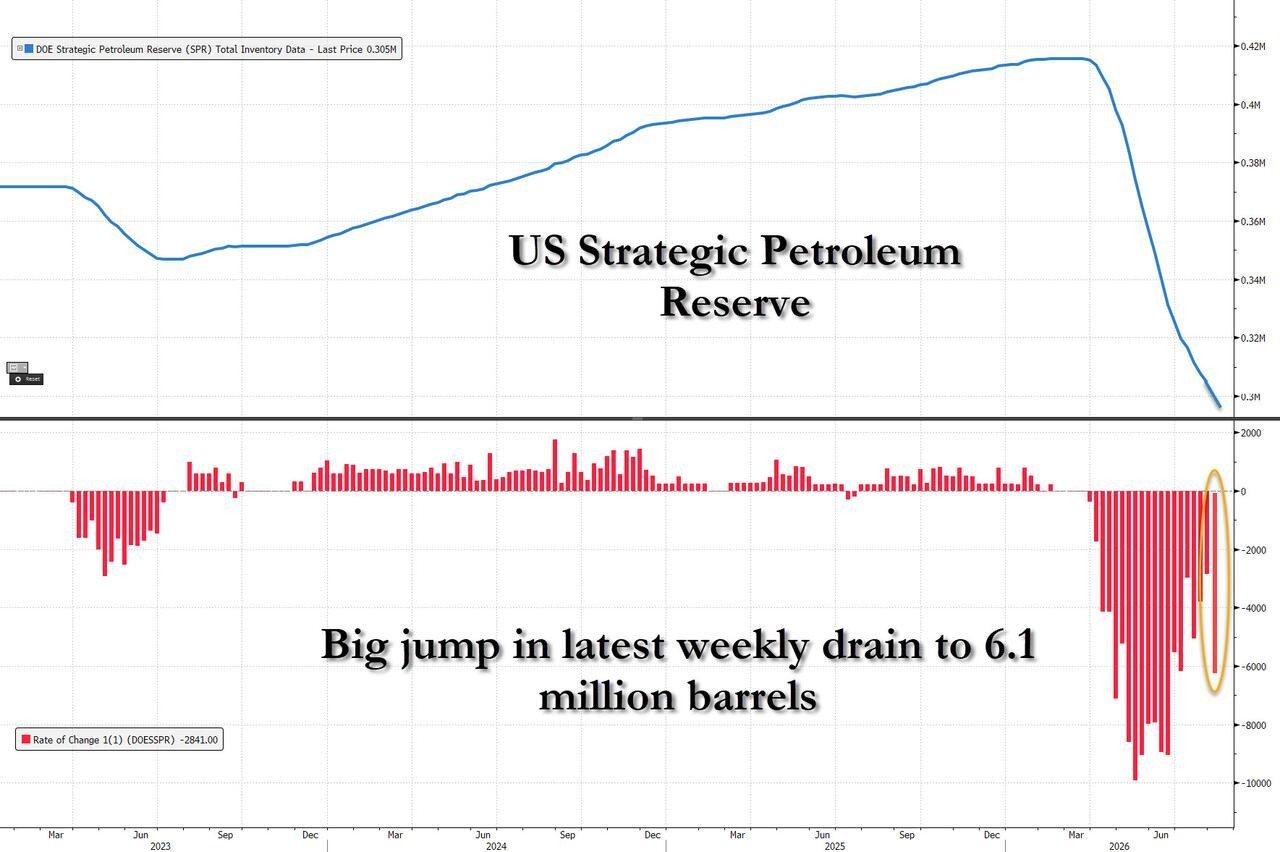
Even with these transits, the emerging energy crisis is not centered on crude availability, as SPRs around the world are being tapped to offset lost production in the Gulf region. Instead, the real crisis is materializing in the refined-products market.
The focus emerged at the start of the week when Bloomberg's front-month US diesel crack spread (HOCL1 Index) topped $100 a barrel, as we warned: "Industrial economy either grinds to a halt or consumers about to be hit with the biggest energy pass-through in history."
— zerohedge (@zerohedge) August 17, 2026Diesel crack hits record $102. This is absolutely unprecedented.
Industrial economy either grinds to a halt or consumers about to be hit with the biggest energy pass through in history pic.twitter.com/OtAdgrCvb3
Then, by Wednesday, Jeff Currie, the former Goldman Sachs commodities chief and now co-chair of Abaxx Markets, appeared on CNBC to explain that the real crisis is not in crude but in diesel markets.
"Nobody on the planet Earth consumes crude oil," Currie told CNBC. "Refineries do. Everyone else consumes gasoline, diesel and jet fuel, and those markets look considerably uglier."
By Thursday, Currie explained that the convergence of tight physical markets, currency debasement and policy intervention represents the hallmark of a structural commodity bull cycle.
"Stop looking at crude. Nobody consumes it but refineries. The economy runs on gasoline and diesel, and that consumption-weighted basket costs $165 against $85 WTI," Currie wrote on X. Read the report.
Related:
- Diesel Crack Spread Madness Deepens As Jefferies Finds No Easy Exit From Russia's Refining Crisis
The US diesel crack spread closed below $100 on Friday, but the Hormuz disruption, compounded by Ukraine's decimation of Russia's refining capabilities, is creating a perfect storm for global diesel markets ahead of the Northern Hemisphere winter.