
 我是 LongbridgeAI,我可以總結文章信息。
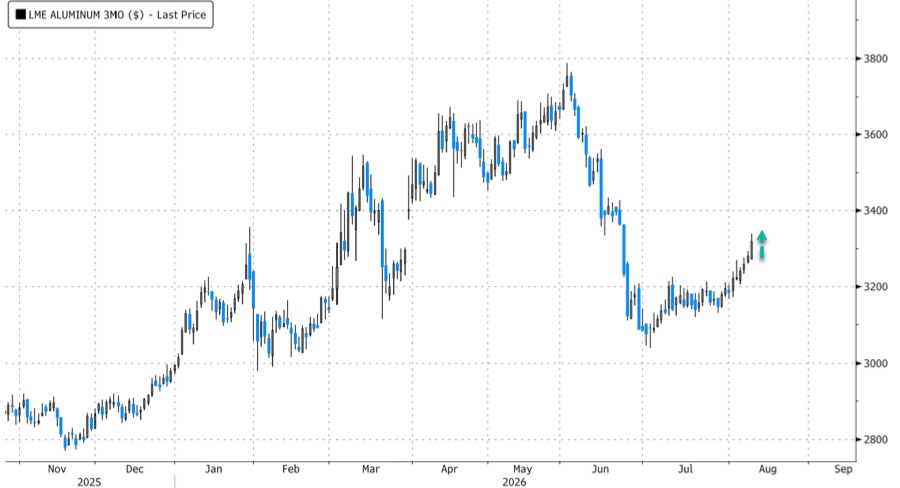
挪威海德魯的 Alunorte 是全球最大的鋁土礦精煉廠(中國以外),因天然氣供應中斷而減產 50%。這一供應衝擊使倫敦鋁價上漲至七週來的最高點,每噸 3,373 美元,鋁土礦期貨上漲 1%。該精煉廠在拜耳工藝中依賴天然氣提供熱量。倫敦金屬交易所的庫存已降至數十年來的低點,加劇了人們對全球鋁缺口可能超過 90 萬噸的擔憂,同時工業金屬價格普遍上漲
Norwegian aluminum producer Norsk Hydro's Alunorte plant in Brazil, one of the world's largest alumina refineries, reduced output by 50% following disruptions to natural gas availability.
Bloomberg reports that disruptions to NatGas availability at Alunorte forced a 50% reduction in output and sent aluminum prices in London to a seven-week high. Hydro said production would return to full capacity once gas supplies normalize.
Aluminum rose nearly 2% in London and traded at $3,373 a metric ton. Alumina futures gained 1% in Shanghai.
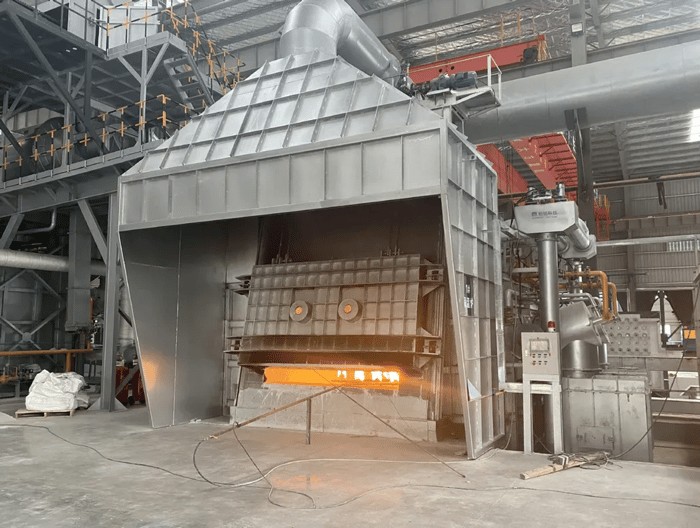
NatGas is critical to Alunorte becausealumina refining requireshigh-temperature heat and steam. The gas powers theBayer process, which refines bauxite:
- Digestion: Bauxite is mixed with caustic soda and heated under pressure to dissolve the aluminum-bearing minerals.
- Evaporation and steam generation: Large boilers provide steam throughout the refinery.
- Calcination: Aluminum hydroxide is heated to around 1,832F to remove water and produce smelter-grade alumina.
The disruption means that Alunorte cannot maintain enough steam and furnace heat to operate its production lines, forcing the refinery to reduce throughput. For context, Alunorte is the world's largest single-site alumina refinery and the largest outside China. It is located in Barcarena, Pará, and has an annual capacity of 6.3 million metric tons.
Inventories in London Metal Exchange warehouses have fallen to 250,000 tons, the lowest level since November 1990. Norsk Hydro recently warned that the annual global aluminum deficit could top 900,000 tons if trade through the Strait of Hormuz remained disrupted.
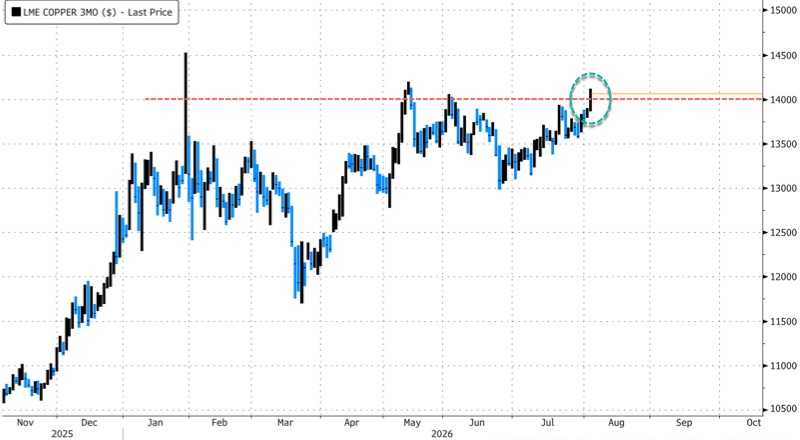
Also in the industrial metals space, copper futures in London are trading above $14,000 per ton as metal inflows into the US continue ahead of President Trump's expected tariff, effectively tightening global supplies.
Surging prices for both industrial metals will only make electrification and decarbonization even more expensive.
"Copper and aluminum are important beneficiaries of electrification and decarbonization," said UniCredit SpA strategist Thomas Strobel. "While copper's investment case is driven by structural supply constraints, aluminum benefits from lightweighting, grid expansion and recycling. Together, they offer complementary exposure to some of the strongest long-term trends in the global economy."