A Beginner’s Guide to Selecting a Secure Cryptocurrency Exchange
Choosing a secure, reliable cryptocurrency exchange is the first step toward successful investing. This article guides new investors through key security criteria, including regulatory compliance, asset protection, fees, and platform features.
TL;DR: Choosing a secure cryptocurrency exchange requires evaluating several key factors, including regulatory compliance, asset-protection measures (cold storage, two-factor authentication), fee structures, available trading products, and platform stability. Beginners should prioritize licensed exchanges, enable all security features, and avoid keeping large amounts of assets on a single platform for extended periods.
Choosing a safe and reliable cryptocurrency exchange is the first step to successful investing. This article breaks down the key elements to consider when evaluating an exchange.
Understanding How Cryptocurrency Exchanges Work
A cryptocurrency exchange is an intermediary platform for buying and selling digital assets. Exchanges generally fall into two categories: centralized exchanges (CEXs) and decentralized exchanges (DEXs).
Key Features of Centralized Exchanges
Centralized exchanges are operated by companies that manage users’ assets, match orders, and provide customer support. They are well-suited to beginners and typically have these features:
- The platform holds users’ assets on their behalf
- Fiat deposit and withdrawal services are available
- A dedicated customer service team is provided
- Identity verification is required
Key Features of Decentralized Exchanges
Decentralized exchanges run on blockchains, allowing users to trade directly via smart contracts. No identity verification is required, and users control their own private keys. However, DEXs do not support fiat deposits, the interface is generally more complex, and there are risks related to smart-contract vulnerabilities—making them a higher-barrier option for beginners.
For beginners, centralized exchanges are usually the better place to start.
Security Assessment: Core Elements of Asset Protection
When choosing an exchange, security should be your top priority.
Asset-Protection Measures
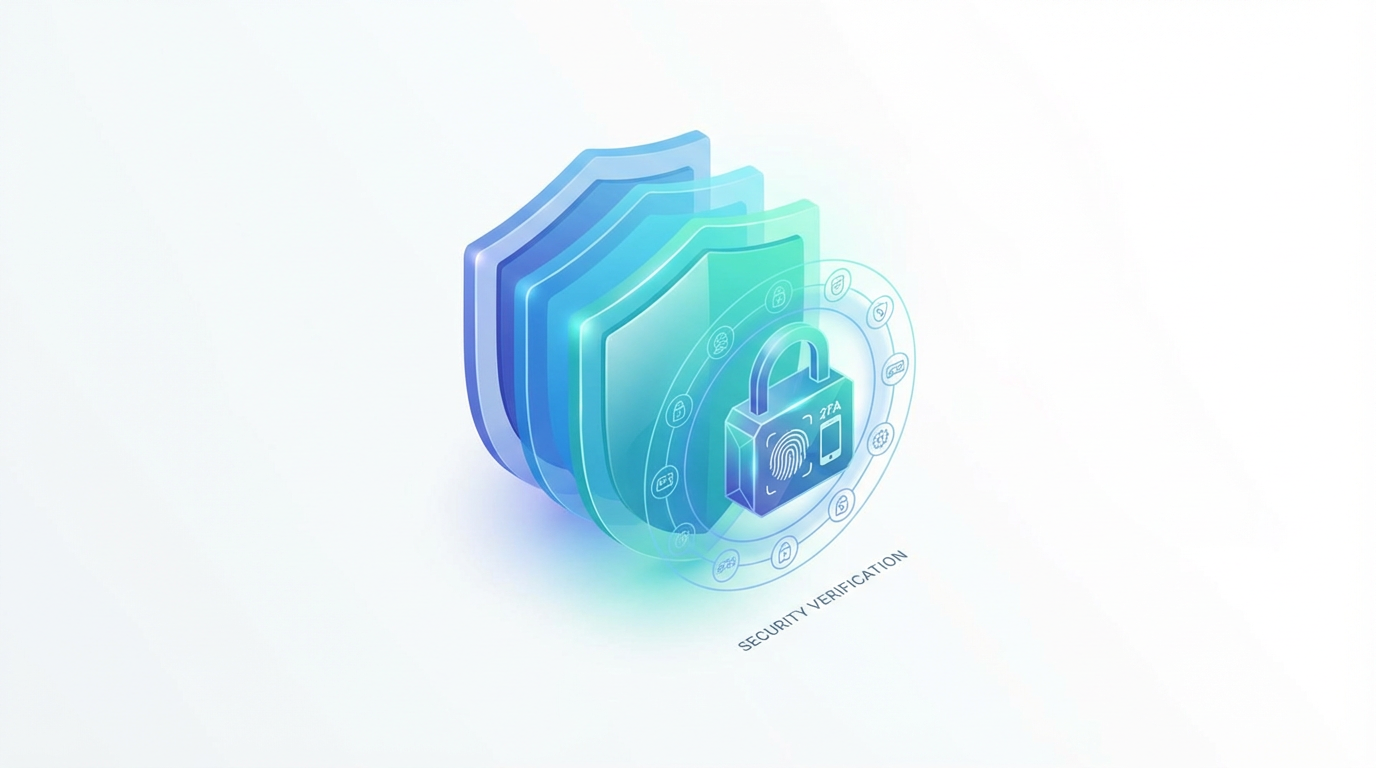
A reliable exchange should offer the following security mechanisms:
Cold Storage (Cold Storage): High-quality exchanges store most user assets (typically more than 90%) in offline cold wallets.
Two-Factor Authentication (2FA): In addition to a password, users must provide a second verification code via a mobile app or SMS. Beginners should enable this feature immediately after opening an account.
Withdrawal Whitelist: Withdrawals are only permitted to pre-approved addresses, so assets cannot be transferred even if an account is compromised.
Proof of Reserves and Transparency
Exchanges should conduct regular Proof of Reserves audits, allowing users to verify that the platform does indeed hold sufficient assets. Transparent exchanges publish their audit reports.
Regulatory Compliance: Why Choosing a Licensed Exchange Matters
Regulatory compliance is an important indicator of an exchange’s reliability. Licensed exchanges must comply with strict Anti-Money Laundering (AML) and Know Your Customer (KYC) requirements.
The Regulatory Environment in Hong Kong
The Securities and Futures Commission of Hong Kong (SFC) regulates virtual asset trading platforms. Under SFC requirements, virtual asset trading platforms operating in Hong Kong must be licensed and meet the following standards:
- Implement stringent customer due diligence procedures
- Establish independent custody arrangements for client assets
- Build robust risk management systems
- Submit regular reports to regulators
Choosing a licensed exchange offers greater protection because these platforms must meet higher operating standards and are subject to ongoing oversight.
International Regulatory Recognition
In addition to local licensing, some exchanges are recognized by regulators in other jurisdictions, such as the United States, Singapore, or EU member states. Holding licenses across multiple jurisdictions shows a willingness to operate under strict regulation and is a strong sign of credibility.
Fee Structure: Understanding Trading Costs
Trading fees directly affect investment returns, especially for frequent traders. Fee structures vary widely across exchanges, so beginners should compare all charges carefully.
Main Types of Fees
Trading Fees: Fees charged each time you buy or sell cryptocurrency, usually calculated as a percentage of the transaction amount. Some exchanges use tiered pricing, where higher trading volumes lead to lower rates. Others offer zero-commission trading to reduce investors’ costs.
Deposit and Withdrawal Fees: Fees that may be incurred when depositing fiat currency into an exchange or withdrawing cryptocurrency to an external wallet. Deposit fees vary by payment method—bank transfers are typically cheaper than credit cards. Withdrawal fees depend on blockchain network congestion.
Bid-Ask Spread: Some exchanges set a spread between the buy and sell prices, which is a hidden cost. While marketed as zero-fee trading, these platforms may profit from the spread. Investors should compare real trading costs across platforms rather than focusing only on headline fee rates.
Tips for Comparing Fees
When comparing fees, beginners should consider their own trading habits. Long-term holders should place more weight on deposit fees and platform stability, while frequent traders should prioritize trading fees and order execution speed.
Trading Products and Market Coverage
The range of cryptocurrencies and markets offered by an exchange directly affects how flexible your investment choices are. Beginners may start by trading only major coins, but as they gain experience, they may want access to more diversified products.
Major and Emerging Cryptocurrencies
Major cryptocurrencies like Bitcoin and Ethereum are available on all exchanges, with high liquidity and transparent pricing. However, if you want to invest in smaller-cap or emerging crypto projects, you will need an exchange that supports a wider range of tokens.
Some exchanges list hundreds or even thousands of cryptocurrencies. Note, however, that not every listed token has been rigorously vetted. Beginners should carefully evaluate the risks of lesser-known tokens.
Derivatives and Advanced Tools
Beyond spot trading, some exchanges also offer derivatives such as futures and options, enabling leveraged trading or risk hedging. The diversified investment products offered by Longbridge Securities include stocks, exchange-traded funds (ETFs), real estate investment trusts (REITs), and options across multiple markets, giving investors comprehensive asset-allocation choices.
Beginners should first become familiar with spot trading and consider advanced tools only after building experience, as derivatives involve higher risks.
Platform Features and User Experience
Beginners are generally better served by platforms with intuitive interfaces and well-rounded features. A high-quality platform should provide clear market data, a streamlined order placement process, and real-time account updates. Support for a multi-platform trading experience can provide greater flexibility.
A reliable exchange should offer multiple contact channels, including live chat, email, and phone support, and provide Chinese-language customer service. Some exchanges also offer educational content to help beginners build a solid foundation in investing.
Liquidity and Market Depth
Liquidity refers to the ability to buy or sell assets quickly without significantly affecting the price. Platforms with insufficient liquidity often experience greater slippage, which can worsen execution prices. Key evaluation metrics include 24-hour trading volume, order book depth, and slippage. Beginners are generally better suited to larger exchanges with higher trading volumes to ensure a smoother trading experience.
Practical Strategies for Choosing an Exchange
The Importance of Risk Diversification
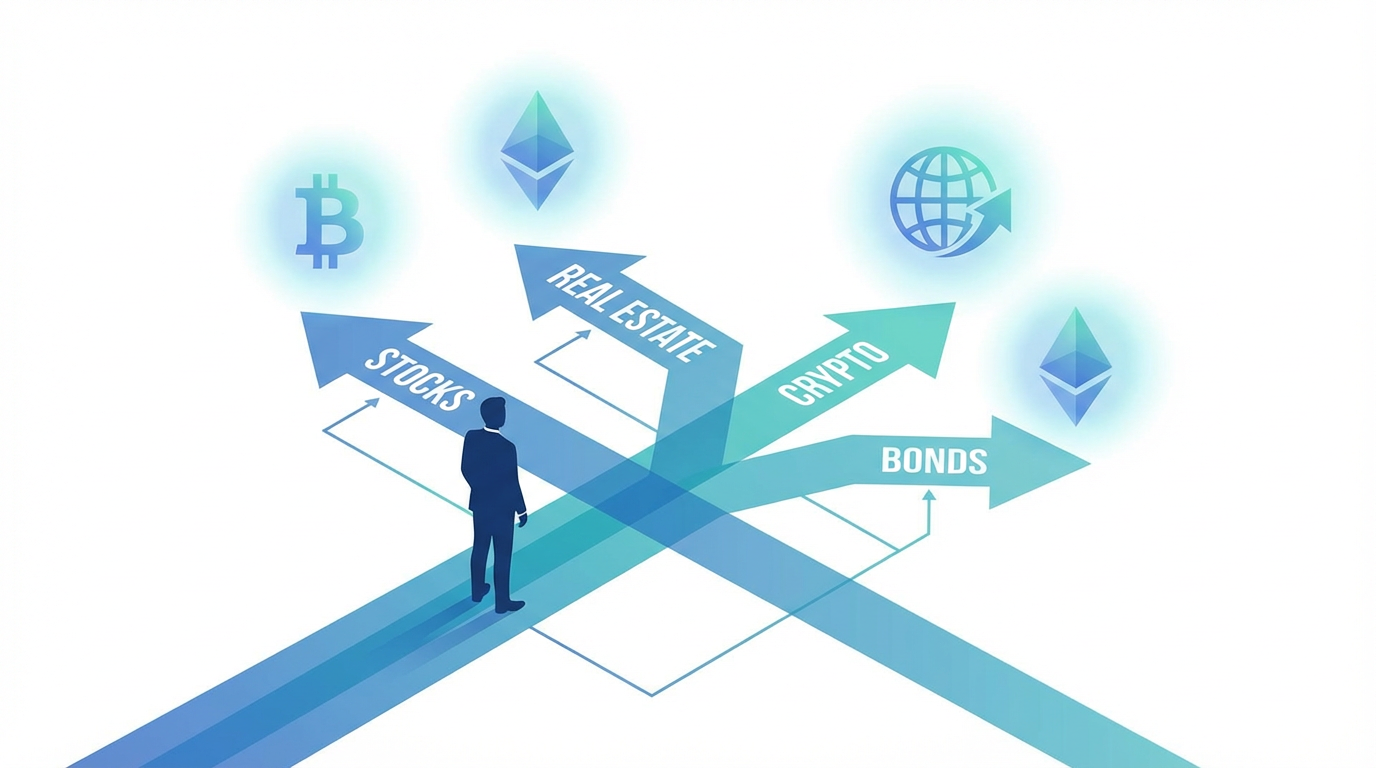
You should not keep all assets on a single platform for long periods. Risk-diversification strategies include using multiple exchanges, keeping only the funds needed for active trading on an exchange, and moving long-term holdings to a personal wallet.
Beginners may consider opening accounts with both local and international exchanges. Before investing, it is recommended to test platform features with a small amount of capital.
Frequently Asked Questions
Are cryptocurrency exchanges protected by deposit insurance schemes?
Cryptocurrencies are not covered by traditional deposit insurance schemes. If an exchange goes bankrupt or is hacked, investors may not be able to fully recover their assets. Therefore, choosing an exchange with a strong financial position and robust risk-management practices is essential.
How should beginners start investing in cryptocurrencies?
It is recommended to learn the basics first, including blockchain technology and how the market works. Invest only money you can afford to lose, start small, and focus on major cryptocurrencies. You must enable all security features, including two-factor authentication.
How can you identify cryptocurrency exchange scams?
Common signs of scam exchanges include promises of unrealistically high returns, a lack of regulatory information, poorly built websites, and requests for sensitive information such as private keys. Avoid platforms recommended by strangers, and choose only well-known exchanges with strong reputations.
Conclusion
Choosing a safe and reliable cryptocurrency exchange is the foundation of successful investing. Beginners should prioritize licensed exchanges and evaluate their security measures, fee structures, trading products, and user experience. At the same time, they must diversify risk by not keeping all assets on a single platform and by enabling every available security feature.
Investing in cryptocurrencies involves significant risk and extreme market volatility, and investors may lose all principal. Before making any investment decisions, you should fully understand the relevant risks, assess your financial situation and risk tolerance, and invest only money you can afford to lose.
Which investment tools you choose depends on your investment objectives, risk tolerance, market views, and experience level. No matter which tools you choose, you must fully understand how they work, their risk characteristics, and trading rules, and establish a sound risk-management plan. You can learn more about investing through Longbridge Academy or by downloading the Longbridge App.