Bond Fund Investment Guide: A Stable Choice for Steady Income
Bond funds are an ideal choice for investors seeking stable income. This article explains how they work, outlines investment strategies, risk management, and key selection criteria to help you build a resilient portfolio.
TL;DR: Bond funds are pooled investment vehicles that primarily invest in government and corporate bonds, providing stable cash flow through regular distributions. Compared with buying bonds directly, bond funds have a lower entry threshold and offer better risk diversification, making them suitable for investors seeking steady income.
In the current market environment, many investors want to add reliable income-generating instruments to their portfolios. As an important option within fixed-income investing, bond funds can provide relatively stable cash flow while helping to diversify investment risk. Whether you are a conservative investor seeking stable returns or looking to balance overall portfolio risk, understanding how bond funds work and the relevant investment strategies is essential. This article provides a comprehensive overview of bond funds, covering core concepts, fund types, investment strategies, and risk management, to help you build a steady income-focused portfolio tailored to your needs.
What Are Bond Funds
A bond fund is a pooled investment vehicle in which a fund manager centrally manages investors’ capital, primarily investing in bonds issued by governments, public-sector institutions, banks, commercial entities, or multilateral institutions. Unlike equity funds, the main sources of return for bond funds are bond interest (coupon) income and capital appreciation resulting from changes in bond prices. A bond is essentially a lending contract: the issuer raises funds from investors and commits to paying regular interest over a specified term, as well as repaying the principal at maturity. By holding a diversified range of bonds, bond funds distribute the interest income they receive to investors on a regular basis.
Compared with purchasing individual bonds directly, bond funds generally have the following features: a lower entry threshold (direct bond purchases often require USD 10,000 or more), risk diversification (through holding multiple bonds), and higher liquidity (investors can usually redeem at any time). However, bond funds do not have a fixed maturity date, and their prices fluctuate with changes in market interest rates.
Main Types of Bond Funds
Bond funds come in many varieties. Investors can classify them based on issuer, credit rating, region, and currency. Understanding the characteristics of different types helps investors choose funds that match their risk tolerance and investment objectives.
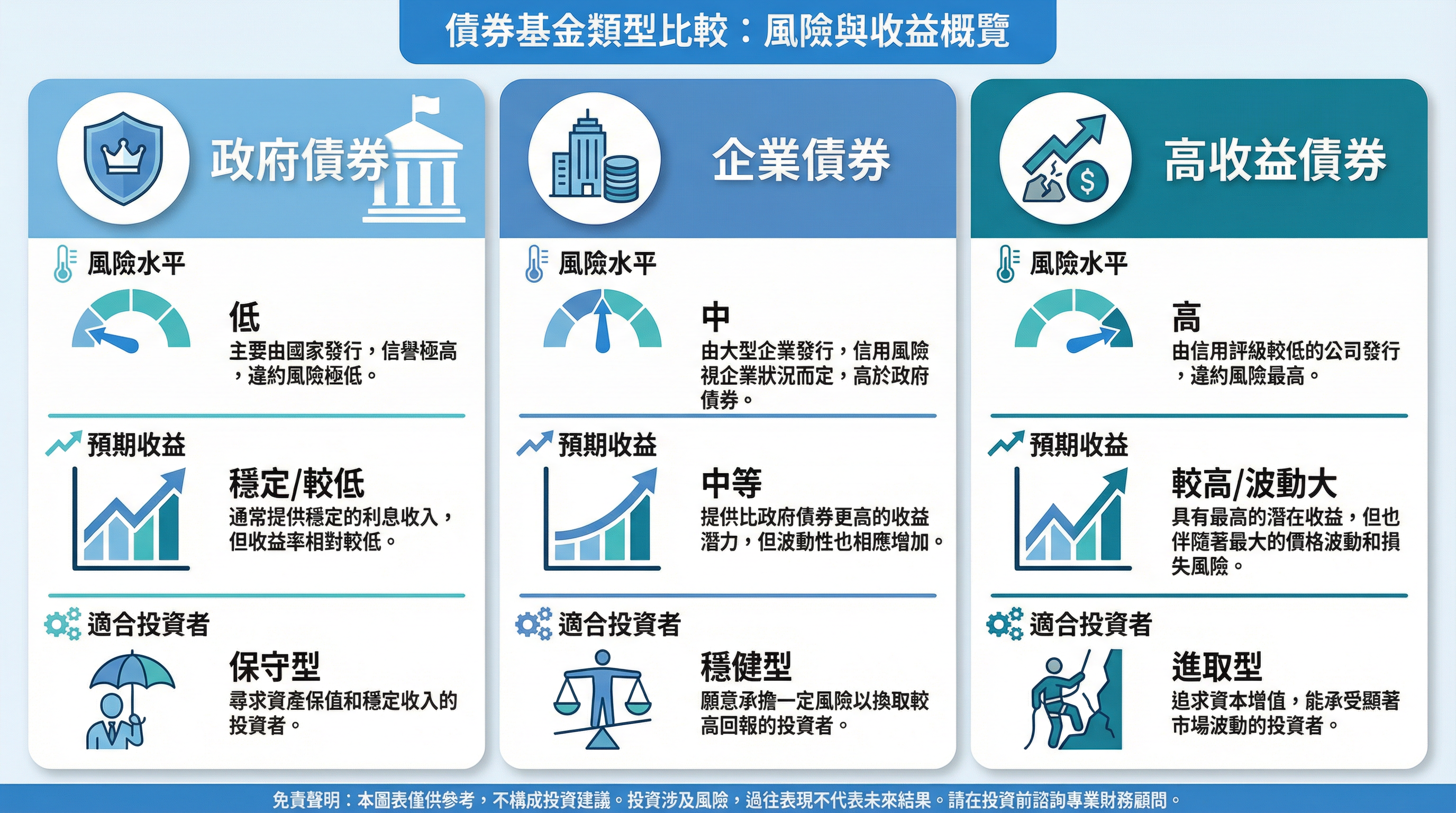
Government bond funds primarily invest in bonds issued by governments. They carry relatively low default risk and are generally regarded as a more conservative choice. Investment-grade bond funds invest in corporate bonds with higher credit ratings (rated BBB- or above), aiming to strike a balance between risk and return. High-yield bond funds invest in corporate bonds with lower credit ratings; while they offer higher interest income, they also involve higher risk, and their price movements tend to be more closely correlated with equity markets. Emerging market bond funds invest in bonds issued by developing countries or regions, with both potential returns and risks being relatively higher, and they also involve currency risk.
How Bond Funds Generate Returns
Bond fund returns mainly come from two sources. The first is interest income: the bonds held by the fund pay interest on a regular basis, and the fund manager distributes the interest received to investors periodically. Distribution frequency may be monthly, quarterly, or annually. Investors should note that some bond fund distributions may include capital distributions (commonly referred to as a “return of capital”). In such cases, the distributions received are effectively a return of the investor’s own principal rather than genuine investment income.
Important reminder: A high distribution yield does not necessarily mean a high return. Investors should review the fund documents to understand whether distributions are derived purely from interest income.
The second source of return is capital appreciation. Bond prices fluctuate in response to changes in market interest rates. When market interest rates fall, existing bonds become more attractive and bond prices rise; conversely, when interest rates rise, bond prices fall. During a declining interest-rate cycle, bond funds may provide not only stable interest income but also meaningful capital gains.
Investment Risks of Bond Funds
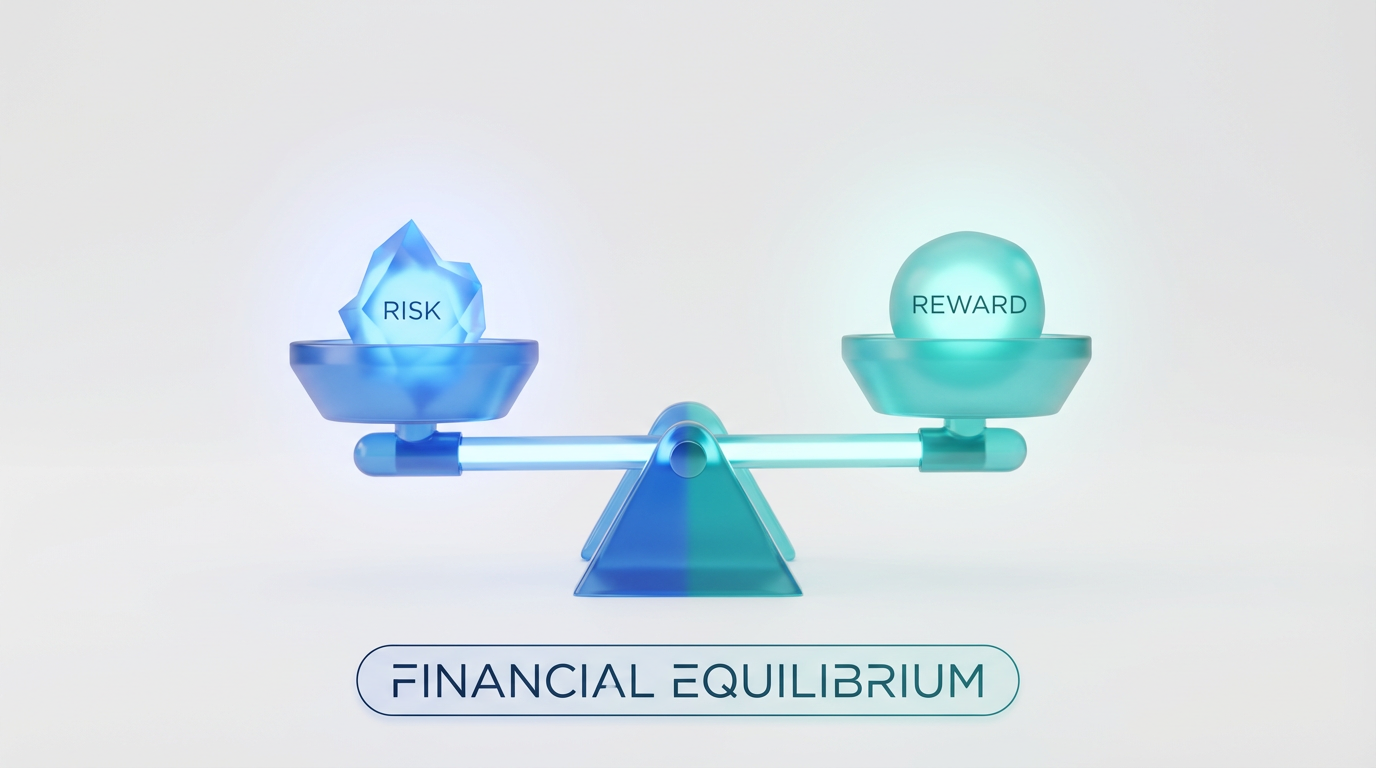
Although bond funds are often regarded as relatively stable investment tools, they are not risk-free. Investors must understand the various risks associated with bond fund investing.
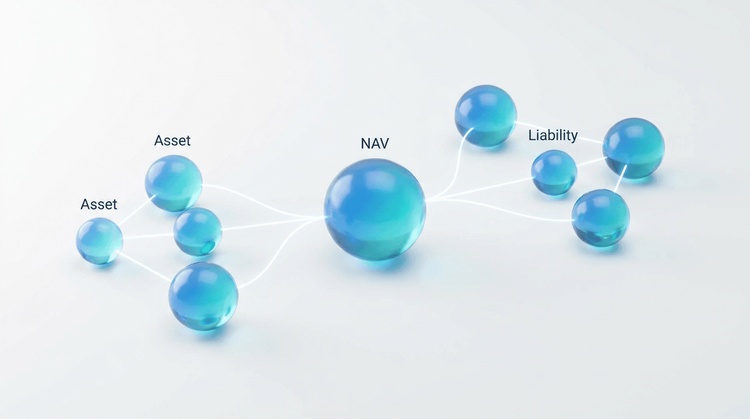
Interest-rate risk is the primary risk faced by bond funds. When market interest rates rise, the prices of existing bonds fall, causing the net asset value (NAV) of bond funds to decline. The longer a bond’s duration, the greater its sensitivity to interest-rate changes. In addition to interest-rate risk, credit risk (also known as default risk) refers to the possibility that a bond issuer may be unable to pay interest or repay principal on time. When a company’s or government’s financial condition deteriorates, its bonds may be downgraded by rating agencies, leading to a decline in bond prices. For investors holding bonds denominated in currencies other than HKD or USD, depreciation of the bond’s currency against HKD or USD can negatively affect returns—this is known as currency risk.
Bond Fund Investment Strategies
Successful bond fund investing requires a clear strategy. Asset allocation is the core of portfolio management. Generally, investors may adjust the proportion of bond funds in their overall assets based on age. A commonly cited rule of thumb is that the bond fund allocation equals your age. As investors grow older and approach retirement, many gradually increase their bond fund allocation. This guideline is only a rough reference; actual allocation should depend on individual financial circumstances and goals.
Bond fund performance is closely tied to the interest-rate cycle. When interest rates are high, investors may consider locking in higher yields to maturity. When the market expects interest rates to be cut, long-duration bond funds may offer greater potential for price appreciation. Dollar-cost averaging is a strategy used to spread market-timing risk: investors invest a fixed amount in bond funds at regular intervals, and over the long term can average out their investment costs regardless of market fluctuations.
How to Choose the Right Bond Fund
Before investing, it is essential to understand your own risk tolerance. Generally, conservative investors tend to consider government bond funds or investment-grade bond funds, while investors with higher risk tolerance may consider high-yield bond funds or emerging market bond funds. Fees are a key factor affecting long-term bond fund returns. Investors should pay close attention to the total expense ratio, which includes management fees, administrative fees, and other operating costs. Even a fee difference of just 0.5% per year can significantly erode returns over time.
How to Start Investing in Bond Funds
In Hong Kong, investors can invest in bond funds through various channels, including banks, brokerage firms, fund platforms, and digital investment platforms. With the development of fintech, digital securities platforms now offer a convenient way to invest. A new generation of platforms such as Longbridge Securities allows investors to easily access bond funds and bond ETFs across global markets and conduct asset allocation through diversified investment products. Advantages of digital platforms include lower transaction costs, user-friendly interfaces, and a wide range of market data tracking tools.
FAQs
Can bond funds lose money?
Bond funds are not principal-protected products, and investors may face losses of capital. Bond fund prices may fall when market interest rates rise, when issuers are downgraded or default, or when exchange rates move unfavorably.
Is a higher bond fund distribution yield always better?
Not necessarily. A high distribution yield may indicate that the fund is taking on higher risk or that distributions include a return of capital. Investors should focus on a fund’s total return rather than looking only at the distribution yield.
What is the difference between bond funds and bond ETFs?
Bond funds are typically actively managed mutual funds, where a fund manager actively selects bonds. Bond ETFs generally follow a passive management approach and track a specific bond index. Bond ETFs can be bought and sold intraday like stocks, usually offer higher liquidity, and typically have lower management fees.
When is a good time to buy bond funds?
The timing of investing in bond funds depends on the interest-rate cycle and individual investment objectives. When market interest rates are high and expected to decline, it may be a more favorable time to buy bond funds. For long-term investors, dollar-cost averaging is a more prudent approach.
Conclusion
As a fixed-income investment tool, bond funds can provide investors with relatively stable cash flow while effectively diversifying portfolio risk. By understanding how bond funds work, the characteristics of different fund types, sources of returns, and potential risks, investors can build a steady investment strategy tailored to their personal needs. When investing in bond funds, investors should select suitable types based on their risk tolerance and consider factors such as asset allocation, the interest-rate cycle, and investment horizon.
If you are considering adding bond funds to your portfolio, start by clarifying your risk tolerance and investment objectives. You can learn more about investing through Longbridge Academy or by downloading the Longbridge App.