Index Fund vs ETF: Which Is Better for Singapore Investors
Index funds and ETFs both track market indices but differ in trading flexibility,costs, and tax efficiency. Learn which option suits Singapore investors buildingdiversified portfolios.
TL;DR: Index funds and ETFs (Exchange-Traded Funds) both track market indices and offer diversification, but differ in trading mechanisms and tax efficiency. ETFs trade like stocks throughout the day and are generally more tax-efficient, while index funds trade once daily at end-of-day prices. For Singapore investors, ETFs often provide better flexibility and lower costs.
When building a diversified investment portfolio, Singapore investors often face a common question: should you invest in index funds or ETFs? Both are passive investment vehicles designed to track market indices such as the Straits Times Index (STI) or the S&P 500, but they operate differently. Understanding the key differences between index funds and ETFs can help you make informed decisions that align with your investment goals and trading preferences.
This guide breaks down the fundamental distinctions, advantages, and considerations for Singapore-based investors choosing between these two popular investment options.
What Are Index Funds and ETFs?
Before comparing these investment vehicles, it is important to understand what each one represents.
Index Funds Explained
An index fund is a type of mutual fund designed to replicate the performance of a specific market index. When you invest in an index fund, you are buying a proportional share of all the securities within that index. Index funds are passively managed, meaning fund managers simply track the index rather than actively selecting individual stocks.
For example, an index fund tracking the STI would hold shares of the 30 largest companies listed on the Singapore Exchange (SGX), weighted according to their market capitalization. Your returns mirror the overall performance of those companies, providing instant diversification across multiple sectors.
ETFs Explained
ETFs, or Exchange-Traded Funds, are similar to index funds in that they track specific market indices. However, the key distinction lies in how they trade. ETFs are listed on stock exchanges and can be bought and sold throughout the trading day, just like individual stocks.
This means you can purchase ETF shares at current market prices during trading hours, giving you real-time control over your entry and exit points. Longbridge provides access to a wide range of ETFs across Singapore, US, and Hong Kong markets, making it straightforward for investors to build diversified portfolios.
Key Differences Between Index Funds and ETFs
Understanding the core differences helps you determine which investment vehicle suits your needs.
Trading Mechanisms
The most significant difference between index funds and ETFs is how and when you can trade them.
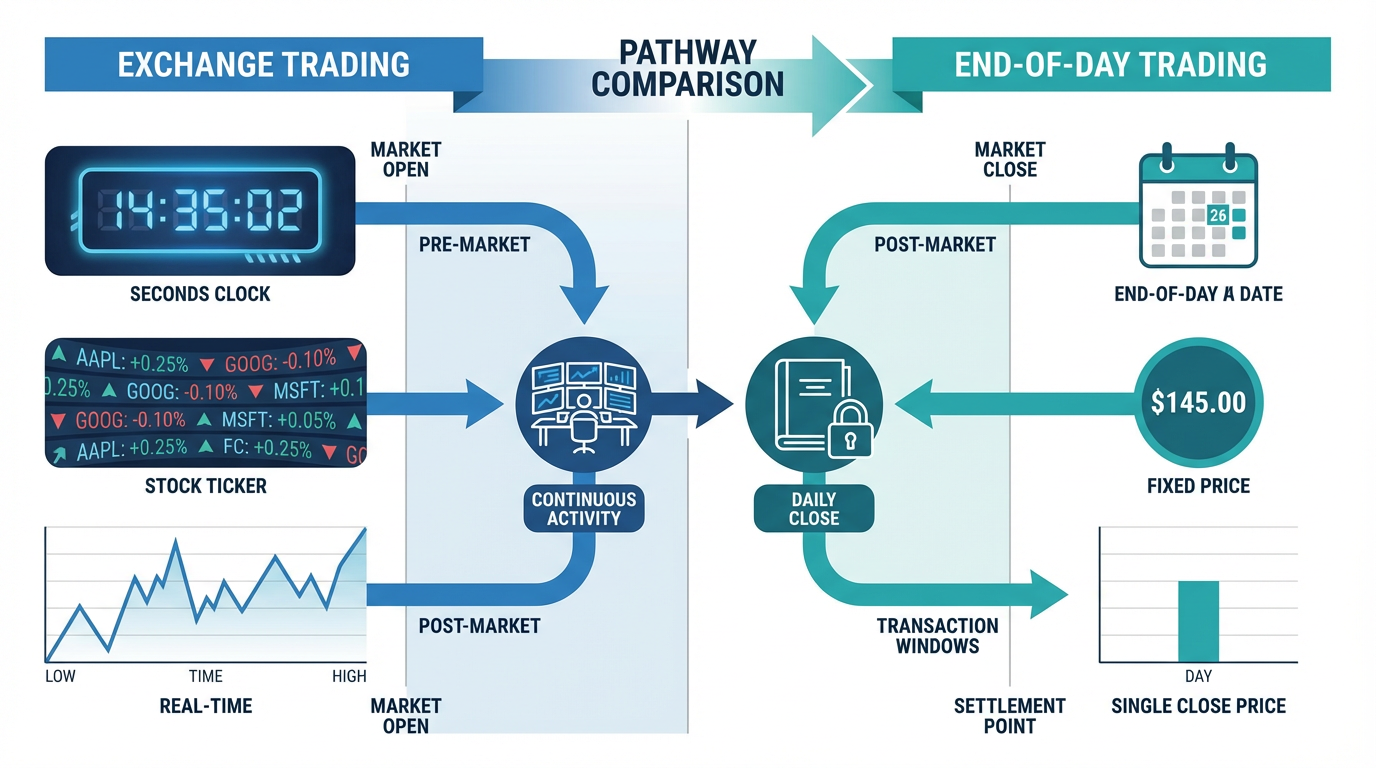
ETFs: You can buy and sell ETF shares at any time during market hours, with prices fluctuating based on supply, demand, and the underlying securities' performance. This intraday trading capability provides flexibility for investors who want to respond to market movements or execute specific trading strategies.
Index Funds: These trade only once per day at the net asset value (NAV) calculated after market close. When you place an order to buy or sell an index fund, your transaction executes at the end-of-day price, regardless of when you submitted the order during the day.
For active traders or those who value timing their entries and exits, ETFs offer clear advantages. However, for long-term, buy-and-hold investors, the once-daily pricing of index funds may be sufficient.
Investment Minimums
Index Funds: Traditional index funds often require minimum initial investments ranging from USD 1,000 to USD 3,000, which can be a barrier for newer investors.
ETFs: You can start investing with the price of a single share, often just a few dollars. This lower entry point makes ETFs more accessible to beginners or those starting with smaller amounts.
Tax Efficiency
Tax treatment is an important consideration when comparing long-term returns.
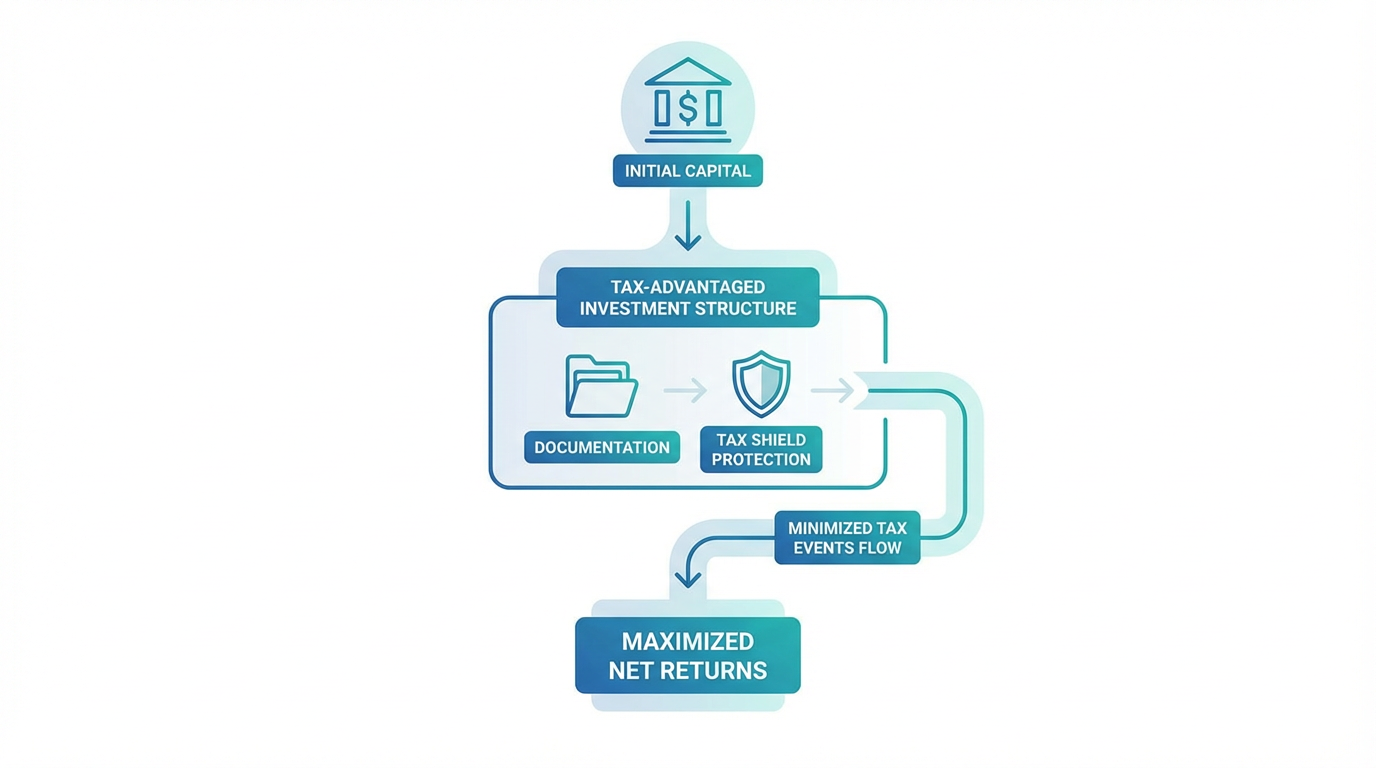
ETFs: These are generally more tax-efficient due to their unique creation and redemption process. When investors buy or sell ETF shares, they typically trade with other investors rather than forcing the fund to sell underlying securities. This "in-kind" transaction mechanism minimizes taxable events within the fund structure.
Index Funds: When investors redeem shares in an index fund, the fund manager may need to sell underlying securities to meet redemption requests. If these sales result in capital gains, those gains are distributed proportionally to all fund shareholders, potentially creating tax obligations even for investors who have not sold their shares.
For Singapore investors, it is worth noting that Singapore does not impose capital gains tax on investments. However, dividend income may be subject to withholding taxes depending on the origin of the securities held within the fund. ETFs listed on SGX typically do not carry dividend withholding taxes for Singapore residents, making them attractive for income-focused portfolios.
Cost Structure
Both index funds and ETFs have low costs compared to actively managed funds. Expense ratios are typically below 0.20 percent annually, with ETFs slightly lower on average. ETFs may incur bid-ask spreads (the difference between buy and sell prices), while index funds avoid this cost but may charge transaction fees. Review total costs including expense ratios, trading commissions, and spreads when deciding.
Similarities Between Index Funds and ETFs
Despite their differences, index funds and ETFs share several important characteristics.
Passive Management
Both vehicles follow a passive strategy, replicating the holdings and weightings of their target index rather than actively selecting stocks. This approach results in lower management fees and returns that align with overall market performance.
Diversification
Whether you choose an index fund or an ETF, you gain instant diversification across multiple securities. For example, investing in an STI-tracking fund gives you exposure to 30 of Singapore's largest companies across various sectors, reducing the risk associated with holding individual stocks.
Long-Term Performance
Both passively managed index funds and ETFs typically outperform actively managed funds over long time horizons after accounting for fees.
Which Is Better for Singapore Investors?
The choice between index funds and ETFs depends on your individual circumstances, investment approach, and preferences.
ETFs Typically Suit Investors Who Value:
Trading Flexibility: If you want the ability to buy and sell throughout the trading day or implement specific timing strategies, ETFs provide that capability.
Lower Entry Costs: With no minimum investment beyond the price of a single share, ETFs are accessible to investors starting with smaller amounts.
Tax Efficiency: While Singapore does not tax capital gains, the superior tax structure of ETFs can still benefit investors through reduced internal trading and distributions.
Transparency: ETFs disclose their holdings daily, allowing you to see exactly what you own at any given time.
Index Funds Typically Suit Investors Who Prefer:
Simplicity: If you prefer a set-it-and-forget-it approach without worrying about intraday price movements or market timing, index funds offer straightforward investing.
Automatic Investments: Many index fund providers allow you to set up automatic recurring investments, making it easier to implement dollar-cost averaging strategies.
No Trading Costs: Since you are not trading on an exchange, you avoid bid-ask spreads entirely.
Considerations for Singapore Investors
When choosing between index funds and ETFs, Singapore-based investors should consider several local factors:
Currency Exposure: Many ETFs listed on SGX are denominated in SGD, helping you avoid foreign exchange conversion costs. If you are investing in US-listed ETFs, be mindful of currency fluctuations between SGD and USD.
Central Provident Fund (CPF) Eligibility: Certain ETFs are approved for CPF Investment Scheme (CPFIS), allowing you to use your CPF Ordinary Account savings to invest. Check the CPF-approved investment list to see which ETFs qualify.
Platform Accessibility: Consider which investment vehicles are available through your chosen brokerage platform. Longbridge offers comprehensive access to ETFs across multiple markets, enabling you to build diversified portfolios tailored to your investment goals. You can explore available investment products and market data through the Longbridge platform.
How to Get Started
When selecting funds or ETFs, consider expense ratios, tracking error (how closely the fund follows its target index), liquidity, and whether the index aligns with your investment goals. Longbridge provides access to a wide range of ETFs across multiple markets with advanced tools and educational resources through the Longbridge Academy.
Frequently Asked Questions
What is the main difference between index funds and ETFs?
The primary difference is trading flexibility. ETFs trade throughout the day on stock exchanges like individual stocks, while index funds trade once daily at the end-of-day net asset value. This makes ETFs more suitable for investors who value intraday trading capability.
Are ETFs or index funds better for beginners?
Both are suitable for beginners due to their simplicity and built-in diversification. ETFs may have an edge for those starting with smaller amounts since they do not require minimum investments beyond the share price. Index funds can be better for investors who prefer automatic recurring investments.
Which has lower fees: index funds or ETFs?
Both typically have very low fees compared to actively managed funds. ETFs tend to have slightly lower expense ratios on average, but index funds do not have bid-ask spreads. The total cost depends on your specific investment choices and trading frequency.
Can I invest in both index funds and ETFs?
Absolutely. Many investors hold both types in their portfolios. You might use ETFs for core holdings and specific sector exposures while using index funds for automatic monthly contributions. Combining both can provide flexibility and simplicity.
How are ETFs taxed in Singapore?
Singapore does not impose capital gains tax, so profits from selling ETFs are not taxed. However, dividends from foreign securities may be subject to withholding taxes depending on the source country. SGX-listed ETFs typically do not carry dividend withholding taxes for Singapore residents.
Do index funds or ETFs perform better?
Performance depends on the underlying index being tracked rather than the investment vehicle itself. An STI index fund and an STI ETF should deliver nearly identical returns before fees, assuming both accurately track the index. Focus on costs and tracking accuracy rather than the vehicle type.
Conclusion
Both index funds and ETFs offer Singapore investors effective ways to build diversified, low-cost portfolios. ETFs generally provide greater trading flexibility, lower entry barriers, and superior tax efficiency, making them the preferred choice for many modern investors. Index funds remain viable for those who value simplicity and automated investing.
Your choice should reflect your investment approach, whether you prioritize intraday trading capability or prefer a hands-off, long-term strategy. Both options can play important roles in a well-structured portfolio.
The choice of financial instruments depends on your investment objectives, risk tolerance, market outlook, and experience level. Regardless of the method selected, it is essential to fully understand its mechanics, risk characteristics, and execution rules, while maintaining a robust risk management plan. You can learn more about investment strategies through the Longbridge Academy or by downloading the Longbridge App.