The Complete Guide to Listing on HKEX: A Detailed Breakdown of Main Board and GEM Listing Requirements
Planning to list on HKEX? This practical guide details the Main Board and GEM financial tests, public float requirements, and the seven-step listing process for companies preparing to go public.
TL;DR: Hong Kong Exchanges and Clearing Limited (HKEX) operates two listing markets: the Main Board and the Growth Enterprise Market (GEM). Main Board applicants must satisfy one of three tests—the Profit Test, the Market Capitalization/Revenue Test, or the Market Capitalization/Revenue/Cash Flow Test. GEM has a lower threshold, with its key requirement being aggregate operating cash flow of HKD 30 million over two years. The listing process typically takes six to nine months, and issuers must comply with corporate governance and ongoing disclosure obligations.
Hong Kong is one of the world’s major international financial centers, and Hong Kong Exchanges and Clearing Limited (HKEX) is a core gateway for companies seeking access to international capital markets. Whether mainland Chinese enterprises “go south” to raise funds or overseas companies seek Asian capital, HKEX has long attracted a wide range of issuers thanks to its unique position connecting China with global markets.
However, listing in Hong Kong is by no means easy. Companies must meet a series of stringent financial and governance requirements. In plain language, this article breaks down the key conditions for listing on HKEX, the application process, and the ongoing obligations after listing, helping you build a foundational understanding of Hong Kong’s capital markets.
The Two Listing Markets of HKEX
HKEX has two equity listing markets, each designed for companies at different stages of development and of different sizes.
Main Board
The Main Board is Hong Kong’s larger market with more stringent requirements, primarily serving companies with mature operations and stable financial track records. Issuers include conglomerates, banks, property developers, internet companies, and healthcare service providers. The Main Board imposes higher financial and performance requirements, and applicants generally need at least three full financial years of track record.
Growth Enterprise Market (GEM)
The Growth Enterprise Market (GEM) is designed for smaller companies or those in a growth stage, with relatively lower listing thresholds. It is suitable for small and medium-sized enterprises that have not yet met the Main Board’s financial requirements. That said, it is important to note that GEM’s ongoing obligations after listing are broadly similar to those of the Main Board: issuers must still comply with information disclosure and corporate governance requirements.
Main Board Listing Financial Tests: Choose One of Three Pathways
The Main Board’s financial requirements are the core of the entire application process. Applicants must have at least three financial years of track record and satisfy one of the following three tests.

Test 1: Profit Test
This is the more common listing route and is suitable for traditional industries with stable profit records. Under HKEX rules:
Net profit attributable to shareholders for the most recent financial year must be no less than HKD 35 million
Aggregate net profit for the preceding two financial years must be no less than HKD 45 million (i.e., at least HKD 80 million in total over three years)
Market capitalization at listing must be no less than HKD 500 million
Test 2: Market Capitalization/Revenue Test
This test is suitable for companies with substantial revenue scale but profits that are not yet stable, such as high-growth technology companies:
Revenue for the most recent audited financial year must be no less than HKD 500 million
Market capitalization at listing must be no less than HKD 4 billion
Test 3: Market Capitalization/Revenue/Cash Flow Test
This test is suitable for companies with meaningful cash flow but relatively smaller market capitalization:
Revenue for the most recent audited financial year must be no less than HKD 500 million
Market capitalization at listing must be no less than HKD 2 billion
Aggregate cash flow from operating activities over the past three financial years must be no less than HKD 100 million
Reminder: You only need to meet one of the three tests to apply for a Main Board listing. Companies can choose the most suitable pathway based on their financial profile.
GEM Listing Financial Requirements
Compared with the Main Board, GEM has a significantly lower entry threshold and is mainly suitable for small and medium-sized or growth-stage enterprises. Applicants must meet the following requirements:
Track record period: At least two full financial years
Cash flow test: Aggregate cash flow from operating activities of no less than HKD 30 million for the two financial years preceding listing
Minimum market capitalization: No less than HKD 150 million at listing
In addition, GEM applicants must maintain at least 25% public float, and the number of public shareholders must not be fewer than 100.
Public Float: Latest Revisions for 2026
Public float is an important indicator for both listing approval and ongoing compliance. Under the latest revisions announced by HKEX in December 2025 and effective from 1 January 2026:
In general, listed issuers must maintain at least 25% public float; if market capitalization at listing exceeds HKD 10 billion, the minimum requirement may be reduced to 15%
If an issuer has both A shares and H shares (an A+H share structure), the public float of H shares must represent at least 5% of the issued shares of that class, or meet a minimum market capitalization threshold of HKD 1 billion
If an issuer fails to restore the minimum public float within 18 months (12 months for GEM issuers), the Stock Exchange may initiate procedures to cancel the listing status
These revisions reflect regulators’ continued focus on market liquidity, and companies should pay particular attention to these requirements when designing their ownership structures.
Special Listing Categories: Pathways Designed for Different Industries
HKEX provides differentiated listing arrangements for specific industries to attract a more diverse range of companies to list in Hong Kong.
Biotech Companies (Chapter 18A)
Pre-revenue biotech companies may apply for listing under Chapter 18A without meeting profit or revenue tests, provided that they satisfy the following requirements:
At least one core product has passed the concept stage (e.g., completion of Phase I clinical trials)
Market capitalization at listing of no less than HKD 1.5 billion
A management team with relevant qualifications and experience
Specialist Technology Companies (Chapter 18C)
Chapter 18C was introduced in recent years and specifically targets specialist technology sectors such as artificial intelligence, advanced hardware, advanced manufacturing, and life sciences. It provides an alternative listing pathway for technology companies that are not yet commercialized or have limited commercialization.
Weighted Voting Rights (WVR) Structures
Founders and management may retain greater voting control through a Weighted Voting Rights (WVR) structure. This is applicable to innovative technology companies that meet specific market capitalization and revenue requirements.
Seven Key Steps in the HKEX Listing Application Process
After understanding the financial requirements, companies must also be familiar with the overall listing application process. According to HKEX’s official guidance, the process generally comprises the following seven stages, and a smooth process typically takes six to nine months.
Appoint a Sponsor: The company must appoint a licensed sponsor, who must notify HKEX within five business days
Preparation Stage: Professional teams conduct due diligence and draft the prospectus
Submit the Application: Submit the listing application (Form A1) and the prospectus to the Listing Division
Departmental Review: The Listing Division generally provides initial comments within 15 business days of receiving the application. For details, refer to HKEX’s official guidance
Listing Committee Hearing: The Listing Committee assesses whether the company meets the listing requirements
Marketing and Roadshows: Market to institutional investors and conduct a public offering
Commence Trading: After pricing, the shares are formally listed and begin trading on the Exchange
You can stay up to date with market developments via the latest Hong Kong stock market news.
Post-Listing Ongoing Obligations: Corporate Governance Requirements
A successful listing is only the beginning. Listed companies must continue to comply with obligations under HKEX rules and the Securities and Futures Ordinance (SFO).
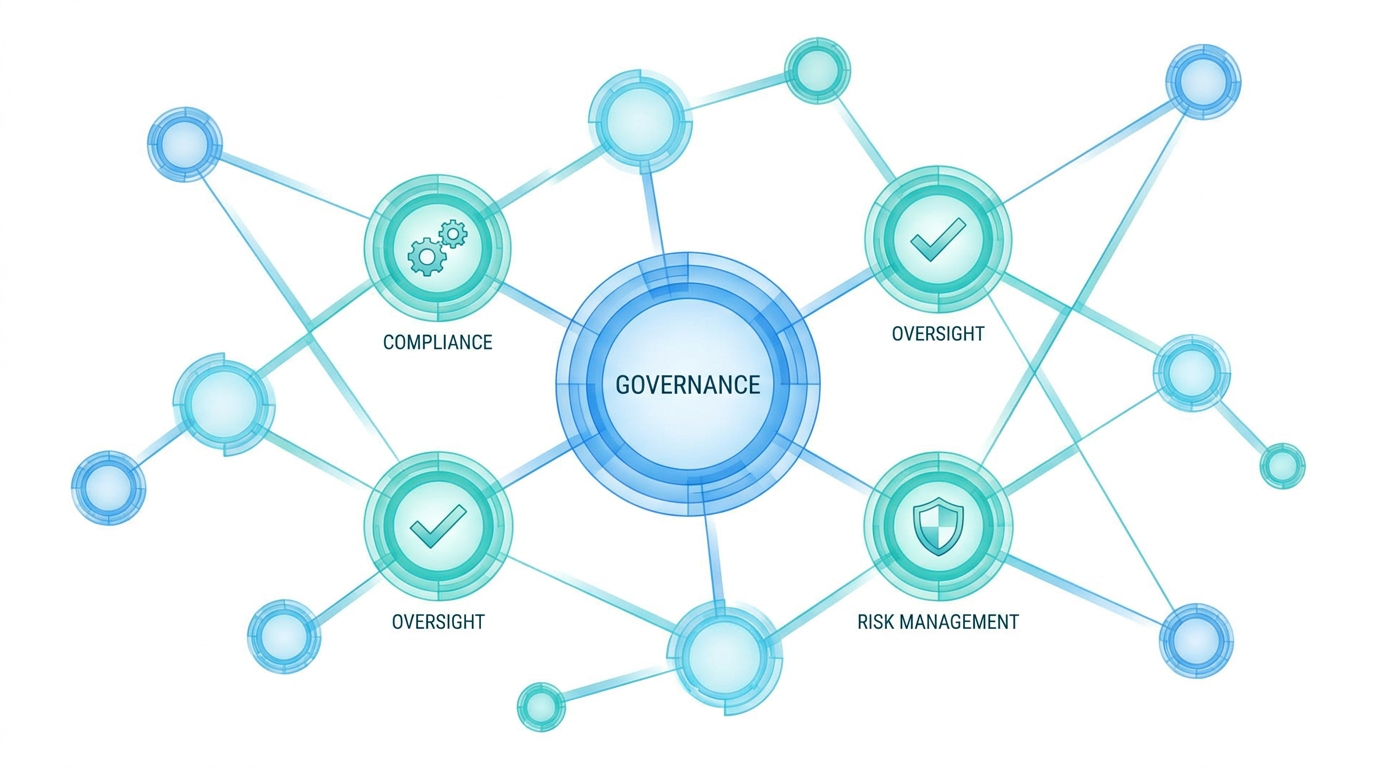
Board Composition
Independent Non-Executive Directors (INEDs) must account for at least one-third of the board
The board must include at least one director whose gender is different from that of the other directors
The term of any INED must not exceed nine years; after that, reappointment is only permitted following a three-year cooling-off period
An INED may hold the same position in no more than six Hong Kong-listed companies concurrently
Three Mandatory Committees
All listed companies must establish the following three committees, each with clearly defined composition and functions:
Audit Committee: Oversees financial reporting and internal controls
Remuneration Committee: Reviews remuneration policies for directors and senior management
Nomination Committee: Handles director appointments and succession planning
Director Training and Performance Evaluation
All newly appointed directors must complete 12 to 24 hours of training within a specified timeframe, covering environmental, social and governance (ESG), regulatory updates, and risk management. In addition, the board must conduct a performance evaluation at least once every two years and disclose the skills matrix and improvement plans.
Why List on HKEX
A Bridge Between China and the World: The Shanghai–Shenzhen–Hong Kong Stock Connect programs position Hong Kong as a meeting point for mainland and international capital, allowing listed companies to attract both onshore and offshore investors
A Diversified Investor Base: Hong Kong has a mature base of institutional and retail investors, which helps enhance share liquidity
A Transparent, Well-Regulated Listing Regime: Known for stringent disclosure requirements and corporate governance standards, helping build market credibility
Convenient Post-Listing Fundraising: After listing, companies can raise capital flexibly through placements, rights issues, and other methods
Readers interested in investing in Hong Kong equities can track market movements in real time via Longbridge Market Data.
Frequently Asked Questions
How long does it take to list on HKEX?
In general, from hiring a sponsor to officially commencing trading, the full process takes six to nine months. The actual timeline depends on factors such as company size, business complexity, and the efficiency of communication with regulators. If the company’s financial information is complete and its business structure is clear, the process can progress relatively smoothly.
Which is more suitable for SMEs: the Main Board or GEM?
Companies that are smaller in scale or whose profit track record does not yet meet Main Board requirements may consider GEM first. GEM’s minimum market capitalization threshold is HKD 150 million, and it requires only two financial years of track record—significantly lower than the Main Board. However, post-listing compliance costs on GEM are broadly similar to those on the Main Board, so companies should assess their long-term ability to meet these obligations in advance.
Can pre-revenue biotech companies list in Hong Kong?
Yes. Chapter 18A of the HKEX Listing Rules provides a special pathway for pre-revenue biotech companies. As long as they meet requirements such as a minimum market capitalization of HKD 1.5 billion, at least one core product having completed proof of concept, and a suitably qualified management team, they may apply. If you want to look for relevant listed companies as references, you can use the Hong Kong stock screener to filter by industry.
What is the minimum public float requirement for Hong Kong-listed companies?
Under the latest rules effective in January 2026, most listed companies must maintain at least 25% public float. If market capitalization at listing exceeds HKD 10 billion, the minimum requirement may be reduced to 15%. If an issuer fails to maintain the minimum public float, it must restore it within the specified timeframe; otherwise, it may face the risk of cancellation of listing status.
Can non-Hong Kong companies list on HKEX?
Yes. HKEX welcomes listing applications from companies incorporated in different jurisdictions, including mainland China, overseas markets, and companies that already have a primary listing on another exchange. The latter may apply for a “secondary listing” (Secondary Listing), which is typically subject to lighter regulation by HKEX and primarily follows the rules of the company’s primary listing venue.
Conclusion
Listing on HKEX is both a major milestone in a company’s capital journey and a strategic step toward accessing international capital markets. Whether a company pursues the Main Board’s Profit Test or market-capitalization-based tests, or seeks a suitable route via GEM or special listing categories (such as Chapter 18A for biotech companies), a clear understanding of the listing requirements is an essential part of IPO preparation.
With the new public float rules taking effect in 2026 and HKEX continuing to refine its listing regime, the relevant rules are still evolving. Companies preparing to list should closely monitor the latest regulatory developments. For retail investors, understanding the background information of listed companies also helps support more well-grounded investment decisions in the Hong Kong stock market.
The choice of tools depends on your investment objectives, risk tolerance, market views, and level of experience. Regardless of which investment tools you choose, you must fully understand how they work, their risk characteristics, and their trading rules, and establish a robust risk management plan. To further learn about the Hong Kong stock market and listed companies, you can visit Longbridge Academy or download the Longbridge App for more investment knowledge.