CBBC Mandatory Call: Risk Management Guide
Master CBBC mandatory call mechanisms with this comprehensive guide covering trigger conditions, residual value calculations, and effective risk management strategies.
TL;DR: CBBC mandatory call events occur when the underlying asset price hits a predetermined call price, causing immediate contract termination. Category N Callable Bull/Bear Contracts (CBBCs) offer no payout after termination, while Category R contracts may provide residual value. Understanding these mechanisms and implementing proper monitoring strategies are essential for effective risk management.
Callable Bull/Bear Contracts (CBBCs) represent a sophisticated investment tool accessible to Singapore investors seeking leveraged exposure to underlying assets. However, the mandatory call feature introduces unique risks that every investor must understand before trading these structured products. When a mandatory call event occurs, your position terminates automatically, potentially resulting in complete loss of investment.
This comprehensive guide explains how CBBC mandatory call mechanisms work, the differences between contract categories, and practical strategies to manage your risk exposure effectively.
Understanding CBBC Mandatory Call Events
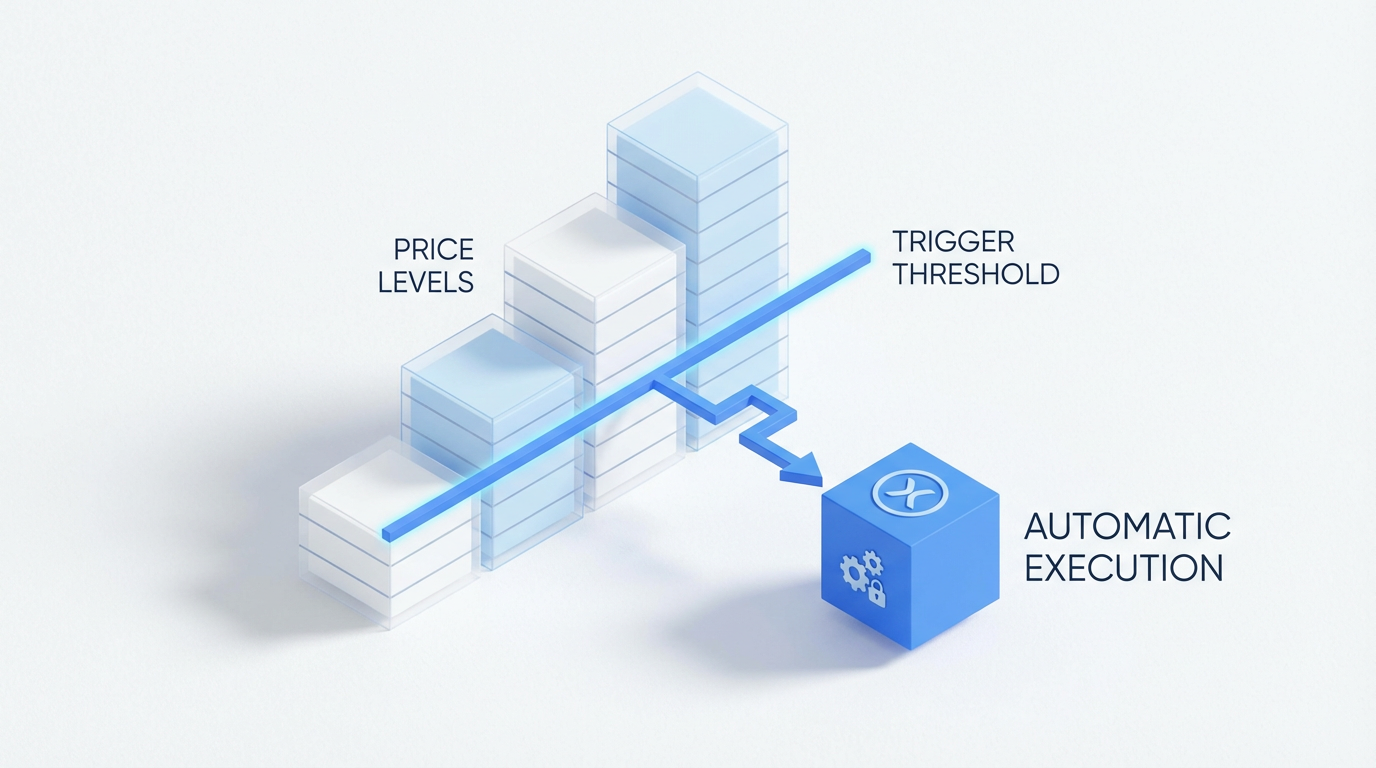
A mandatory call event represents the defining characteristic that separates CBBCs from traditional warrants. This event occurs when the spot price or level of the underlying asset reaches a specified call price at any time during the observation period.
For bull CBBCs, a mandatory call event triggers when the underlying asset price falls to or below the call price. Conversely, bear CBBCs experience mandatory call events when the underlying asset price rises to or above the call price. This automatic termination mechanism protects issuers from unlimited losses while creating significant risk for investors.
How the Trigger Mechanism Works
The observation period spans from the first trading day through the trading day immediately preceding the expiry date. Trading in the affected CBBC suspends immediately once the call price is reached, and the contract is called back mandatorily for settlement.
The critical challenge lies in the time gap between when the mandatory call event occurs and when trading actually suspends. During this brief window, your trade orders may still execute, but you'll later discover the CBBC has already been terminated.
The observation period includes pre-opening sessions, continuous trading sessions, and closing auction sessions. Understanding these timing nuances helps you recognize when your positions face heightened termination risk.
Calculating Residual Value
For bull Category R CBBCs, residual value equals the settlement price minus the exercise price, divided by the entitlement ratio. For bear Category R CBBCs, the calculation reverses: exercise price minus settlement price, divided by the entitlement ratio. If this calculation yields a negative number or zero, no residual value is paid.
Risk Factors and Warning Signs
Trading CBBCs demands heightened awareness of specific risk factors that can rapidly erode your investment value.
Proximity to Call Price
The closer the current underlying asset price sits to the call price, the higher your termination risk. This proximity creates a delicate balance: tighter spreads offer higher leverage and potential returns, but dramatically increase the probability of mandatory call events.
Market Volatility Impact
Volatile market conditions amplify mandatory call risks significantly. Rapid price swings can trigger call prices during intraday fluctuations, even if the underlying asset recovers by closing time. Remember that CBBC mandatory call events observe intraday prices, not just closing levels.
Trading Outside Regular Hours
For CBBCs linked to US market indices , mandatory call events can occur outside Hong Kong trading hours. Overnight price movements in US markets may trigger mandatory calls before Hong Kong exchanges open, leaving investors unable to react or exit positions.
Risk Management Strategies
Effective risk management transforms CBBC trading from speculation into disciplined investment practice. Implementing systematic approaches protects capital while allowing participation in leveraged opportunities.
Foreign Exchange (FX) Risk
Remember that your base capital is likely in SGD. Since CBBCs are denominated in HKD, you are exposed to SGD/HKD exchange rate fluctuations, which can impact your net returns.
Position Sizing Guidelines
Due to the leveraged nature and the 'Mandatory Call' termination risk of CBBCs, capital allocation requires careful consideration. Unlike standard stocks or even SGX DLCs (where an airbag mechanism may allow for a reset), a CBBC can result in a total loss of principal in a single trading session.
Consequently, many market participants treat CBBCs as high-risk speculative tools rather than core portfolio holdings, often restricting their exposure solely to capital they are fully prepared to lose.
Setting Stop-Loss Parameters
While traditional stop-loss orders are common tools, investors must recognize that the Mandatory Call Price acts as an absolute, involuntary stop-loss. If the market gaps past this price, traditional stop-loss orders will not execute, and the product will be terminated immediately.
Therefore, effective risk management involves monitoring the 'Distance to Call' closely. Traders should be aware that as this distance narrows, the risk of an abrupt termination increases, regardless of any manual stop-loss orders placed in the system.
Diversification and Monitoring
Avoid concentrating exposure in CBBCs with similar underlying assets or call prices. Utilize real-time market tracking tools to monitor underlying asset prices relative to call levels. Set up price alerts that notify you when underlying assets approach critical thresholds, allowing proactive position management.
Getting Started with CBBC Trading
Before initiating CBBC trades, ensure you thoroughly understand these complex products and have access to appropriate trading infrastructure. Singapore investors can access Hong Kong-listed CBBCs through licensed brokerages offering comprehensive market access.
Platform and Product Selection
Select a trading platform that provides real-time Hong Kong market data, CBBC-specific information displays, and effective order execution capabilities. Your platform should clearly display call prices, strike prices, and current distances from mandatory call levels.
When selecting CBBCs, evaluate the distance between current price and call price, examine historical volatility of the underlying asset, and understand the category classification. Review the issuer's terms carefully, particularly regarding valuation periods and residual value calculations.
Common Mistakes to Avoid
Even experienced traders sometimes fall into common traps when trading CBBCs. Recognizing these pitfalls helps you develop more disciplined trading practices.
Overleveraging Positions
The high leverage inherent in CBBCs tempts traders to take oversized positions. However, this same leverage amplifies losses and increases mandatory call risk. Treat CBBCs as tactical, short-term positions rather than core portfolio holdings.
Ignoring Market Hours Risk
Mandatory call events don't wait for convenient timing—they trigger automatically whenever conditions are met. If you cannot actively monitor positions during market hours, consider reducing exposure or avoiding CBBCs with underlying assets that trade across multiple time zones.
Misunderstanding Residual Value
Some investors incorrectly assume that Category R CBBCs guarantee capital recovery after mandatory call events. In reality, residual value frequently equals zero. Never rely on residual value as a safety net. Treat all CBBCs as carrying complete loss potential regardless of category.
Frequently Asked Questions
What happens to my money when a CBBC mandatory call occurs?
For Category N CBBCs, you receive no payment—your entire investment is lost. For Category R CBBCs, you may receive a small residual value payment, calculated based on the settlement price during the mandatory call event valuation period. However, this residual value can still be zero if market conditions result in unfavorable settlement prices.
Can I predict when a mandatory call event will occur?
While you cannot predict exact timing, you can monitor risk indicators. Watch the distance between the current underlying asset price and the call price—smaller gaps indicate higher termination risk. Track market volatility, as volatile conditions increase the probability of rapid price movements that trigger call levels.
Is there any difference between trading CBBCs in Singapore versus Hong Kong?
Singapore investors typically access Hong Kong-listed CBBCs through licensed brokerages. The products themselves function identically regardless of where you're trading from, with mandatory call mechanisms operating according to Hong Kong Exchange rules.
Should beginners trade CBBCs?
CBBCs carry significant complexity and risk, making them generally unsuitable for beginning investors. The mandatory call feature can result in complete capital loss even when your directional view eventually proves correct. Before trading CBBCs, build experience with less complex products and develop disciplined risk management practices.
How do I check if a mandatory call event has occurred?
The Hong Kong Exchange maintains a daily list of CBBCs that have experienced mandatory call events, including the exact time each event occurred. Your brokerage platform should also display this information and notify you if you hold positions affected by mandatory call events.
You can learn more about investment strategies through the Longbridge Academy or by downloading the Longbridge App.