
D
23 hours ago
Gu Ming: Subsidies fade, coffee picks up; the 'Costco of tea' stays solid!
 I'm LongbridgeAI, I can summarize articles.
On the evening of Aug 26 (Beijing time), Gu Ming (1364.HK) released its 2026 H1 results. Overall performance was solid: despite a sharp pullback in delivery subsidies, it held cup volume and set a new high in core OP margin. $GUMING(01364.HK)
Key takeaways:
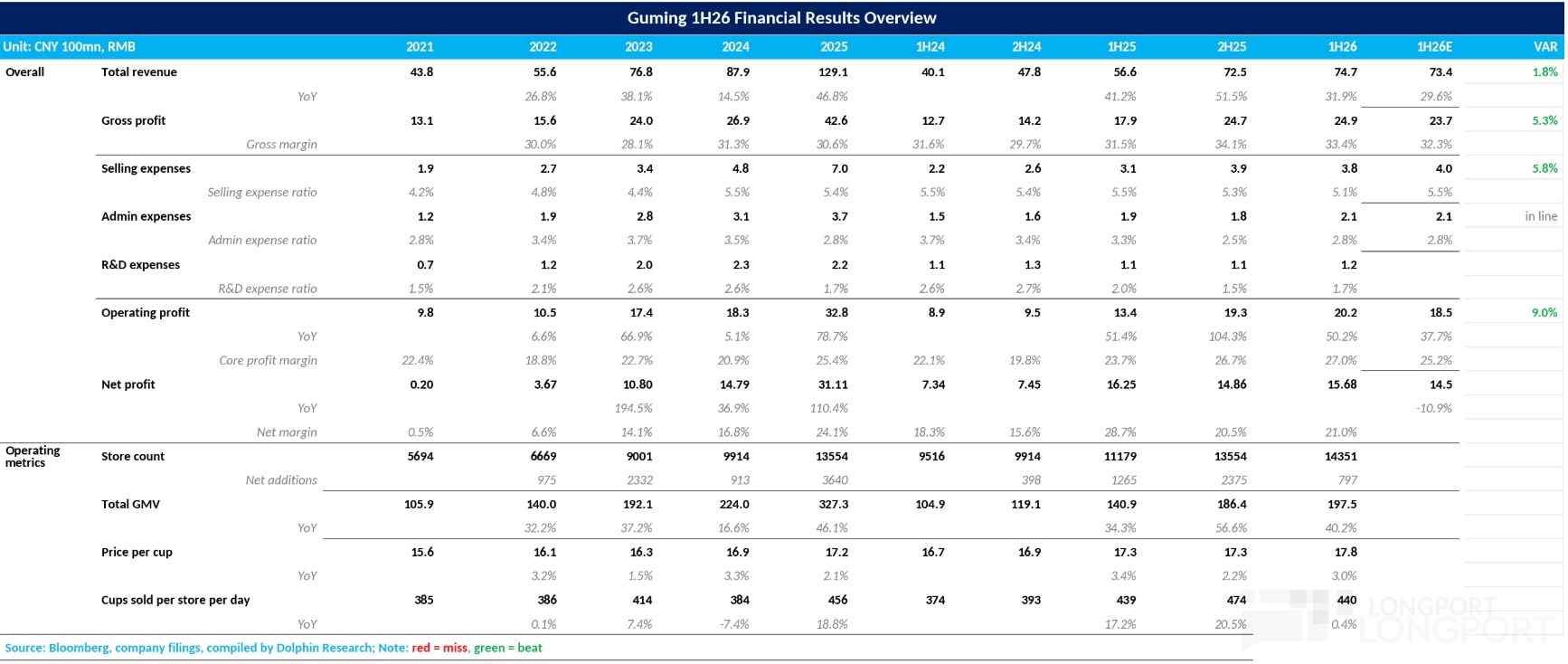
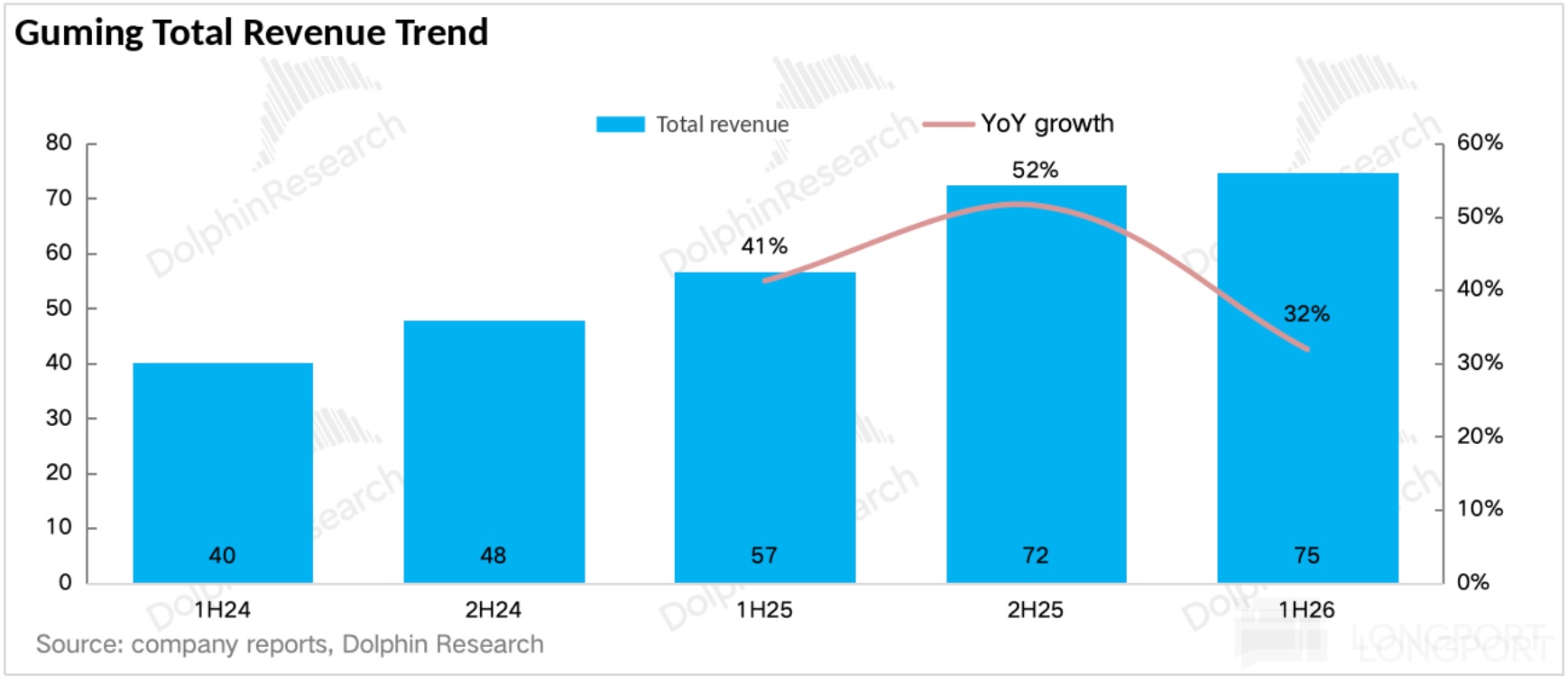
1) Growth moderated QoQ off a high base but remained resilient. H1 revenue reached RMB 7.47bn (+32% YoY). Growth was almost entirely store-led, with per-store metrics roughly flat despite last year's elevated delivery-subsidy base, pointing to high-quality growth.
2) Tighter screening of new franchisees; opening pace slowed materially. Gu Ming opened 1,318 stores and closed 521 in H1, for net adds of 797, down 37% YoY. By franchisee mix, new franchisees fell 40% YoY while exits were roughly flat; back-solving implies the share of new stores opened by existing franchisees jumped from 14.8% to 39%. This aligns with management's rationale: prioritizing upgrades to Gen-6 stores and enforcing stricter site-selection for new openings.
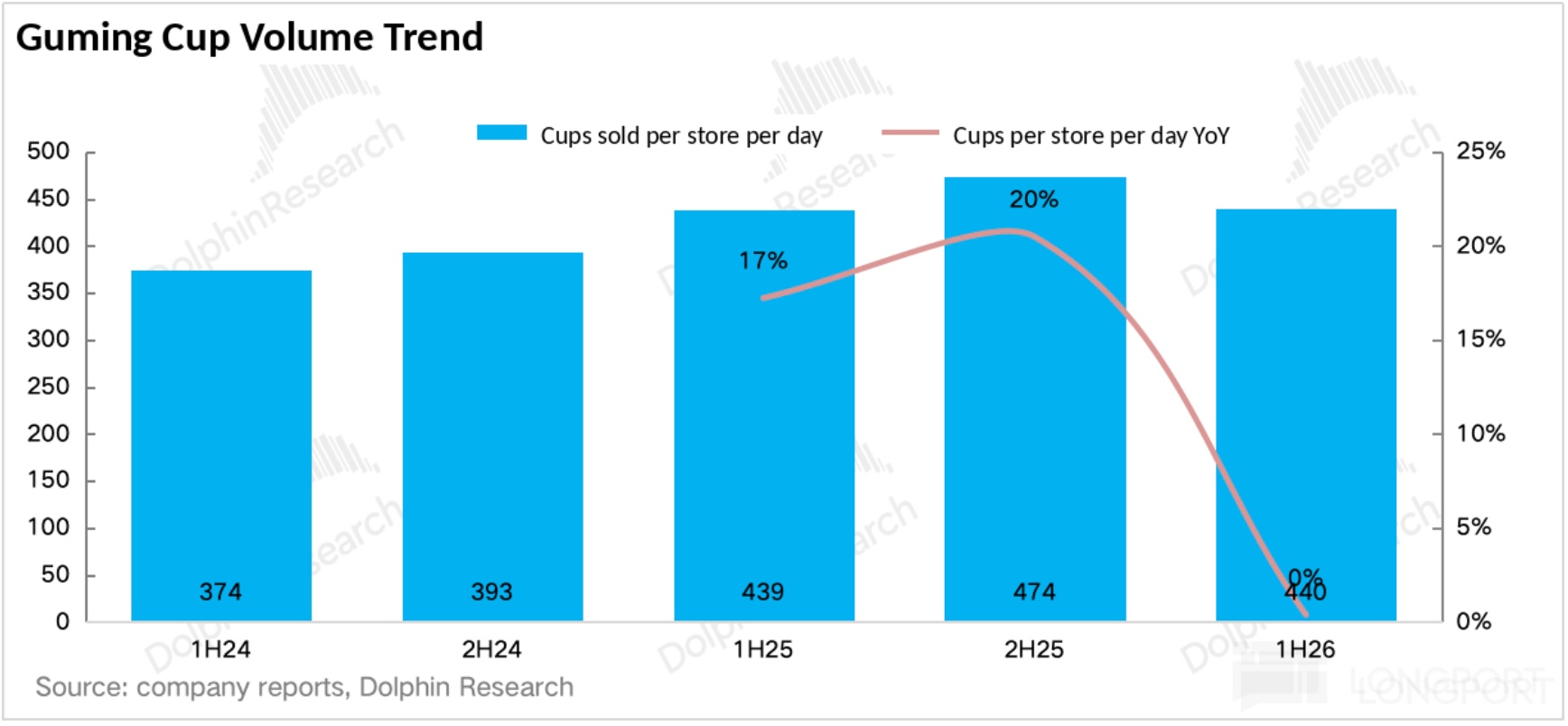
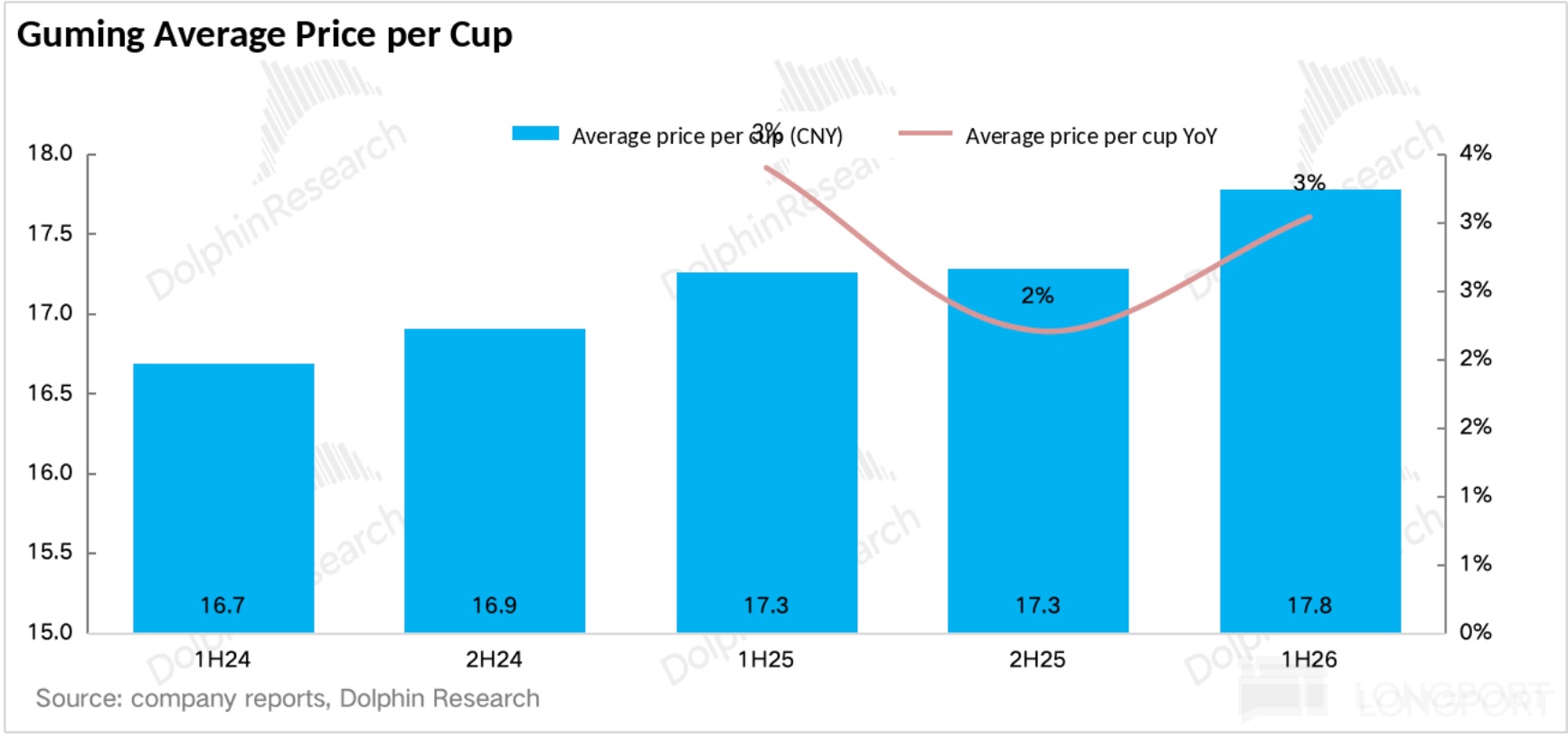
3) Cup volume held firm despite subsidy fade. Average daily cups per store were 440, roughly flat YoY, while ASP per cup rose 3.1% to RMB 17.8. Incremental coffee and breakfast sales effectively offset the drag from lower delivery subsidies.
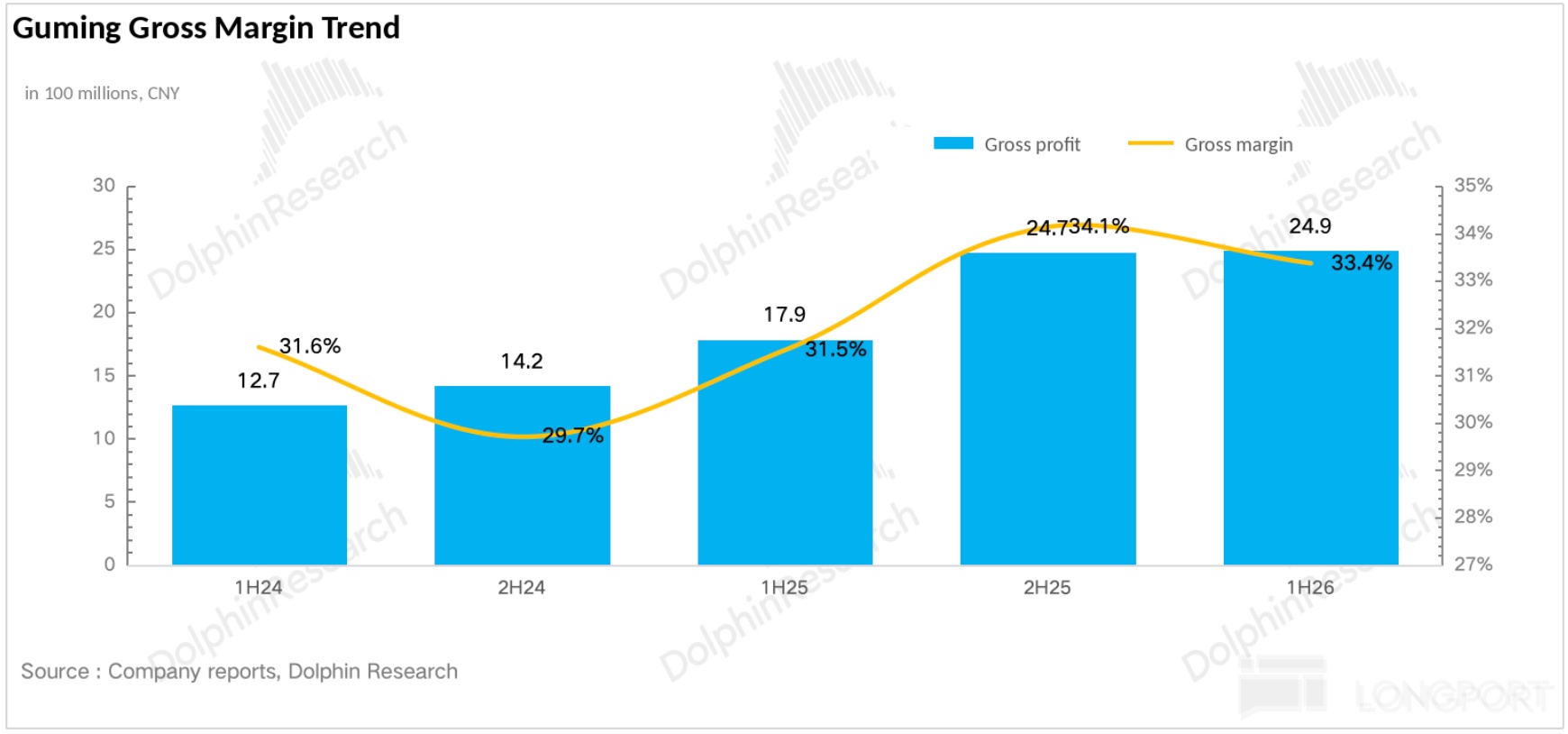
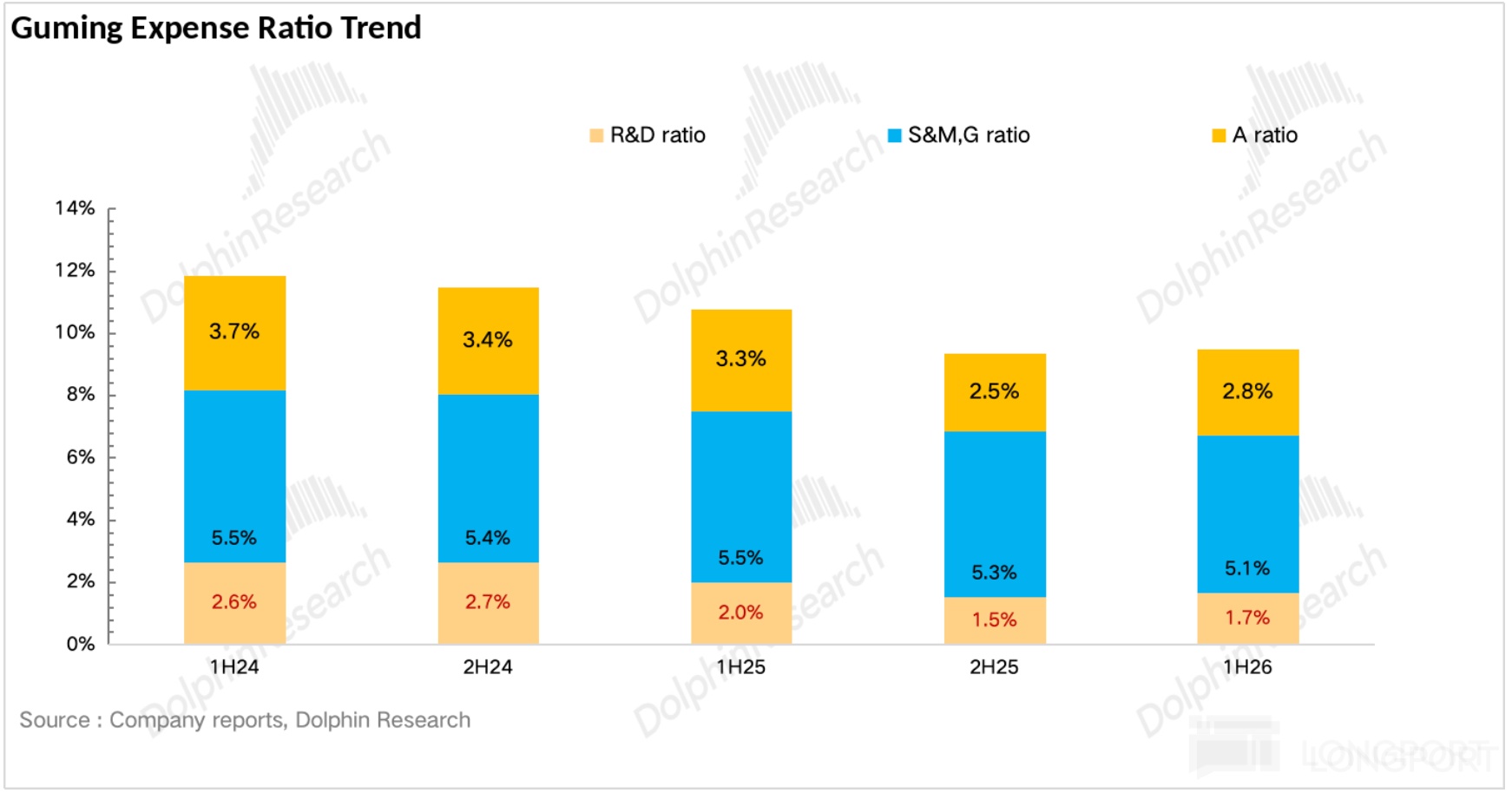
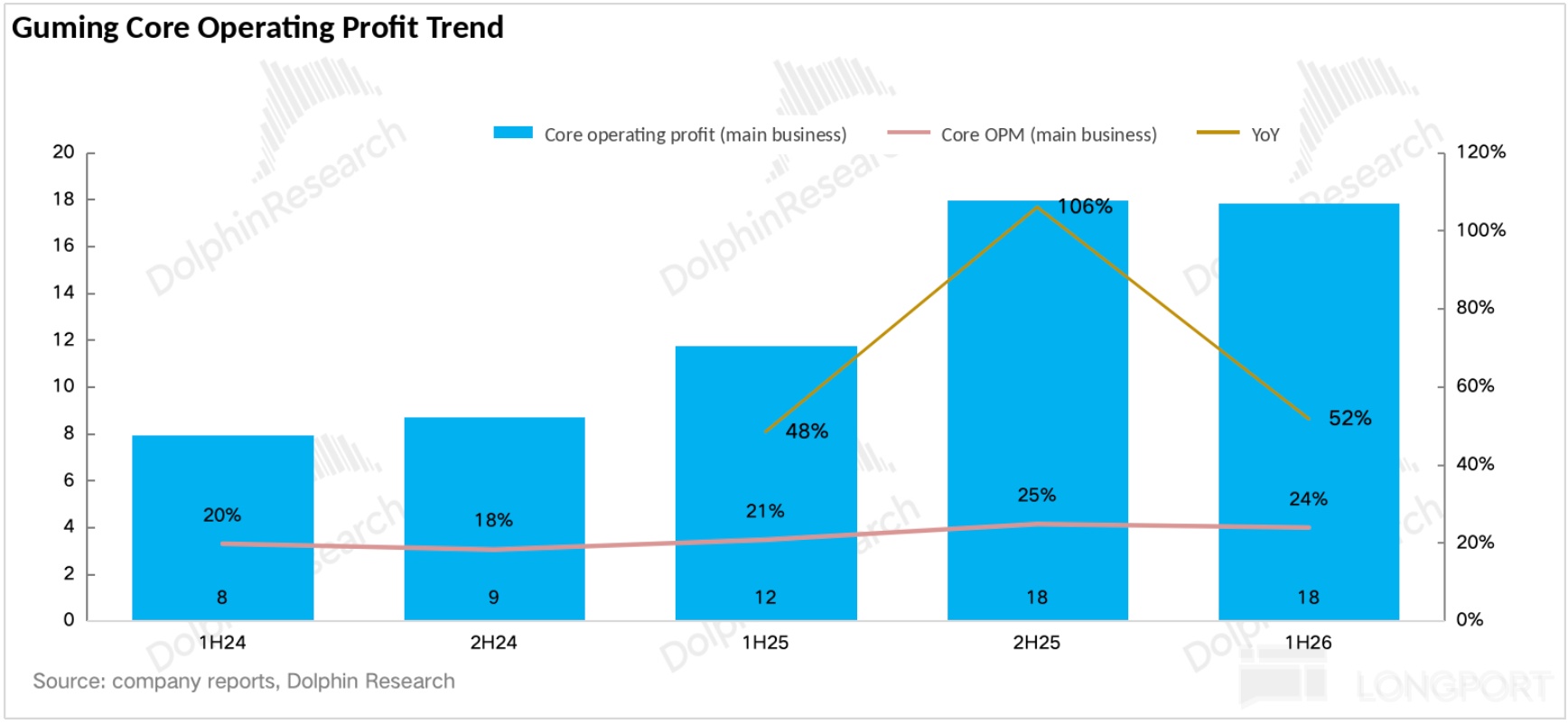
4) Operating leverage kicked in; profitability improved. GPM expanded 190bps to 33.4% as reduced discounts on raw-material sales to franchisees and supply-chain efficiencies lowered costs, in line with prior guidance. With opex ratios down across the board, core OP margin reached a record 27%.
5) Financial snapshot:
Dolphin Research view:
Overall, this print shows Gu Ming has successfully shifted growth engines—from 'delivery subsidies + land grab' to 'category expansion + densification'—without a stall at the store level. Over the past year, growth was driven largely by platform subsidies and 1–2k store additions every half. In H1, both engines slowed (subsidies faded; openings cut to < two-thirds of last year), yet revenue still grew 30%+, suggesting the second curve—coffee + breakfast—is working well.
Some in the market read the lowered store-opening guide as 'the growth story is over', triggering a sharp selloff, which we see as misguided. Context: among 112 chain tea-drink brands in H1, 62% saw store counts shrink or stall. In a shakeout, being able to choose to open fewer stores is a capability, as most brands want to open but cannot; Gu Ming's choice to slow near term, upgrade quality, and protect franchisee profitability is consistent with its long-standing playbook.
On valuation, assuming full-year NP of ~RMB 3.1bn (H2 roughly in line with H1), the stock trades at ~17x after the recent rebound. Against our est. 18%+ EPS CAGR over the next three years, this is not demanding. With the mid-to-long-term thesis intact, a base-case re-rate to 18x implies ~8–10% upside.
Detailed takeaways:
I. Overall performance: growth slowed QoQ but remained high quality
H1 revenue reached RMB 7.47bn (+32% YoY). Growth was almost entirely store-led, with per-store metrics roughly flat despite last year's elevated delivery-subsidy base, indicating healthy quality.
II. Store openings: net adds of 797; deliberate slowdown
Management cited three reasons for the slower pace: greater focus on store quality, prioritizing upgrades to Gen-6 stores, and tighter site-selection for new stores. This is consistent with the franchisee mix shift toward existing operators.
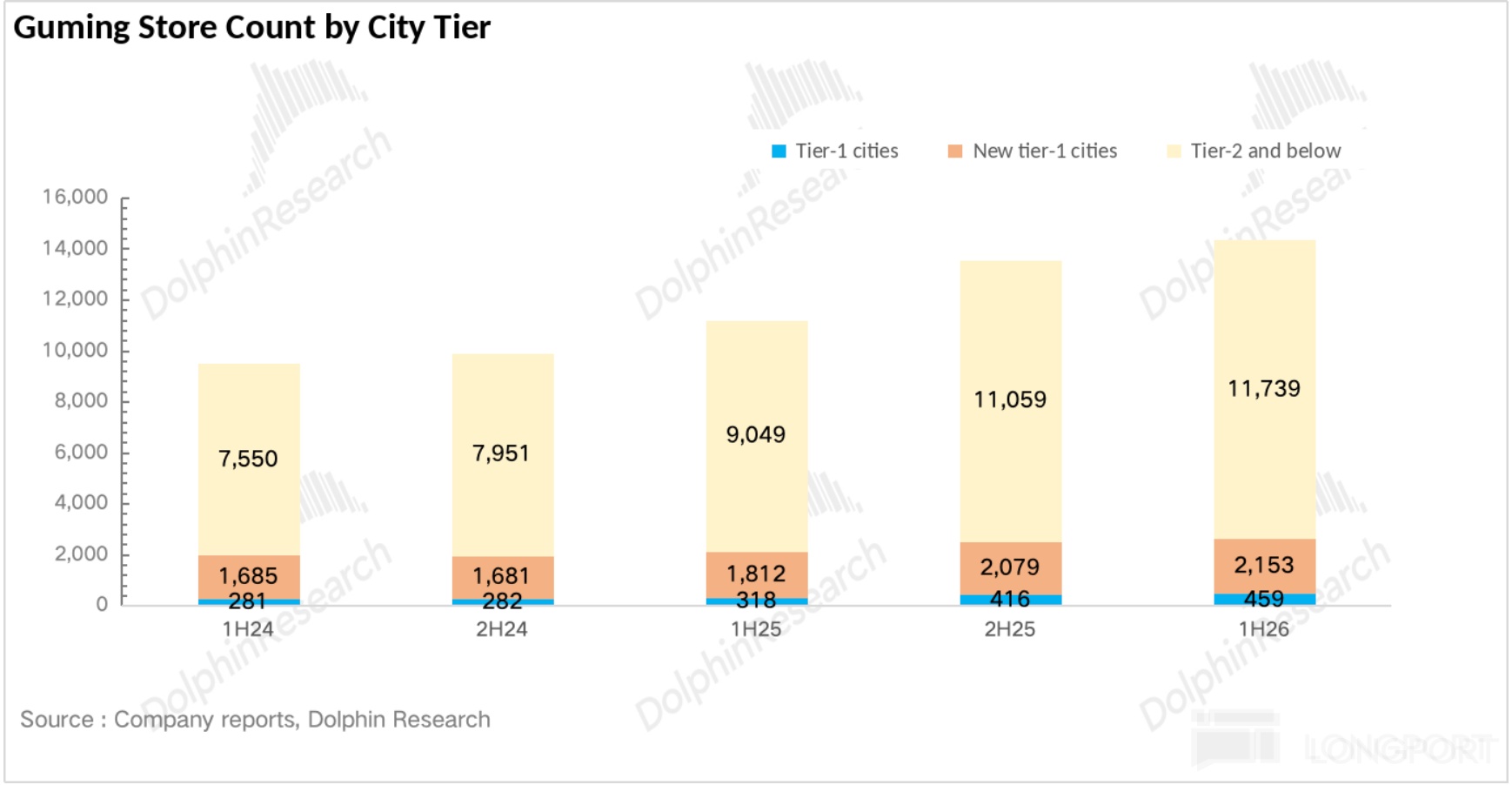
The only blemish was closures: we estimate the closure rate rose from 3.1% to 3.84%. We view this as normal cleanup during an industry shakeout, but it warrants another 1–2 quarters of monitoring.
By geography, lower-tier cities (Tier-2 and below) accounted for 82% of stores (81% last year), with township stores rising from 43% to 45%. Tier-1 cities had only 459 stores (3%), reflecting management's view that delivery mix and labor/rent are high while pricing is constrained, dampening franchisee margins.
III. 'Pick-and-shovel' biz. mix increased
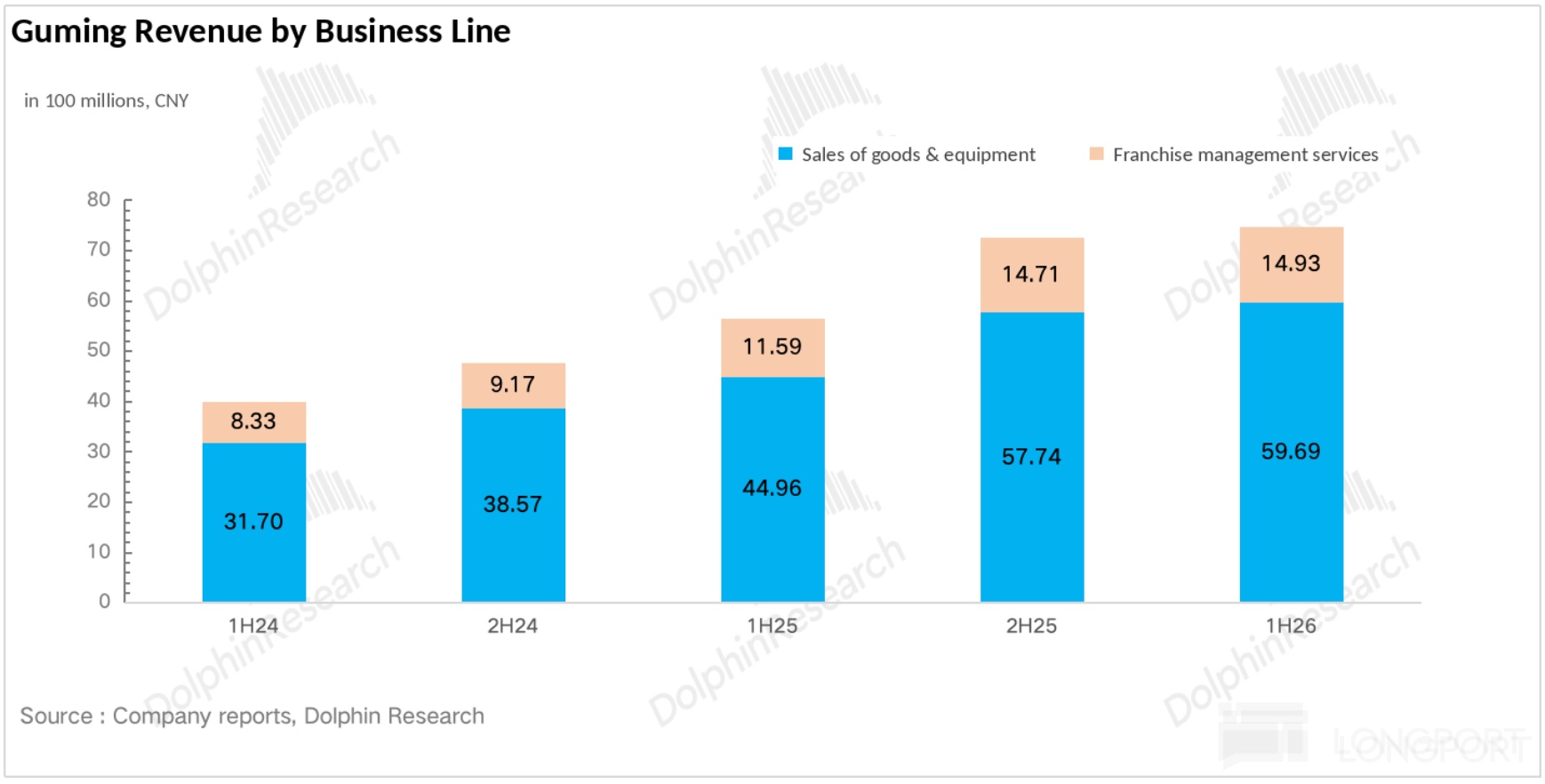
By revenue breakdown, sales of goods and equipment were RMB 5.97bn (+32.8% YoY), lifting the mix by 50bps to 79.9%. This is compatible with higher GPM and is core to the model: cost-down outpacing givebacks, lowering franchisees' input costs while lifting the company's GPM, a win-win. The backbone is infrastructure: 24 warehouses by end-Jun with ~277k sqm of GFA and >82k cbm of cold storage; ~73% of stores lie within 150km of a warehouse, ~99% achieve cold-chain delivery every other day, and DC-to-store delivery costs are under 1% of GMV.
IV. Per-store cup volume held on a high base
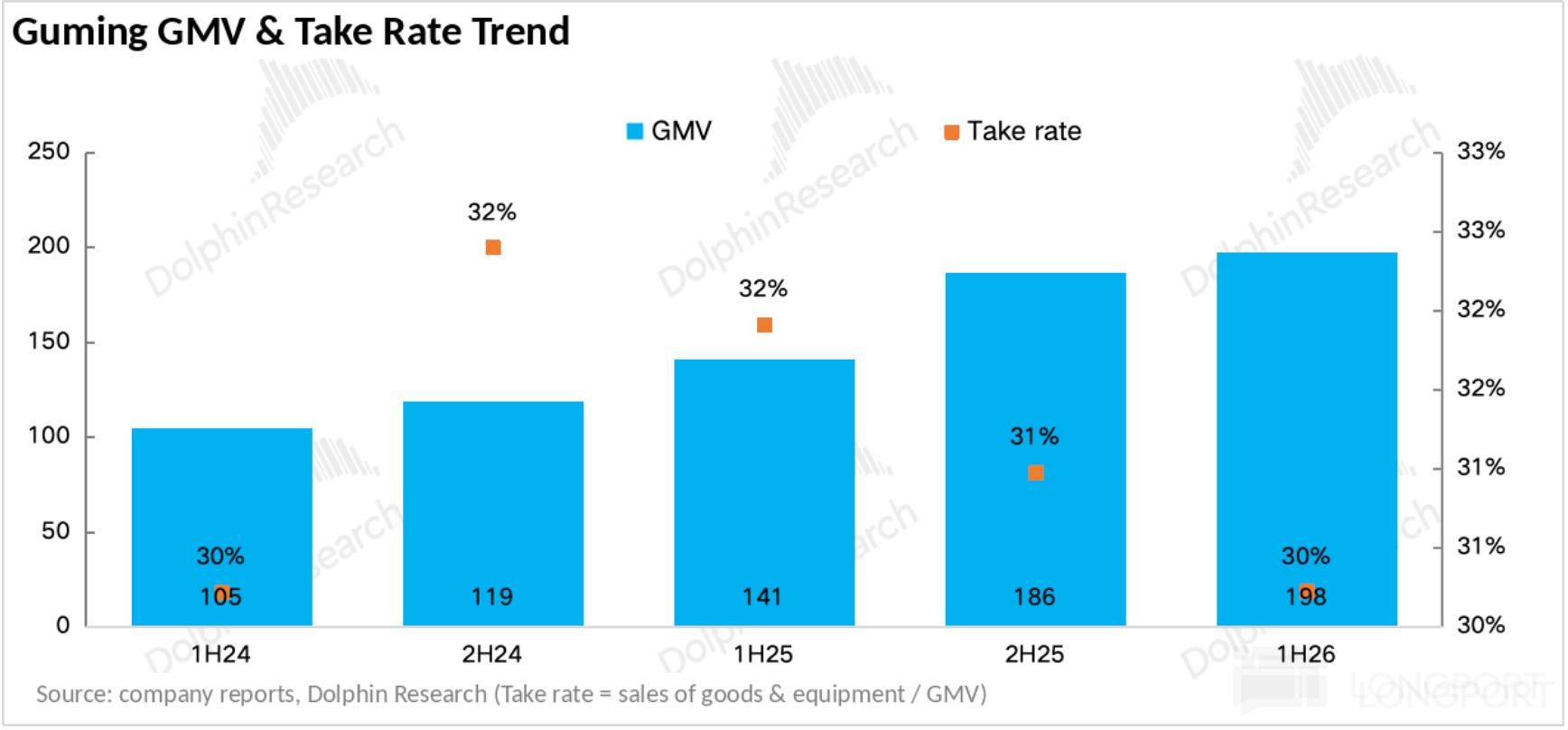
GMV was RMB 19.75bn (+40.1% YoY) with 1.11bn cups sold (+35.9% YoY). Holding 440 cups per store per day on last year's subsidy-inflated base suggests some users acquired during the subsidy phase were retained. Management's comment is consistent: stability was supported by richer coffee offerings and expansion into breakfast, partially offset by lower delivery-platform subsidies.
Despite a lower delivery mix (reducing the delivery-fee component), ASP per cup still rose 3.1%. We attribute this mainly to product mix (coffee, breakfast bakery, larger sizes) and deliberate pricing on delivery—management previously noted delivery prices are set RMB 3–4 higher than dine-in.
V. Operating leverage release; profitability up
GPM expanded 190bps to 33.4% as reduced givebacks on raw-material sales to franchisees and supply-chain efficiency gains lowered costs, in line with guidance. With selling, admin, and other opex ratios all down, core OP margin hit a record 27%.
Longbridge Dolphin Research on 'Gu Ming' (history):
Deep Dives
Jul 4, 2025: 'Gu Ming: Slow Is Fast! A 'Costco' in Tea Drinks?'
Jul 8, 2025: 'Gu Ming: Offense and Defense — Can the 'Costco of Tea Drinks' Win Out?'
Commentary
Aug 27, 2025: 'Gu Ming: Delivery in One Hand, Coffee in the Other — Laughing Again?'
Risk disclosure and statement: Dolphin Research Disclaimer and General Disclosures


The copyright of this article belongs to the original author/organization.
The views expressed herein are solely those of the author and do not reflect the stance of the platform. The content is intended for investment reference purposes only and shall not be considered as investment advice. Please contact us if you have any questions or suggestions regarding the content services provided by the platform.