
Investors Worry About Economic Impact of US-Iran War

Summary
Investor concerns over the economic impact of the US-Iran conflict are driving market volatility, with President Trump’s mixed signals causing sharp swings in asset prices. On signs of de-escalation, oil prices have fallen sharply while stocks and Bitcoin rallied.Invezz+ 2 Conversely, escalating tensions and threats to oil supplies in the Strait of Hormuz have pushed oil prices toward $100/barrel, sent equities lower, and increased mortgage rates.MSN+ 4 Analysts warn that unlike past trade disputes, the outcome of a hot war is unpredictable and not fully in Trump’s control, cautioning against relying on a ‘Trump put’ to support markets. The conflict’s duration and scope remain key uncertainties, with potential for a new inflation shock from high energy prices.
Impact Analysis
The market is treating the Iran war as just another headline to trade, but this isn’t one of Trump’s Twitter-driven trade spats—it’s a hot war he can’t fully control. We’re seeing huge volatility as assets swing wildly based on whether he sounds dovish or hawkish. Oil dropped 28% from its peak on peace talk hints, only to surge back towards $100 on threats.Cointelegraph+ 2 The key signal here is that the old playbook of buying geopolitical dips is risky; strategists are rightly warning the ‘Trump put’ may not apply.
The real risk isn’t just a temporary risk-off move, but a sustained oil shock that reignites inflation. Trump is betting this won’t happen before the elections, but it’s not his call to make. Instead of trying to time his rhetoric, the smarter play is to position for higher sustained volatility and inflation risk. This means staying long energy as a core hedge and being cautious on assets sensitive to rising rates.
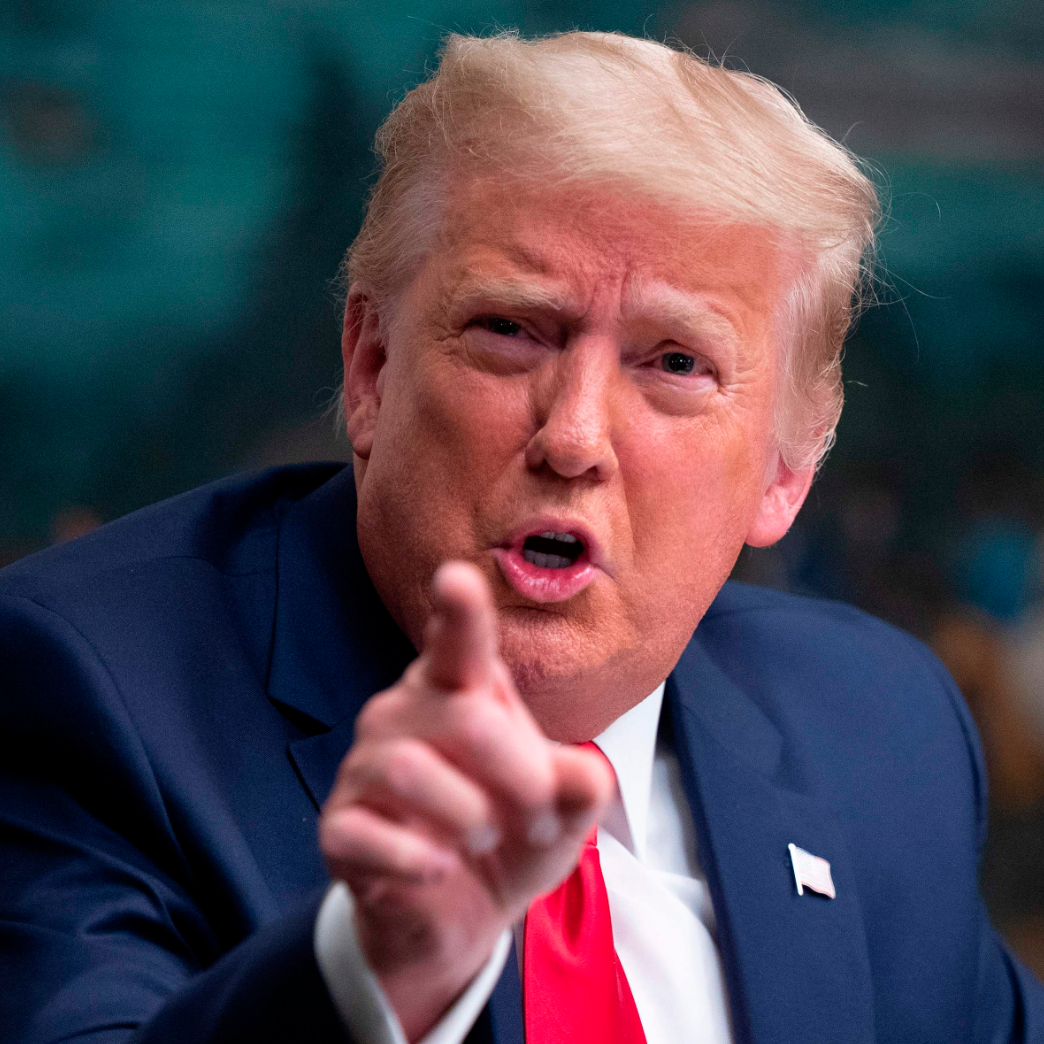
Donald Trump
