


UK-developed leukaemia cell therapy to be offered on NHS

Aucatzyl, a UK-developed cell therapy for B-cell acute lymphoblastic leukaemia, has been approved by NICE for NHS use in England and Wales. Developed by Autolus Therapeutics, this CAR-T treatment offers a personalized approach by modifying patients' T cells to fight cancer. Clinical trials show high remission rates, and it is recommended for patients aged 26 and over. The therapy is expected to launch imminently, with plans for Scotland access. NICE highlights its potential as a more effective, less toxic alternative to existing treatments.
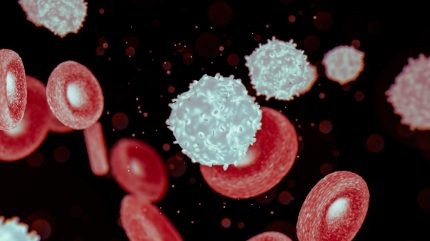
A UK-developed cell therapy to treat a form of leukaemia has been greenlit for use on England’s National Health Service (NHS).
The National Institute for Health and Care Excellence (NICE), the NHS spending watchdog, recommended Aucatzyl (obecabtagene autoleucel) for the treatment of relapsed or refractory B-cell acute lymphoblastic leukaemia (ALL).
Go deeper with GlobalData
 Reports
LOA and PTSR Model - Brexucabtagene Autoleucel in Burkitt Lymphoma
- Reports
LOA and PTSR Model - Brexucabtagene Autoleucel in Diffuse Large B-C...
Go deeper with GlobalData
The gold standard of business intelligence.
Find out more

Discover B2B Marketing That Performs
Combine business intelligence and editorial excellence to reach engaged professionals across 36 leading media platforms.
Find out more
ALL is a rare and aggressive type of blood and bone marrow cancer, with the B-cell subtype being more common than T-cell leukaemia. Standard treatment for the condition involves chemotherapy and steroids, though targeted treatments are also approved for NHS use.
NICE stated that its independent committee applied greater weighting to the benefits that the new therapy would offer over current treatments due to B-cell ALL’s severity.
Developed by University College London spinout Autolus Therapeutics, Aucatzyl is a CAR-T treatment. This personalised modality involves genetically modifying the patient’s own T cells to recognise and fight cancer cells.
Autolus said it will launch Aucatzyl in England and Wales imminently, with plans also in place to pursue patient access in Scotland.

US Tariffs are shifting - will you react or anticipate?
Don’t let policy changes catch you off guard. Stay proactive with real-time data and expert analysis.
By GlobalDataNICE’s director of medicines evaluation Helen Knight said: “This drug has the potential to offer a more effective and less toxic alternative to standard treatments, with fewer side effects. This could potentially be a life-saving drug, which will make a huge difference to people’s lives, including spending less time in hospital.”
Evidence from a clinical trial has shown high rates of remission in patients whose cancer has either returned after treatment or failed to respond to initial therapy. In the pivotal FELIX study (NCT04404660), 77% of those who had at least one Aucatzyl infusion went into remission.
NICE said evidence suggests that Autolus’ drug improves survival when compared to other immunotherapies.
NICE reports that Aucatzyl works just as well as Kymriah (tisagenlecleucel), another CAR-T developed by Novartis that was recommended for ALL patients on the NHS in 2024. Kymriah is available for people aged 25 years and under, while Aucatzyl is recommended for those aged 26 years and over.
A third CAR-T, Kite Pharma’s Tecartus (brexucabtagene autoleucel), is also available to ALL patients aged 25 years and over.
The NICE recommendation is the latest vote of confidence from UK regulatory agencies on advanced therapies, despite a handful of pharma companies withdrawing from the sector this year.
In August 2024, the Association of the British Pharmaceutical Industry (ABPI) called on the NHS to take more action to adopt more cell and gene therapies, highlighting that a one-time treatment can save the healthcare system’s money over a patient’s lifetime, despite the high upfront cost.
NICE has since greenlit several new advanced therapies, including Casgevy (exagamglogene autotemcel) for the treatment of sickle cell disease. The therapy was the world’s first approved medicine using the CRISPR/Cas9 gene editing system.
The UK’s Medicines and Healthcare products Regulatory Agency (MHRA) has also outlined major changes to regulation for rare disease treatments, saying it will speed up development pathways so therapies can reach patients sooner.
Cell & Gene Therapy coverage on Pharmaceutical Technology is supported by Cytiva.
Editorial content is independently produced and follows the highest standards of journalistic integrity. Topic sponsors are not involved in the creation of editorial content.
Free eBook
Navigating cell therapy process development
You will receive an email shortly. Please check your inbox to download the eBook.

You have a right to withdraw your consent at any time, by clicking here. We may still continue to send you service-related and other non-promotional communications. For more information relating to our privacy practices, we invite you to review our privacy policy.
Pharmaceutical Technology Excellence Awards - The Benefits of Entering
Gain the recognition you deserve! The Pharmaceutical Technology Excellence Awards celebrate innovation, leadership, and impact. By entering, you showcase your achievements, elevate your industry profile, and position yourself among top leaders driving pharmaceutical advancements. Don’t miss your chance to stand out—submit your entry today!
Nominate Now