
Meta partners with Kylie Jenner to launch an independent brand of AI smart glasses, igniting a debate on online privacy
 Complete. Here is the key summary
Meta released its own brand Meta Glasses series, ending its collaboration with Ray-Ban. It launched the Wayfarer, Fury, and the Kylie Jenner co-branded Starfire, starting at a price of $299. The hardware is equipped with a 12-megapixel lens and Spark AI model, supporting environmental understanding and contextual suggestions. The co-branded models have sparked heated discussions due to privacy controversies, marking a transformation in Meta's wearable device strategy
On the 25th, Meta launched a new series of Meta Glasses smart glasses, marking the first time they are released under their own brand name, ending a four-year collaboration with Ray-Ban. This launch not only represents a significant transformation in Meta's wearable device strategy but also sparked online discussions due to the collaboration with influencer and business mogul Kylie Jenner, bringing the debate over "fashion technology" and "privacy surveillance" back to the forefront.
The Meta Glasses series includes three styles: the Wayfarer-style Meta Adventure suitable for everyday wear, the rugged and avant-garde Meta Fury, and the high-end Starfire Kylie Edition created in collaboration with Kylie Jenner. The prices for the three models start at $299, with a total of 26 color and lens combinations available.
The Starfire Kylie Edition is priced at $399, and if you opt for the Transitions version with gradient gray lenses, it costs $479. The design features lightweight oval-shaped sunglasses that resemble luxury accessories rather than tech products, which is exactly what Meta intended. The collaboration model includes gem embellishments, a mirrored charging case, adjustable nose pads, and a dedicated voice option for Jenner, with the wake-up sound effect even using her signature phrase "rise and shine."
In terms of hardware, the Meta Glasses are equipped with a 12-megapixel camera capable of shooting 3K videos, along with open speakers and a six-microphone array. The battery life can last up to 8 hours on a single charge, extending to 48 hours with the charging case. The glasses also support a prescription lens replacement program.
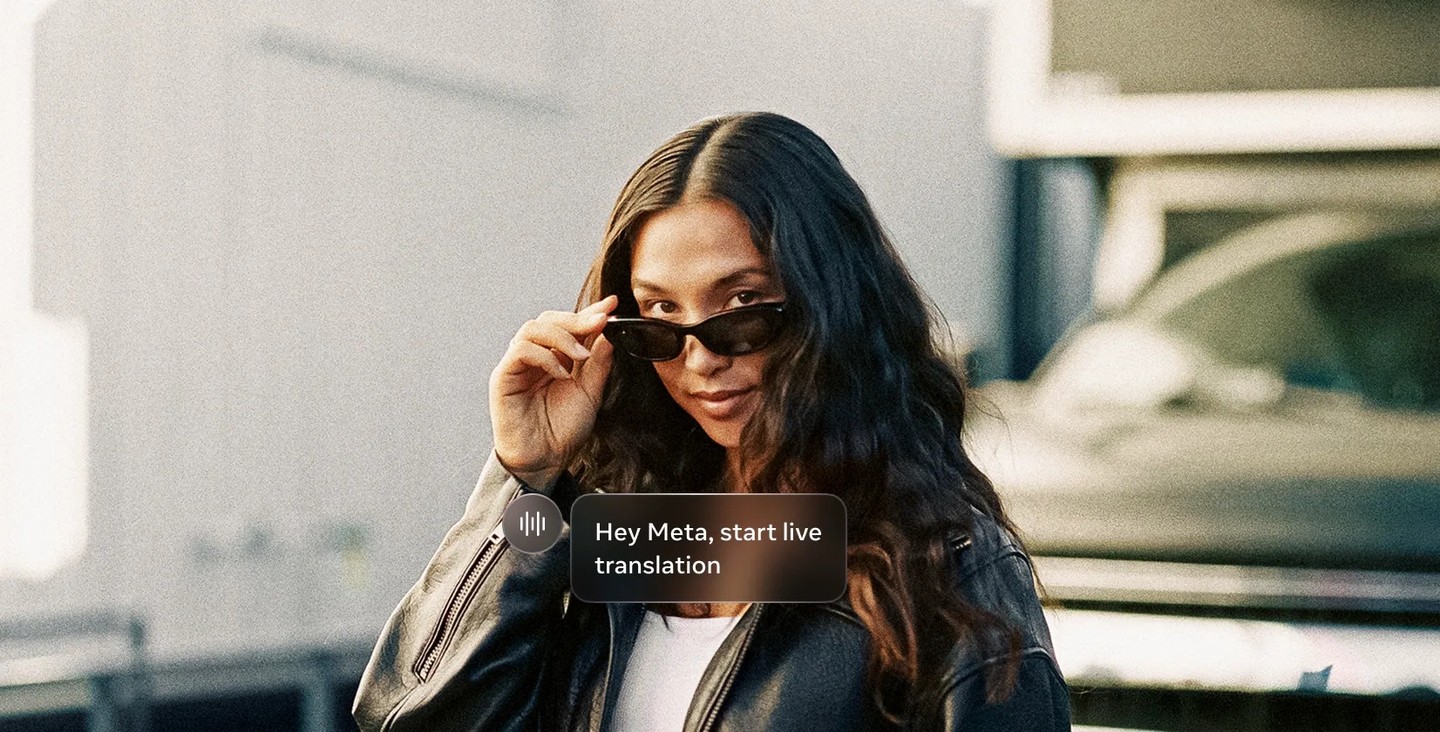
The AI functionality is powered by Meta's self-developed Spark model, which is the biggest upgrade that distinguishes the Meta Glasses from the previous Ray-Ban collaboration models. Spark can instantly understand the surrounding environment, provide contextual suggestions and task reminders, without relying on augmented reality displays, making the operation more intuitive and less intrusive.
Analysts point out that Meta is deliberately trying to shed the "borrowed brand halo." While the classic silhouette of Ray-Ban helped make smart glasses more accessible for Meta, AI wearable devices are gradually becoming an independent category, and Meta clearly believes it is time for its own name to take center stage. This time, using Kylie Jenner as a marketing point aims at another form of brand trust: the discourse power of consumer culture
Internet Frenzy: Praise and Concerns Coexist
The online reaction to the product launch has been quite polarized. Supporters believe that Meta has found the right people: some have openly stated on social media that "Silicon Valley has finally figured out who controls the consumer market," while others praise the stylish appearance of the glasses and the impressive marketing momentum. There are also comparisons to the Specs AR glasses, which were launched simultaneously by Snap and priced at $2,195, highlighting Meta's advantage in marketing reach.
However, more voices are pointing to privacy concerns. The built-in camera in the smart glasses makes some users uneasy; compared to recording with a smartphone, wearing stylish glasses that can discreetly record makes it almost undetectable to others. In discussion threads, some mentioned that places like gyms, bars, and schools could become covert filming zones; one user candidly remarked, "There’s someone at my gym who wears Meta glasses every day, and every time I see them, it feels creepy."
Meta emphasizes that it has designed visible recording indicator lights and anti-tampering detection mechanisms to strive for transparency and user trust.
The Meta Glasses series is available on Meta's official website and major U.S. retail channels such as Best Buy, Amazon, Sunglass Hut, and LensCrafters. Competing AR glasses often cost thousands of dollars, while Meta is targeting the mass market with a starting price of $299, attempting to transform AI wearable devices from niche geek toys into affordable everyday accessories.
With Kylie Jenner's endorsement, the new glasses have certainly made it to the center of the conversation. However, as the boundary between fashion and surveillance technology becomes increasingly blurred, the debate surrounding AI glasses is just beginning.
- Kylie Jenner’s Meta AI glasses spark online debate
- Meta Glasses 2026: Adventurer, Fury, and Starfire Kylie Edition
- Kylie Jenner Faces Backlash Over Meta Smart Glasses
- Why Meta dropped the Ray Ban branding from its next glasses
- Kylie Jenner and Meta launch new smart glasses, how much do they cost?
(Image source: Meta)