


Will the Fed cut interest rates in June?

Amid the recent hot economic data and non-farm payroll figures, the market has significantly lowered its expectations for the Federal Reserve's interest rate cuts this year. Domestic research institutions, in particular, have generally revised down their forecasts to two cuts or even none, with almost 100% certainty that there will be no cut in June. However, looking at the CEM interest rate futures, the market is still pricing in a roughly 50% probability of a June rate cut, with the likelihood of three or more cuts this year also exceeding 50%.
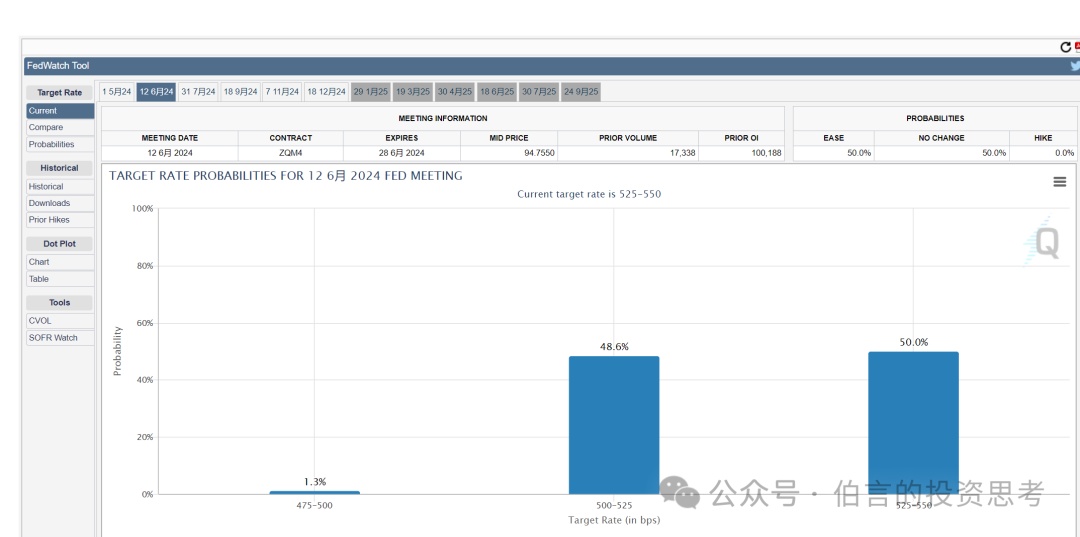
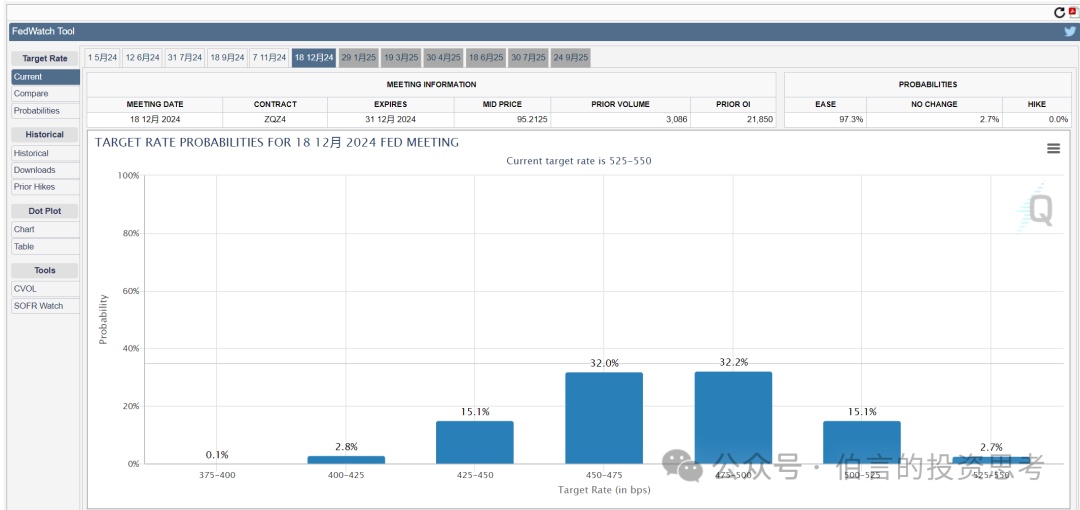
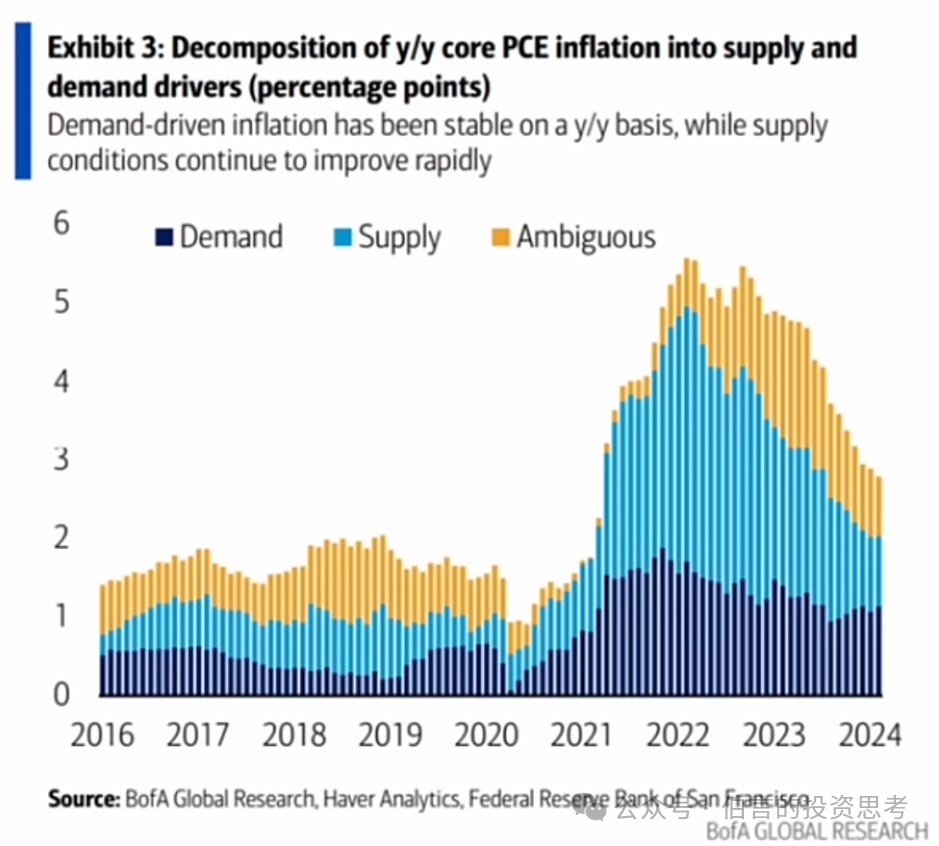
Such a large divergence exists not only between analysts and the market but also within the Federal Reserve itself. Recently, key Fed officials have expressed their views on rate cuts, revealing a clear split into two factions. One faction, led by current Fed Chair Powell, maintains the expectation of three rate cuts this year and rules out the possibility of hikes. The other faction, led by Trump-favored next Fed Chair Waller, argues for fewer cuts. Bank of America recently published a report analyzing this divide, highlighting whether the current U.S. economic strength is driven more by supply-side or demand-side factors. Powell believes supply-side factors dominate, allowing the U.S. to achieve growth while lowering inflation. The Fed's mandate is to stabilize prices, not suppress the economy, so as long as inflation remains on a downward trend, the Fed should proceed with rate cuts as planned. After dissecting inflation data, Bank of America also concluded that supply-side factors have indeed played a larger role in the decline.
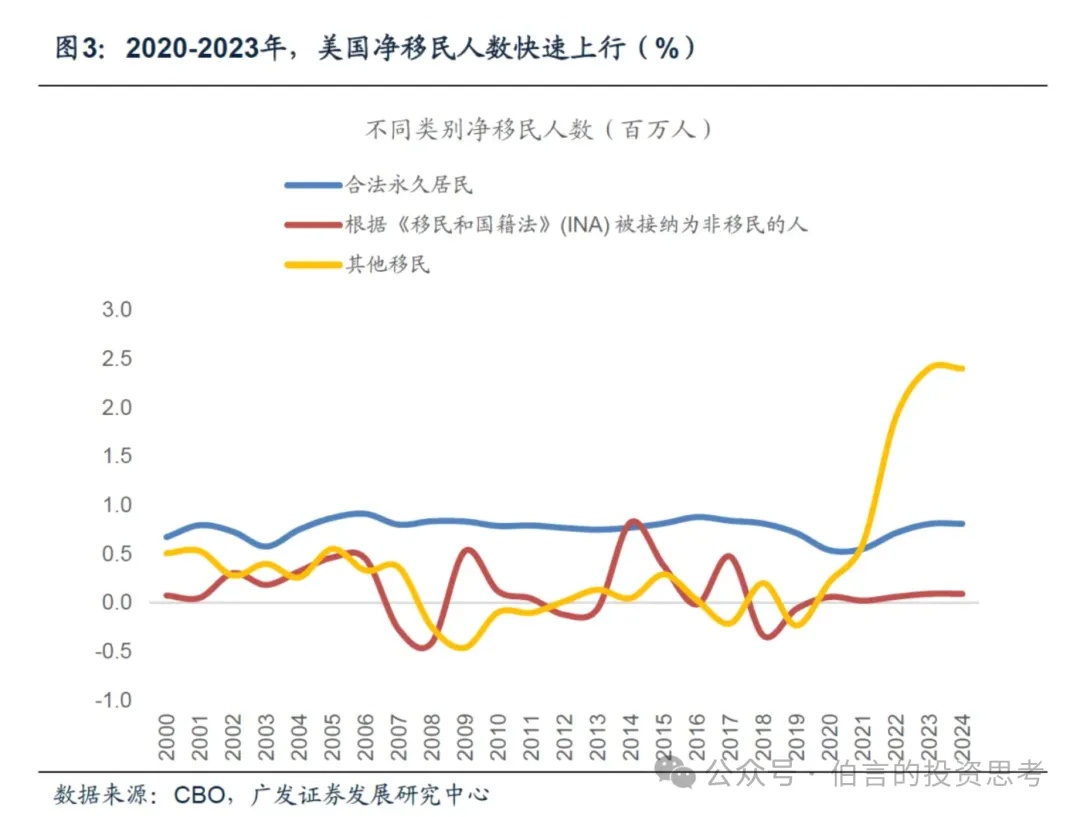
Why are supply-side factors so influential? Primarily because the number of illegal immigrants has far exceeded expectations. According to a CBO report, while 2023 estimates projected around 1 million illegal immigrants, the actual figure surpassed 3 million. These immigrants have effectively filled labor shortages in the U.S., resolving two key market contradictions:
Why has non-farm payroll employment significantly exceeded expectations while wages continue to fall? Because illegal immigrants accept lower wages.
Why is there such a large gap between non-farm payroll employment and household survey employment? Because non-farm payroll counts new jobs at companies, including those filled by illegal immigrants, whereas household surveys exclude them.
At the March Fed meeting, Powell explicitly addressed changes in labor market dynamics. If upcoming data confirms his view—strong growth with declining inflation—the Fed may not only stick to its plan of three rate cuts starting in June but also avoid concerns about a recession, which would be the best-case scenario for the stock market.
For now, all eyes are on Wednesday’s CPI and Thursday’s PPI.
Of course, even if these reports disappoint, the Fed could have officials or NICK tweet that the data isn’t crucial and shift focus to the next release—just like after Friday’s non-farm payroll report. After all, while data matters, what’s more important is how the Fed interprets it.
$iShares barclays 20+ Yr Treasury Bd(TLT.US) $Coinbase(COIN.US)
The copyright of this article belongs to the original author/organization.
The views expressed herein are solely those of the author and do not reflect the stance of the platform. The content is intended for investment reference purposes only and shall not be considered as investment advice. Please contact us if you have any questions or suggestions regarding the content services provided by the platform.
