


Join hands against Parkinson's: precise screening, efficient prevention and treatment, improve the quality of life for Parkinson's patients

April 11, 2024 marks the 28th "World Parkinson's Disease Day." Supported by Lundbeck China, the China Parkinson's Alliance organized a series of online and offline activities from April 8 to 13 under the theme "Joining Hands Against Parkinson's: Precision Screening, Effective Prevention and Treatment." These activities aimed to enhance public awareness of Parkinson's disease screening and prevention through various formats such as disease education, expert lectures, Q&A sessions, and patient exchanges, helping patients improve their disease management throughout the entire course and advancing the effective implementation of the "hospital + community + family" integrated management model.
During the event held in Zhongcang Subdistrict, Tongzhou District, on April 13, authoritative experts in Parkinson's disease provided in-depth explanations on the importance of early screening and intervention, as well as home management and care for Parkinson's patients. Community doctors, rehabilitation therapists, and evaluators offered on-site services such as scale assessments, Q&A sessions, rehabilitation exercises, and home exercise game experiences for high-risk individuals and residents concerned about Parkinson's disease. "Parkinson's friends" and family members of patients also actively participated in the event.
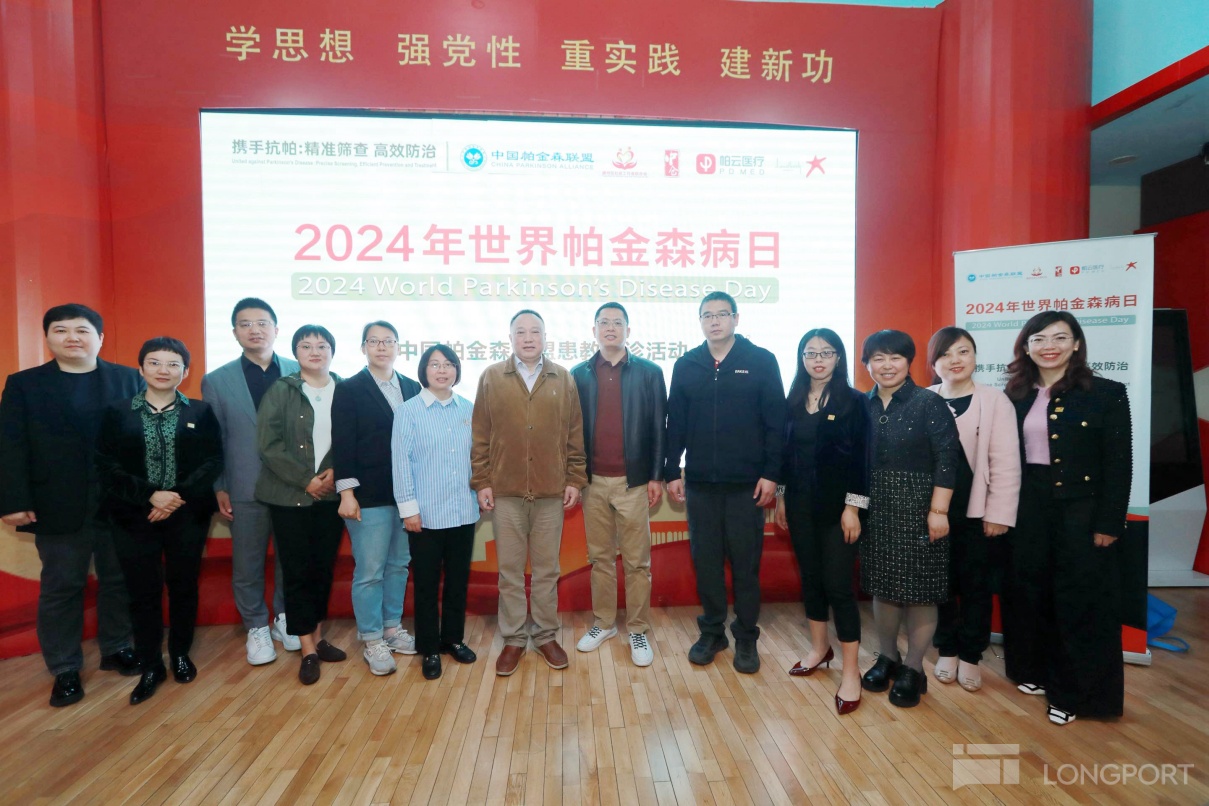
Scene from the 2024 World Parkinson's Disease Day event in Zhongcang Subdistrict
Precision Screening: Ensuring Patients Receive Optimal Treatment Timing
Parkinson's disease is a common neurodegenerative disorder in middle-aged and elderly individuals, characterized by motor symptoms such as resting tremors, bradykinesia, muscle rigidity, and postural instability, as well as non-motor symptoms like autonomic dysfunction and cognitive impairment. Epidemiological data show that there are approximately 3 million Parkinson's patients in China, with the number expected to reach 5 million by 2030.
Professor Chen Biao from the Department of Neurology at Xuanwu Hospital, Capital Medical University, stated that Parkinson's disease is primarily age-related, with aging being the main risk factor, alongside genetic and environmental factors. Misdiagnosis, delayed diagnosis, or untimely treatment can cause patients to miss the optimal window for medication, leading to significant declines in quality of life or even disability. From a pathological perspective, neurodegenerative changes progress faster in the early stages of Parkinson's, making early identification and treatment crucial. Precision screening can help high-risk individuals or patients monitor their health status, enabling early diagnosis and timely treatment, which is key to improving patients' quality of life.
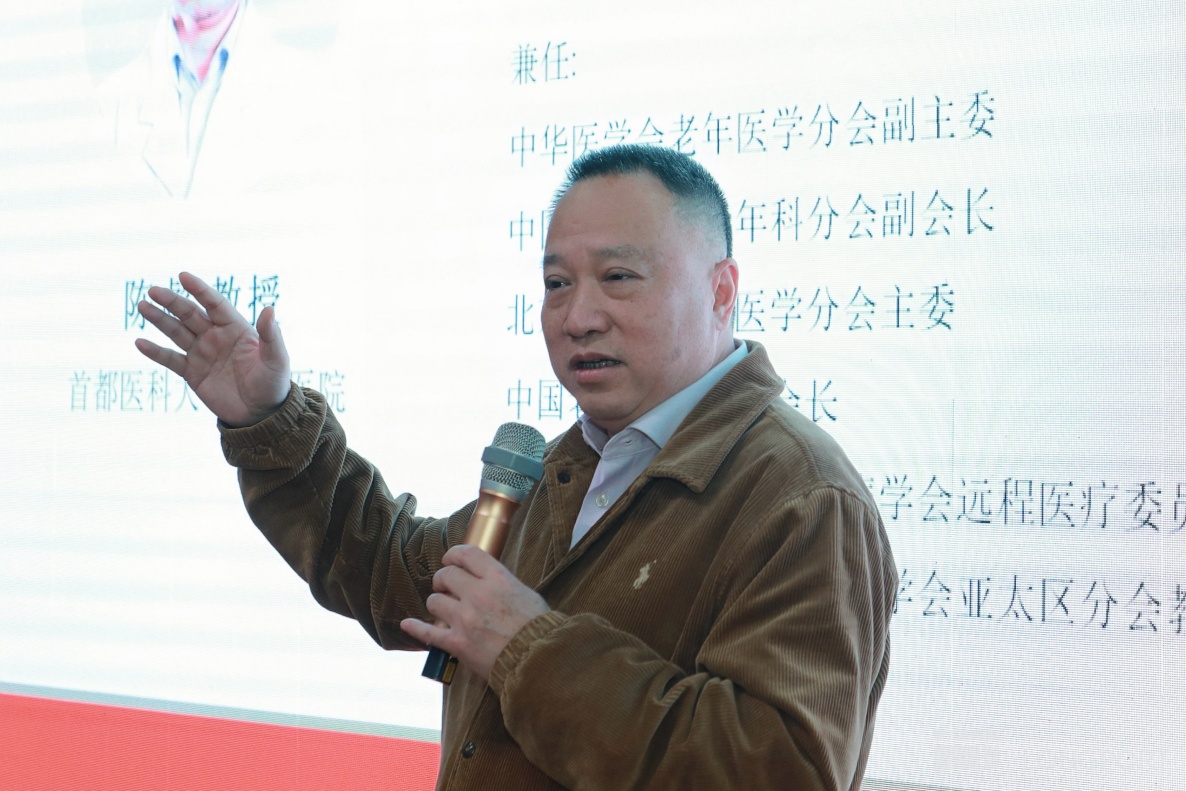
Professor Chen Biao from the Department of Neurology at Xuanwu Hospital, Capital Medical University, delivering a speech
As an integral part of Parkinson's disease management, community hospitals play an active role in early screening. Screening in communities enables timely diagnosis and treatment for early-stage patients, reducing the risk of disease progression. Zhongcang Subdistrict in Tongzhou District, where the event was held, is an elderly-friendly "Happy Home" community that has been exploring innovative models for grassroots elderly care services, including healthcare management. Community hospitals are staffed with professional doctors and nurses to provide daily medical care for residents.
Effective Prevention and Treatment: Improving Function and Quality of Life
China's latest clinical guidelines for Parkinson's disease recommend that treatment should begin as soon as the disease is diagnosed, regardless of its impact on quality of life. Early treatment can significantly improve symptoms and preserve motor function better than delayed treatment in the long term.
Professor Ma Jinghong from the Department of Neurology at Xuanwu Hospital, Capital Medical University, emphasized that elderly diseases are often difficult to cure, so medication selection should focus on functional improvement. Due to individual differences, patients should choose treatments under medical guidance. Some anti-Parkinson's drugs may have disease-modifying effects, so the new treatment philosophy advocates early diagnosis, early treatment, and early benefits. For Parkinson's patients, timely, rational, and personalized treatment is essential to achieve effective functional improvement and enhance quality of life, striving for a balance between "living well and treating the disease effectively."
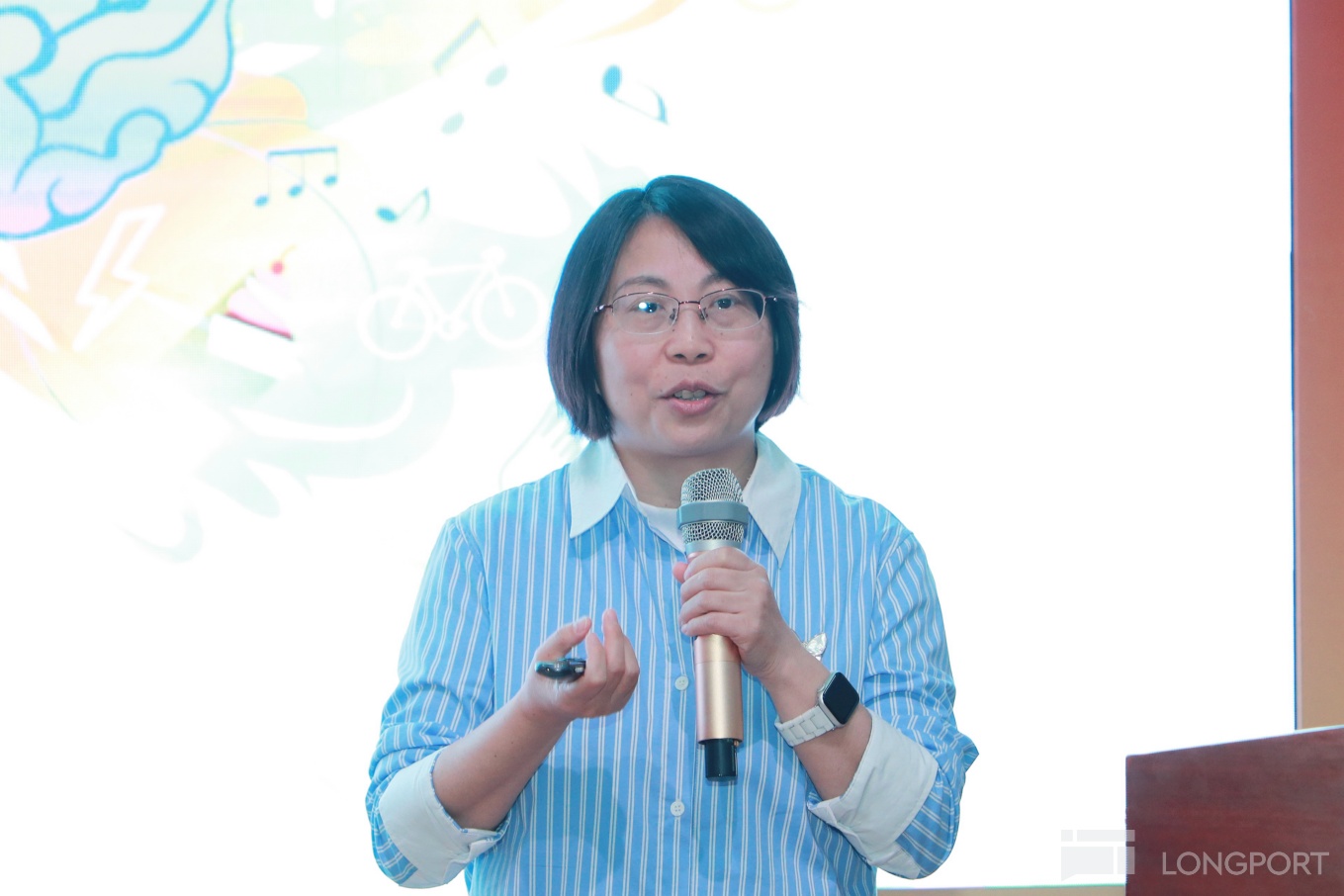
Professor Ma Jinghong from the Department of Neurology at Xuanwu Hospital, Capital Medical University, delivering a speech
Currently, comprehensive treatment is the main approach for Parkinson's patients, with medication as the first-line option and surgery as a supplement. Anti-Parkinson's drugs include levodopa preparations, dopamine receptor agonists, and MAO-B inhibitors, among others.
Beyond medication, Parkinson's prevention and treatment involve a comprehensive process of self-management, making full-course management increasingly important.
Integrated Management: Joining Hands Against Parkinson's to Contribute to Healthy Aging
To advance the "Healthy China Strategy" and the "National Strategy to Actively Address Population Aging," the "14th Five-Year Plan for Healthy Aging" emphasizes "strengthening early screening, intervention, classification management, and health guidance for key chronic diseases such as hypertension, diabetes, and coronary heart disease, as well as neurodegenerative diseases like Alzheimer's and Parkinson's."
Under these policy guidelines, the China Parkinson's Alliance has leveraged multi-sector collaboration to promote the effective implementation of the "hospital + community + family" integrated management model. Professor Ma Jinghong noted, "Parkinson's treatment and rehabilitation are long-term processes. Achieving scientific and standardized full-course management requires the participation of doctors, patients, caregivers, and society, forming a closed loop from early screening to diagnosis and follow-up home care. The 'hospital + community + family' model plays a vital role in full-course management, providing continuous professional care and shifting the focus from hospitals to communities and families, optimizing medical resources and reducing disease burden. We will continue innovating to explore more pathways for healthy aging."
As a supporter of this Parkinson's community education event, Lundbeck is one of the few global pharmaceutical companies focused on neuroscience, committed to developing transformative treatments for unmet medical needs while achieving sustainable profitability and long-term growth.
At the event, Lundbeck China employee volunteers actively guided patients and families through scale assessments, Q&A sessions, rehabilitation exercises, and home exercise games. Wang Liwei, Head of Human Resources and Corporate Communications at Lundbeck China, stated: "As a dedicated innovator in neuroscience, we are committed to developing transformative treatments for unmet needs, always putting patients at the center. Their voices are invaluable to us. Our employees' participation in such community events allows them to listen closely to patients and caregivers, deepening our understanding of unmet needs and enabling us to better support them."
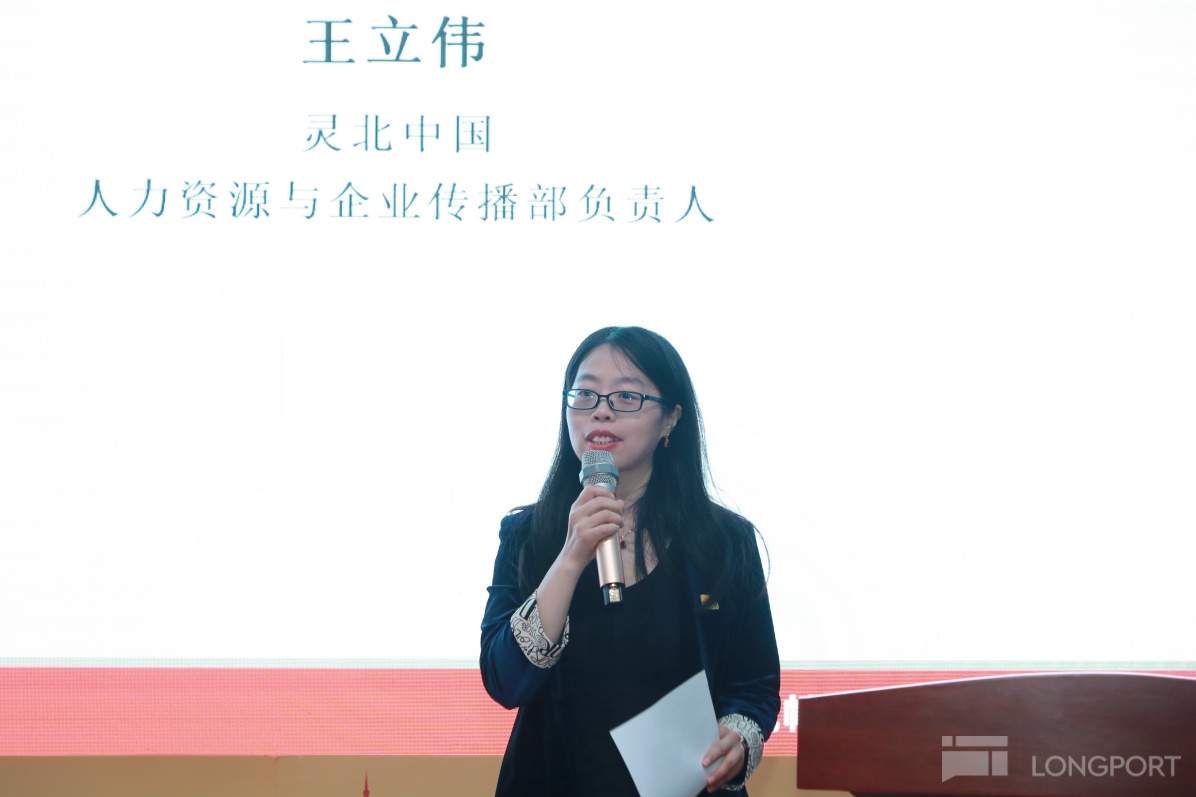
Wang Liwei, Head of Human Resources and Corporate Communications at Lundbeck China, delivering a speech
In Wang Liwei's view, this aligns with the evolving demands on employees in the increasingly diverse healthcare landscape. The pharmaceutical industry requires deep expertise and adaptability, with employees needing to stay abreast of changes in medical needs. A patient-centered approach demands strong responsibility and adaptability, as employees must keep pace with technological and methodological advancements. At Lundbeck, curiosity, adaptability, and a sense of responsibility are fully reflected in our workforce.
The copyright of this article belongs to the original author/organization.
The views expressed herein are solely those of the author and do not reflect the stance of the platform. The content is intended for investment reference purposes only and shall not be considered as investment advice. Please contact us if you have any questions or suggestions regarding the content services provided by the platform.
