



ZARA's store closures are a microcosm of the decline of fast fashion.

Recently, "ZARA China store closures" suddenly "trended on 热搜 (hot search)".
Under the topic #ZARA responds to rumors of withdrawing from China#, some netizens commented, "Don't leave, I beg you" "I really can't live without ZARA's pants". Others said, "Indifferent, never liked this brand anyway" "The designs are too rough and the fabric quality is terrible in my opinion".
Addressing online speculation, ZARA recently clarified: "Rumors about ZARA exiting China are false", also debunking claims of closing 9 stores in two months: "On April 2, we closed the Shanghai Baoshan store; on March 31, stores in Dongguan and Huizhou were shut down." The latter two were the only outlets in those cities, operating for over a decade—their closure leaves these cities without physical ZARA stores.
According to ZARA, despite global store reductions in 2023, fiscal year sales grew 10% YoY. While some closures aim to improve per-store efficiency, can this truly boost profitability? In today's e-commerce era, ZARA is seen as stagnant, lagging in digital transformation. As a fast-fashion giant, can it successfully balance online/offline strategies?
Other questions remain unanswered, but recurring exit rumors reflect fast-fashion's decline.
1. The Truth Behind ZARA's Frequent Adjustments
Is this global fast-fashion giant really leaving China? First, why is ZARA downsizing here?
Globally, ZARA is optimizing its store network. Parent company Inditex reduced 123 stores in FY2023 (ending Jan 31, 2024), with ZARA and ZARA Home accounting for 74% of closures (74 and 17 stores respectively).
Despite fewer stores, Inditex's FY2023 revenue hit €35.947 billion (+14.1% YoY), with net profit up 30.3%. Core brand ZARA contributed 70% of sales (+10% growth).
ZARA founder Amancio Ortega retained his #12 spot on Forbes' 2024 Billionaires List with $111.2B, up one rank from 2023.
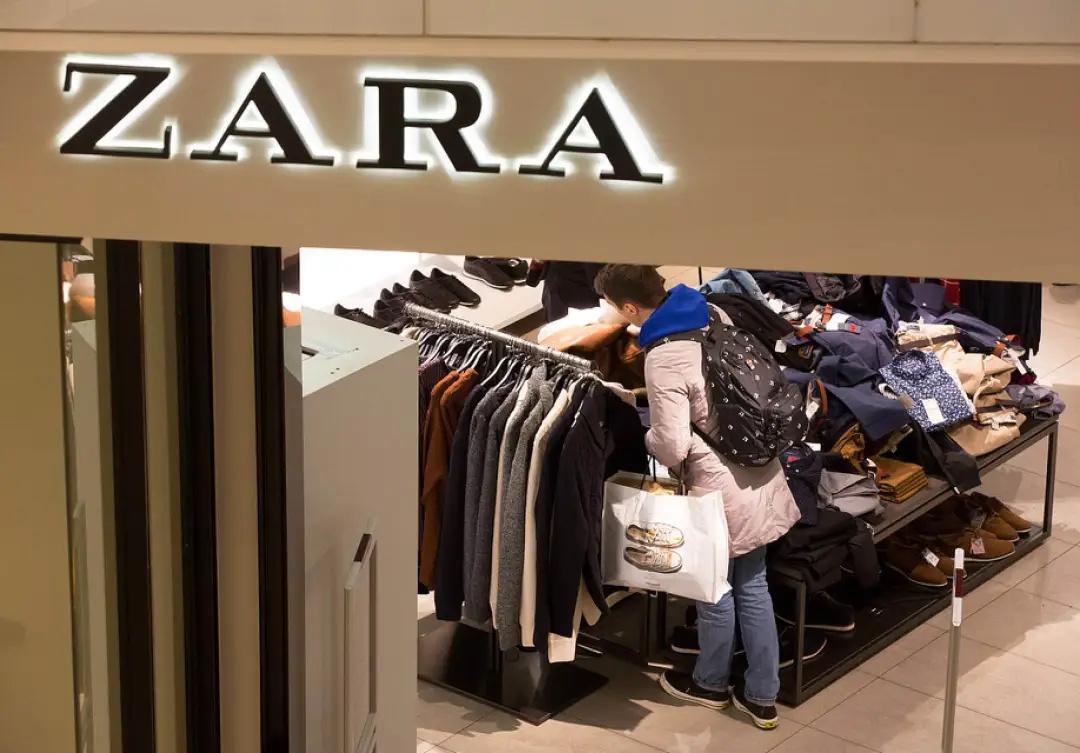
▲Image: ZARA store
In China, ZARA's peak store count (183 in 2018) has halved to 87, mirroring retail competition and consumer shifts.
Does this signal decline? No.
ZARA remains strong globally. In China, reduced stores don't diminish its influence. This adjustment aligns with industry trends—many fast-fashion brands are refining strategies.
2. Who's Challenging ZARA?
Why frequent closures? Who threatens ZARA?
First, fierce competition from global (H&M, Forever 21) and local brands (UR, Metersbonwe).
Second, price sensitivity pressures cost control.
Third, local brands gain preference—ZARA's China market share dropped from 4.1% (2016) to 3.6% (2021).
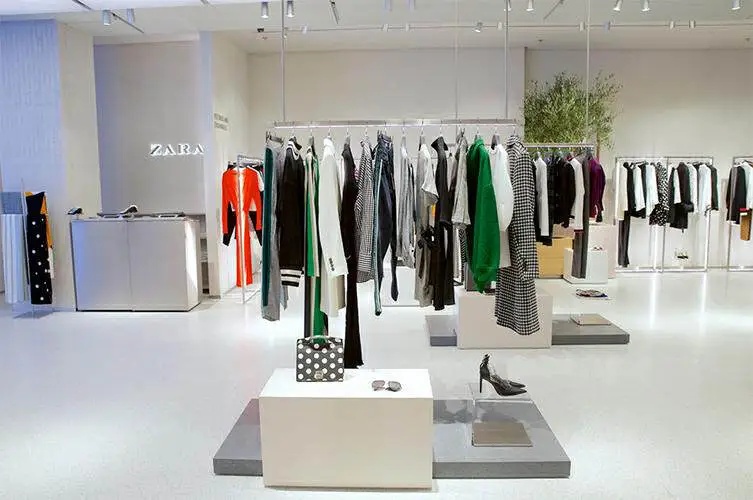
▲Image: ZARA store
Fourth, young consumers now prioritize individuality, comfort, and functionality—trends like sun-protective apparel (projected ¥96B market by 2026) challenge ZARA's static offerings.
E-commerce also impacts physical sales. Even Uniqlo plans to close 50 underperforming China stores despite opening 80 new ones in FY2024.
Among fast-fashion's "Big Four", only Uniqlo avoided negative store growth in 2023. Consumers now favor either luxury or budget options, squeezing mid-tier brands.
For ZARA, closures are stopgaps—it must reinvent itself.
3. Can ZARA Stage a Comeback?
Fast-fashion once thrived during 2010-2015's 消费升级 (consumption upgrade) wave—China's "golden era".
Post-2015, competition intensified as 轻奢 (affordable luxury) brands like MK/COACH entered. The mid-market shrunk while luxury and budget segments grew.
The 2020 shift prioritized 极致性价比 (extreme cost-performance). Local brands gained traction via livestream e-commerce and agile supply chains.
How can ZARA adapt?
First, strengthen core competencies—brand power and 供应链 (supply chain) control. Yet ZARA faces complaints about price-quality mismatch, sizing (European-centric designs), and durability ("No ZARA item survives the washer intact").
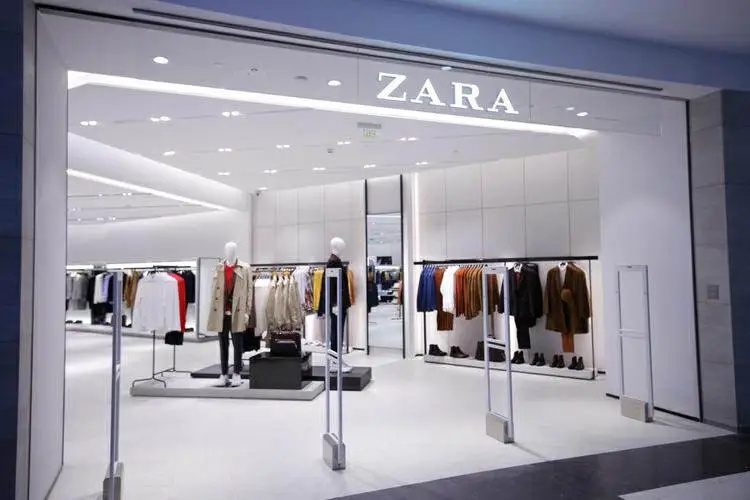
▲Image: ZARA store
Second, digital transformation is critical. ZARA invested in RFID tech to cut queues and optimize inventory. Its Douyin livestream debut drew 1.22M viewers.
However, ZARA's 10-14 day product cycle trails UR's 6-day turnaround.
Third, premium positioning—ZARA raised prices 23% in Q4 2023, with high-end lines growing 17%. Spring 2024 saw further 5% hikes. This targets affluent shoppers, as ZARA's FY2023 sales rose 10%.
Ultimately, ZARA's 轻资产 (light-asset) model demands agile adaptation—but product quality remains king.
This may be the survival code for new retail.
Author|Li Mumu
Editor|Hu Zhanjia
Operations|Chen Jiahui
Producer|LingTai LT (ID: LingTai_LT)
The copyright of this article belongs to the original author/organization.
The views expressed herein are solely those of the author and do not reflect the stance of the platform. The content is intended for investment reference purposes only and shall not be considered as investment advice. Please contact us if you have any questions or suggestions regarding the content services provided by the platform.
