


 Likes Received
S&P 500 Index (.SPX) investment logic


1. $MAX S&P 500 4X Leveraged ETN.US S&P 500 Index (.SPX): In the previous article (Nvidia (NVDA) dropped 10% overnight, S&P 500 Index (.SPX) corrected 5%—should we cut losses or buy the dip?), I mentioned the need for a logical analysis of .SPX (related ETF introduction and fundamentals article: S&P 500 ETF, Super Micro Computer (SMCI) added to S&P 500). Purely theoretical content is tedious, so I won’t repeat what was covered in the two previous articles to avoid excessive length.
S&P 500 Index sector profit breakdown: As of the end of 2023, technology contributed over 1/3 of the S&P 500 Index, making it the largest sector by weight, especially the "Magnificent Seven." This was followed by consumer, financials, and healthcare.
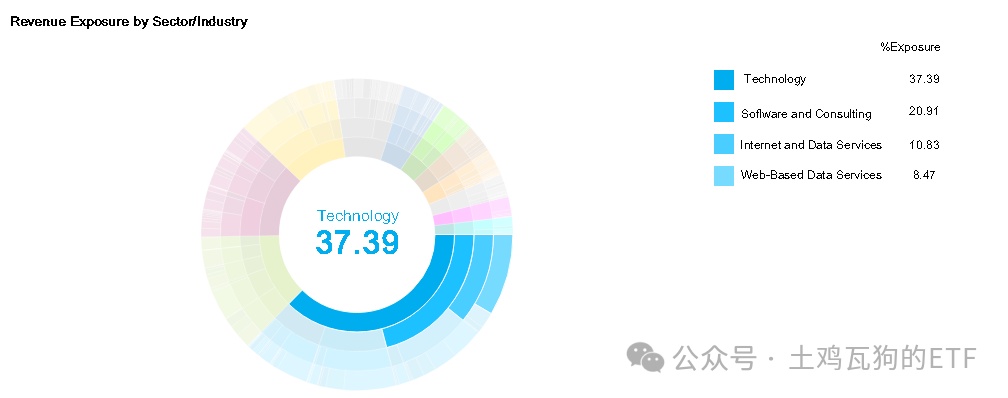
Data source: Factset, Dogshit ETF, S&P 500 Index (.SPX) profit breakdown as of end-2023
2. Investment Logic
The S&P 500 Index's trajectory will continue to be influenced by multiple factors, including the delicate balance between fiscal and monetary policies, sustained strength in consumer markets, challenges in the real estate sector, the revival of manufacturing, complexities in the labor market, and sticky inflation.
Fiscal Policy: This can be gauged through the TGA account (The Treasury General Account, which is the U.S. Treasury's general account at the Federal Reserve) "quantitative" measures. Government revenue/expenditure, debt issuance, and balance sheet reduction can all be observed through changes in the TGA's "water level."
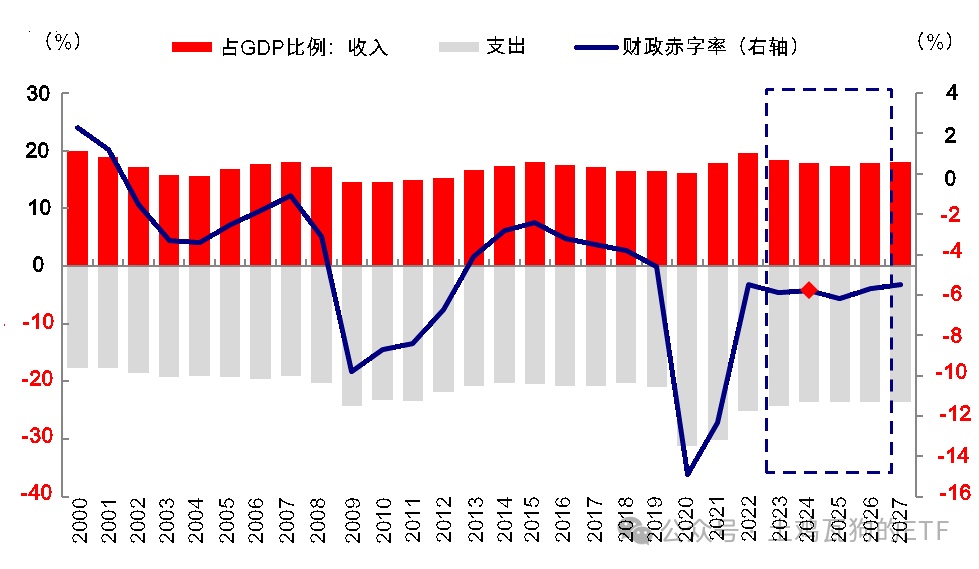
Data source: Haver, Wind, Dogshit ETF, statistical period: 2000-2027 (CBO forecast)
Monetary Policy: The most effective indicator is Wall Street traders' operations on swap rate futures. Capital is smart—this almost encompasses all the most timely information.
The Fed's rate hike/cut decisions are based on domestic indicators such as inflation/employment/wages/job vacancies. Breaking down these indicators into high-frequency data (e.g., CPI "six-component" inflation breakdown) or forward-looking data (e.g., ADP employment report leading non-farm payrolls) can provide early signals.
These data points can also validate "hard/soft landing" scenarios or be interpreted through theoretical models like the labor supply-demand curve (relationship between the four indicators above, further explained by classical supply-demand models or human capital theory) or the Phillips curve (relationship between inflation and employment) to gauge recession risks.
Other tools include tracking quarterly "dot plots" or 2Y Treasury futures trends.
Economic Growth: Despite the Fed maintaining high rates to curb inflation, reindustrialization is bringing manufacturing back home, creating new jobs. The economic downturn pressure is limited (moving from "soft landing" toward recovery), and (service) consumption remains resilient.
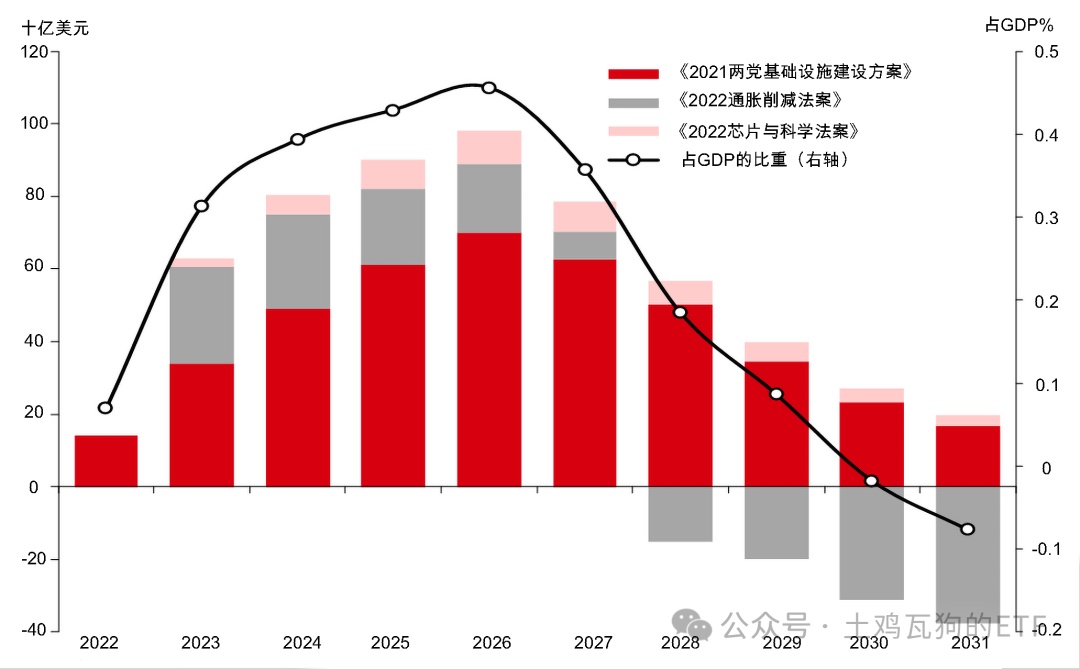
Data source: CBO, Dogshit ETF, statistical period: 2022-2031 (CBO forecast)
① Impact on real estate: The current U.S. real estate cycle has lasted long and is nearing the end of inventory digestion. Low inventory means it can’t get worse (see analysis: U.S. Real Estate ETF, 2024 U.S. Real Estate Cycle Changes). However, high rates suppress homebuying demand, weighing on existing home sales.
② Impact on small businesses: Small businesses often rely on floating-rate loans. High rates increase debt burdens, straining balance sheets (see analysis: Russell 2000 ETF, a Good "Betting Tool" for 2024 Swing Trading).
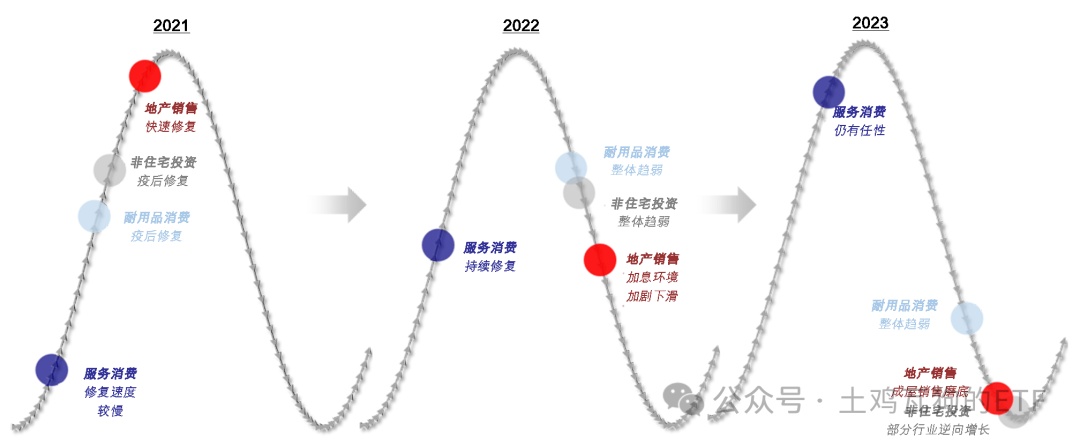
Data source: Haver, Wind, Dogshit ETF, statistical period: 2000-2023
For other sectors, high rates have limited impact on large tech giants (see analysis: Nasdaq Tech ETF, AI "Era Tickets" in the "Chip Breakthrough"). However, they significantly affect U.S. pharmaceutical companies (especially small-to-mid-sized ones), dampening primary market investment enthusiasm (see analysis: Nasdaq Biotech ETF, Live & Life).
The copyright of this article belongs to the original author/organization.
The views expressed herein are solely those of the author and do not reflect the stance of the platform. The content is intended for investment reference purposes only and shall not be considered as investment advice. Please contact us if you have any questions or suggestions regarding the content services provided by the platform.
