


 Top 10 Influencers in 2025
What's wrong with the Hang Seng Index? Where will it go next?

Conclusion first: I believe the Hong Kong stock market is still in an unprecedented super crisis, but the end of the US dollar interest rate hike cycle and the increasing signs of a bottom in Japanese interest rates and exchange rates have led to a large amount of capital flowing back to Hong Kong and China-concept assets, driving a significant rebound in the Hang Seng Index. (The following content is partially excerpted from an article written on May 30, 2023.)
The Hong Kong stock market was originally particularly good for bottom-fishing. Since 1971, when the $Hang Seng Index(00HSI.HK) was established, there has been a line that retail investors almost never look at—the 850-day moving average—which has marked the bottom of the Hong Kong stock market. (I also believe this line is the most important bottom-fishing line for all long-term investors. Taking SPY as an example, unless it's a major crisis, SPY will only approach or touch this line but not break through it.)
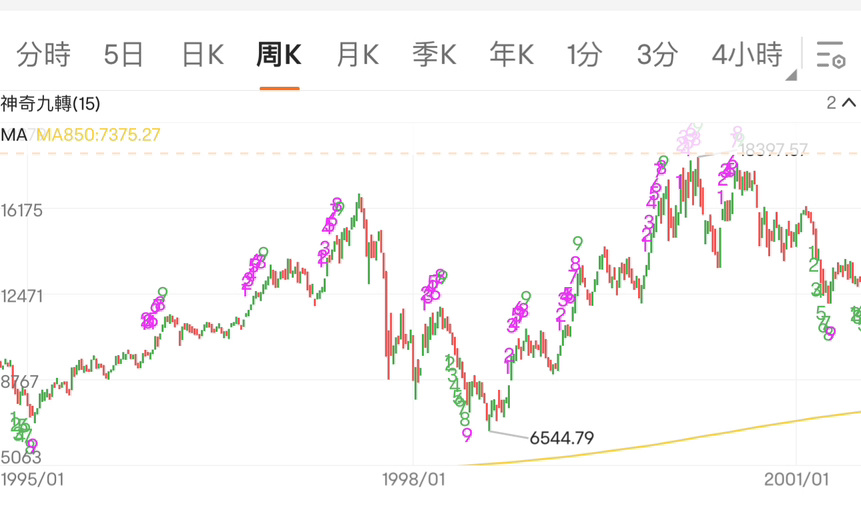
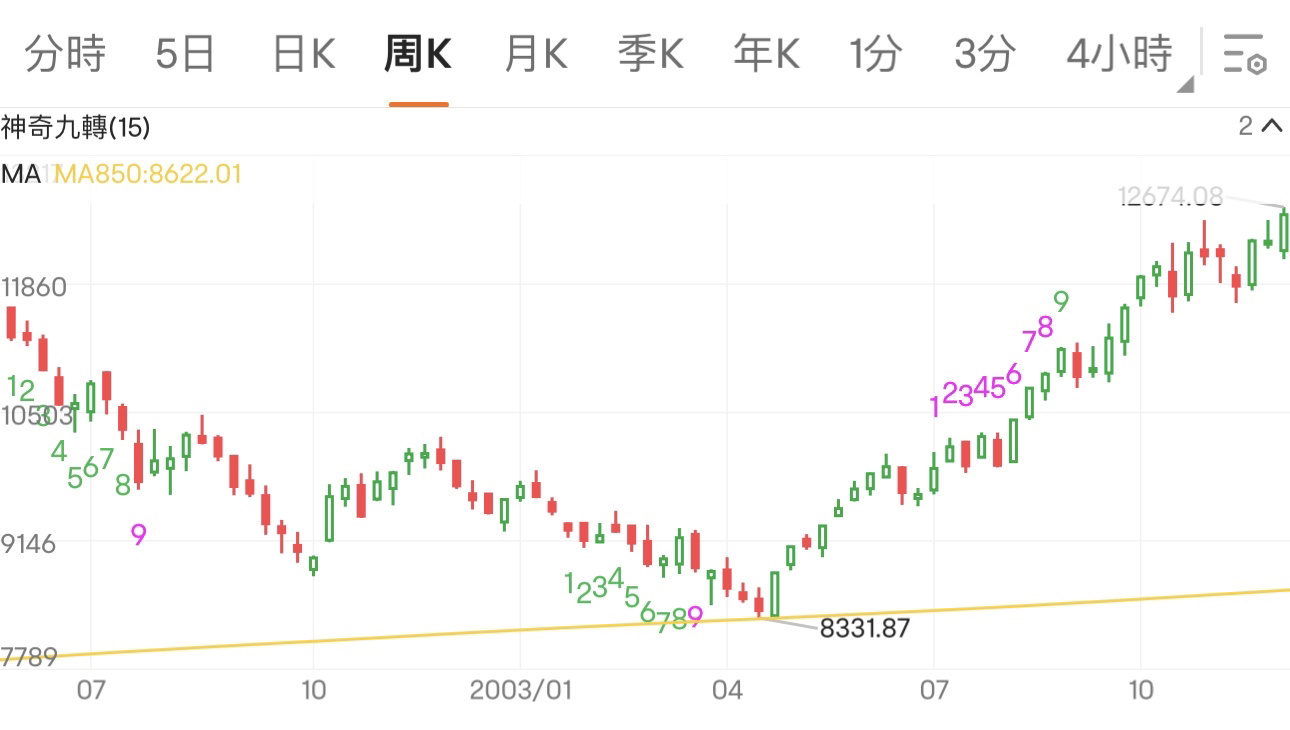
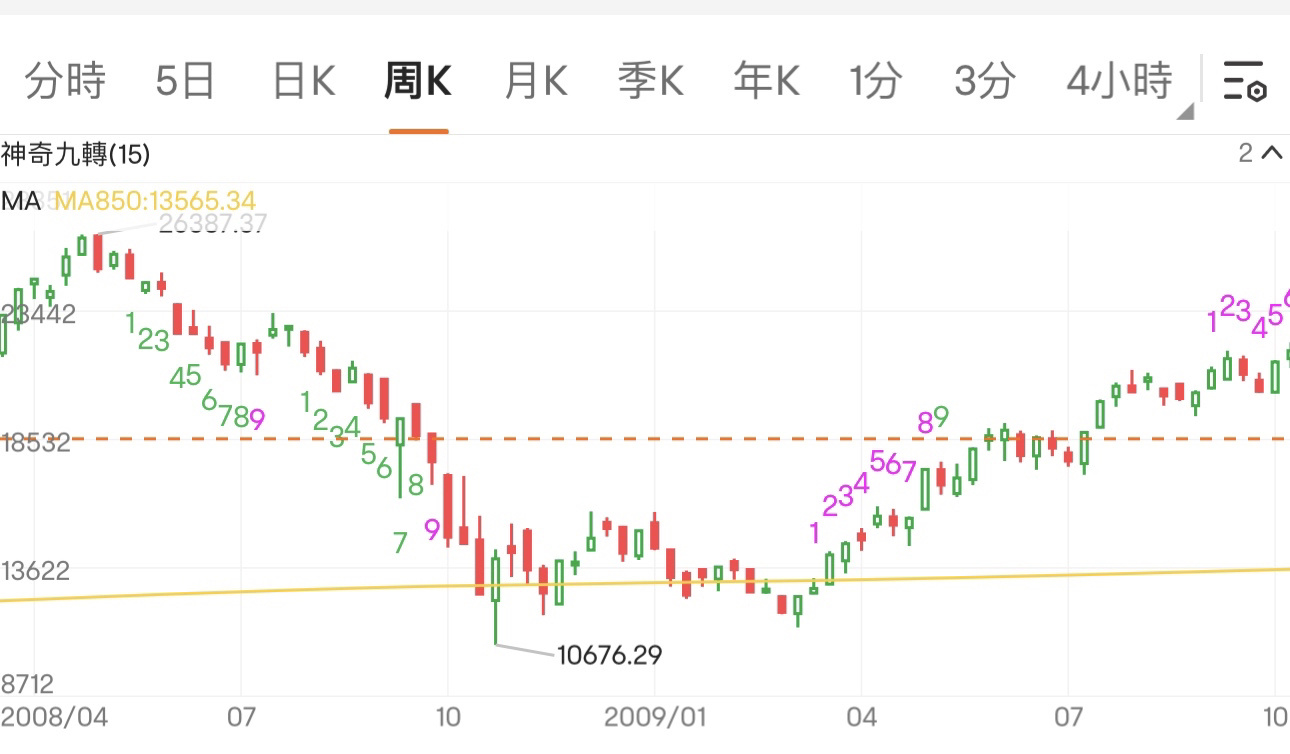
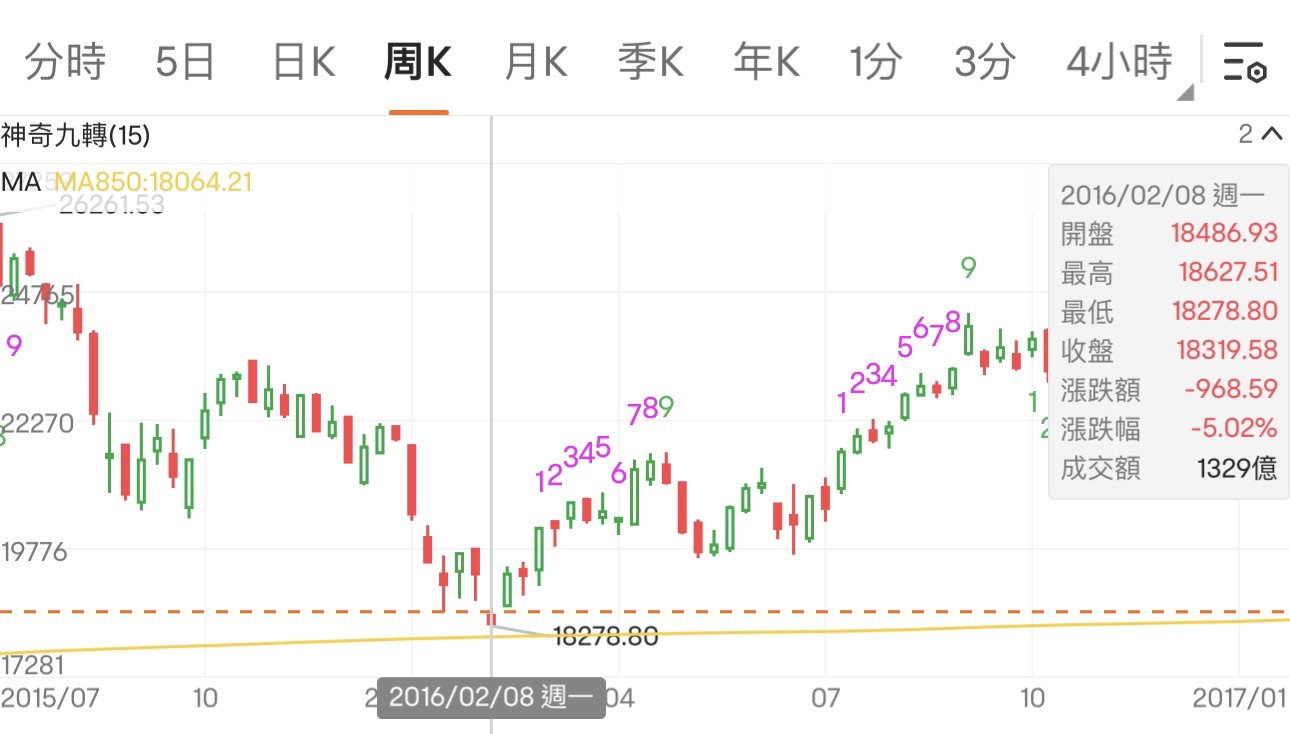
Taking the 850-day moving average as an example, 850 trading days is close to 3.5 years, which is exactly half of the 7-year major economic cycle. If we remove the volatility of daily K-lines and look at the 850-week moving average, the power of this line becomes even stronger, precisely mapping out the bottom of the Hong Kong stock market. People rarely use it simply because it marks the absolute bottom, and opportunities to act on it are too few: from 1997 to today, the Hang Seng Index has only touched or approached this line 6 times:
1998 financial crisis: rebounded immediately after approaching the line.
2003 SARS outbreak: rebounded at the slightest touch.
2008 financial crisis: couldn't break through the line.
2016 North Korea nuclear crisis + Mong Kok protests: rebounded at the slightest touch.
2020 Covid-19: rebounded at the slightest touch.
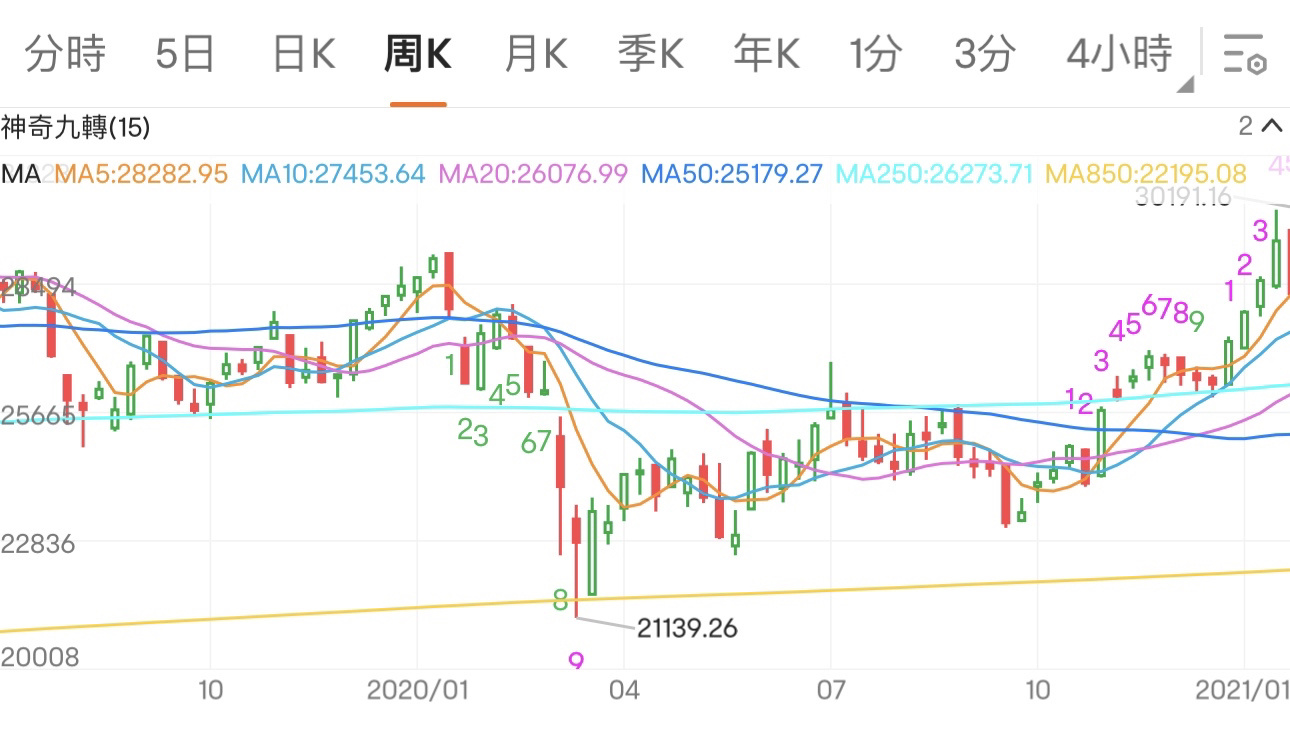
And today: completely broke through.
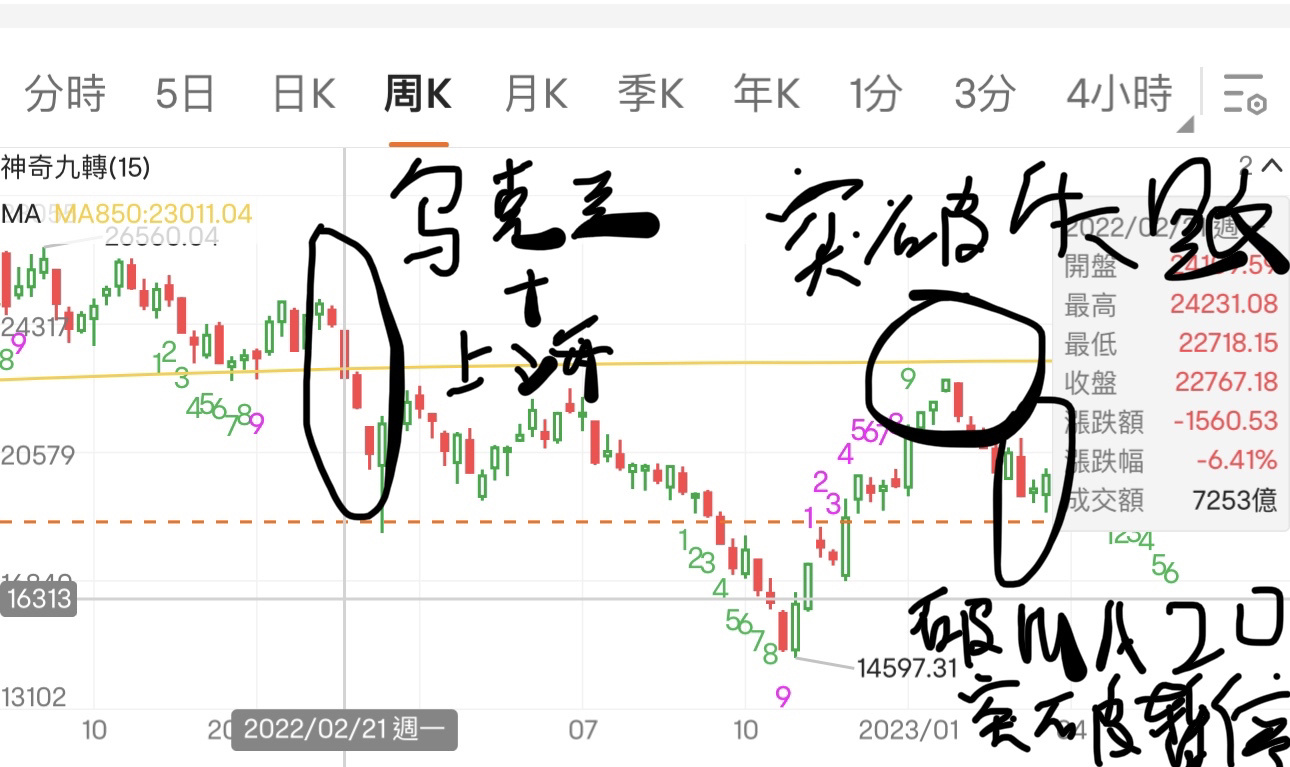
In February 2022, driven by major events in Ukraine and Shanghai, foreign investors completely lost confidence in Chinese assets and sold them off, causing the Hang Seng Index to plunge below the 850-week moving average for the first time in history and remain there for over 2 years. This has never happened since the birth of the Hang Seng Index.
In my view, the current crisis in the Hong Kong stock market surpasses 1998, 2008, SARS, and the Covid-19 pandemic—it is an unprecedented super crisis.
More importantly, the economic policies of Japan and the US exacerbated the Hong Kong stock market crash: while the Federal Reserve sharply raised interest rates, the yen continued to maintain negative rates. This created an unexpected wealth-grabbing opportunity. The yen provided nearly interest-free loans, and its exchange rate kept falling; meanwhile, dollar assets, especially short-term US Treasury bonds, offered high-risk-free interest, and the dollar exchange rate kept rising. If you had the means, what would you do? Of course, you'd try to secure ultra-low-cost loans from Japan, convert them to dollars, and buy short-term US Treasury bonds or more flexible money market funds. This became a risk-free arbitrage process with an annualized return of at least 3-5% (in reality, due to the extreme dollar-yen exchange rate gap, it was much higher).
However, lenders wouldn't give you massive loans based solely on credit—you needed collateral to cash out. So (this is purely speculative, any resemblance is coincidental) various assets in Hong Kong, including but not limited to HKD cash, securities, offshore RMB, and USD savings, became collateral or quasi-collateral for yen loans. If dollar asset investments failed and loans couldn't be repaid, or if collateral depreciated and borrowers refused to add more, forced liquidations occurred. These collateral and liquidation actions further intensified the Hong Kong stock market's collapse after 2022.
Now, with the Fed turning dovish and the Bank of Japan turning hawkish, arbitrageurs are being blatantly told: the good days are over. Capable arbitrageurs are taking advantage of the last moments to borrow yen at low rates and buy Japanese assets (like Berkshire Hathaway). Ordinary investors are closing positions, converting profits back to yen to repay loans and reclaim collateral. This has ended the infinite short-selling pressure on Hong Kong stocks, driving capital back to Hong Kong. With the pandemic over and China working to restore investor confidence, the Hong Kong stock market is now recovering from its super-undervalued bottom.
So where is the Hong Kong stock market headed? In my view, the answer still lies in the MA850 line. As mentioned earlier, I consider the market's position above the 850-line as the normal range for a stock market. Where is the 850-line now? Around 21,700 for the daily chart and 22,800 for the weekly chart, with a downward trend. If the Hang Seng Index can stabilize above the 850-line, it means the market is gradually returning to normal—but this requires support from fundamentals, economic expectations, and geopolitical factors all returning to normal.
So, do you think the fundamentals, economic expectations, and geopolitical factors for China-concept stocks have returned to normal? If you can read the market's answer to this question, you'll know where the Hang Seng Index should go next.
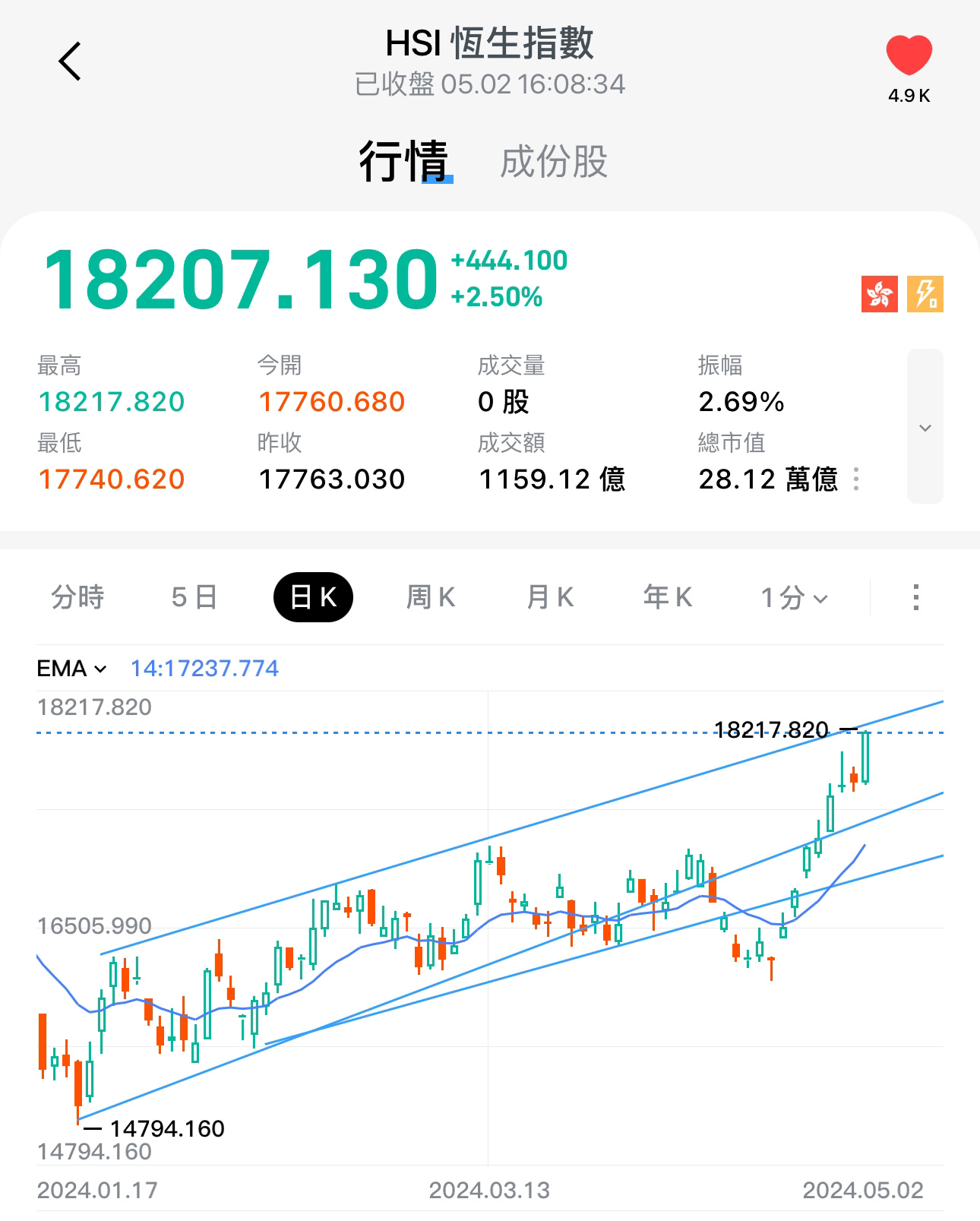
Friendly reminder: The Hang Seng Index is currently at the upper edge of its upward channel, and a pullback may occur soon, especially starting next Monday.
The copyright of this article belongs to the original author/organization.
The views expressed herein are solely those of the author and do not reflect the stance of the platform. The content is intended for investment reference purposes only and shall not be considered as investment advice. Please contact us if you have any questions or suggestions regarding the content services provided by the platform.
