



Post-00s generation doesn't love feminine high heels.

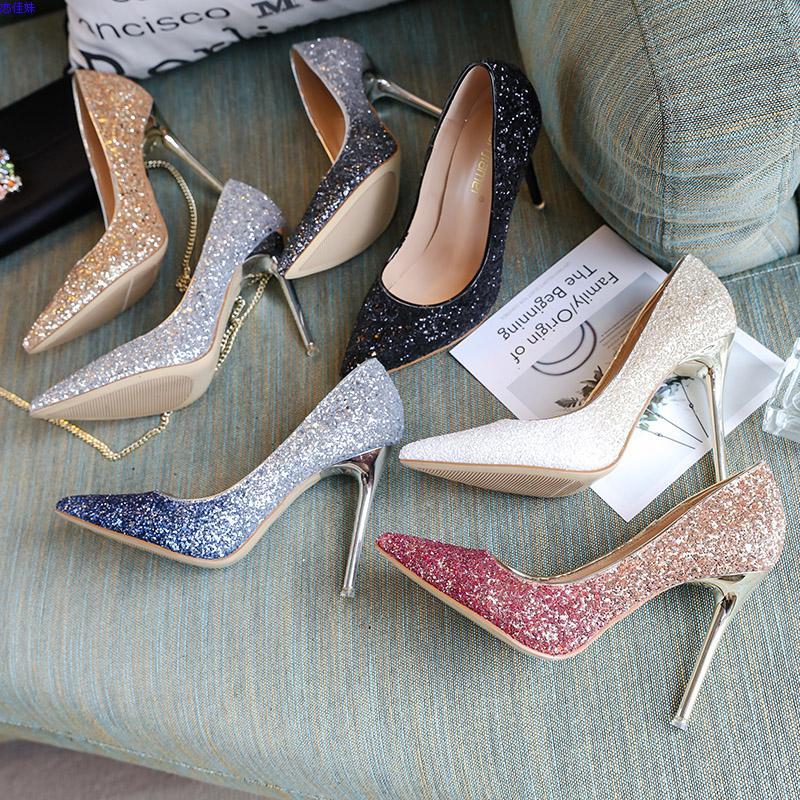
The era of "femininity" is gradually being abandoned by female consumers. A new aesthetic trend has emerged, emphasizing individuality, comfort, and health.
Looking at women's shoes as a microcosm, "the evolution of female aesthetics" is quietly reshaping the market landscape. It's not just women's shoes; the entire women's apparel market is entering a new blue ocean in 2024.
From adoration to resistance, "high heels" are facing challenges, with comfort and health becoming the new pursuit.
For example, the shrinking sizes of "feminine" women's clothing, represented by brands like BM, have sparked widespread controversy. The short, revealing, and tight style advocated by these brands has faced repeated public criticism. This overemphasis on "femininity" clashes with contemporary women's pursuit of self-expression and comfortable lifestyles.
Data from former "high heel dominators" also reflects this trend. In 2022, the performance of several brands specializing in "feminine" women's shoes declined. C.banner's net profit fell by 45.92%, Daphne's net profit decreased by 18%, and Red Dragonfly even reported a net loss of 36.9964 million yuan. Behind these numbers lies female consumers' gradual abandonment of "feminine" fashion.
Faced with this "sudden market shift," C.banner established a sports and leisure R&D department, while Daphne opted for a lightweight asset transformation, focusing on brand licensing.
The decline of the high heel market mirrors women's desire for self-expression.
Brand transformation is both a market choice and an inevitable result of evolving female aesthetics. The era of "femininity" is turning a page, and a new aesthetic trend is quietly rising.
However, "high heels" must not only confront "shifting societal attitudes" but also technological advancements and business innovations. As Nokia once said, "We didn't do anything wrong, but we lost."
It's not just the 2024 "high heel" market; the entire women's shoe industry must face "new growing pains."
01
The 2024 women's shoe market is undergoing dramatic changes. How can brands like Belle break through and revive?
The shift away from "feminine" consumption habits is forcing the women's shoe industry to accelerate innovation. Can Belle seize the opportunity and lead the new market trend?
Belle, a women's shoe brand founded in 1979, once dominated the Chinese market with its unique charm and extensive reach. However, as market conditions and consumer demands evolve, Belle faces unprecedented challenges.
In recent years, the women's shoe market has indeed experienced a "major upheaval."
According to Euromonitor data, domestic women's shoe sales declined for the first time in 2016, sounding the alarm for all brands. Meanwhile, consumer behavior and habits are undergoing profound changes, with smartphones and innovative technologies making online shopping a new trend.
Against this backdrop, Belle's transformation is crucial. E-commerce platforms have become a key part of its strategy, but Belle's efforts in this area haven't been smooth. Although Belle ventured into e-commerce as early as 2009, pricing missteps damaged its brand image. To boost online sales, Belle raised offline prices to create the illusion of online discounts. However, this approach eroded its offline brand influence and raised consumer skepticism about its pricing strategy.
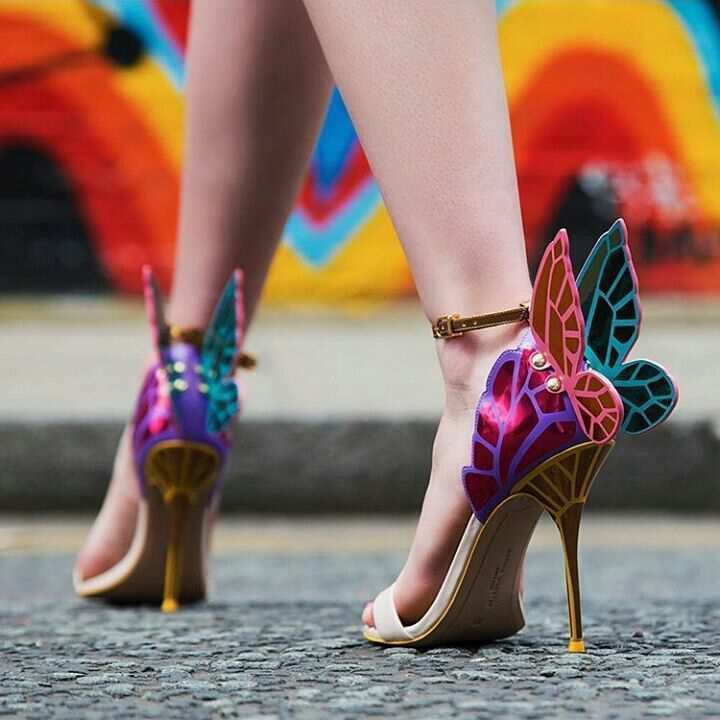
Additionally, Belle faces challenges in brand positioning. Despite owning multiple brands under Belle International, the distinctions between them are unclear. On Tmall, brands like Tata, Basto, and Teenmix are all positioned as trendy and fashionable, with similar price ranges, leading to internal competition. In the mid-range market, Belle competes with brands like Dadong and Daphne, while in the high-end segment, it struggles to rival brands like Tod's and Jimmy Choo.
To address these challenges, Belle is accelerating its digital transformation and exploring new channels and content marketing. Digital transformation isn't just about moving products online; it involves leveraging big data and AI to understand consumer needs, optimize supply chains, and enhance user experiences. Meanwhile, content marketing through social media and short videos helps build stronger connections with consumers and boost brand loyalty.
Innovation is also essential to Belle's transformation. Design-wise, Belle is breaking free from tradition, embracing fashion trends while prioritizing comfort. Production cycles must also be shortened to meet consumers' demand for novelty.
Once the dominant force in women's shoes, Belle now faces upheaval in a market driven by "new female self-indulgence" and "e-commerce support." Digital transformation and exploration of new channels are key to its revival.
02
The 2024 "New" Women's Shoe Industry Perspective: Oligopoly and White-Label Struggles
Although Belle's performance has declined, it remains a dominant player in the women's shoe market.
Today's women's shoe market is still controlled by a few oligopolistic brands, while white-label brands face survival challenges. Breaking this cycle has become the industry's new focus. Behind the oligopoly lies resource monopolization and neglect of consumer needs. White-label brands must find new paths in branding, quality improvement, and marketing strategies.
In bustling malls across Zhejiang, women's shoe counters are abundant, but this seemingly vibrant scene is actually a "game" dominated by a few oligopolistic brands. BELLE, STACCATO, TATA, TEENMIX, and BASTO occupy half the market, all under the umbrella of Belle and C.banner. Belle alone controls over half of the market share.
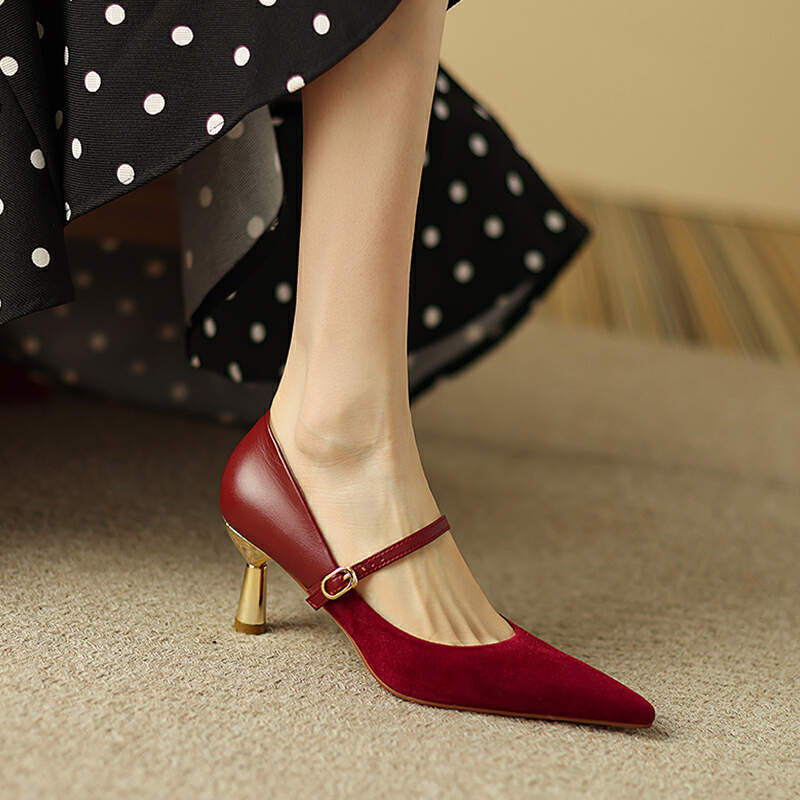
These oligopolistic brands employ precise pricing strategies, covering everything from low-end to high-end segments, making it difficult for other brands to compete offline. For example, Belle's brands cater to different consumer segments, from affordable BASTO to premium STACCATO.
However, this oligopoly puts immense pressure on white-label brands. In Yongjia County, Wenzhou, this issue is particularly acute. As a major shoe manufacturing hub, Yongjia's women's shoe companies are trapped in a cycle of prioritizing production over branding. Despite their craftsmanship—even producing shoes nearly identical to GUCCI—their lack of brand influence and effective marketing keeps them struggling at the industry's bottom.
This reflects a "universal" problem in traditional women's shoe manufacturing hubs even in 2024: insufficient brand building and outdated marketing strategies. Fortunately, with the rise of live-streaming commerce, many women's shoe companies are exploring this new channel. However, the golden age of live-streaming traffic has passed, and paid promotions have become the norm, making organic traffic strategies unsustainable.
03
2024 Women's Shoe Trend: Live-Streaming E-Commerce Boosts the Market
By 2024, live-streaming commerce has become the go-to marketing strategy for white-label and emerging women's shoe brands. Showcasing products and answering consumer questions in real-time significantly boosts sales conversion rates and drives rapid growth.
Take Ame Handmade Women's Shoes as an example. With the help of live-streaming e-commerce, the brand achieved remarkable sales growth. Quality content marketing and user experience are key. Enhancing interactivity and conversion rates in live streams attracts loyal "buyers."
At the same time, supply chain management is critical. In the live-streaming era, consumers demand higher product quality and faster delivery. Brands must strengthen collaboration with suppliers to ensure quality while speeding up delivery to meet the "fast and efficient" online shopping expectations.
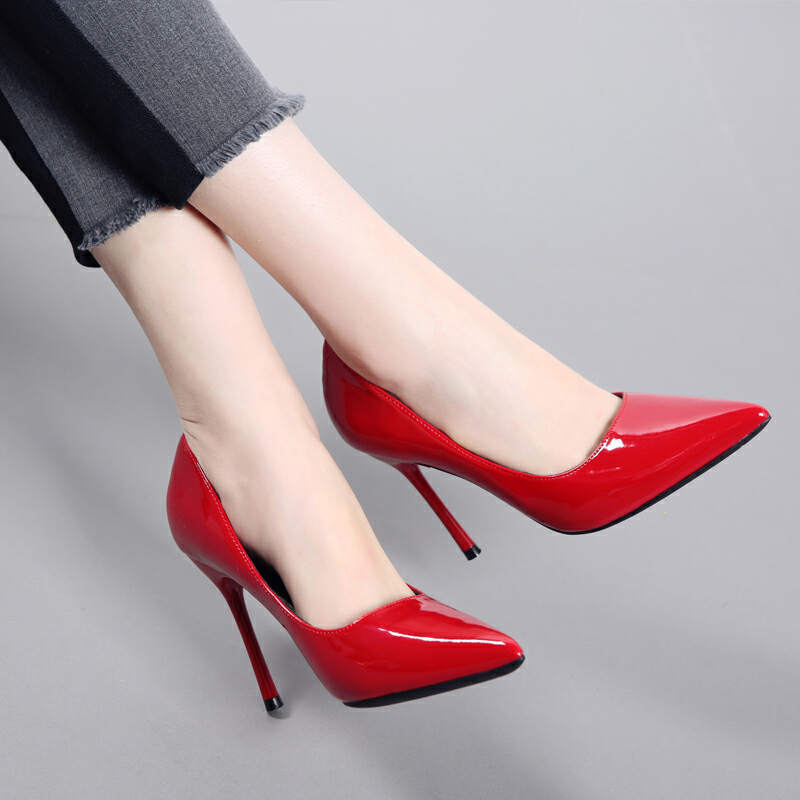
Xiao Long, founder of Ame Handmade Women's Shoes, understands this well. Through well-planned live-stream content and optimized supply chains, his live streams are not only engaging but also foster emotional connections with consumers.
However, the boom in live-streaming commerce comes with challenges. Some brands prioritize short-term sales over product quality and long-term brand building.
Some brands are obsessed with the short-term gains of live-streaming but neglect long-term brand planning. They exaggerate claims, over-market, and even sacrifice quality for profit.
04
Final Thoughts
In this fast-changing business era, the rise and fall of women's shoes are not just reflections of fashion cycles but also mirrors of societal shifts. Once symbols of identity and gender, they led consumer trends but are now being sidelined by younger generations pursuing individuality, health, and freedom.
On the surface, this shift reflects changing consumer preferences, but at its core, it represents profound cultural transformations. The move from "pleasing others" to "pleasing oneself" isn't just about consumption motives; it's a awakening of self-worth. As women reject traditional "femininity," they abandon restrictive fashion symbols in favor of products that express individuality and enhance quality of life.
However, this doesn't mean "pleasing others" consumption has disappeared. In a market where individuality and diversity coexist, many brands are finding a balance, creating products that satisfy self-expression while attracting attention.
For traditional footwear brands like women's shoes, the path to transformation is thorny but full of potential. They may innovate technologically to improve comfort, collaborate across industries, embrace live-streaming, or even transition to lightweight asset models like brand licensing to sustain their legacy.
Perhaps one day, high heels will return in a new form, becoming the fashion icons of a new era.
Author|Li Jiaman
Editor|Hu Zhanjia
Operations|Chen Jiahui
Produced by|LingTai LT (ID: LingTai_LT)
The copyright of this article belongs to the original author/organization.
The views expressed herein are solely those of the author and do not reflect the stance of the platform. The content is intended for investment reference purposes only and shall not be considered as investment advice. Please contact us if you have any questions or suggestions regarding the content services provided by the platform.
