


Black Wednesday, U.S. stocks were slaughtered! Has the tech stock myth been shattered?

In this turbulent and eventful summer, even the U.S. stock market couldn't escape unscathed! Last night's bloody massacre in tech stocks sent chills down everyone's spine.
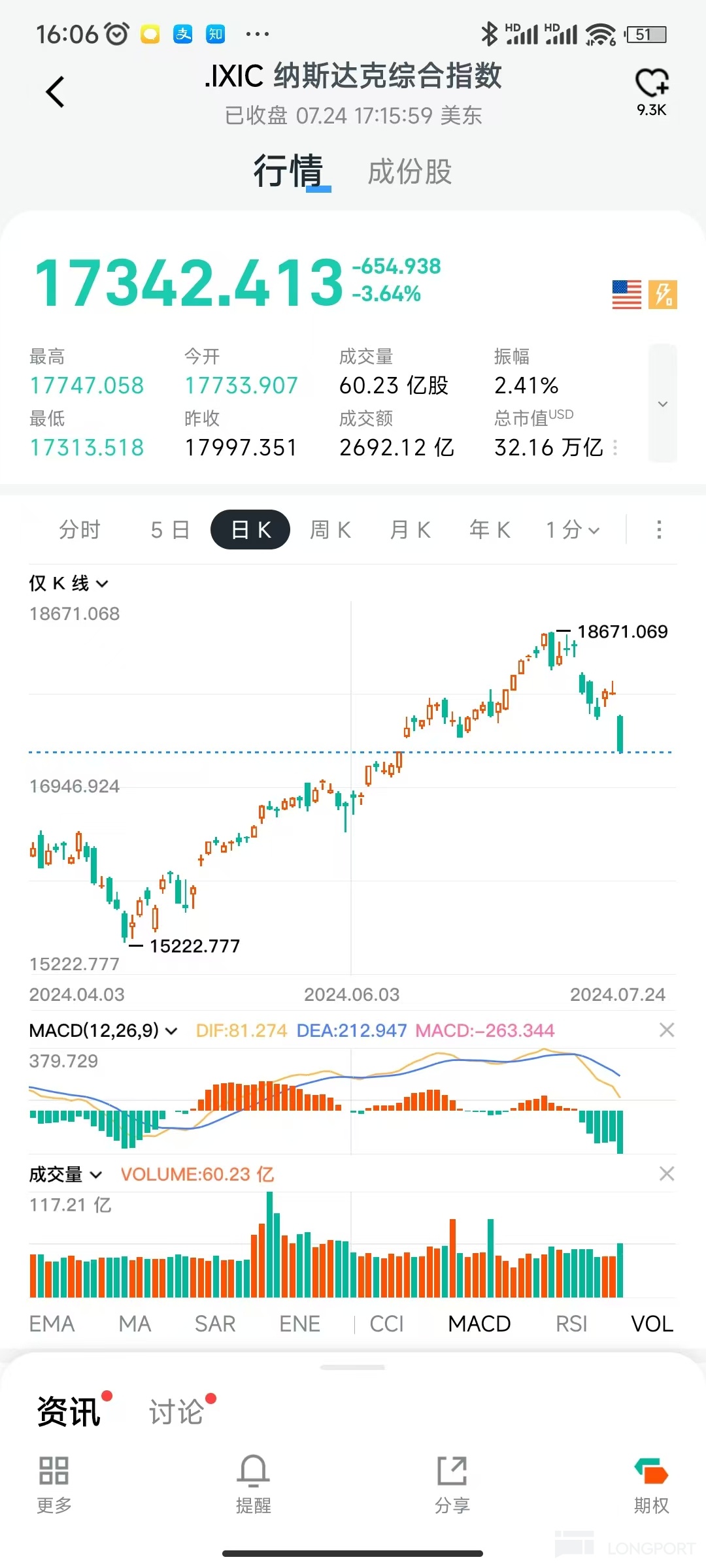
On Wednesday, July 24, local time, all three major U.S. stock indices experienced significant declines, with large-cap tech stocks facing massive sell-offs by investors. The Dow Jones Industrial Average fell 1.25%, the NASDAQ Composite dropped 3.64%, and the S&P 500 declined 2.31%, marking the largest single-day drop since December of last year.
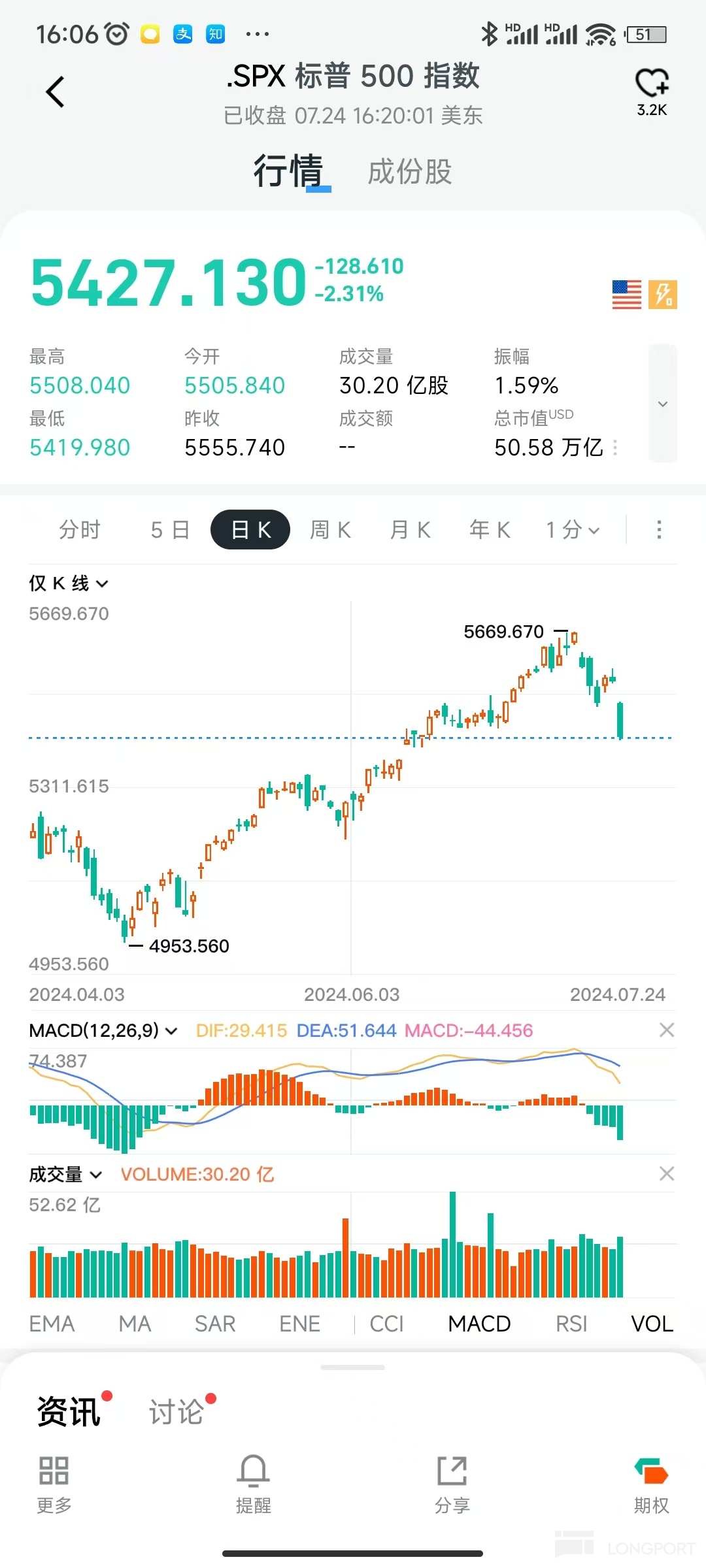
The biggest losers were still tech stocks, with the Philadelphia Semiconductor Index dropping 5.41% and the "Magnificent Seven" tech index plunging 6.06%.
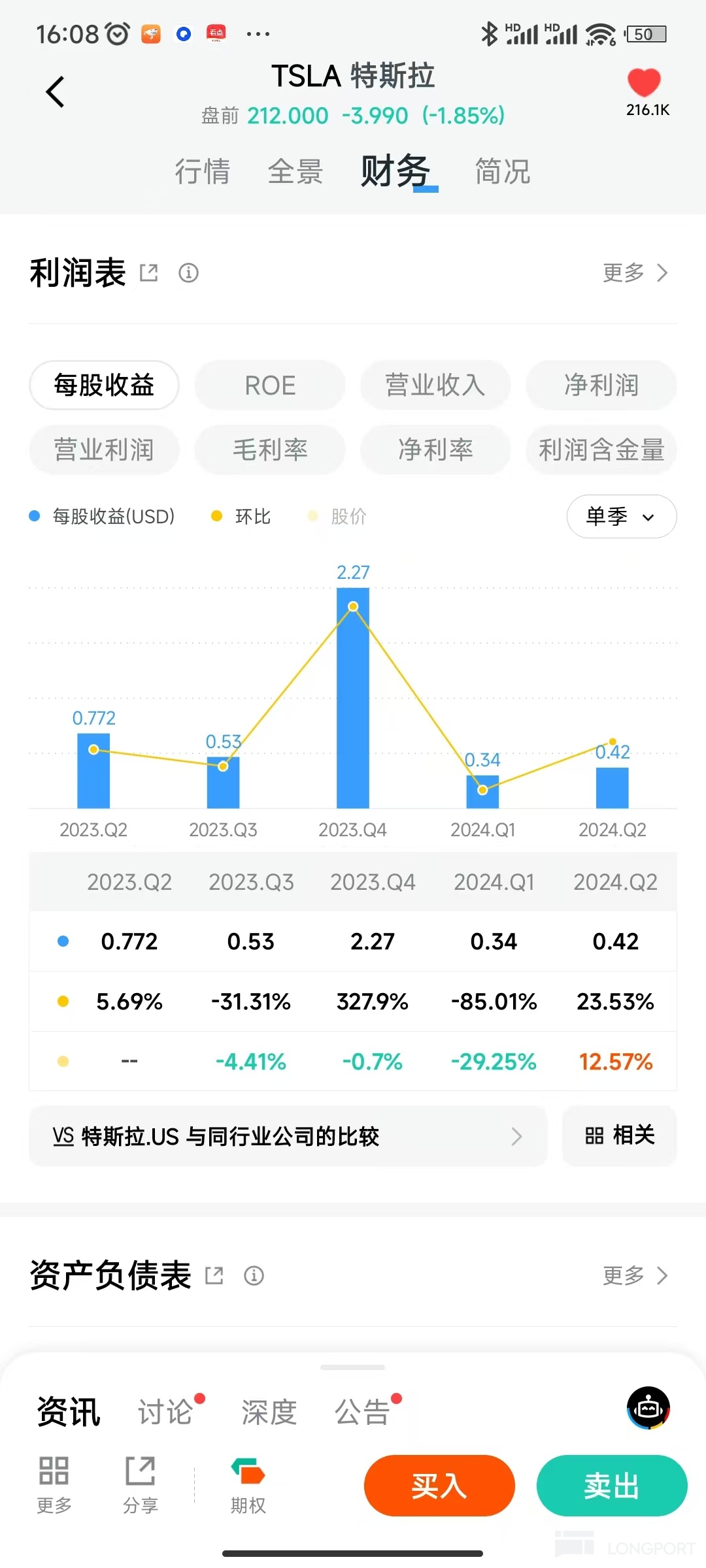
On the individual stock front, Tesla and Alphabet's (Google's parent company) financial reports fell short of expectations. This led to a significant decline in market confidence in large-cap tech stocks, resulting in heavy sell-offs. Tesla's stock price dropped over 12%, marking its largest single-day decline since September 2020.
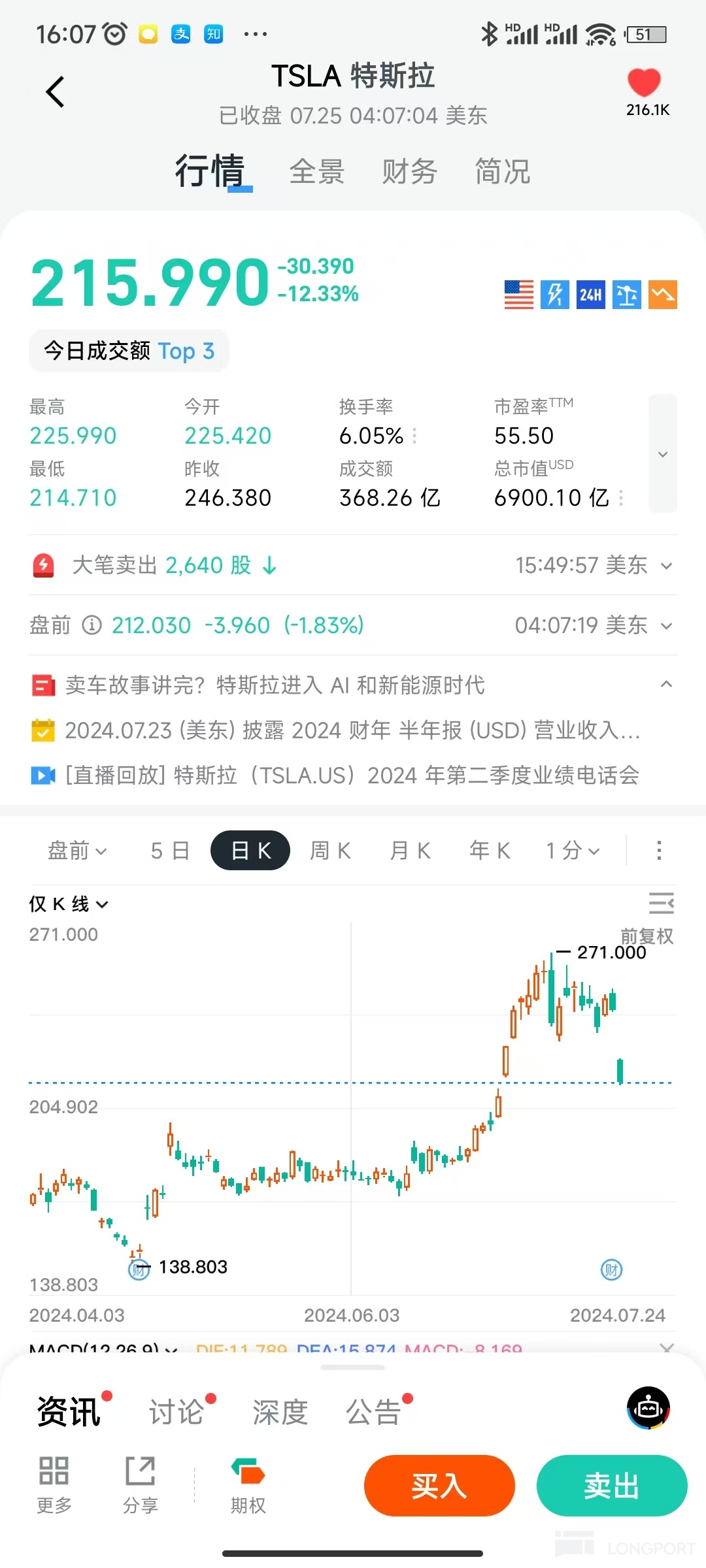
Amid this market turmoil, $Alphabet(GOOGL.US) saw its stock price drop over 5%. The reason behind this was the company's increased investments and expenditures to maintain its leading position in fierce market competition, which exceeded analysts' expectations. On the other hand, Tesla wasn't spared either, with its stock price plummeting 12.33% due to profits falling short of market expectations and delays in its Robotaxi project launch.
July is peak earnings season for companies. Bad news kept coming: IBM's earnings showed growth in AI business bookings, while Ford Motor missed profit expectations due to quality issues with new vehicles. Whirlpool Corporation lowered its full-year profit guidance.
$Tesla(TSLA.US) reported its lowest quarterly profit margin in five years and missed earnings per share expectations for the fourth consecutive quarter. Tesla's EV deliveries declined for two straight quarters, and it failed to launch the much-anticipated affordable model.
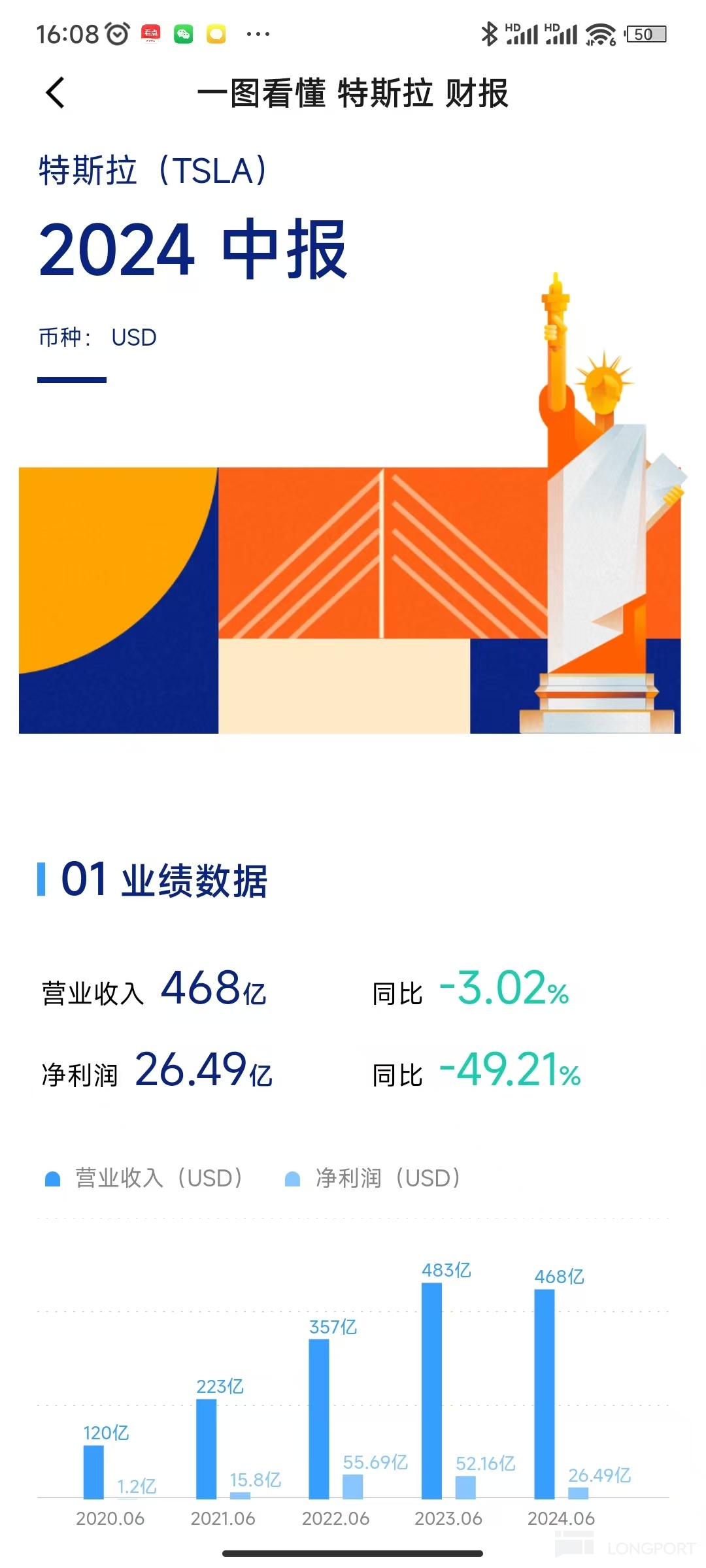
Tesla and Alphabet's disappointing results raised concerns that the AI hype might be overblown.
According to multiple foreign media reports citing tech outlet The Information, $Apple(AAPL.US) is considering developing a foldable iPhone that might launch in 2026. Over the past few months, Apple has engaged with Asian suppliers to discuss producing related components. Reports suggest the phone will feature a clamshell design similar to Samsung's Galaxy Z Flip released in 2020. However, Apple canceling R&D projects isn't uncommon, so it's uncertain whether this foldable phone will materialize. If launched, it would represent one of the biggest hardware design changes in iPhone history.
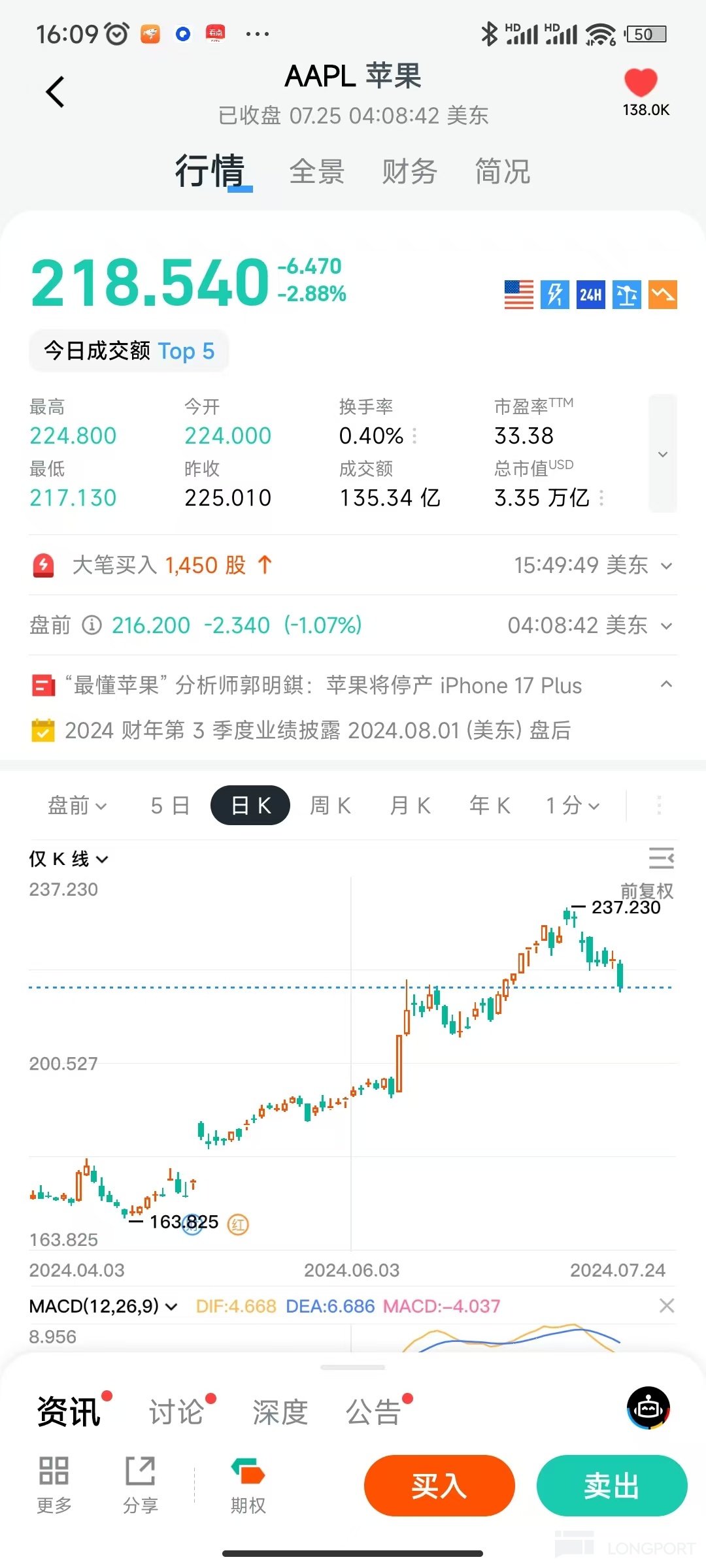
Despite occasional market rumors about Apple increasing iPhone 16 orders, suppliers' latest statements cast doubt on these claims. Currently, Apple Intelligence is only available in beta for U.S. users, and expecting consumers to buy new iPhone 16 models to test beta versions of Apple Intelligence might be overly optimistic. Reflecting this, Apple's stock fell 2.88% last night.
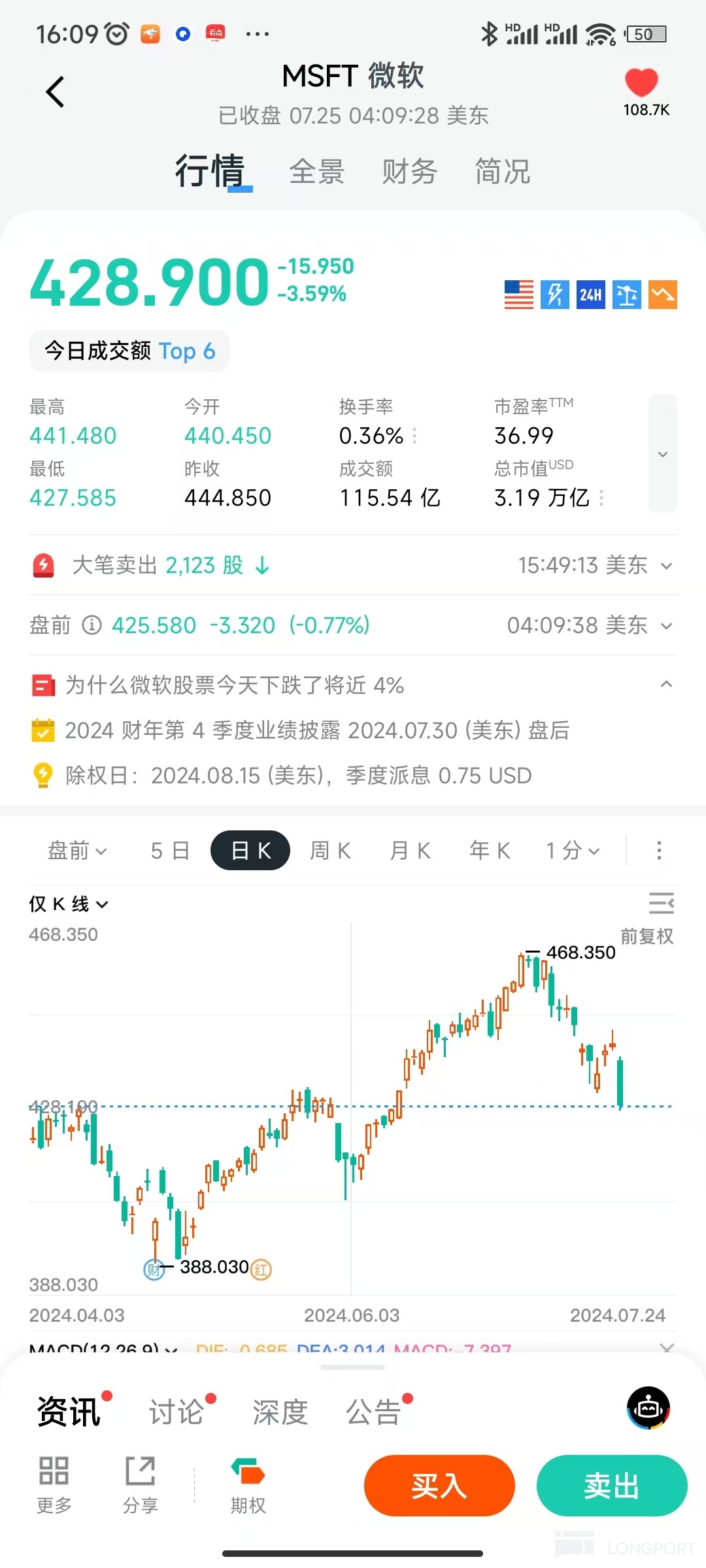
$Microsoft(MSFT.US) saw its stock price drop 3.59%. According to Reuters citing sources, after a global tech outage caused by cybersecurity software led to crashes on many Windows computers, there's no indication Microsoft plans to restrict CrowdStrike's access to the Windows operating system.
Meanwhile, on July 24, Microsoft stated that the EU should be held responsible for the world's largest IT system failure. A Microsoft spokesperson said the company had reached a 2009 agreement with the European Commission requiring Microsoft to open Windows' kernel-level access to allow other vendors to install security software, a decision that increased system vulnerability. Microsoft couldn't make security modifications to cybersecurity firm CrowdStrike's update, which ultimately caused approximately 8.5 million computers worldwide to crash.
In other news, the Bank of Canada cut interest rates by 25 basis points, lowering the benchmark rate from 4.75% to 4.5%, marking the second consecutive rate cut following June's move. Governor Macklem indicated further cuts might come if inflation continues to slow.
Former New York Fed President Dudley suggested the Federal Reserve should consider cutting rates now, preferably at next week's policy meeting. Such statements undoubtedly shook markets and influenced stock movements.
Historical data shows that whenever the U.S. prepares to begin a rate-cutting cycle, stocks experience a significant decline—this has happened at least three times before, corresponding to 2001, 2008, and 2020.
Investors widely anticipate an impending U.S. economic downturn, with markets expressing concern about economic prospects, prompting potential Fed rate cuts to stimulate growth. Perhaps this is the real reason behind last night's stock market bloodbath!
AI technology is considered a new engine for economic growth. However, AI's short-term profitability remains challenging, especially regarding large-scale applications. Currently, AI's integration with robotics remains in early stages, far from perfect. Markets might be anticipating the AI-driven growth wave is receding, another potential factor in the stock plunge.
During rate cuts, while lower rates may reduce corporate financing costs, market concerns about economic prospects could drive stocks down. Only when rates hit absolute lows while stocks adjust to relatively low levels might investors reassess risk-reward ratios, potentially triggering a rebound.
In the short term, the U.S. stock market's focus may return to tech earnings performance and 博弈 with rate-cut expectations.
ON Semiconductor, Microsoft, AMD, META, Qualcomm, ARM, Apple, Amazon, and Intel will all report earnings next week—the real test for NASDAQ is coming!
The copyright of this article belongs to the original author/organization.
The views expressed herein are solely those of the author and do not reflect the stance of the platform. The content is intended for investment reference purposes only and shall not be considered as investment advice. Please contact us if you have any questions or suggestions regarding the content services provided by the platform.
