


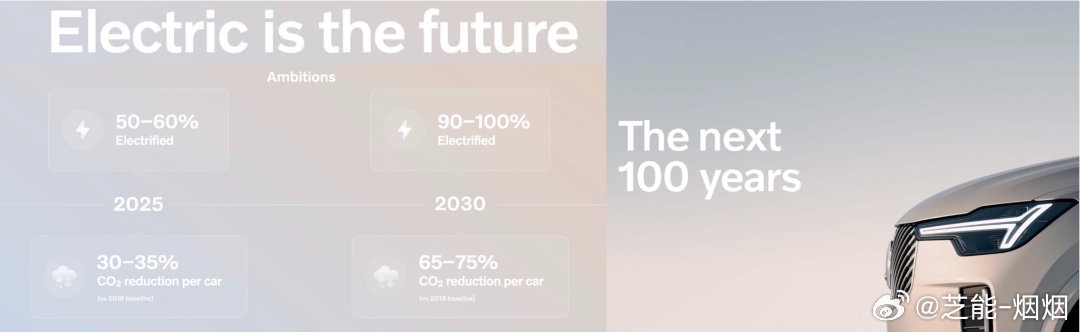
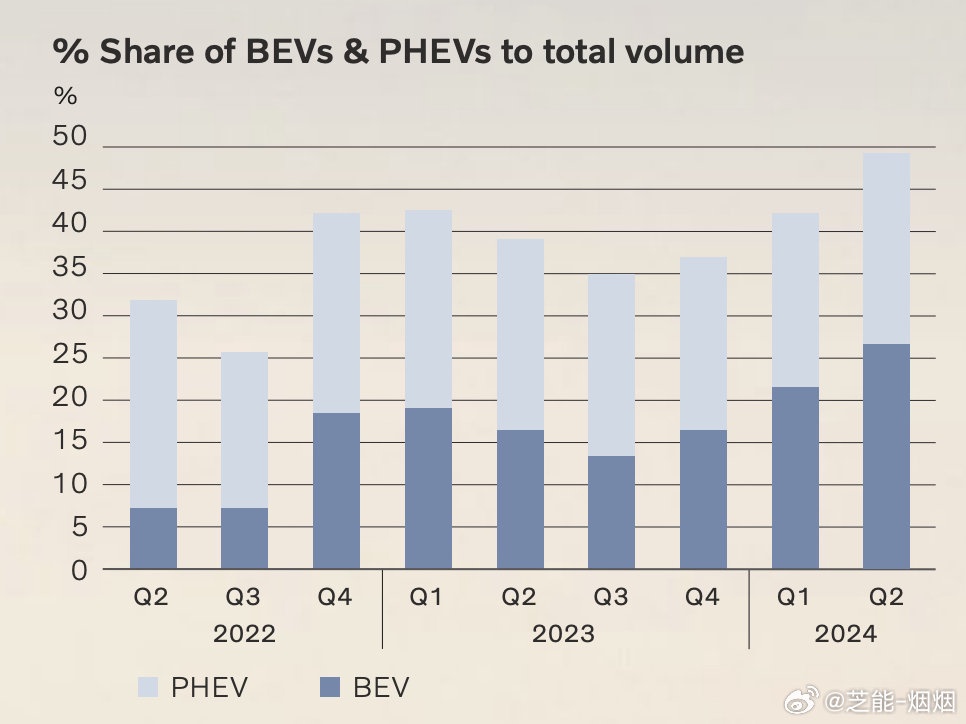
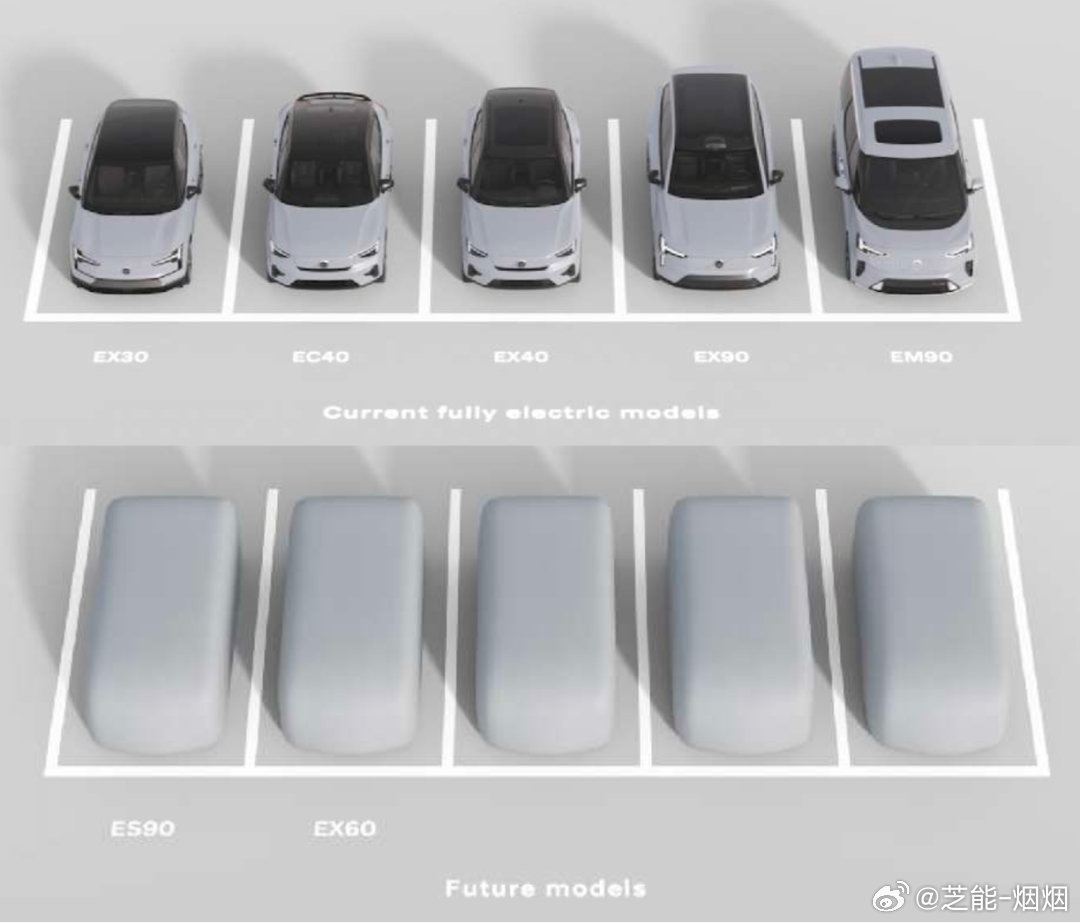
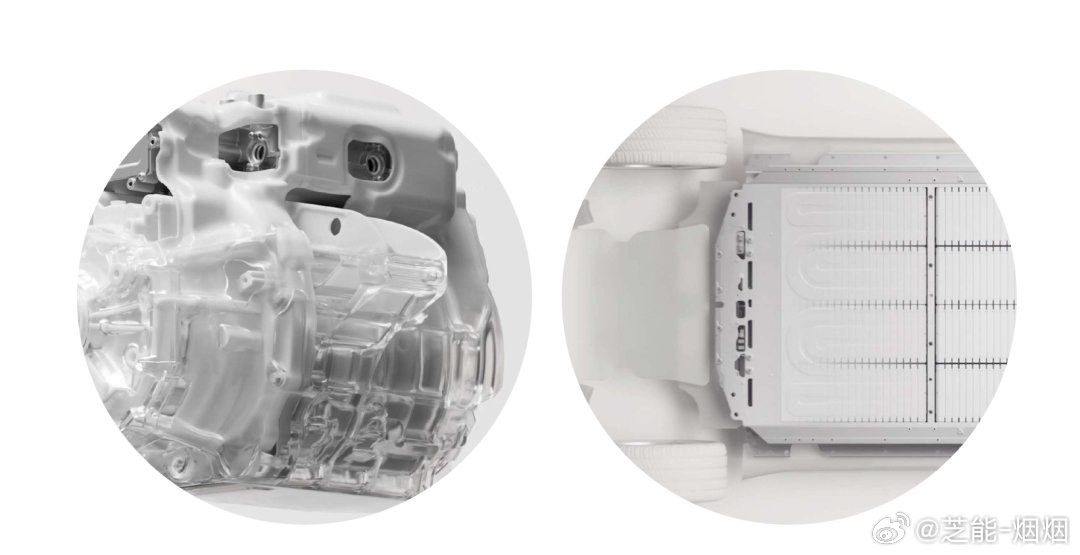
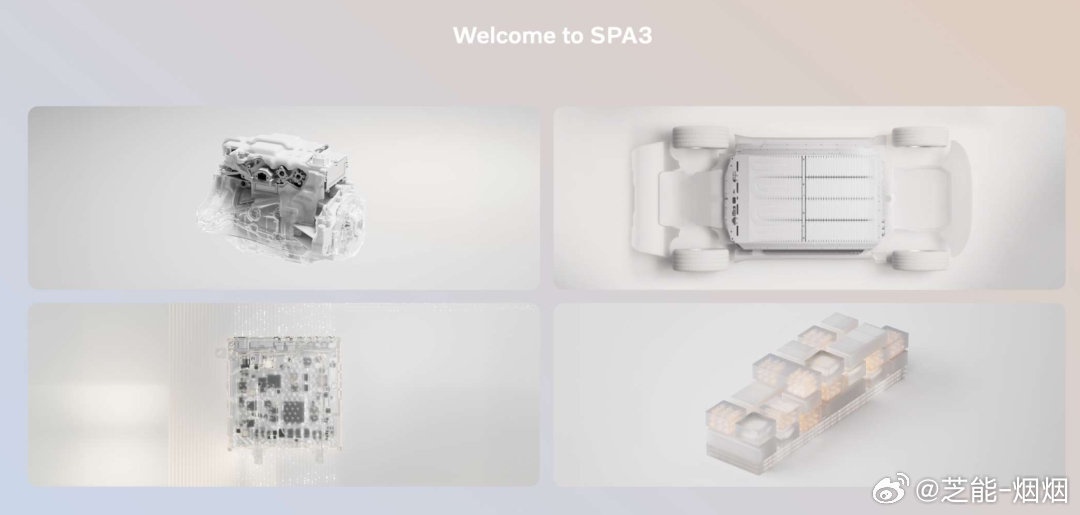
By 2030, the goal is for new energy vehicle models (including pure electric and plug-in hybrids) to account for 90% to 100% of total sales, with mild hybrids accounting for 0% to 10%. Faced with slowing market growth, insufficient charging infrastructure, and reduced subsidies, Volvo has adopted a flexible strategy. As of the first half of 2024, Volvo's electrified vehicle sales accounted for approximately 50% of global total sales, with market share for pure electric and plug-in hybrid vehicles rising. Volvo plans for electrified vehicles to account for 50% to 60% of global sales by 2025 and aims to launch a full lineup of pure electric vehicles by 2030. Volvo will increase investment in plug-in hybrid technology to address fluctuating consumer demand. Technological strategies include in-house R&D, resource integration, and collaboration with tech companies to enhance EV performance and optimize the supply chain. The introduction of new battery concepts and vehicle architecture optimization will improve performance and reduce costs. Through internal R&D and external partnerships, Volvo is building a comprehensive ecosystem covering electrification, intelligence, and modularity to strengthen market competitiveness and long-term development capabilities.

The copyright of this article belongs to the original author/organization.
The views expressed herein are solely those of the author and do not reflect the stance of the platform. The content is intended for investment reference purposes only and shall not be considered as investment advice. Please contact us if you have any questions or suggestions regarding the content services provided by the platform.
